
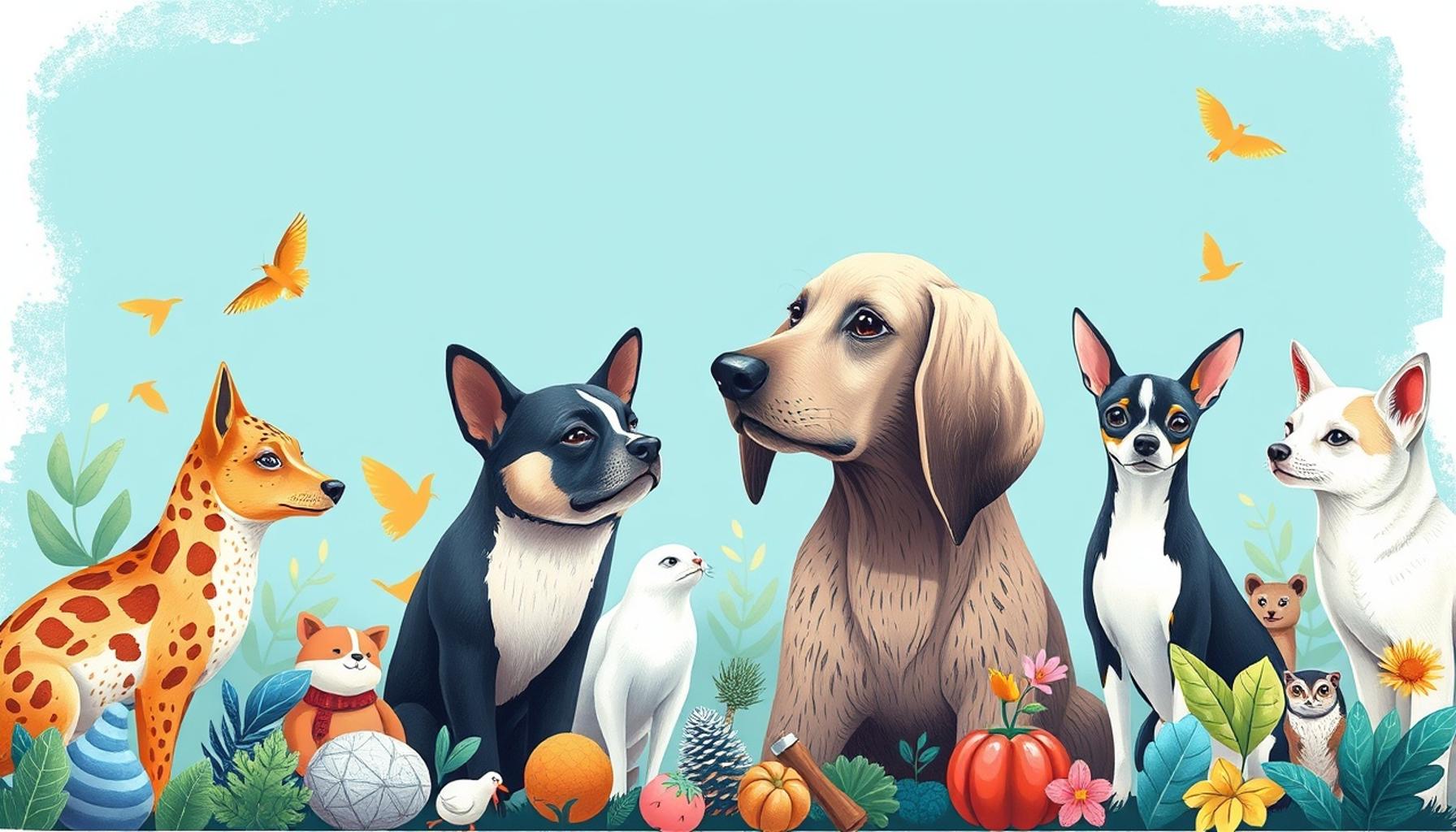
The Impact of Species Diversity in Animal-Assisted Therapy
Animal-Assisted Therapy (AAT) stands at the intriguing intersection of psychology and animal interaction, gaining traction as an effective method for enhancing wellness across various demographics. This practice utilizes a range of animal species to promote healing in mental, emotional, and physical health, illustrating the immense potential of engaging with different animals in therapeutic settings.
The incorporation of various animals into AAT allows for a rich tapestry of therapeutic experiences. Each species contributes distinct characteristics that can benefit different individuals. Let’s delve into some of the most commonly utilized animals in these programs:
- Dogs: Renowned for their loyal and friendly demeanor, dogs are perhaps the most recognized in AAT. They are often trained to perform specific tasks such as guiding the visually impaired, providing comfort to individuals experiencing trauma, and even alerting caregivers during medical emergencies. Their playful nature fosters an environment where participants can feel secure and relaxed, enhancing the overall therapeutic experience.
- Cats: Cats bring a serene presence to therapeutic settings. Known for their ability to purr and cuddle, they create a soothing environment that can significantly lower anxiety levels. The simple act of petting a cat has been shown to release oxytocin in the human brain, promoting feelings of trust and calmness. This aspect makes them particularly appealing for participants who may feel overwhelmed by more energetic animals.
- Horses: In equine-assisted therapy, horses transcend the traditional roles associated with pets. Interacting with these majestic animals can improve emotional regulation and build essential life skills, such as communication and social interaction. The process of grooming or riding a horse requires trust and cooperation, fostering a unique bond that can lead to improved confidence in individuals, especially children with behavioral disorders.
- Rabbits and Guinea Pigs: These smaller animals often serve in therapy sessions designed specifically for younger participants. Their gentle nature allows for safe and comforting interactions, enabling children to express their feelings more openly without the intimidation that larger animals might present. The pleasure derived from caring for them can also teach responsibility and empathy.
The diversity of species in AAT not only enriches therapeutic environments but also caters to a broader spectrum of individuals, including children, seniors, and those with disabilities. This adaptability enhances engagement, as clients can interact with animals that resonate with them personally, thereby amplifying the effectiveness of therapy sessions.
As more research emerges, the exploration of species diversity in AAT is yielding insightful data on how various animal interactions foster healing and personal growth. By examining the unique traits and therapeutic impacts of each species, professionals can better tailor their approaches to meet individual needs. This ongoing investigation deepens our understanding of AAT’s role in improving lives, encouraging a holistic view of therapy that embraces the nuances of interspecies connections. The power of animals in therapy is only beginning to be fully tapped, inviting both practitioners and clients to join in a collaborative journey of wellness.
EXPLORE MORE: Click here to learn about the importance of play in pet behavior
The Role of Diverse Animal Species in Therapeutic Settings
The significance of species diversity in Animal-Assisted Therapy (AAT) is underscored by the varied emotional and psychological responses different animals can evoke in individuals. As therapists begin to tailor programs based on the unique needs and preferences of their clients, understanding the roles played by different species becomes paramount. This exploration of animal interactions not only unveils potential pathways toward healing but also highlights the benefits of a personalized touch in therapy sessions.
Beyond emotional support, various animal species in AAT can augment therapeutic experiences in the following ways:
- Birds: Birds, such as parrots and canaries, introduce a unique dynamic to therapy. Their vibrant colors and cheerful sounds can significantly uplift the mood of participants. Often used in group therapy settings, the presence of birds encourages communication, socialization, and stimulation of cognitive functions. The act of watching or listening to birds can inspire mindfulness, drawing attention away from personal struggles.
- Reptiles: While less conventional, reptiles like turtles and lizards are effective in challenging preconceived notions about animals. The tactile experience of handling a reptile can cause individuals to confront fears and anxieties in a controlled environment. This interaction not only promotes fear management but can also foster a sense of curiosity, essential for mental health recovery.
- Farm Animals: Animals such as goats, sheep, and chickens can be especially beneficial, as their presence encourages engagement with nature. Utilizing farm animals in therapy can facilitate a grounding experience, reconnecting individuals with their surroundings. Participants often express joy in interacting with these animals, leading to improved mood and social skills.
Incorporating a variety of species allows for a broad range of therapeutic practices, which can enhance client engagement and satisfaction. For example, children may enthusiastically respond to more playful species, while older adults might find solace in the calm presence of a cat. This responsiveness is crucial; the adaptability of different therapy animals can lead to more effective outcomes, creating tailored therapeutic environments for each unique client.
Furthermore, studies suggest that the effects of diverse animal interactions extend beyond momentary happiness. Participants often report long-term benefits such as improved social skills, enhanced emotional awareness, and reduced levels of stress and anxiety. By carefully selecting species that align with therapeutic goals, practitioners can optimize the healing journey for their clients. This emphasis on personalized care reflects a growing trend in AAT, where understanding the specific needs of individuals becomes as significant as the animals utilized.
As the field continues to advance, the exploration of species diversity in AAT encourages both practitioners and researchers to delve deeper into the interplay between animals and human health. This engagement not only enriches therapeutic practices but pushes the boundaries of what is possible in the realm of healing and recovery.
Exploring Species Diversity in Animal-Assisted Therapy Programs
Animal-assisted therapy (AAT) incorporates a wide range of animal species, each bringing unique benefits to therapeutic settings. Understanding species diversity in AAT can enhance therapeutic outcomes and enrich the client experience. Here, we delve into some significant advantages that different species provide in therapy programs.
| Animal Species | Therapeutic Benefits |
|---|---|
| Dogs | Enhance emotional connections and reduce anxiety. |
| Cats | Promote calmness and soothe stress with purring therapy. |
| Horses | Encourage nonverbal communication and build confidence. |
| Rabbits | Provide comfort and engage clients in gentle interaction. |
The exploration of species diversity in AAT not only highlights the distinct characteristics each animal contributes but also opens avenues for tailoring programs to meet specific therapeutic goals. For instance, while dogs are often celebrated for their loyalty and companionship, horses offer unique opportunities for developing skills like leadership and emotional regulation through equine-assisted therapy. Each interaction fosters a different aspect of healing, inviting clients to engage more deeply in their therapeutic journey.
As the understanding of these diverse species continues to evolve, therapists and practitioners can harness their specific traits to enhance the emotional and physical well-being of clients. This exploration reveals new insights into how various species can coexist and contribute meaningfully within AAT programs, ultimately shaping the future of therapeutic practices.
DISCOVER MORE: Click here to learn about the impact of pet diversity on human health</a
The Therapeutic Impact of Unique Animal Pairings
The integration of multiple animal species in Animal-Assisted Therapy (AAT) creates an avenue for innovative therapeutic pairings, opening opportunities for improved emotional well-being and psychological resilience. By understanding how different species interact and complement each other within therapy settings, practitioners can craft experiences that maximize the benefits associated with each animal. This approach allows for a deeper exploration of how species diversity can enhance healing processes.
For instance, pairing canines with smaller therapy animals like rabbits can leverage the strengths of both species to create a nurturing environment. Dogs are known for their loyalty and affection, naturally fostering trust and comfort for participants. Rabbits, on the other hand, offer a unique tactile experience; their soft fur and gentle demeanor promote a sense of calm. Research indicates that participants often experience reduced anxiety levels when interacting with these vastly different animals simultaneously, as they feed off each other’s energy and demeanor.
Moreover, the dynamic between socially active species, such as goats, and quieter companions like cats, can also yield positive outcomes. Goats, known for their playful antics, motivate participants to engage socially and physically. Cats, with their peaceful yet affectionate presence, offer a much-needed dimension of soothing interaction after energetic sessions. This complementary effect encourages a balance between activity levels, allowing individuals to explore their emotional states in greater depth.
Interestingly, the presence of diverse animal species not only enriches the therapeutic experience but also plays a significant role in increasing participants’ empathy and social bonding. Inter-species interactions provide opportunities for individuals to learn valuable skills related to cooperation and communication. For example, when a client takes on the role of caring for a variety of animals, they develop a sense of responsibility that can translate into improved social interactions among peers. This phenomenon is particularly beneficial in settings like schools and rehabilitation centers, where fostering community awareness and social skills are crucial aspects of therapy.
Furthermore, this diverse animal mix expands the reach of AAT programs to various populations. For example, while energetic dogs might be effective with younger students, therapy sessions involving smaller species like guinea pigs or fish can capture the interest of elderly clients or individuals with disabilities. Each animal brings its own unique form of engagement, allowing facilitators to connect with a broader range of individuals. The art of selecting animals that diversify therapeutic experiences enhances the accessibility and effectiveness of AAT across different demographics.
With an emphasis on innovative pairings and species selection, AAT is continuously reshaping its landscape. As practitioners explore these diverse interactions through ongoing research and trials, a richer tapestry of healing unfolds. As clients respond positively to these multifaceted connections, they inevitably reinforce the belief in the transformative potential of animals, paving the way for the future of human-animal collaborations in therapy.
DISCOVER MORE: Click here for insights on species diversity
Conclusion: The Future of Species Diversity in Animal-Assisted Therapy
The exploration of species diversity in Animal-Assisted Therapy (AAT) has illuminated a pathway to richer, more nuanced therapeutic experiences. It has become increasingly clear that incorporating a variety of animal species not only enhances the overall effectiveness of therapy programs, but also fosters emotional growth and social interaction among participants. By leveraging the unique strengths and characteristics of different animals, therapists can create specialized environments tailored to the diverse needs of individuals, while also inspiring a profound sense of empathy and connection.
Practitioners and researchers alike are beginning to recognize that this blending of species is more than just a trend; it is a fundamental shift in the approach to therapy. The complementary interactions among various animals—ranging from the playful demeanor of goats to the calming presence of cats—provide therapeutic benefits that are greater than the sum of their parts. This paradigm not only promotes healing on an individual level but enriches the community by teaching valuable social skills and fostering responsibility through inter-species caregiving.
As we look to the future, there is a compelling need for ongoing research and innovation in the field of AAT. The endless possibilities for new animal pairings and therapeutic methodologies invite practitioners to continuously reimagine their approaches. As we delve deeper into understanding the intricacies of human-animal relationships, we may well find that the future of therapy lies in the harmonious diversity of life. By embracing the multi-faceted nature of species diversity in therapy, we not only enhance the healing journey of individuals but also strengthen the communities around them.

 Beatriz