
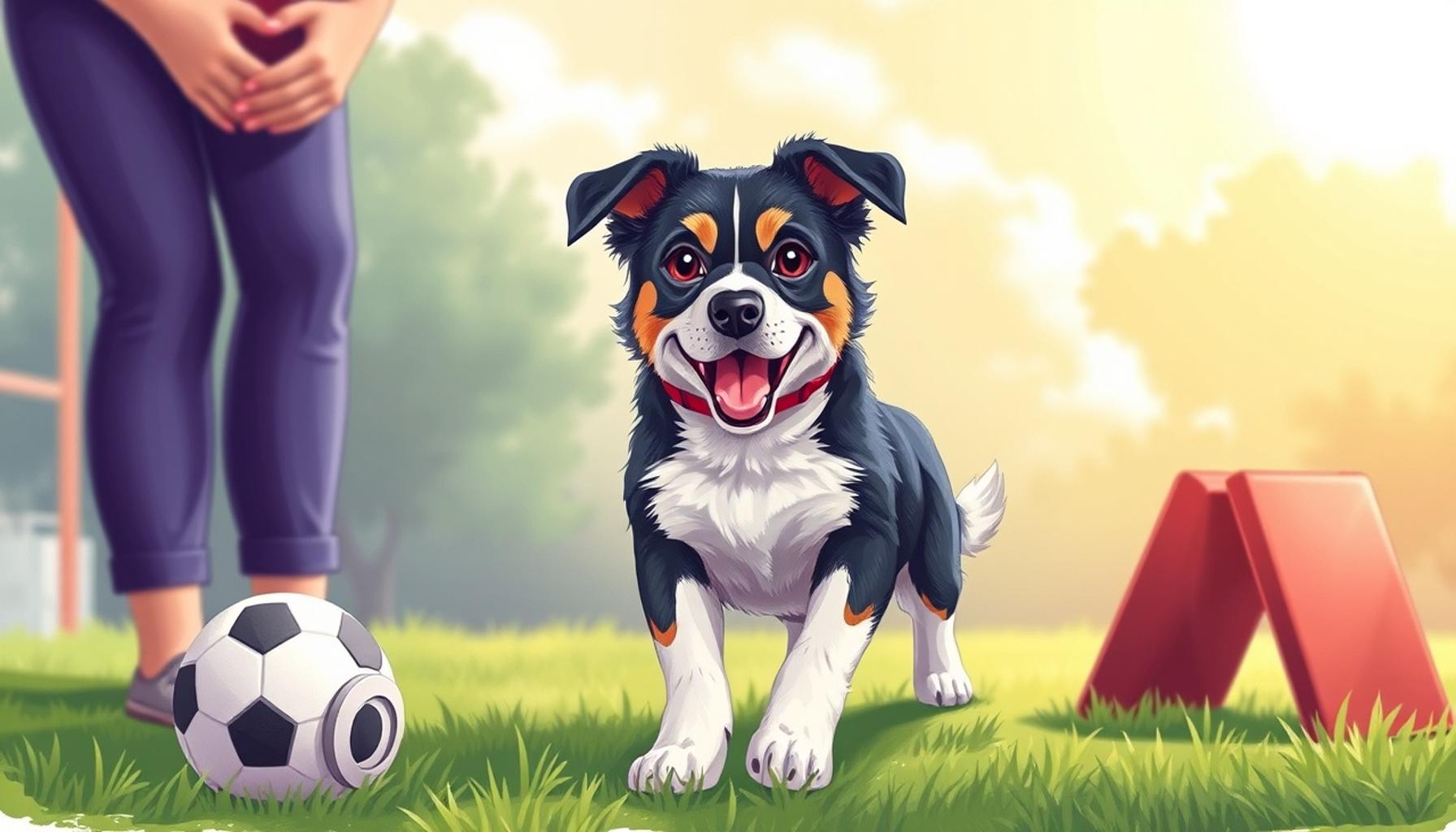
Discover the Power of Agility Training for Pets
Engaging your pet in agility training is not merely an entertaining pastime; it’s a holistic approach that significantly contributes to their overall wellness and strengthens your bond. These fun exercises have gained popularity across the United States, with both urban and rural pet owners discovering the myriad benefits for their furry companions.
Enhanced Physical Health
One of the most notable advantages of agility training is its role in promoting improved physical fitness. Activities such as jumping over hurdles, weaving through poles, and sprinting through tunnels help develop your pet’s muscular strength and cardiovascular endurance. For example, a medium-sized dog might enhance its muscle tone and lung capacity simply by participating in a weekly agility class, whereas an older dog can find renewed energy and mobility through tailored agility exercises.
Cognitive Benefits
Beyond physical fitness, agility training provides critical mental stimulation. As pets navigate through challenges, they enhance their problem-solving abilities and learn to make quick decisions. For instance, a dog learning to anticipate its handler’s commands while navigating an obstacle course is not only exercising its body but also its brain. This mental engagement can help combat boredom at home, reducing destructive behaviors stemming from excess energy.
Behavioral Advantages
Moreover, regular agility training encourages positive behavioral improvements. Dogs that participate in structured training often show reduced instances of issues like excessive barking, jumping on guests, or chewing furniture. For example, a young Labrador retriever that engages in agility training may learn to stay calm and focused when guests arrive, as the training reinforces self-discipline and social skills.
Across the country, pet facilities are popping up with agility courses for all skill levels, from beginners to seasoned competitors. Such inclusivity ensures every pet—from a sprightly terrier to a mature golden retriever—has the opportunity to reap these benefits. Additionally, many community parks have begun to feature agility equipment, making it easier for pet owners to access these resources without having to join specialized training centers.
Making It a Part of Your Routine
Incorporating agility training into your pet’s daily life can be both fun and rewarding. Start by introducing simple obstacles at home, like low jumps made from cushions or weaving between cones. With a bit of consistency and creativity, you can transform playtime into a vigorous workout that keeps your pet healthy and happy.
Ultimately, agility training is an excellent option for enhancing your pet’s happiness and health. By fostering a culture of fitness and fun, you not only enrich your pet’s life but also create lasting memories together. So, grab your leash and start exploring the exciting world of agility training today!
DON’T MISS: Click here to learn how to keep your pet healthy
Integrating Agility Training: A Step-by-Step Guide
Getting started with agility training can seem daunting, but with a little preparation and enthusiasm, you can seamlessly incorporate these exercises into your pet’s daily routine. Here are some practical steps to ensure you and your furry friend experience the joys and benefits of agility training.
1. Assess Your Pet’s Readiness
Before diving into agility training, it’s crucial to assess whether your pet is physically and mentally prepared for this form of activity. Factors to consider include:
- Age: Young pets have more energy but may need extra patience during training, while older pets might require tailored exercises.
- Physical Condition: Ensure your pet is up to date on health checks and vaccinations, and consult your veterinarian if unsure about starting agility training.
- Temperament: Some pets are naturally more motivated and adventurous. Assess your pet’s willingness to engage in new activities.
2. Gather Basic Equipment
Agility training doesn’t require an elaborate setup; in fact, many beginners start with home-made or easily accessible equipment. Here are some essential items to consider:
- Jump Bars: You can use broomsticks or PVC pipes to create low jumps.
- Weave Poles: Cones or even assembled garden stakes can serve as weave poles.
- Tunnels: Purchase a collapsible tunnel or create one using a cardboard box.
Having the right equipment doesn’t just ensure safety; it also sparks your pet’s interest and makes training more engaging.
3. Begin with Basic Commands
Before introducing agility obstacles, it’s beneficial to teach your pet fundamental commands such as “sit,” “stay,” and “come.” These commands form the foundation of agility training and foster better communication between you and your pet. Consistent command reinforcement will help your pet focus and respond more effectively as you progress to agility activities.
4. Keep Training Sessions Short and Fun
To maintain your pet’s enthusiasm, keep agility training sessions short and enjoyable. Aim for 10-15 minute intervals two to three times a week, gradually increasing the length as your pet becomes familiar with the exercises. Always end each session on a positive note, rewarding your pet with praise or treats to reinforce their efforts:
- Create a routine with a mix of commands and agility skills.
- Incorporate playtime and interaction to keep your pet engaged.
- Change the course layout regularly to provide new challenges.
As you begin this journey, remember that patience is key. Every pet learns at their own pace, so it’s important to celebrate small milestones and cultivate a positive training environment. From increased fitness levels to reinforced good behavior, your commitment to agility training will yield countless benefits for both you and your beloved pet. So gear up for an exciting adventure in agility training and watch your furry companion thrive!
| Advantage | Description |
|---|---|
| Enhanced Physical Fitness | Agility training significantly boosts your pet’s physical health, promoting strength, endurance, and flexibility. |
| Mental Stimulation | Incorporating obstacle courses and challenges keeps your pet’s mind sharp, reducing boredom and destructive behaviors. |
| Bonding Experience | Training sessions strengthen the bond between you and your pet, fostering trust and positive communication. |
| Socialization Skills | Agility classes often involve group settings which enhance your pet’s social skills and adaptability to new environments. |
Incorporating agility training into your pet’s routine not only leads to a healthier and happier life for them but also enhances your own relationship through shared activities. This engaging practice is more than just a fun exercise; it offers compelling benefits that support emotional stability and overall physical health. Training engages both body and mind, paving the way for a fulfilling life for your furry companion. Exploring agility training opens new avenues for interaction, where you can witness the joy and excitement in your pet’s performance. Whether through homemade obstacle courses in your backyard or professional classes, the possibilities are vast. This engaging training method can be a key step in nurturing a well-rounded, energetic pet.
DISCOVER MORE: Click here to enhance your training skills
Enhancing Your Pet’s Agility Experience
Once you’ve established a routine and your pet is comfortable with the foundational aspects of agility training, it’s time to deepen the experience. This not only amplifies the fun but also sharpens your pet’s skills and your bond. Below are several advanced strategies and variations you can introduce to elevate your agility training sessions.
1. Introduce Advanced Obstacles
As your pet becomes proficient with basic agility equipment, consider introducing more advanced obstacles, which can significantly enhance the training experience. Incorporating items like:
- Dog Walks: A dog walk simulates a narrow sloped plank that can improve your pet’s balance and coordination.
- A-Frames: This iconic agility obstacle teaches pets to navigate inclines and declines, enhancing their physical capabilities.
- Teeter Totters: This requires pets to balance as they cross a pivoting plank; it stimulates problem-solving skills.
Always ensure that new obstacles are introduced slowly and safely, providing plenty of encouragement along the way. The gradual incorporation of these items keeps your pet stimulated and eager to learn.
2. Focus on Speed and Precision
Once your pet has mastered the obstacles, it’s time to focus on improving their speed and handling precision. This can be accomplished through the following techniques:
- Timed Runs: Use a stopwatch to measure how long it takes for your pet to complete an agility course, encouraging faster times during practice sessions.
- Precision Tasks: Set up courses that require your pet to navigate around cones or perform specific commands at each obstacle, enhancing control.
Tracking performance not only instills a sense of achievement but also motivates both you and your pet to push beyond previous limits.
3. Participate in Local Competitions
Once you and your pet have developed confidence and skill, consider entering local agility competitions. These events are not only pleasant for your pet but also foster a sense of community among dog owners. Benefits include:
- Socialization Opportunities: Your pet will encounter various breeds and new people, providing indispensable social skills.
- Exposure to Different Formats: Competitions often present new challenges that can only enhance your pet’s agility training experience.
- Enhanced Motivation: The thrill of competition can motivate both you and your pet to train with more enthusiasm.
Local dog clubs and training centers often have information about upcoming events, making it easy to find a competition that suits your pet’s skill level.
4. Incorporate Treat-Based Training Techniques
Utilizing treats during agility training can significantly improve focus and motivation. While your pet navigates the course, periodically reward them with small, high-value treats to reinforce their progress. Consider the following tips:
- Timed Treat Rewards: Only reward your pet after they successfully complete an obstacle, helping them associate treats with achievement.
- Gradual Reduction: As your pet becomes more proficient, decrease the frequency of treats while maintaining praise, fostering intrinsic motivation.
Healthy treats can be purchased, or you can create homemade alternatives. Remember to adjust their daily food intake to account for these additional calories.
Incorporating agility training into your pet’s routine is a rewarding endeavor that can lead to enhanced physical fitness and a stronger bond between you and your companion. By progressively advancing equipment, techniques, and engagement strategies, you are paving the way for a dynamic and enjoyable training journey that will benefit both you and your pet in countless ways.
DISCOVER MORE: Click here to learn how daily routines influence your pet’s behavior
Conclusion: The Joy of Agility Training
Incorporating agility training into your pet’s routine is a transformative journey that brings together physical exercise, mental stimulation, and a deepened bond between you and your furry friend. As we’ve explored, taking the initial steps with basic equipment lays the groundwork for a variety of engaging activities that underscore the importance of patience, consistency, and encouragement. When you introduce advanced obstacles and focus on speed and precision, you not only enhance your pet’s skill set but also keep them motivated and eager to learn.
Engaging in local competitions can further elevate this experience, providing opportunities for socialization and the thrill of teamwork in a fun, communal environment. Remember, as you advance your training techniques, incorporating treat-based rewards can serve as a powerful incentive, positively reinforcing their progress and achievements. The memories created during these training sessions will last a lifetime, offering years of enjoyable interactions and healthier living for your pet.
Ultimately, agility training is more than just a hobby; it is an enriching element of your pet’s life that promotes physical fitness and mental growth. By dedicating time to this rewarding practice, you enhance not only your pet’s capabilities but also add joy and satisfaction to your shared experiences. Explore this exciting world of agility training, and watch as both you and your pet thrive together.


 Beatriz