
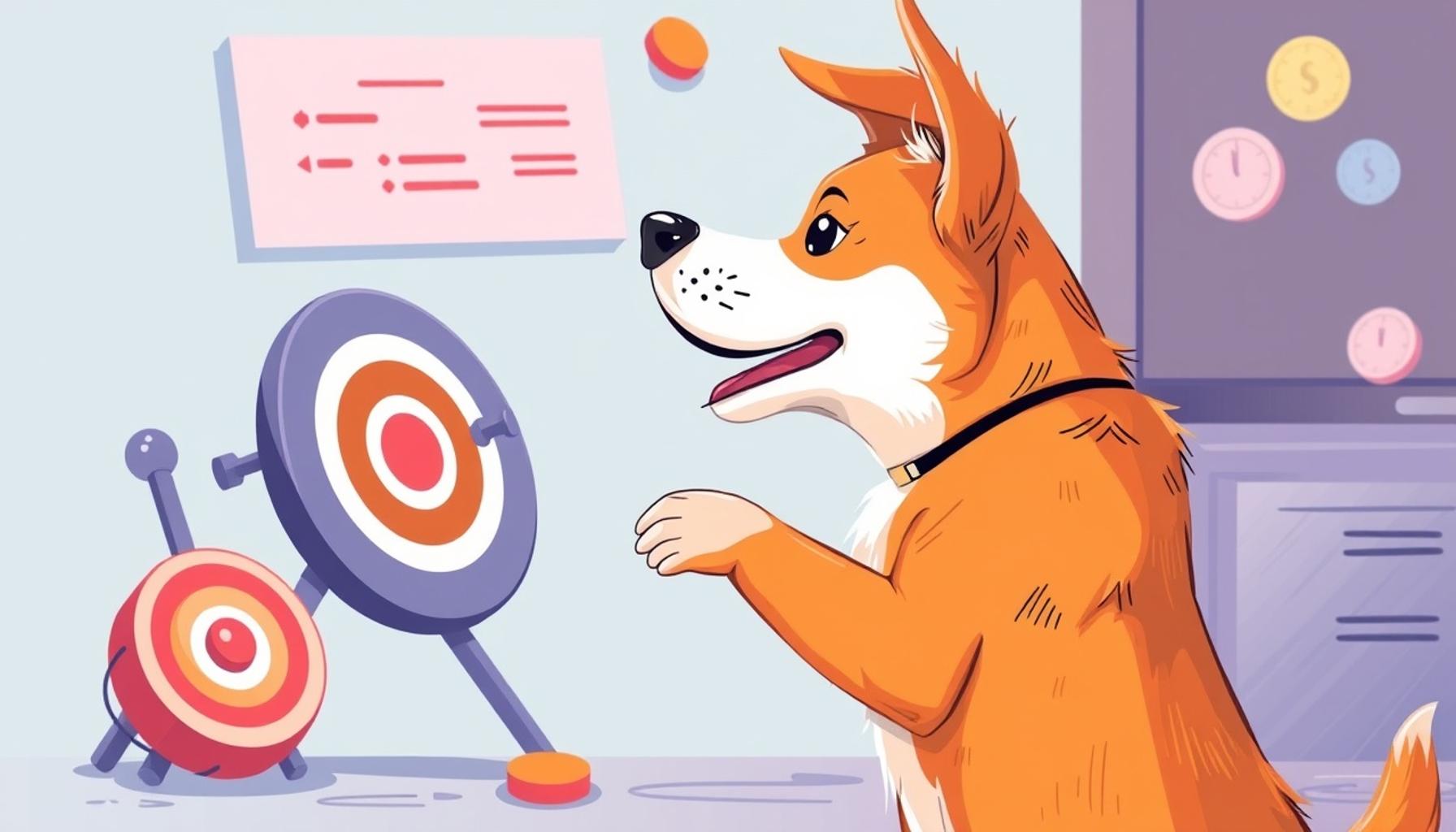
Unlocking New Tricks Through Target Training
Have you ever watched your pet perform a trick and wished for more? Target training provides an engaging method to enhance your pet’s learning experience. This technique can transform a simple interaction into a fun and rewarding session, allowing you and your furry friends to connect on a deeper level.
Whether you have a playful pup or a curious cat, target training works across various species, making it a versatile approach to behavior modification. For instance:
- Dogs: Perfect for teaching basic commands like sit and stay, target training can also lead to more complex tricks such as rolling over or fetching specific toys. Imagine your dog learning to pick up their favorite ball on command, thanks to a targeted approach!
- Cats: While they are often considered less trainable, cats can thrive in target training, learning behaviors like high-fives or jumping through hoops. Similar to dogs, motivated cats can be encouraged to participate through treats and play, leading to delightful performances.
- Birds: This method is also highly effective for birds, teaching them to step up on command, follow your finger, or even perform simple tricks like spinning in circles. Positive reinforcement plays a vital role in getting these avian companions involved.
At the heart of target training lie fundamental principles that pave the way for success:
- Positive Reinforcement: This technique involves rewarding your pet with treats, praise, or toys to encourage desired behaviors. The joy of receiving a treat creates a positive association, making it more likely your pet will repeat the action.
- Focused Attention: Target training encourages your pet to concentrate on a specific target, whether it be your hand, a stick, or a ball. This focus is crucial for building trust and understanding between pet and owner.
- Consistency: Utilizing the same commands and gestures each time is key for better understanding. This consistency helps pets to grasp what you want from them, establishing clear communication.
The benefits extend beyond skill acquisition. Not only does this method improve communication between you and your pet, but it also fosters a strong bond through fun and interaction. Engaging in target training sessions is not just productive but incredibly rewarding for both parties involved.
Ready to turn your pet into a star performer? Dive into the exciting world of target training and discover how to unlock their full potential. Whether you’re a seasoned pet owner or new to the scene, this approach offers a creative outlet to nurture your pet’s intelligence while ensuring a delightful experience for you both.
LEARN MORE: Click here to discover the benefits of species diversity for your pets
Getting Started with Target Training
To embark on your journey of target training with your pet, it’s essential to establish a well-structured plan. While the goal is to teach new tricks, the foundation lies in creating a comfortable environment where your pet can feel safe and engaged. Here’s a step-by-step guide to help you lay the groundwork effectively.
Choosing the Right Target
The first step in target training is selecting an appropriate target. This could be your hand, a stick with a colorful ball at the end, or even a specific object like a clicker. The goal is to give your pet something tangible to focus on, which can help direct their attention. Consider the following options:
- Hand Targeting: Using your hand as a target, you can teach your pet to touch your palm with their nose or paw. This method works well, especially for dogs.
- Stick Targeting: A stick with a distinct end helps pets understand the concept of a target without overwhelming them. It introduces a clear point of interaction.
- Light-Up or Noisy Targets: Some pets respond exceptionally well to targets that make noise or light up. These can create excitement and interest during training sessions.
Establishing a Training Routine
Establishing a regular training schedule is crucial in helping your pet learn effectively. Aim for short, focused sessions lasting about 5 to 10 minutes, several times a day. The key is consistency. Engaging in frequent sessions allows your pet to retain information better. Here are a few tips to keep your training routine productive:
- Pick a Quiet Space: Ensure the training environment is free from distractions, allowing your pet to concentrate on the task.
- Incorporate Rewards: Always have a supply of treats or toys on hand to reward your pet for their efforts. This builds a positive association with the target and encourages them to repeat the behavior.
- Celebrate Small Successes: Every small achievement deserves recognition. Provide praise or treats not only for completing a trick but also for showing interest in the target.
Introducing the Target
Once you have chosen a target and set up a routine, it’s time to introduce your pet to the target itself. Start by presenting the target close to them. When they show any interest—sniffing, touching, or even looking at the target—immediately reward them. This creates an association between the target and reward, reinforcing their curiosity.
As your pet begins to understand the process, gradually increase the challenge. Move the target further away, or ask them to perform a trick just before they reach the target. This escalation will keep the training sessions fresh and stimulating, encouraging your pet to learn faster.
By mastering these foundational components of target training, you set the stage for successfully teaching your pet a variety of fun and impressive tricks. Remember, the essence of training is patience and encouragement, allowing your bond to grow while unlocking the potential of your furry friend.
| Category 1 | Category 2 |
|---|---|
| Target Training Methods | Utilizes positive reinforcement for effective learning |
| Building Trust | Encourages a positive relationship between pet and trainer |
Target training is an innovative technique that allows pet owners to teach their furry friends new tricks in an engaging and efficient manner. By using a target stick or even your hand, you can guide your pet to perform specific behaviors. This method not only creates an enjoyable learning environment but also strengthens the bond you share with your pet. Through positive reinforcement, your pet learns that rewarding actions yield tasty treats or praise, making the training process more effective.Another crucial aspect of target training is that it helps to build trust between you and your pet. As they understand that following your directions leads to rewards, they become more confident and willing to explore new behaviors. This approach is particularly useful for pets that may have anxiety or fear, as it provides them with a sense of security. With each successful trick, you’ll witness your pet’s enthusiasm grow, and their desire to learn will only increase. This method opens avenues for teaching complex tricks that can be both fun and useful in everyday situations.
LEARN MORE: Click here to discover how daily routines influence pet behavior
Expanding Skills Through Target Training
Once your pet has grasped the fundamentals of target training, it’s time to expand their repertoire and introduce more complex tricks. This progression not only keeps your pet mentally stimulated but also enhances the bond you share through interactive play. Here are effective strategies to take your target training to the next level.
Encouraging Variety in Tricks
Target training is an excellent gateway to teaching a diverse array of tricks. After your pet has mastered basic target touching, you can incorporate commands and movements that add complexity. For instance, you can teach your pet to navigate through a series of targets set up in different configurations. Start with simple tasks, such as:
- Circle the Target: Place the target on the ground and guide your pet to walk around it, rewarding them for each successful turn.
- Jump to Target: If your pet enjoys jumping, encourage them to leap over a small obstacle to reach the target, reinforcing bravery and agility.
- Touch and Retrieve: Teach your pet to touch the target and subsequently bring back a specific object placed near the target, fostering problem-solving skills.
Experimenting with different tricks not only creates an engaging challenge but also helps your pet build confidence as they learn new behaviors. The key is to ensure that each new task remains fun and rewarding.
Utilizing Target Training for Behavior Modification
Interestingly, target training isn’t limited to merely teaching tricks. It can also serve as a powerful tool in addressing behavioral issues. For pets that may be anxious or overly excitable, target training can redirect their focus. For instance, if your dog tends to jump on guests, you can train them to go to a target placed at a safe distance instead. To effectively modify behavior using this method:
- Identify Triggers: Pinpoint situations that elicit unwanted behaviors. Knowing what triggers your pet’s reactions enables you to proactively intervene during training.
- Use Targeting as a Distraction: When faced with a trigger, guide your pet to a target, rewarding them for making the choice to redirect their energy.
- Consistency in Application: Apply the same techniques across different scenarios to help your pet understand the desired behavior in various contexts.
Combining target training with behavioral modification strategies not only aids in correcting undesirable actions but also reinforces positive interactions with both their environment and people.
Track Progress and Celebrate Achievements
Finally, one of the most enjoyable aspects of target training is witnessing your pet’s progress. Keeping track of achievements can be incredibly motivating for both you and your furry companion. Document skills they’ve mastered and the new ones they are working on. Regularly assessing their progress helps you identify areas for improvement and provides insight into what captures their interest the most. Consider the following:
- Maintain a Training Journal: Log each training session, noting which tricks were practiced, time spent, and your pet’s reactions. This will provide a valuable reference point and source of encouragement.
- Share Successes: Consider sharing your journey on social media, connecting with other pet owners. This community can offer support, tips, and ideas for further training.
- Cherish Milestones: Celebrate each significant achievement with a special treat or an extra play session, creating positive memories associated with the training process.
Emphasizing progress through recognition makes the training process enjoyable and rewarding, both for you and your pet. With patience, consistency, and creativity, target training can evolve into a delightful way to bond while teaching your pet new tricks and valuable life skills.
LEARN MORE: Click here for strategies on training older pets
Conclusion
Target training presents a highly effective and enriching method for pet owners looking to teach their furry companions a plethora of new tricks and important behavioral skills. By starting with the fundamental techniques of target touching, you lay the groundwork for a broad range of activities that not only stimulate your pet mentally but also strengthen the bond you share through positive reinforcement and interactive play.
As you explore more complex tricks, such as navigating obstacles and combining commands, you encourage your pet to build confidence and adaptability. Furthermore, integrating target training as a behavioral modification tool allows you to address common issues while fostering positive habits, creating a more harmonious living environment.
Monitoring your pet’s progress through a training journal helps keep the experience rewarding and fun for both of you. Celebrating achievements—whether big or small—adds joy to the learning process, reinforcing the connection between you and your pet. This combination of patience, consistency, and creativity showcases target training not merely as a method of learning but as an engaging journey that nurtures trust and understanding.
In a world where pets are often seen as family members, using techniques like target training not only enhances their skills but also invites moments of joy, laughter, and companionship. By investing time in your pet’s education, you pave the way for a well-mannered friend who is eager to participate in a multitude of adventures together. So, pick up that target and get started today—your next exciting training session awaits!


 Beatriz