
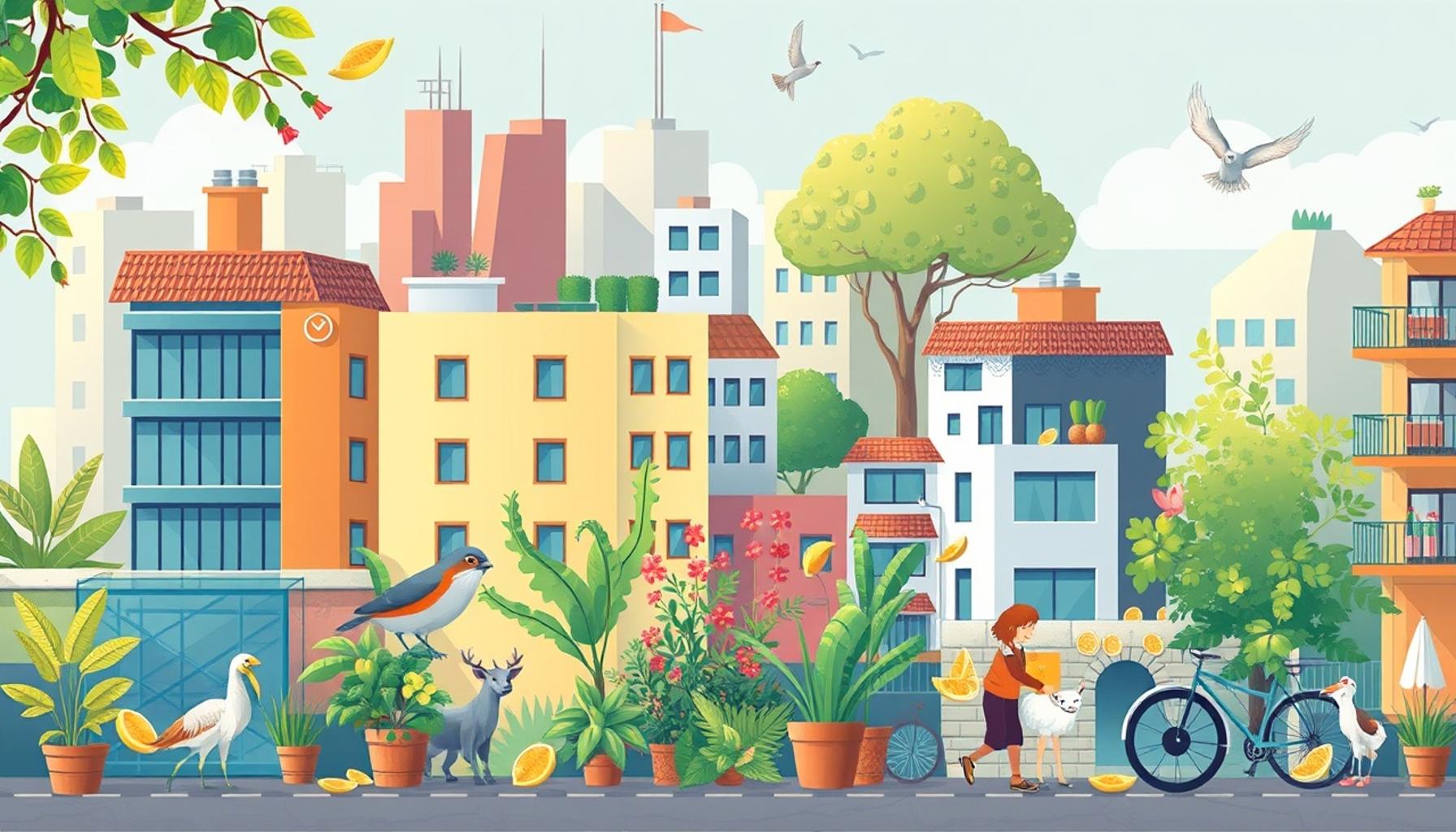
Urban Pets: Navigating the Challenges and Triumphs of City Life
Living in an urban environment poses unique challenges for pets, significantly influencing their behavior and well-being. With cityscapes characterized by bustling streets, high-rise apartments, and limited green spaces, pets must navigate a variety of stimuli and constraints that can affect their adaptability. Despite these hurdles, many species showcase remarkable resilience and ingenuity, embracing their urban surroundings in ways that often surprise their owners.
How Different Species Adapt to Urban Life
Understanding the adaptations of various pet species can inform potential pet owners about the best companions for their urban lifestyles. Here’s a closer look at how specific pets thrive in city environments:
- Dogs: In crowded cities, many dog breeds find fulfillment in daily walks and the availability of pet-friendly parks. Breeds like the French Bulldog and Cavalier King Charles Spaniel are well-suited for small living spaces and benefit from the social interactions that city parks provide. Furthermore, urban environments often have dog-friendly cafes and playgroups, creating ample opportunities for socialization—an essential aspect of a dog’s happiness.
- Cats: Cats tend to be more independent, allowing them to flourish in compact living spaces such as apartments. Their adaptability is reflected in their ability to create a sanctuary within a limited area, often turning any high perch or windowsill into a cozy retreat. Moreover, indoor enrichment tools like scratching posts, climbing shelves, and interactive toys are vital to keep feline companions engaged and prevent boredom.
- Rabbits: The charming rabbit is an excellent urban pet, requiring relatively little space and benefiting greatly from companionship. They can thrive in apartments as long as they have access to safe areas where they can hop and explore. Pairing them with a companion rabbit can enhance their social needs, creating a warm, lively environment.
- Birds: Birds, especially species like parrots and finches, can adapt to apartment living but require significant stimulation to remain happy and healthy. This includes engaging toys and regular interaction with their owners. Bird owners often set aside time each day for training sessions or playtime outside the cage to foster a bond that enhances the bird’s mental well-being.
The Importance of Understanding Pet Needs
Recognizing the unique needs of different pet species in an urban context can help pet owners make informed decisions that promote a harmonious living environment. As urban populations rise, the demand for pet companionship continues to grow. By understanding the specific requirements and behaviors of various animals, potential pet owners can choose pets that will not only adapt to their city lifestyle but thrive within it.
Additionally, exploring how these animals adjust their routines—like dogs learning to navigate busy sidewalks or cats finding creative ways to play indoors—highlights their resilience and adaptability. This deepens the bond between pets and their urban dwellers, showcasing the dynamic relationship that flourishes in the fabric of city life. Overall, this topic opens the door to fascinating insights about urban pets, illuminating their resourcefulness and the enriching experience they provide to their owners.
DISCOVER MORE: Click here to learn about balanced nutrition for your dog’s health
Urban Adaptation: How Different Pets Thrive in City Life
As cities become increasingly populated, the relationship between pets and their urban environments continues to evolve. From the noise of traffic to the limited green spaces available, different pet species exhibit distinct adaptations that enable them to navigate urban life. This adaptability not only reflects their innate behaviors but also highlights the importance of selecting the right pet species for those living in bustling metropolitan areas. Understanding how different pets adjust to these environments can greatly enhance their quality of life while fostering meaningful relationships with their owners.
The Marvelous Adaptations of Dogs
One of the most beloved urban pets, dogs come in a variety of breeds that can adapt well to city living. Small to medium-sized breeds, such as the French Bulldog and the Pug, are often ideal for apartment life. Their lower exercise requirements make them suitable for environments where outdoor space is limited. Additionally, city centers frequently provide an array of parks and dog-friendly amenities that allow for socialization and exercise. Engaging in leash walks, group playdates, and even dog yoga classes can help maintain their physical and mental health.
However, it’s not just the breed that matters; the temperament of the dog is equally crucial. Many urban dogs become accustomed to sudden loud noises, crowded sidewalks, and various distractions, showcasing their remarkable resilience. Owners who engage in positive reinforcement training often report that their dogs adapt quicker to the city’s hustle and bustle.
Cats and Their Comfortable Independence
Cat owners often appreciate the independence of their feline companions, which enables these pets to thrive in urban settings. For indoor cats, having vertical spaces to explore is vital. Cat trees, shelves, and window perches can provide cats with the stimulation needed to keep boredom at bay. While outdoor access is limited, the presence of bird feeders or nearby parks provides visual entertainment.
Moreover, cats are relatively low-maintenance, requiring minimal outdoor exercise compared to dogs. Their natural hunting instincts can be channeled through interactive toys and puzzle feeders, enabling them to engage mentally, even in confined spaces. Urban dwellers often find that their cats develop unique personalities as they adapt to the human-centric environment.
Exploring Options for Smaller Pets
Smaller pets also exhibit adaptability in urban landscapes. Rabbits, for instance, can thrive in apartments, provided they receive enough social interaction and safe spaces to play. They enjoy exploring and can often navigate their environment with agility, even within small confines. Keeping them entertained can involve natural behavior enrichment, such as chew toys and tunnels, which mimic their instinctive behaviors.
Moreover, birds, including species like parakeets and canaries, add vibrant life to urban homes. For them, stimulation means more than just the physical space; it involves mental engagement as well. Owners should invest in quality toys and set aside time each day for interactive play to ensure their feathered friends remain active and happy.
In summary, whether through structured interactions, innovative enrichment strategies, or simply adapting to a more confined living space, the adaptability of various pet species in urban environments reveals not just their resilience but also the enriching experiences they offer their human companions. Understanding these dynamics helps create an environment where both pets and owners can thrive together.
Urban environments present unique challenges for pet species, compelling them to adapt in various ways. From dogs to hamsters, the adaptability of pets in bustling city landscapes can be influenced by several factors. Below is a table highlighting the advantages of pet adaptability in urban settings, which offers a glimpse into how pets thrive in these environments.
| Category | Advantages |
|---|---|
| Socialization | Pets in urban areas are often exposed to diverse environments and social interactions, which can enhance their social skills. |
| Exercise Opportunities | Urban pets, particularly dogs, benefit from various outdoor spaces, encouraging regular exercise and physical activity. |
| Variety of Activities | City life offers unique experiences and activities, keeping pets engaged and mentally stimulated. |
Urban settings can foster remarkable adaptability among different pet species. Dogs become accustomed to bustling sidewalks, commotion from traffic, and interactions with other dogs. Cats, too, learn to navigate small spaces while finding cozy spots atop high shelves. Small mammals, like guinea pigs, can thrive with distinctive urban habitats, showing how varied environments can be enriching. Understanding more about how pets adapt can help owners make better choices regarding the care and stimulation of their beloved companions in an urban setting. Each species brings its own strengths and weaknesses, thus leading to fascinating dynamics regarding their adaptability and integration into city life. Exploring these traits further can illuminate how we better accommodate and celebrate our pets in urban landscapes.
DIVE DEEPER: Click here to learn more
Adapting to Life Inside: The Appeal of Unique Pets
Beyond the conventional dogs and cats, exotic pets are gaining popularity among urban dwellers seeking companionship, as well as a touch of the extraordinary within the confines of their apartments. Animals such as ferrets, hedgehogs, and even reptiles like geckos and snakes are surprisingly suited for city life due to their compact size and unique care requirements.
Ferrets: Playful Explorers of the Urban Jungle
The ferret is often overlooked but has become a distinctive urban pet choice. Recognized for their playful and curious nature, ferrets can live comfortably in smaller spaces, provided they receive adequate stimulation and interaction. These social creatures thrive on play and can be taught tricks, keeping city life engaging for both pet and owner alike. Owners must ensure that their homes are ferret-proofed, removing potential hazards and providing tunnels and toys to satisfy their natural instincts.
Additionally, ferrets do require some outdoor time, but this can often be creatively managed through safe outdoor enclosures or harness walks, allowing them to enjoy the sun without the risks associated with urban wildlife.
The Rise of Hedgehogs as Indoor Pets
In recent years, urban residents have also embraced the hedgehog as a novel indoor companion. These small nocturnal mammals are generally quiet and require minimal space, making them well-suited to apartment living. Hedgehogs thrive in a clean, warm environment, and they enjoy exploring their cages—offering a chance for interactive play during the evening hours when they are most active.
For prospective owners, it’s important to note that hedgehogs need a specialized diet and low humidity levels, making it crucial to conduct thorough research prior to adopting one. Understanding their needs and recognizing that they are solitary creatures will ensure a healthier and more enjoyable experience for both pet and owner.
Expanding Horizons with Reptiles
The world of reptiles presents an intriguing option for the urban pet owner. Species such as leopard geckos and ball pythons are not just captivating but can adapt well to indoor living conditions with proper habitat setups. These cold-blooded pets typically require a carefully controlled environment with regulated temperatures and humidity—a challenge that can be overcome with modern heating and lighting solutions.
Reptiles tend to make minimal noise and demand less interaction compared to their furry counterparts. This quality can be especially attractive to busy urbanites or those living in quieter spaces. Moreover, they can socialize with their owners through simple handling, creating moments of bonding without the high-energy demands of traditional pets.
While the thought of adopting an exotic pet may seem unconventional, the increasing availability of information on proper care and legal regulations supports this trend. Understanding local laws concerning exotic pets is essential before making a commitment. Ensuring that they originate from reputable sources also protects against the potential risks of overpopulation or the illegal pet trade.
Through the diverse adaptations of various pet species, it becomes evident that urban living can support a rich array of animal companions. From the energy of playful ferrets to the gentle nature of hedgehogs and the quiet charm of reptiles, urban residents have many options to choose from as they navigate pet ownership in bustling environments.
DON’T MISS: Click here to discover the benefits of clicker training for your cat
Conclusion: Embracing the Diversity of Urban Companions
The exploration of urban pet ownership reveals a fascinating spectrum of species, each uniquely adaptable to city life. While traditional pets like dogs and cats remain beloved for their companionship, the rise of exotic pets such as ferrets, hedgehogs, and reptiles showcases a broader appreciation for diverse animal companions. These species not only thrive in smaller living spaces but also offer unique experiences in pet ownership that cater to various lifestyles.
As urban dwellers seek connection in bustling cityscapes, the decision to adopt less conventional pets can foster a more enriching relationship with wildlife. By understanding the specific needs of these animals—ranging from diet to environmental requirements—owners can create nurturing habitats that allow their pets to flourish. Furthermore, consideration of local regulations and ethical sourcing adds layers of responsibility that highlight the importance of informed decision-making when welcoming a new companion.
In conclusion, the adaptability of different pet species in urban environments exemplifies the potential for mutual enrichment between people and animals. As residents continue to innovate ways to coexist with nature, the invitation to explore unique pet options opens a door to a much deeper understanding of the bonds we can form with all creatures. Whether you prefer the playful antics of a ferret, the quiet charm of a hedgehog, or the mystique of a reptile, there is no shortage of opportunities for companionship that invigorates urban living, ultimately leading to a more vibrant city ecosystem.


 Beatriz