
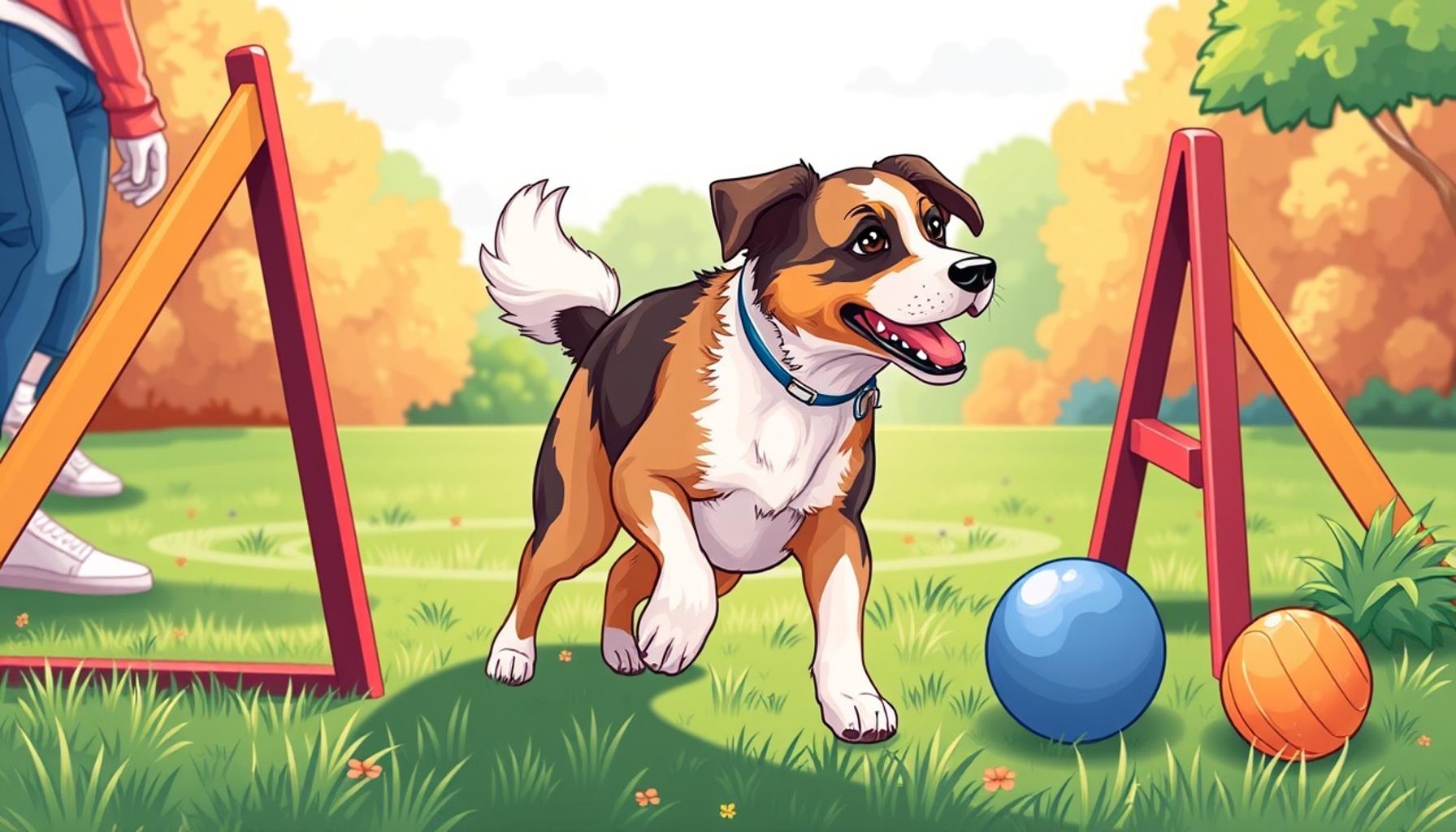
Unlocking Your Dog’s Potential
Whether your furry friend is a feisty puppy or a seasoned canine companion, agility training can be a game-changer. This exciting activity not only boosts physical fitness but also enhances mental sharpness. A well-rounded regimen of agility can unlock a new level of happiness for your dog.
What is Agility Training?
Agility training involves guiding your dog through a series of obstacles, fostering both teamwork and skill. This dynamic pursuit benefits dogs by:
- Improving Physical Fitness: Jumping, weaving, and running are excellent ways to enhance endurance. For instance, using tunnels, jumps, and weave poles encourages your dog to leap and dash, mimicking the actions they instinctively take during play or in more natural settings.
- Boosting Mental Stimulation: Navigating courses challenges your dog’s problem-solving abilities. By integrating varied obstacles and routines, you keep your dog mentally alert, much like how humans benefit from puzzles and games.
- Strengthening the Bond: Working together fosters trust and communication between you and your pet. During training, your dog learns to interpret cues from you, while you gain insights into their strengths and preferences, deepening your connection.
Why It Matters
Physical health is essential for your dog’s longevity. However, mental stimulation is equally crucial, preventing behavioral issues and promoting overall well-being. Incorporating agility training can lead to:
- Reduced Anxiety: Engaging activities decrease stress and promote relaxation. A dog that expends energy through structured activities is less likely to engage in destructive behaviors, such as chewing furniture or barking excessively.
- Enhanced Focus: Training improves concentration and obedience. As your dog learns to navigate courses, they develop better listening skills and responsiveness to your commands, reinforcing good manners both at home and in public.
- Socialization Opportunities: Classes expose dogs to various environments and peers. Participating in agility classes or competitions introduces your dog to new sights, sounds, and fellow canine companions, fostering social skills that are vital for their development.
By utilizing agility training, you can create a fulfilling routine that prioritizes both your dog’s physical and mental health. Whether seeking a fun weekend activity, competitive outlet, or a new bonding experience, agility training offers a comprehensive approach. Dive deeper into this spirited world and discover how it can transform your dog’s life into one filled with excitement and joy. It’s never too late to start, so grab that leash, and let the adventure begin!
DISCOVER MORE: Click here to learn about the benefits of socialization for your pets
The Components of Effective Agility Training
To truly unlock your dog’s potential through agility training, it is crucial to understand the core components that make up a well-rounded program. The beauty of agility training lies in its flexibility and adaptability to suit any dog’s unique needs and abilities. By tailoring the training to focus on various skills and attributes, you can create a comprehensive experience that promotes both physical and mental health.
Key Elements to Consider
When embarking on an agility training journey, it’s important to consider the following elements:
- Obstacle Variety: Incorporating a diverse range of obstacles keeps training sessions exciting. Common agility obstacles include jumps, tunnels, weave poles, and see-saws. Each type challenges different physical skills, from balance and coordination to speed and strength.
- Positive Reinforcement: Utilizing treats, praise, or toys as rewards is vital. A dog is more likely to engage in training when they associate it with positive outcomes. Celebrating small achievements keeps your dog motivated and eager to learn.
- Short Training Sessions: The attention span of dogs can vary significantly, so keeping sessions short—typically between 10 to 20 minutes—will ensure that training remains fun and prevents burnout. Gradually increasing the complexity of the tasks as your dog becomes more skilled can enhance progress.
- Use of Handler Cues: As your dog learns to navigate through courses, the use of verbal commands and body language becomes essential. Consistent cues facilitate communication and help your dog respond effectively. This not only aids in mastering agility tasks but also enhances overall obedience.
- Physical Warm-Ups and Cool-Downs: Just like humans, dogs need a proper warm-up and cool-down routine to avoid injury. Engaging in light exercises, such as walking or gentle stretches before and after your training sessions, is crucial to ensure your dog remains healthy and ready for the challenges ahead.
Training regimens that incorporate these elements can make significant strides in developing your dog’s agility skills while also enhancing their physical capabilities. You may notice improvements in their muscle tone and stamina, leading to an overall healthier lifestyle.
The Community Aspect of Agility Training
A remarkable aspect of agility training is the sense of community that often surrounds it. Many local dog clubs and organizations offer agility classes, competitions, and workshops, not only for individual skill enhancement but also for creating lasting friendships among dog owners. Engaging with others who share your passion for dog training can inspire you and help you learn best practices from experienced trainers and fellow participants.
Your dog will also benefit from socializing with peers in a safe environment, developing valuable skills that translate well beyond the agility courses. By embracing the community aspect, you enhance both your and your dog’s experience, promoting well-being and deepening your bond.
As you delve deeper into agility training, you’ll uncover a world of opportunities to enhance your dog’s physical and mental health. In the next sections, we will explore specific training techniques and resources that will guide you on this fulfilling journey.
| Advantage | Details |
|---|---|
| Improved Physical Fitness | Agility training promotes cardiovascular health and strengthens muscles through dynamic activities. |
| Mental Stimulation | Engaging in problem-solving tasks helps keep dogs mentally sharp and reduces anxiety, creating a well-rounded pet. |
| Enhanced Bonding | Training sessions provide an excellent opportunity for owners and dogs to connect, strengthening their relationship. |
| Behavioral Improvements | Regular agility activities can help curb unwanted behaviors by channeling energy into constructive challenges. |
Utilizing agility training not only creates a fun and engaging way to keep dogs physically active but also significantly enhances their mental health. The process cultivates a sense of accomplishment in dogs, making it an invaluable part of their overall well-being regimen. Moreover, the collaborative nature of agility courses often leads to remarkable transformations in both behavior and confidence, resulting in happier, healthier dogs. As you explore the nuances of this training methodology, you may uncover numerous strategies to bolster your canine companion’s health and happiness.
DON’T MISS: Click here for delicious homemade treats
Techniques and Strategies for Effective Training
While the components of agility training lay the foundation, implementing specific techniques and strategies can elevate your dog’s learning experience and maximize the benefits that this dynamic sport offers. Understanding these methods will allow you to navigate the training process more effectively, ensuring both you and your dog enjoy the journey toward improved physical and mental health.
Building a Solid Foundation
Every successful agility training program begins with a solid foundation. Start by introducing your dog to basic commands such as “sit,” “stay,” and “come.” These basic commands will not only assist in agility training but also boost your dog’s confidence and understanding of your expectations. Low-stakes environment training is also essential; practice in a quiet area before progressing to more distracting settings.
Progressive Skill Development
Utilize a step-by-step approach to teach your dog how to interact with obstacles. For instance, when introducing jumps, begin with very low heights and gradually increase the difficulty as your dog becomes more confident and skilled. This graduated skill development keeps your dog engaged without overwhelming them, promoting a sense of accomplishment with each new challenge.
Incorporate Play into Training
To maintain enthusiasm and interest, infuse elements of play within your agility sessions. Use games such as fetch combined with agility tasks. For example, throw a toy just after your dog completes a jump or navigates through a tunnel. This not only reinforces the behaviors you want but also strengthens the bond between you and your dog.
Mental Challenges and Problem Solving
Agility training is not just about physical prowess; it’s also an excellent way to stimulate your dog’s mind. Incorporate various training methods that require critical thinking. For instance, teach your dog to find the quickest route between obstacles or to perform specific tasks in a certain order. These mental challenges stimulate cognitive functions, promote decision-making skills, and help prevent boredom, which can often lead to behavioral issues.
Regular Assessment and Adaptation
Consistently assess your dog’s progress and be willing to adapt your training techniques. Keeping a training journal that tracks your dog’s achievements, setbacks, and areas that need further work can provide valuable insights. Additionally, acknowledging when a particular approach isn’t resonating with your dog allows for timely adjustments, facilitating a more personalized training experience.
Engaging with Professional Trainers
Consider the benefits of collaborating with a professional agility trainer, especially if you’re new to the sport. Professional trainers can offer tailored advice based on your dog’s unique abilities and challenges, ensuring a more focused approach to your training. Workshops and seminars hosted by experienced trainers are also valuable opportunities to gain hands-on experience and learn new techniques that can further enrich your training regimen.
As you implement these techniques and strategies, remember that the ultimate goal is to create a rewarding experience for both you and your dog. With consistent practice, patience, and engagement, you can effectively utilize agility training as a powerful tool for enhancing your dog’s physical and mental well-being while establishing a deeper bond together.
DISCOVER MORE: Click here for expert skin and coat care tips
Conclusion: The Incredible Benefits of Agility Training
Incorporating agility training into your dog’s routine can significantly enrich their physical and mental health. Beyond simply navigating obstacles, agility training fosters a strong bond between you and your furry companion, providing a shared experience that deepens your understanding of one another. Through building a strong foundation, employing progressive skill development, and incorporating play, you create an engaging environment where your dog can thrive.
The mental challenges offered by agility training are equally essential, as they contribute to enhanced cognitive function and prevent boredom-induced behavioral problems. Regular assessments and adapting training techniques ensure that your pup receives the best learning experience tailored to their needs. Collaborating with professional trainers can further enhance your approach, offering insights and techniques that are invaluable to your training regimen.
As you embark on this exciting journey, consider agility training not just as a method for improving your dog’s athleticism but as a comprehensive program for their overall harmony and joy. The positive effects – from physical fitness to mental stimulation – create a happier, healthier, and more balanced canine companion. So gear up for some fun, and witness how agility training can unveil an incredible transformation in your dog’s life while enriching your own. The adventure awaits you both!


 Beatriz