
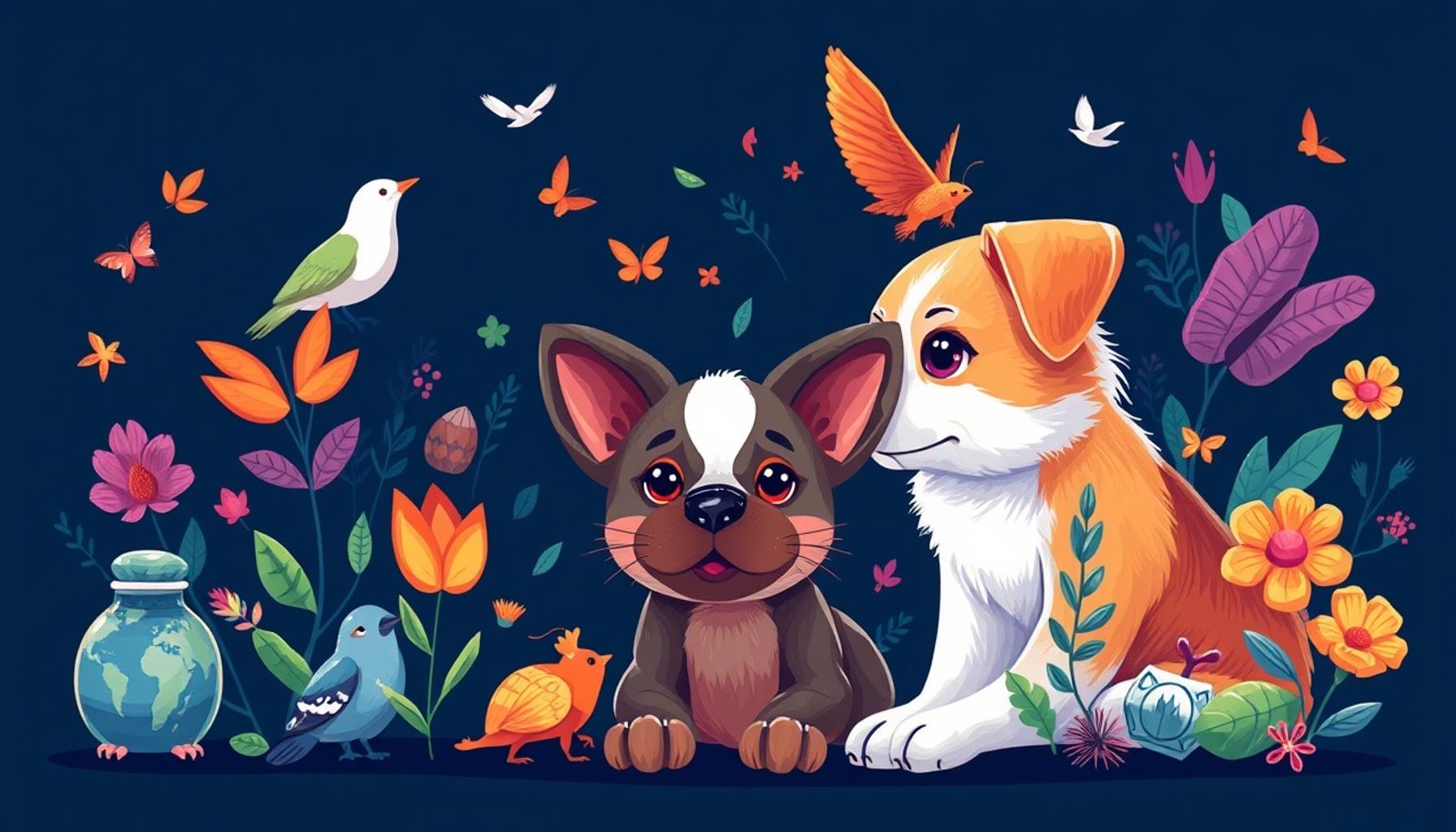
Understanding the Importance of Species Diversity
In pet ownership, species diversity is crucial for creating a vibrant and enriching environment. Just like humans benefit from a diverse ecosystem, our pets thrive when they interact with various species. This exposure fosters mental and physical stimulation that enhances their daily living experiences, leads to better overall health, and improves their sociability.
What Makes a Stimulating Environment?
A well-rounded environment consists of several essential elements that maximize a pet’s interaction with their surroundings:
- Variety of Interactions: Different species offer distinct social opportunities. For example, a dog may learn about play dynamics from a cat, while a rabbit’s timid nature can teach a bold dog to be gentle. The interplay of various species exposes pets to different manners of communication, enriching their behavioral repertoire.
- Dynamic Ecosystem: A rich mix of flora and fauna can tap into pets’ natural instincts. Imagine a backyard filled with native plants attracting local butterflies and birds, prompting a pet to explore their world in a more thoughtful and engaged manner.
- Enhanced Mental Stimulation: Exposure to diverse species nurtures cognitive growth. For example, dogs and cats often exhibit fewer destructive behaviors when they can occupy themselves with the chatter of birds or the rustling of small mammals, redirecting their energy into safe exploratory behaviors.
For pet owners across the United States, integrating a variety of species—such as birds, reptiles, and even small rodents—can significantly enhance home or garden environments. Picture a curious cat engaging in playful antics alongside a ferret or a dog delightedly chasing butterflies. The interactions between these species not only provide entertainment but also create a mini-ecosystem that enriches their lives.
Benefits Beyond Play
The positive effects of species diversity extend well beyond mere amusement. Here are some significant advantages:
- Reduced Stress Levels: Studies have shown that interacting with a variety of species can alleviate anxiety. A dog that plays with birds or watches fish in an aquarium can experience calmer behavior and less frustration. This soothing effect is vital, especially for pets that may face separation anxiety when their owners are away.
- Physical Health: A lively and diverse environment encourages pets to be more active. For instance, a garden space with various species can prompt a dog to run, sniff, and engage in physical exploration, which is important for preventing obesity-related health issues.
- Social Skills Development: Animals learn essential social cues from interacting with different species. One pet might become more patient and understanding through interaction with a quieter animal, leading to improved behavior overall. For example, a dog exposed to gentle rabbits can learn to be more restrained and less boisterous.
In this exploration of species diversity, we will delve deeper into how the enrichment of environments fosters not only stimulation but also the well-being of our cherished pets. As pet owners seek to create an atmosphere that supports their furry friends, understanding and embracing the principles of species diversity will undoubtedly lead to happier, healthier lives for all. The adventure awaits those who embrace the beauty of a richly populated ecosystem within their homes!
DIVE DEEPER: Click here to learn how to adjust your pet’s diet
Creating a Rich Tapestry of Interactions
When it comes to fostering a stimulating environment for pets, incorporating species diversity plays an instrumental role in shaping their behaviors and experiences. The amalgamation of various species in a pet’s surroundings not only provides visual and sensory stimuli but also nurtures a holistic environment where pets can learn and thrive. Understanding how these diverse species can promote a healthy habitat is fundamental for any pet owner.
The Power of Social Learning
One of the most compelling advantages of a multi-species environment is social learning. Pets are inherently curious creatures, and the chance to observe and interact with different species can significantly enhance their social skills. For instance, a playful dog that cohabitates with a rabbit learns different modes of interaction. The dog may observe the rabbit’s caution and adapt its playfulness accordingly, leading to improved impulse control. Similarly, cats can learn to navigate social cues better through interactions with slower-paced pets like tortoises or guinea pigs.
The following are key aspects of how social learning manifests in diverse environments:
- Adaptation to Different Communication Styles: Different species exhibit unique ways of interaction, from vocalizations to body language. Exposure to these varied styles helps pets develop a versatile understanding of communication.
- Emotional Regulation: Pets learn to read emotional cues from one another. A dog spending time with a calm, patient animal like a cat may inspire the dog to modulate its energy levels when around more timid creatures.
- Conflict Resolution Skills: With the presence of multiple species, pets are likely to encounter social scenarios that allow them to negotiate and resolve disagreements, ultimately refining their social competence.
Nurturing Instincts Through Exploration
Species diversity also facilitates an environment where instinctual behaviors can flourish. For many pets, from cats to dogs, exposure to a variety of stimuli—from running after a feathered friend to chasing after the rustle of leaves—can evoke natural hunting behaviors. This level of engagement and exploration is not only stimulating but essential for mental well-being. Dogs that regularly interact with free-roaming chickens in a backyard, for example, often enjoy hours of chasing and playing, which simulates their primal instincts in a safe space.
Pet owners can further enrich their pets’ experiences by ensuring their environment mimics a natural habitat. This can be achieved through:
- Plant Varieties: Including a variety of native and non-toxic plants that attract local fauna can create an interactive learning space for pets as they explore their surroundings.
- Climbing Structures: Providing opportunities for pets, like ferrets and cats, to climb and navigate includes physical challenges that keep them engaged and active.
- Water Features: Introducing small ponds or fountains can engage species such as fish and visiting birds, sparking the curiosity of dogs and cats nearby.
In summary, the integration of species diversity into a pet’s environment lays the groundwork for a rich tapestry of experiences that significantly enhances their well-being. Embracing the interplay of various species not only encourages playful interaction but also equips pets with invaluable skills that contribute to their overall development. A stimulating environment goes beyond mere entertainment; it invites exploration, learning, and growth, ensuring that pets lead fulfilling lives. The journey towards creating such a diverse ecosystem is a rewarding endeavor for any pet owner looking to enhance their beloved companion’s quality of life.
The Role of Species Diversity in Creating Stimulating Environments for Pets
When considering the well-being of our pets, the concept of species diversity plays a pivotal role. It not only enriches their immediate surroundings but also enhances their overall mental and physical health. Different species bring in unique experiences and stimuli, thereby promoting engagement and activity. For example, dogs can greatly benefit from living with cats or birds as they adapt to various behaviors and interact in playful ways. This interaction fosters a lively atmosphere, showcasing the importance of diverse species in a shared habitat.
Moreover, environments that incorporate diverse species are known to create stimulating sensory experiences. Pets can learn to navigate and interact with different sounds, movements, and scents, all of which contribute to their cognitive development. Notably, research has shown that pets exposed to various species tend to exhibit less behavioral problems and anxiety, highlighting how a multispecies environment can serve as a natural remedy to common challenges encountered in pet ownership.
| Benefits of Species Diversity | Aspects of Pet Environments |
|---|---|
| Enhanced Socialization | Encourages interaction with multiple species improving adaptability. |
| Reduced Anxiety | Diverse environments provide stimulation that keeps pets engaged and calm. |
In cultivating a home filled with species diversity, pet owners can unlock an array of enriching experiences that contribute significantly to the happiness and fulfillment of their furry companions. This variety not only breaks the monotony of daily life for pets but also promotes natural behaviors that are often suppressed in isolated settings. Exploring the significance of species diversity may lead to creative and enriching ways to enhance your pet’s environment.
DISCOVER MORE: Click here to learn effective socialization techniques for your puppy
Encouraging Physical and Mental Engagement
A diverse range of species can not only enhance social interactions but also drive physical and mental engagement in pets. When pets are surrounded by various animals, they are more likely to engage in playful activities that challenge their instincts and foster their overall health. Pets thrive in dynamic settings where they can partake in activities that simulate natural behaviors, promoting their emotional wellness and physical fitness.
Promoting Exercise through Play
One significant benefit of species diversity is increased opportunities for play and exercise. Environments that include a mix of animals create opportunities for pets to engage in accessible physical activities that they may not experience otherwise. For example, a dog sharing space with agile cats can encourage the dog to run, jump, and engage in games of chase, while the cats exhibit their own playful antics. This interaction can keep both species active, encouraging a healthy lifestyle.
Here are a few ways to promote exercise through species diversity:
- Interactive Toys: Collaborative play can be encouraged through shared toys, such as balls that dogs can carry while cats playfully swat them around. This promotes teamwork and physical activity.
- Obstacle Courses: Creating diverse obstacle courses that cater to different pets encourages exploration and exercise. Dogs, cats, and even rabbits can all navigate a well-planned course designed with their various capabilities in mind.
- Group Playdates: Scheduling playdates with pets of different species allows them to exert energy in creative ways. For instance, a dog benefiting from the spirited play of a fellow canine can also enjoy the calmer nature of a cat or rabbit during quieter moments.
Enhancing Cognitive Skills through Problem-Solving
Species diversity also acts as a catalyst for developing cognitive skills in pets. As pets navigate interactions with different species, they encounter new challenges and problem-solving situations. For instance, dogs alongside clever ferrets may need to think strategically to outsmart their smaller friends during games, such as hide-and-seek. These mental challenges keep pets engaged and stimulate their cognitive functions.
Incorporating different species can lead to cognitive enrichment through:
- Varied Stimuli: Exposure to the sounds and movements of different species creates a rich auditory and visual environment, promoting sharpened senses and mental agility.
- Exploratory Behavior: Each species has unique habits and behaviors. For example, a dog may learn to forage like a rabbit, digging and sniffing around for hidden treats, thus sharpening its natural instincts while engaging in play.
- Stimulating Challenges: Introducing puzzles and activities that require cooperation among various species can also enhance problem-solving skills. For example, a cooperative game involving a dog retrieving a toy that a cat or rabbit is nudging can foster teamwork and promote cognitive prowess.
Integrating a variety of species into a pet’s environment offers a kaleidoscope of benefits that cater to both physical health and mental stimulation. As these diverse ecosystems thrive, pets are provided with the building blocks of a fulfilling life, ultimately enhancing their emotional health and overall happiness. Embracing this idea can empower pet owners to curate an enriching atmosphere that prioritizes the well-being of their beloved companions.
DISCOVER MORE: Click here to learn about the coexistence of different species in homes</p
Conclusion
In summary, species diversity plays a significant role in cultivating stimulating environments for pets, unlocking a myriad of benefits for their emotional and physical well-being. By providing a tapestry of interactions among various animals, pet owners can enhance not only the social skills of their companions but also encourage essential physical activities and cognitive development.
The potential for exercise through playful interactions with different species, as well as the enrichment of cognitive skills through problem-solving challenges, showcases the profound impact of a diversified environment. The synergy created among pets fosters a dynamic atmosphere where every animal can thrive, stimulating their natural instincts and enhancing their quality of life.
As pet owners, embracing the concept of species diversity can be transformative. Whether through organized meet-ups, interactive toys, or thoughtfully designed play areas, integrating various species into a pet’s life is not just about companionship; it is about enriching their environment to reflect a lively and engaging world. As a reflection of nature’s balance, a diverse pet ecosystem ensures that each animal learns, grows, and interacts in ways that bring out their best selves.
Considering the myriad benefits of fostering diverse habitats for pets invites deeper exploration into the frameworks of how we care for them. Pet owners are encouraged to explore new ideas and practices while embracing the vibrant interactions that different species bring. This journey toward creating a more enriching atmosphere for our pets can ultimately lead to a more rewarding relationship, filled with joy, vitality, and companionship.


 Beatriz