
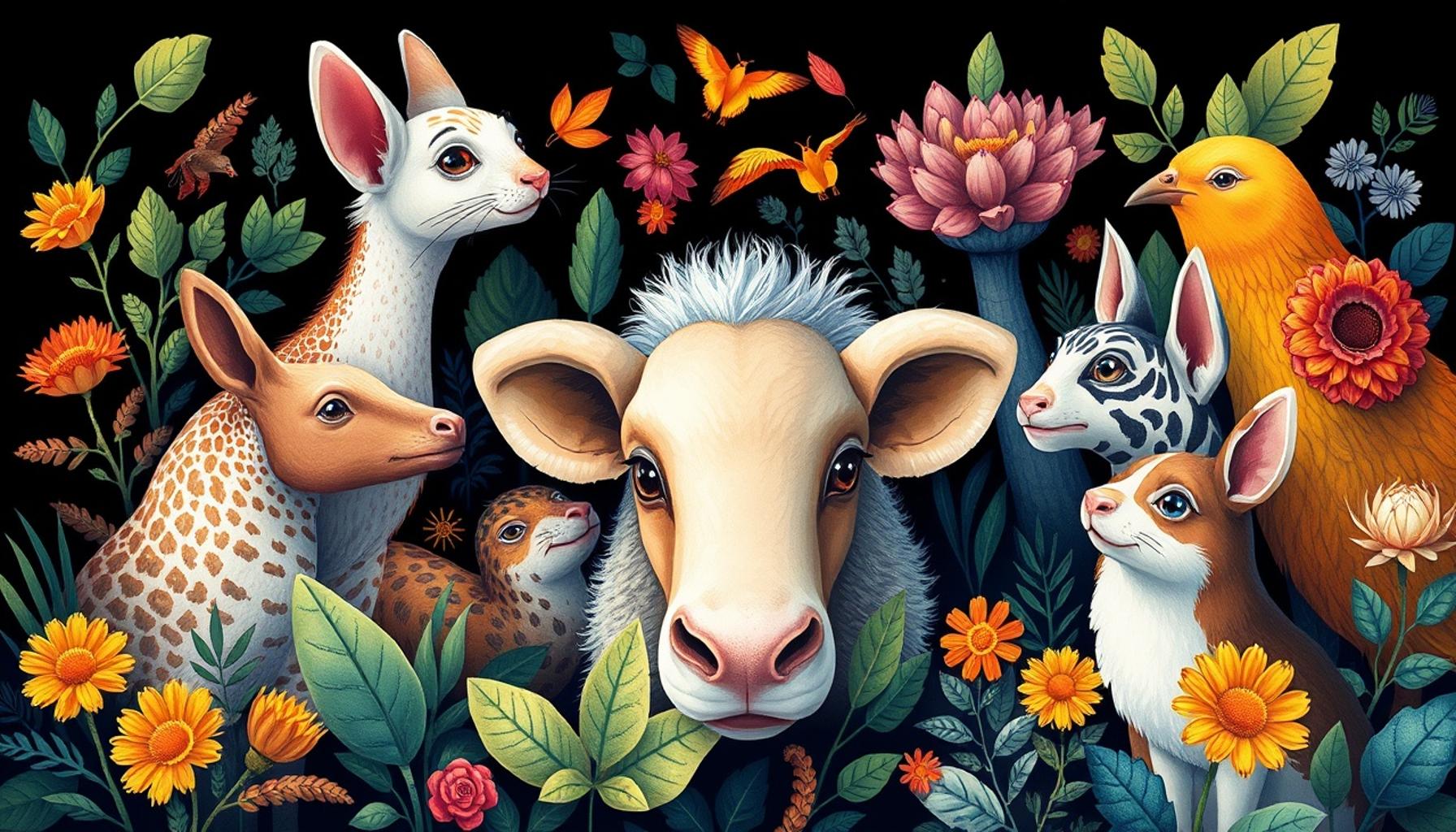
Exploring the Significance of Species Diversity in Pet Ownership
Pet ownership in the United States has reached an all-time high, with approximately 70% of households welcoming at least one furry, feathered, or scaly companion. Interestingly, the phenomenon of species diversity—the coexistence of different types of pets within a single home—has garnered attention for its potential benefits on animal mental health. Recent research indicates that homes with varied species can enhance the well-being of their pets, highlighting the importance of understanding these interspecies relationships.
Key Benefits of Diverse Species Interaction
- Social Stimulation: Different species provide unique interactions and social cues. For example, a lively dog may encourage a more reserved cat to engage in playful behavior, leading to increased physical and mental activity. This interaction can create a rich social environment where animals learn from each other, potentially improving their social skills and reducing feelings of isolation.
- Behavioral Enrichment: Species diversity can lead to a unique array of activities that break the monotony of daily routines. For instance, a rabbit might hop around and stimulate curiosity in a dog, while a parakeet’s singing could stimulate joy and engagement. Such interactions can effectively alleviate boredom and lower stress levels, fostering an environment where pets are continually mentally stimulated.
- Emotional Support: The presence of multiple species can provide a layered support system that helps to ease anxiety. An example of this dynamic might be a senior dog finding comfort in the energetic antics of a kitten. This emotional connection can promote a sense of security and belonging, crucial for the psychological health of any pet.
For pet owners, recognizing the psychological interactions among various species is key to cultivating a fulfilling environment. For example, homes comprising both dogs and cats can create a balanced ecosystem of interaction, combining playfulness with companionship. This merger often leads to an enriched atmosphere that encourages happy and healthy pets. Yet, it’s important to acknowledge that not all species are compatible. Mismatches can result in conflict, leading to stress or anxiety for the involved animals.
The Call for Further Exploration
This intriguing connection between species diversity and mental well-being raises essential questions worth exploring. Are specific combinations of pets more advantageous than others? For example, can the pairing of small mammals like hamsters with larger animals contribute to mutual enrichment? Understanding how to foster a healthy environment is vital for maximizing the mental health benefits for all pets. These questions invite further exploration into the complex dynamics of interspecies relationships and their broader implications for mental health.
In summary, as we become increasingly aware of the intricate relationships our pets share with one another, it is clear that a diverse species household can significantly enhance not just the lives of our animals but also the quality of companionship they provide to us as pet owners. With ongoing research, we can uncover deeper insights into how to nurture these relationships for the best possible outcomes.
DISCOVER MORE: Click here to learn about how species diversity impacts your pet’s routine</a
Understanding the Impact of Species Diversity on Pet Behavior
As pet owners delve deeper into the world of species diversity, it becomes evident that the interactions among various types of pets can significantly influence their mental health. The relationships formed in a multi-species household often provide stimulation, reduce anxiety, and foster behavioral growth. Numerous studies suggest that the coexistence of different species may not only create an enriching environment for pets but also enhance the quality of life for both animals and humans within the home.
The Role of Species-Specific Behaviors
One of the remarkable aspects of owning multiple pet species is their diverse behavioral characteristics. Each species brings its own set of instincts and communication methods, allowing for unique interactions that can promote psychological well-being. For example, dogs are known for their social nature, often seeking out companionship and play, while more solitary animals like cats may offer a calming presence. When these two species coexist, dogs can yield a sense of companionship for cats, while cats can offer a serene counterbalance to the lively demeanor of dogs.
- Canine Energy: Dogs are generally more active and social animals that thrive on interaction, which can encourage less active pets, such as turtles or guinea pigs, to engage more with their environment.
- Feline Solitude: Cats often possess an independent streak, which can contribute positively to a dog’s playful antics by providing a challenge and stimulating curiosity.
- Birdsong and Calm: The tranquil songs of birds, such as canaries or finches, can create a soothing environment that reduces stress levels among more anxious pets, promoting relaxation and peace in the household.
These inherent behaviors not only foster a lively ecosystem within the home but also encourage pets to develop social skills, a critical factor in minimizing instances of anxiety and aggression. The psychological benefits of learning to navigate interspecies dynamics can therefore emerge as a pivotal component in achieving a harmonious household and improving individual pet mental health.
Dynamic Interactions and Mental Health Outcomes
Pet owners may be surprised to learn that some of the most beneficial aspects of species diversity stem from unexpected interactions. A thriving multi-species household can create a consistent environment of social learning—an opportunity for pets to observe and mimic behaviors from one another. For instance, a curious cat may observe how its dog companion interacts with humans, leading to improved social skills and confidence during human interactions.
This exchange of knowledge can result in a range of positive mental health outcomes. Pets in environments with rich species diversity often demonstrate:
- Decreased Signs of Anxiety: With multiple companions, pets may feel more secure, reducing separation anxiety and related behavioral issues.
- Enhanced Cognitive Abilities: Cross-species interactions can stimulate mental activity and improve problem-solving skills, which is vital for pets’ cognitive development.
- Improved Socialization Skills: Species-diverse environments offer unique social scenarios that allow pets to interact in ways they may not typically encounter, boosting their adaptability and friendliness.
In summary, understanding how species diversity influences mental health invites pet owners to explore the benefits of a mixed-species household. It is essential to assess not just the physical but also the emotional companionship provided by a variety of pets, leading to healthier and happier lives for both pets and their humans.
| Category | Description |
|---|---|
| Behavioral Benefits | Diverse companionship fosters better social behaviors and reduces anxiety. |
| Mental Stimulation | Exposure to various species can enhance cognitive function and adaptability. |
| Emotional Security | Mixed species environments can create a sense of community, promoting emotional well-being. |
| Reduced Loneliness | Having various pets can decrease feelings of isolation and loneliness in animals. |
Research shows that species diversity in pets significantly influences their mental health. Through interactions with other species, pets can express and experience a wider range of social behaviors. For instance, a dog may learn to be more sociable and less anxious when living with a cat, and vice versa. Moreover, the mental stimulation provided by different species can enhance pets’ cognitive abilities. Animals in multi-species households tend to develop sharper problem-solving skills and adaptability. This can be vital for emotional security, as the diverse social interactions create a supportive environment that nurtures mental health.The presence of various types of pets can also foster a greater sense of belonging, reducing feelings of loneliness among animals. Such dynamics underline the importance of promoting species diversity, not just for their behavioral benefits, but as a crucial element for a pet’s overall well-being. Potential pet owners and caretakers should consider this aspect when creating living environments for their beloved animals, ensuring that they thrive mentally and emotionally.
DIVE DEEPER: Click here to discover effective clicker training techniques
Encouraging Healthy Interactions Through Structured Environments
While the natural tendencies and instincts of different species set the stage for beneficial interactions, the structure of the environment in which they coexist also plays a significant role in shaping mental health outcomes. A carefully designed multi-species living space can enhance positive interactions, mitigate stressors, and ensure that each pet’s individual needs are met. This structured environment not only supports social learning but also fosters secure attachments among pets, making it vital for owners to evaluate their living spaces critically.
Designing Spaces for Species Diversity
Creating an environment conducive to healthy interspecies interactions involves recognizing the individual habitats required by various species. For example, while dogs enjoy open spaces for running and playing, animals such as hamsters or ferrets may need enclosed areas with plenty of enrichment materials. Pet owners can utilize vertical space for cats or designate quiet zones for more introverted pets. Such thoughtful placement encourages safe exploration and interaction without overwhelming any particular species.
- Enrichment Opportunities: Providing various stimuli—ranging from climbing structures for cats to cozy burrows for rodents—enhances interaction and satisfies instinctual behaviors, thereby benefiting their mental well-being.
- Safe Zones: Creating designated safe zones within the home can help prevent anxiety triggers. For instance, having a separate quiet area equipped with familiar toys can help reduce stress in more sensitive species or individuals.
- Interactive Resources: Investing in interspecies-friendly resources such as puzzle feeders can encourage collaborative play and learning while providing mental stimulation for all pets involved.
Ultimately, a thoughtfully designed habitat fosters an atmosphere of cooperation and engagement among pets, paving the way for improved emotional health and stability.
The Role of Owner Involvement and Training
The role of pet owners in nurturing healthy interactions amongst diverse species cannot be overstated. Proactive involvement in training and socialization efforts is essential for shaping positive behaviors that enhance mental health. Training programs designed with species diversity in mind allow pet owners to facilitate constructive relationships through guided play, social conditioning, and gradual introductions.
For instance, imagine a scenario where a dog is learning to relate to a new kitten in the home. Through gradual introductions supervised by an attentive owner, both pets can learn signals and cues crucial for positive interactions. Such learning experiences encourage flexibility in behavior, diminished fear responses, and an overall sense of safety and security.
- Routine and Predictability: Establishing routines can significantly alleviate anxieties in pets. Predictable meal and exercise times promote structure, while the introduction of varying activities can stimulate curiosity and engagement.
- Positive Reinforcement: Utilizing positive reinforcement training fosters a bond among all pets in the household. Rewarding calm behavior near other pets can help mitigate territorial instincts and reduce aggression.
- Owner Awareness: Pet owners must remain conscious of each species’ stress signals, making them more responsive to the needs of their pets. Observing body language allows for safe interventions and promotes healthful dynamics.
Through intentional efforts—grounded in structured training and management—pet owners can cultivate an environment where species diversity becomes a source of comfort and joy, ultimately supporting optimal mental health for all pets involved.
LEARN MORE: Click here to discover the importance of hydration for your pets
Conclusion: Embracing Species Diversity for Enhanced Pet Well-Being
As we have explored the intricate relationship between species diversity and the mental health of pets, it becomes evident that a harmonious multi-species household can significantly contribute to the well-being of our furry, feathered, and scaly companions. The natural instincts of different species, when allowed to thrive in structured environments, pave the way for enriching interactions that foster social bonds and mitigate stress. By recognizing and accommodating the unique needs of each species, pet owners can create spaces that not only fulfill habitat requirements but also promote healthy engagement.
Moreover, the vital role of owner involvement and training cannot be overlooked. Proactive participation in introducing pets to each other and facilitating positive experiences lays the groundwork for stronger relationships. The principles of routine, predictability, and positive reinforcement serve as pillars for nurturing a safe and supportive atmosphere. When owners are attentive and responsive to their pets’ individual cues, they cultivate a climate of trust that enhances emotional health.
Observing these dynamics in practice not only benefits our beloved pets but also enriches the human-animal bond, contributing to a more fulfilling pet ownership experience. As we continue to deepen our understanding of the influence of species diversity, it is crucial that we advocate for environments that prioritize coexistence, offering each species the opportunity to thrive alongside one another. Ultimately, embracing the diversity in our households can lead to happier, healthier pets, shining a light on the profound impact of thoughtful pet ownership.


 Beatriz