
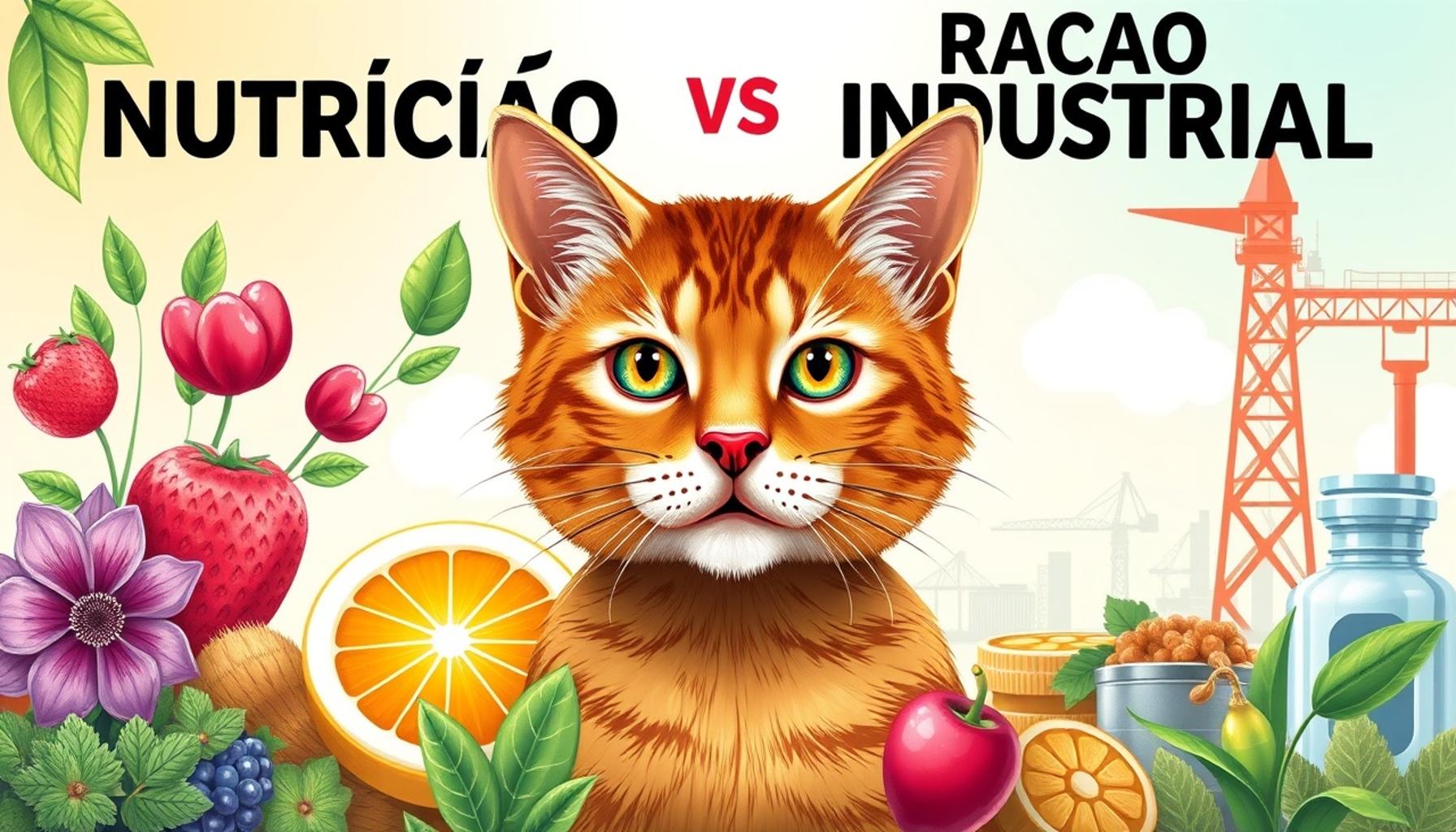
The Natural Nutrition vs. Industrial Feed Dilemma
As pet owners become increasingly invested in their cats’ health, the discussion on natural nutrition versus industrial feed emerges as a pivotal topic within pet care. This choice not only impacts the physical well-being of our feline friends but also shapes their overall quality of life, prompting an exploration of both options.
Understanding Natural Nutrition
Natural nutrition is all about adhering to a diet that mimics what cats would consume in the wild. By focusing on whole, unprocessed foods, this approach seeks to supply the essential nutrients that a cat needs to thrive. The key features include:
- Fresh Ingredients: Many advocates argue that fresh food, such as raw meats, fish, and a limited selection of fruits and vegetables, contains higher levels of vitamins and minerals compared to processed foods. For instance, salmon offers Omega-3 fatty acids which promote healthy skin and a shiny coat.
- High-Quality Proteins: Cats thrive on protein derived primarily from animal sources. Diets rich in meats such as chicken, turkey, and beef replicate a cat’s ancestral diet, providing amino acids crucial for muscle maintenance and overall energy.
- No Artificial Additives: Natural diets avoid preservatives, dyes, and fillers, reducing the risk of potential allergens or chemicals that might affect digestive health. This focus on wholesome ingredients often results in fewer gastrointestinal issues in cats.
The Appeal of Industrial Feed
On the flip side, there are numerous advantages associated with industrial feed. This category of cat food, often found in supermarkets and pet stores across the United States, presents its own compelling reasons for attraction:
- Cost-Effective: Industrial feeds tend to be more affordable, which appeals to many cat owners. For example, a 20-pound bag of kibble often costs less than a week’s worth of fresh ingredients, making it a budget-friendly choice for many households.
- Extended Shelf Life: With a longer shelf life, industrial feeds allow for bulk purchasing without the concern of spoilage. This is particularly beneficial for owners of multiple cats.
- Nutritionally Complete: Many commercial brands are scientifically formulated to meet the nutritional guidelines set by the Association of American Feed Control Officials (AAFCO), ensuring that your cat receives balanced nutrition in every bite.
Finding the Right Balance
Ultimately, the decision between natural and industrial diets may not be black and white. Each cat has unique needs based on factors like age, weight, health conditions, and activity level. Some pet owners may benefit from a hybrid approach, incorporating elements of both nutrition styles to cater to their cat’s specific requirements. For instance, combining high-quality commercial kibble with home-prepared meals could strike a balance between convenience and nutrition.
The conversation surrounding feline nutrition is ongoing, encouraging cat owners across the nation to delve deeper into dietary choices. Whether advocating for fresh ingredients or embracing the conveniences of industrial feed, informed decisions can lead to happier and healthier lives for our beloved feline companions.
DON’T MISS: Click here to discover fun games for your indoor cats
Natural Nutrition: The Wild Side of Cat Diets
When we talk about natural nutrition for cats, we are inviting owners to consider what felines might have dined on in their ancestral habitats. This approach emphasizes a return to the basics, focusing on whole foods that align more closely with a cat’s predatory nature. Think of it as a reflection of a cat’s dietary evolution, which has been shaped by millions of years of instinctual behaviors. The benefits of adopting a natural diet can be profound, including the following:
- Improved Digestive Health: Cats are obligate carnivores, meaning their digestive systems are designed for a meat-based diet. A natural diet often leads to better digestion, as it mimics what cats would eat in the wild. This can result in fewer digestive issues, such as constipation or diarrhea, compared to those often reported with highly processed industrial feeds.
- Enhanced Vitality: Cats fed a diet rich in fresh ingredients often show marked improvements in energy levels. Fresh meats provide high-quality proteins that support muscle health, while the lack of fillers found in many commercial products means more actual nutrition per serving.
- Balanced Dental Health: Chewing on raw meaty bones and muscle tissue can naturally help reduce plaque and tartar buildup, promoting better oral hygiene. Studies have indicated that cats consuming natural diets tend to have healthier teeth compared to those reliant on dry kibble.
The Compelling Case for Industrial Feed
While natural diets have their advocates, industrial feed offers a range of benefits that can attract pet owners looking for convenience and affordability. Many pet owners find themselves gravitating towards this option due to factors that may resonate with their busy lifestyles:
- Ease of Access: Industrial feeds are readily available at local pet stores, supermarkets, and online retailers. The wide variety of options, flavored to appeal to picky eaters, allows for quick yet varied meals without the need for meal preparation or shopping for specialty ingredients.
- Reliable Nutritional Guidelines: Many brands of industrial feed adhere to AAFCO guidelines, ensuring that their products meet a standardized nutritional profile. This means cat owners can trust that their pets are getting the essential nutrients required for overall health.
- Convenience of Feeding: The convenience factor cannot be overlooked, especially for busy households. With industrial feed, there’s no need to worry about spoilage, time-consuming meal prep, or adhering to intricate recipes. This can be particularly beneficial for pet owners with a fast-paced lifestyle.
Each option carries its own set of implications for your cat’s health and happiness. Understanding these choices can empower pet owners to make informed dietary decisions that best suit their furry companions. As we delve deeper into the pros and cons of each approach, we can better tailor diets that meet the unique needs of our cats, ensuring they lead long, healthy lives.
Exploring the Benefits of Natural Nutrition for Your Cat
When it comes to feeding our feline friends, the choice is more than just about what fills their bowls; it’s about their overall health and well-being. Natural nutrition has gained popularity among pet owners who prioritize the long-term health benefits of their cats. One of the key aspects of natural nutrition is the use of whole ingredients. This means that meals are crafted from real meat, vegetables, and grains, providing holistic nutrition that mimics the diet cats would eat in their natural habitats. This diet is rich in essential nutrients, promoting strong muscles, healthy skin, and a shiny coat.
Moreover, natural nutrition often means fewer additives and preservatives, which can lead to a healthier digestive system. Cats, being obligate carnivores, thrive on a diet that is protein-intensive and free from artificial fillers included in many industrial feed brands. High-quality protein sources support their energy levels and overall vitality.
Understanding the Impact of Industrial Feed
On the other hand, industrial feed is often more convenient and economical, making it popular among many pet owners. However, it’s crucial to delve deeper into what these products typically contain. Industrial feeds frequently use by-products, fillers, and artificial flavorings. While they may meet the minimum nutritional standards, they might lack the vital nutrients and energy your cat requires.
Moreover, many industrial feeds have been linked to various health issues in cats, including obesity, diabetes, and digestive disorders. Owners should also be aware of the potential dangers of synthetic additives found in these products, which can accumulate over time and negatively impact a cat’s health.
| Natural Nutrition | Industrial Feed |
|---|---|
| Whole food ingredients | Manufactured with by-products |
| Fewer additives and preservatives | Often contains artificial flavors |
As you weigh your options, consider these factors carefully. Understanding the differences helps ensure you make an informed choice tailored to your cat’s specific needs, paving the way for a healthier, happier life.
DISCOVER MORE: Click here for safe supplement tips
The Nutritional Breakdown: What’s Inside Their Bowls?
Understanding the nutritional content of both natural nutrition and industrial feed is crucial for making the best dietary choices for your feline friend. Discerning pet owners may ask what comprises these two distinct approaches, and how each can impact their cat’s long-term health.
Nutritional Profiles Compared
In evaluating natural nutrition, one must consider the value of whole, unprocessed ingredients. Fresh meats, organs, and bones form the core of a natural diet, offering an array of essential nutrients, including:
- High-quality Proteins: Such proteins are vital for muscle maintenance and growth. Natural diets often feature meats like chicken, turkey, or fish, which contain amino acids necessary for a cat’s body functions.
- Healthy Fats: Natural sources of omega-3 and omega-6 fatty acids support skin health and a shiny coat. These fats also provide energy, essential for an active kitty.
- Vitamins and Minerals: A variety of fresh foods, including vegetables and organ meats, contribute important micronutrients that play roles in metabolic functions, immune response, and overall vitality.
On the other hand, industrial feeds frequently include a mix of meat by-products, grains, and fillers to achieve a balanced nutritional profile while reducing costs. Many commercial products adhere to strict AAFCO guidelines to ensure they provide a complete diet, yet they often come with caveats:
- By-products and Fillers: The inclusion of by-products like bone meal or corn gluten can be seen as a controversial topic. While they contain some nutrients, these sources may lack the nutritional completeness of whole ingredients.
- Artificial Additives: Many industrial feeds utilize preservatives, colorants, and flavor enhancers, designed to improve shelf-life and palatability. Some pet owners express concerns about potential long-term health impacts from these additives.
- Carbohydrate Content: Cats have a limited ability to digest carbohydrates, yet many industrial feeds contain high levels of grains and fillers. This can pose a risk of obesity and diabetes if consumed in excess, as felines naturally thrive on lower carb diets.
The Cost Factor: Budget vs. Quality
Affordability often sways decisions in choosing between natural nutrition and industrial feed. While natural foods can be more pricey upfront, many owners find the long-term health benefits can offset the initial costs. Fewer health-related issues, reduced veterinary visits due to diet-related illnesses, and improved overall quality of life contribute to the economic argument for investing in a more natural approach.
In contrast, industrial feeds generally cater to those looking for budget-friendly options. They provide convenience and accessibility, especially for busy households. However, it’s essential for pet owners to weigh the potential long-term costs of health problems associated with inferior diet quality against the savings on food.
Moreover, many pet owners are becoming increasingly astute in their understanding of cat diets. As they look for the best options available, recall that the most suitable diet ultimately depends on individual factors, including a cat’s age, health status, and personal preferences. Engaging with a veterinarian who specializes in feline nutrition can help to navigate these choices effectively.
DISCOVER MORE: Click here to learn how to adjust your pet’s diet
Conclusion: Navigate the Choices in Feline Nutrition
Choosing between natural nutrition and industrial feed for your cat is an important decision that hinges on understanding the distinct benefits and challenges each option presents. While natural diets can offer enhanced nutritional value through whole ingredients, providing essential proteins, healthy fats, and vital vitamins and minerals, they often require more financial investment and commitment from owners. Conversely, industrial feeds, while budget-friendly and convenient, may contain meat by-products and fillers that can compromise your cat’s overall health in the long run.
As the pet food industry evolves, owners must stay informed about the potential implications of their choices. Cats are obligate carnivores, and their dietary needs should guide the selection of their food—favoring diets low in carbohydrates and rich in quality proteins. The importance of consulting with a veterinarian becomes evident, as a specialist can help you tailor a diet based on your cat’s specific health requirements, age, and activity level.
Ultimately, the best approach for your cat may not be a one-size-fits-all solution. It often lies in finding a balance that suits both your budget and your feline’s health needs. As you explore the best dietary options available, remember that what you feed your cat can impact their longevity, vitality, and happiness. And so, the journey toward optimal feline nutrition is as much about education and understanding as it is about food choice.


 Beatriz