Theater and Emotional Expression: Using Performance to Strengthen Mental Health
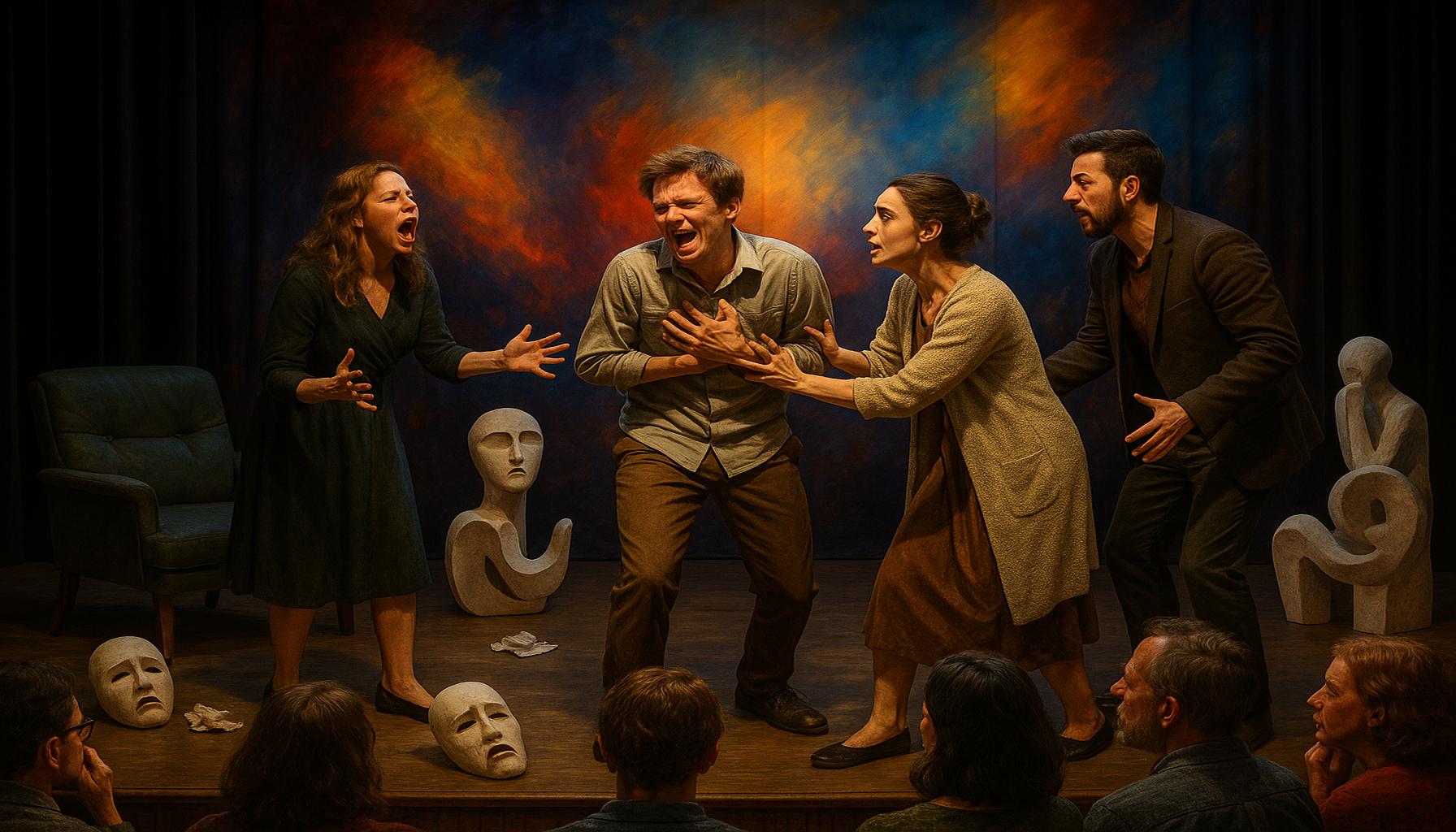
Exploring the Emotional Benefits of Theater
The world of theater occupies a special place, not only as a form of entertainment but also as a significant contributor to emotional and mental well-being. The transformative nature of acting can serve as a profound vehicle for individuals to explore aspects of their identity, express complex emotions, and cultivate deep social connections.
Self-Discovery is one of the most compelling emotional journeys afforded by participation in theater. Through embracing various characters, individuals dive into alternative narratives, revealing layers of their own personalities that they might not have otherwise acknowledged. For instance, a person may learn about their latent courage by portraying a heroic character or discover a softer side while playing a nurturing role. This exploration can be particularly transformative for young people grappling with self-identity during pivotal developmental stages.
Moreover, theater provides an invaluable opportunity for emotional release. The act of performing scenes that resonate with personal experiences offers a cathartic outlet for suppressed feelings. Actors often find that channeling emotions such as pain, joy, or anger in a controlled environment allows them to process and release these feelings healthily. This phenomenon is reflected in techniques used in various therapeutic contexts, such as drama therapy, which incorporates performance to enhance psychological healing.
Another essential aspect of theater is its role in fostering social connection. The collaborative nature of theater—working together in a cast, sharing creative ideas, and performing for an audience—helps create a community among participants that can be especially beneficial for those who feel isolated. For example, community theater groups can forge lifelong friendships among members who might include a diverse age range and backgrounds, transcending typical social boundaries.
Stress relief is another critical emotional benefit derived from theater engagement. Immersion in a performance allows actors to momentarily escape the anxieties of daily life. Whether it’s rehearsing lines or embodying a character, this diversion helps alleviate external pressures, resulting in improved mental clarity and relaxation. According to studies, participants in theater arts often demonstrate lower levels of stress hormones, leading to a more balanced approach to life’s challenges.

Supporting the idea that theater enhances mental health, research has shown that individuals engaged in theatrical activities report improved self-esteem and confidence. They often recognize an augment in mood, and many experience a reduction in anxiety symptoms. Furthermore, the skills fostered through participation—like resilience, adaptability, and teamwork—reaffirm individuals’ abilities to navigate life’s adversities.
In summary, the intersection of art and mental health presents many possibilities, inviting exploration into how theatrical engagement can revolutionize our emotional landscape. The benefits of engaging with theater extend far beyond the stage, serving as a catalyst for profound personal growth and a tool for navigating complex emotional terrains, ultimately illuminating the intricate tapestry of human experience.
DISCOVER MORE: Click here to learn about the influence of local art events
The Healing Power of Performance
It is no secret that theater can be a captivating art form, but its roots run deeper than mere entertainment; it can be a powerful tool for enhancing emotional wellness and mental health. At its core, theater involves storytelling, and through this process, individuals can confront personal narratives and shared experiences that resonate not only with performers but also with their audiences. This shared camaraderie and understanding can create an atmosphere of empathy and healing.
The act of performing allows participants to express emotions like fear, joy, sadness, and triumph in a way that feels safe and constructive. Cultivating these emotions in a supportive environment can lead to greater emotional regulation and resilience. In fact, when individuals engage in theater, they often find themselves developing essential skills that extend beyond the stage—skills such as emotional intelligence, critical thinking, and effective communication.
Benefits of Theater for Mental Health
Several compelling benefits of theater have been documented, making it a valuable outlet for emotional expression. Here are some notable advantages:
- Enhanced Self-Expression: Theater encourages individuals to articulate feelings often left unvoiced in everyday life. The performance arts create a platform for personal reflection and dialogue, enabling actors to share their stories and experiences through their characters.
- Mindfulness and Presence: Being on stage requires actors to focus intensely on the present moment. This practice of mindfulness can help reduce symptoms of anxiety and stress, as participants learn to engage with their surroundings and themselves without judgement.
- Empathy Building: By stepping into another character’s shoes, actors can cultivate a greater understanding of diverse perspectives. This heightened sense of empathy not only enriches their performance but also fosters compassion in personal interactions off the stage.
- Community Engagement: Theater often thrives in a collaborative environment. Participating in a production strengthens social bonds, creating support networks that promote collective emotional healing.
Through these facets of theater, individuals may experience a profound psychological shift. For instance, studies have shown that participants involved in theater programs report increased levels of happiness and satisfaction in their lives. This happens, in part, because engaging in the arts nurtures creativity—a vital component of mental health that promotes exploration and innovation in problem-solving.
Across the United States, numerous organizations and community centers are integrating theater into mental health initiatives. These programs range from improvisational workshops to full-scale productions aimed at vulnerable populations, such as at-risk youth or individuals facing chronic mental health challenges. By making theater accessible to all, these initiatives are dismantling barriers and encouraging emotional expression within diverse communities.
Understanding how theater contributes to emotional and psychological well-being opens up new conversations about the importance of artistic engagement. As more individuals seek healthy outlets for emotional expression, the role of theater in promoting mental health becomes increasingly vital, reminding us that art is not merely a product, but a powerful form of connection that enriches our human experience.
| Advantage | Description |
|---|---|
| Enhanced Self-Expression | Theater encourages individuals to explore and express emotions creatively, fostering deeper self-awareness. |
| Community Connection | Participating in performances builds a sense of community, alleviating feelings of isolation and enhancing support systems. |
| Stress Relief | Engaging in theater allows for an emotional release, which can significantly reduce stress levels. |
| Empathy Development | Acting out diverse experiences cultivates empathy and understanding towards others, enriching interpersonal relationships. |
The theater is not merely an art form; it serves as a powerful medium for emotional expression that aids in strengthening mental health. Participants often find themselves promoting mental wellness through their involvement, acting out roles that allow them to explore and articulate emotions they may find challenging to convey in everyday life. This process of self-expression enhances their ability to navigate personal feelings and issues, resulting in a more profound self-understanding. Moreover, the benefits of community connection through theater cannot be overstated; it fosters an environment that challenges loneliness and promotes relationships among participants. These interactions help create a supportive atmosphere essential for mental health. Theater also offers a healthy outlet for stress relief. Immersing oneself in performances enables a cathartic release of emotions. Engaging with diverse narratives helps to develop a stronger sense of empathy towards varied human experiences, which not only enriches the performers’ perspectives but instills the value of compassion across societal interactions. As this form of emotional expression continues to gain recognition, more individuals and mental health professionals are likely to explore the potential benefits of theater in mental health contexts.
DISCOVER MORE: Click here to learn about the impact of local art events
The Therapeutic Impact of Theater Techniques
Delving deeper into the realm of theater and its therapeutic effects reveals a wealth of methods and techniques that can be employed to facilitate emotional healing. These approaches not only showcase the transformative power of performance but also invite individuals to engage in introspection while providing practical tools for mental health support.
One notable technique gaining traction is drama therapy. This form of therapy utilizes theatrical elements—such as role play, improvisation, and storytelling—to help individuals explore their feelings, relationships, and experiences in a structured manner. Certified drama therapists guide participants in enacting scenarios that mirror their lives, enabling them to process trauma, anxieties, or unresolved issues through creative expression. Studies indicate that drama therapy significantly improves emotional regulation and reduces symptoms of depression and anxiety, as participants can externalize their challenges, gaining distance and perspective on personal struggles.
A key aspect of drama therapy is the ability to engage in role reversal. By playing the parts of others, individuals can experience alternative viewpoints, which fosters empathy and self-awareness. For example, a participant might take on the role of a family member to better understand a conflict within their home dynamic. This technique is particularly beneficial for those dealing with interpersonal difficulties, as it creates a safe environment for individuals to explore and articulate their feelings without fear of judgment.
Expressive Arts and Integration with Theater
The synergy between theater and other expressive art forms can amplify the emotional release experienced during performances. Activities such as dance, visual arts, and music can be seamlessly integrated into theater practices, creating a multifaceted approach to emotional expression. For instance, movement therapy, which incorporates dance and body awareness, allows individuals to connect with their physical selves, releasing pent-up emotions that may be difficult to voice. By utilizing the body as an expressive instrument, participants can uncover deeper layers of emotional understanding.
Moreover, community-based theater projects highlight the potential for collective healing. Collaborative productions—crafted by groups that can include diverse members of society—encourage participants to share personal narratives that reflect lived experiences. These workshops cultivate a sense of belonging, allowing individuals to bond over shared stories, fostering not just emotional release but also a supportive community network. Programs like “Theater of the Oppressed,” which originated in Brazil, have found success in various U.S. cities by promoting social change and dialogue through performance, demonstrating how theater can be a catalyst for collective empowerment and resilience.
Furthermore, the intersection of technology and theater is opening new doors for emotional expression. Digital platforms now offer virtual theater experiences, allowing a broader audience to participate in performances and engage with emotional narratives from the comfort of their homes. This accessibility not only democratizes the arts but also creates opportunities for individuals with mobility or social anxiety challenges to experience the therapeutic effects of theater.
In light of these innovative practices, it becomes increasingly clear that theater serves not just as an artistic outlet but as a critical resource in mental health strategies. The embracing of different methodologies and the integration of various art forms amplify the understanding of how performance can be harnessed to heal, connect, and ultimately empower individuals through emotional expression.
DISCOVER MORE: Click here for insights
Conclusion
In summary, the relationship between theater and emotional expression extends far beyond mere entertainment; it represents a profound avenue for mental health enhancement. The various techniques discussed, particularly drama therapy, role reversal, and the integration of multiple expressive arts, highlight the potential of performance as a therapeutic tool. This multifaceted approach fosters not only personal introspection but also encourages individuals to engage with one another in shared narratives that resonate on a deeply emotional level.
Community-based projects, such as those inspired by “Theater of the Oppressed,” further emphasize the collective healing aspect of theater. By collaborating on creative ventures, participants can build a sense of belonging and support, which is vital for mental well-being. The advent of technology has only broadened the access to these therapeutic experiences, enabling diverse audiences to reap the benefits of emotional engagement from their homes. This inclusivity ensures that individuals facing barriers, such as social anxiety or physical limitations, can still participate in the healing power of performance.
As we continue to explore the connection between theater and mental health, it becomes evident that this art form nurtures resilience, empathy, and profound understanding. By leveraging the transformative power of performance, we can strengthen individual and collective mental health initiatives, unlocking a path toward healing through creative expression. The journey may be complex, but the potential for emotional growth through theater is undeniably vast and waiting to be explored further.