The Role of Digital Art and Graphic Design in Fostering Technological Literacy and Creative Expression
The Creative Landscape Shaped by Technology
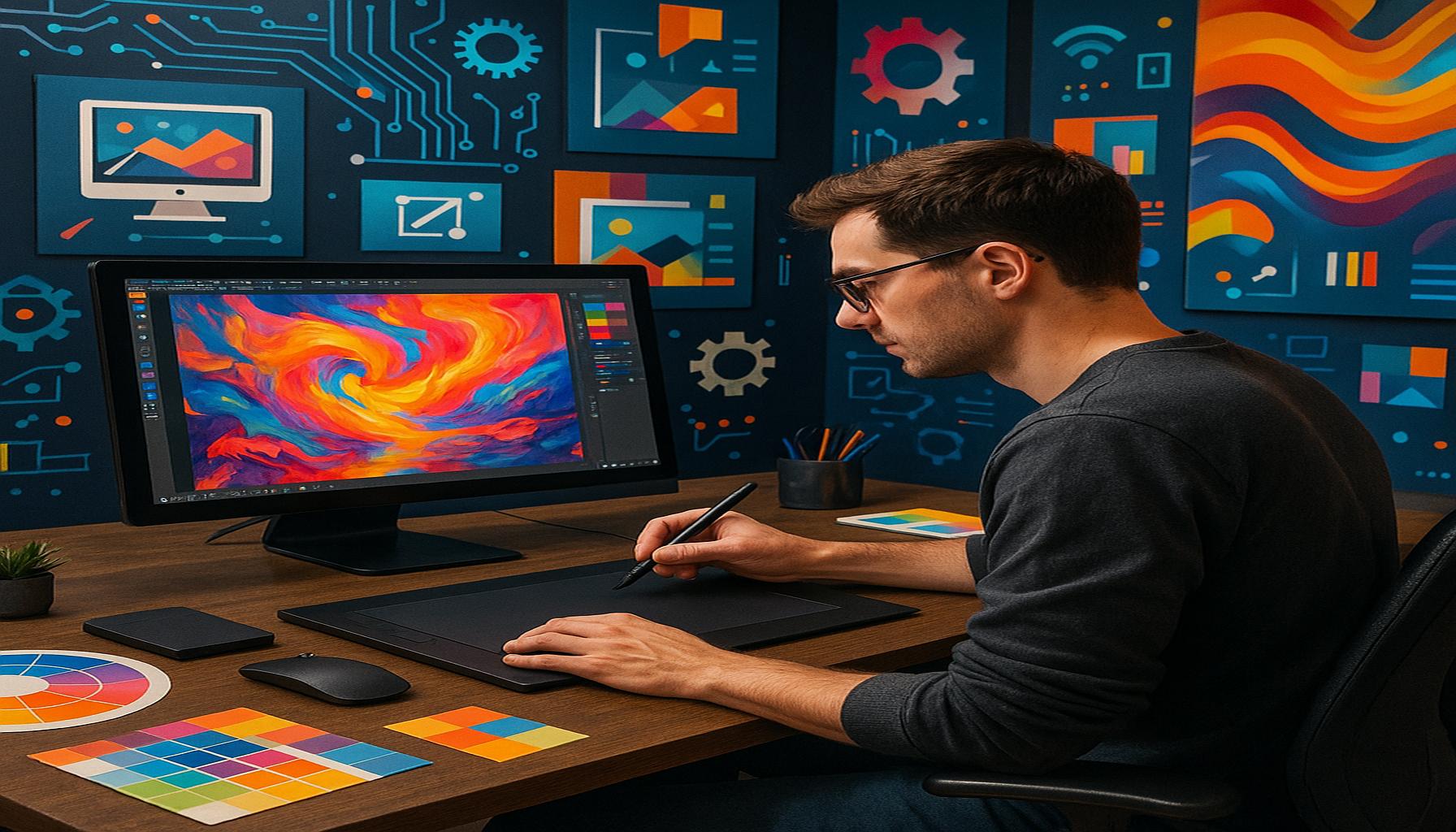
In the transformative era of technology, the realms of digital art and graphic design have emerged as vibrant platforms for individual expression and collective innovation. As society continues to embrace the digital revolution, it becomes increasingly essential to understand the profound impact these creative fields have on enhancing technological literacy, as well as facilitating creative expression among diverse populations.
Digital art and graphic design serve not merely as instruments for personal exploration but also as powerful mechanisms for education and dialogue. They engage users of all ages, providing a canvas to express thoughts and ideas in visually compelling ways. Let’s delve deeper into the ways these mediums foster growth and communication:
- Skill Development: Engaging with digital tools such as Photoshop or Illustrator helps cultivate essential skills like problem-solving, critical thinking, and visual communication. For instance, a high school student might use graphic design software to create a promotional poster for a school event, honing their ability to convey messages visually while addressing feedback from their peers.
- Innovation: Artists and designers today are at the forefront of technological advancement, continually redefining the standards of creativity. Take, for example, the rise of augmented reality (AR) in art exhibitions, where interactive installations blend the physical and digital worlds. This innovative approach not only captivates audiences but also encourages artists to experiment with new techniques and mediums.
- Accessibility: Platforms like Adobe Creative Cloud and Canva play a crucial role in democratizing the design landscape. These platforms are designed to be user-friendly, allowing individuals without formal training to engage in creative projects. A small business owner can effortlessly create professional-quality marketing materials, helping them compete in a crowded market without incurring substantial costs.
Additionally, the rise of online communities and collaborative projects within these fields is reshaping the creative landscape. For example, platforms like Behance and Dribbble not only allow artists and designers to showcase their work but also foster collaboration across geographical boundaries. This cooperative nature encourages individuals to share knowledge and skills, leading to enhanced creativity and innovation within communities.
Exploring the dynamic interplay between technology and creativity unveils an expansive potential for individuals in the United States and beyond. As digital mediums evolve, they inspire innovation while simultaneously enhancing technological literacy across various demographics. This growing integration of digital art and graphic design not only empowers individuals to express themselves but also serves as a catalyst for community interaction and growth.
Ultimately, understanding the relationships between these fields is crucial for navigating the future of creativity. This digital age invites everyone to explore, create, and connect through technology, offering a wealth of opportunities that encourage us all to unleash our imagination.
DISCOVER MORE: Click here to learn about the power of social interaction in art
Empowering Individuals Through Digital Proficiency
As we navigate a world increasingly dominated by screens and digital interfaces, technological literacy is no longer a luxury but a necessity. The integration of digital art and graphic design directly contributes to enhancing this literacy, providing individuals with the tools and skills essential for participating in today’s economy. By exploring these mediums, learners develop a comprehensive understanding of both technology and creative processes.
One of the most significant ways digital art and graphic design enhance technological literacy is through experiential learning. Individuals gain hands-on experience with various software applications and tools that are industry standards. They learn not just to use these technologies but to leverage them for creative problem-solving. A case in point is the growing trend of incorporating design thinking in classrooms across the United States. Students are encouraged to tackle real-world problems, using digital design tools to brainstorm, prototype, and present their ideas. This active engagement fosters a deeper understanding of technology while allowing for personal expression.
The potential for cross-disciplinary collaboration further enriches the skill set of individuals engaged in digital artistry. Fields such as marketing, education, and even healthcare increasingly rely on visual content to communicate complex ideas effectively. In marketing, for instance, a compelling infographic can distill essential data into an engaging visual format, making it accessible to a broader audience. As a result, budding artists and designers must not only sharpen their technical skills but also become adept at understanding the audience’s needs and preferences.
Moreover, digital art and graphic design play a vital role in the proliferation of creativity across various platforms. The shift away from traditional methods of art creation has opened up a plethora of opportunities for emerging artists. Consider the impact of social media—platforms like Instagram and TikTok have given artists a stage to showcase their work, connect with global audiences, and receive immediate feedback. This democratization of art fosters a sense of community, encouraging users to experiment freely, leading to innovative forms of expression.
As individuals explore these platforms, they become part of a larger dialogue about aesthetic and cultural representation, rather than simply passive consumers of art. This shift cultivates a new kind of technological literacy that values creation and collaboration, allowing individuals to express their narratives, experiences, and aspirations through digital mediums. Notably, as users share their creations, they inspire others, igniting a ripple effect of creativity that ultimately elevates the collective understanding of both art and technology.
- Flexible Learning Opportunities: Online tutorials, workshops, and courses on platforms like Skillshare and Coursera make learning accessible. They cater to diverse learning styles and schedules, allowing artists at all levels to continuously improve their craft.
- Community Engagement: Local art collectives and global online communities promote knowledge exchange, facilitating collaboration among artists from different cultural backgrounds, which fosters inclusivity and diversity in creative expression.
- Career Preparation: Knowledge in digital art and graphic design trends equips students with employable skills, preparing them for careers in various tech-driven industries, such as gaming, advertising, and social media management.
The convergence of digital art and graphic design with technological literacy not only heralds new creative expressions but also cultivates a generation of thinkers equipped to navigate the complexities of the digital age. This ever-evolving landscape encourages a fusion of art and technology that promises to reshape the future of learning, communication, and artistic expression.
| Advantage | Description |
|---|---|
| Improved Critical Thinking Skills | Digital art and graphic design encourage individuals to analyze and evaluate information critically, essential for technological literacy. |
| Enhanced Creativity | Engaging with digital design tools provides avenues for self-expression, leading to innovative ideas and creative solutions. |
The integration of digital art and graphic design into educational curricula has profound implications for both technological literacy and creative expression. By nurturing critical thinking skills, students learn to question and interpret the digital landscape that surrounds them. This ability to analyze visual information is crucial in an ever-evolving technological world, where misinformation can easily proliferate. Moreover, the creative outlet offered through digital design not only provides a means of personal expression but also fosters problem-solving abilities. Students equipped with these skills are not just consumers of technology; they become proficient creators, adept at using advanced tools and techniques to manifest their visions. As they navigate this dynamic field, learners are simultaneously preparing themselves for a future where creativity meets technology in unprecedented ways.Engaging in digital art and graphic design thus serves as a multifaceted tool—enhancing literacy while unlocking the doors to creative potential, all essential in today’s digital age.
DIVE DEEPER: Click here to discover more
Bridging Gaps Through Innovative Collaboration
The role of digital art and graphic design extends beyond personal expression; it also serves as a vital bridge connecting diverse communities and disciplines. The rise of collaborative platforms such as Adobe Creative Cloud and Figma showcases how technology enables teamwork and creative synergy among artists, designers, and technologists. These platforms facilitate remote collaboration, allowing individuals from varied backgrounds to co-create projects, thus promoting a rich tapestry of ideas and perspectives.
Furthermore, educational institutions are leveraging this collaborative potential by establishing interdisciplinary programs that merge art with science, technology, engineering, and mathematics (STEM). Known as STEAM (Science, Technology, Engineering, Arts, and Mathematics), these programs highlight the importance of artistic creativity in technical fields. For instance, students studying coding may also engage in graphic design projects to create user-friendly interfaces, emphasizing the interdependence of technology and design. This approach not only fosters artistic skills but also ingrains a solid understanding of technological applications, enhancing students’ future career prospects.
Research underscores the effectiveness of integrating digital art and design principles into standard curricula. A study conducted by the National Endowment for the Arts indicates that students exposed to visual arts and digital media show improved critical thinking and problem-solving abilities. The data suggest that creative endeavors stimulate cognitive functions, which in turn cultivates innovative solutions in both artistic and technical domains. By encouraging students to blend artistic expression with technical skills, educators can contribute significantly to the development of a technologically literate population.
The impact of digital art and graphic design is also profoundly felt in helping marginalized voices find representation. Online platforms and social media allow underrepresented communities to share their stories through visual narratives. This representation is often crucial in sociopolitical contexts, where art becomes a tool for advocacy and raising awareness. Graphic designers create campaigns that mobilize support for social causes, while digital artists illustrate histories often left out of mainstream narratives, thereby enriching the cultural discourse.
- Adaptive Technologies: Specialized software designed for individuals with disabilities promotes inclusivity in both the creation and consumption of digital art, broadening participation in the creative ecosystem.
- Massive Open Online Courses (MOOCs): Educational offerings from institutions such as MIT and Stanford encourage learners worldwide to explore digital art and design, providing access to high-quality resources that nurture both technical skills and creative expression.
- Events and Exhibitions: Virtual exhibitions and art fairs have emerged, enabling artists to showcase their work without geographical constraints, creating opportunities for wider exposure and engagement.
As technology continues to evolve, the fusion of digital art and graphic design with educational paradigms will undoubtedly keep progressing. The potential to engage with technology creatively not only nurtures artistic talent but also prepares individuals to thrive in an interconnected world where visual communication reigns supreme. This dynamic interplay underscores the profound impact that innovative collaboration can have in fostering both technological literacy and creative expression, setting the stage for a future where art and technology coexist harmoniously.
DIVE DEEPER: Click here to discover more
Conclusion
The intersection of digital art and graphic design has emerged as a transformative force in shaping a technologically literate and creatively expressive society. As this article has explored, the advancement of collaborative tools and the integration of artistic disciplines within educational frameworks such as STEAM illuminate the significance of merging creativity with technological skills. This fusion not only enhances individual capabilities but also fosters a rich environment of innovation across various sectors.
Moreover, the role of digital mediums in amplifying marginalized voices is crucial, as these platforms allow diverse narratives to be communicated through art, thus enriching the cultural fabric of our society. The increase in accessibility through adaptive technologies and the proliferation of online educational resources further democratizes opportunities for creative expression, enabling individuals from all backgrounds to engage and contribute meaningfully.
In an ever-evolving digital landscape, it is evident that fostering technological literacy through digital art and graphic design equips the next generation with the tools needed to navigate complex problems and engage in critical thinking. As we look to the future, it is essential for educators, industry leaders, and policymakers to support initiatives that encourage this interdisciplinary approach. By doing so, we not only nurture artistic talent but also prepare individuals to thrive in a world where visual communication and technological adaptability are paramount. The journey of exploration and expression in the digital realm is just beginning, with boundless possibilities awaiting those who dare to create.