The Role of Art in Shaping Cultural Identity: Artistic Expression as a Reflection of Personal and Community Roots
The Essence of Art in Cultural Identity
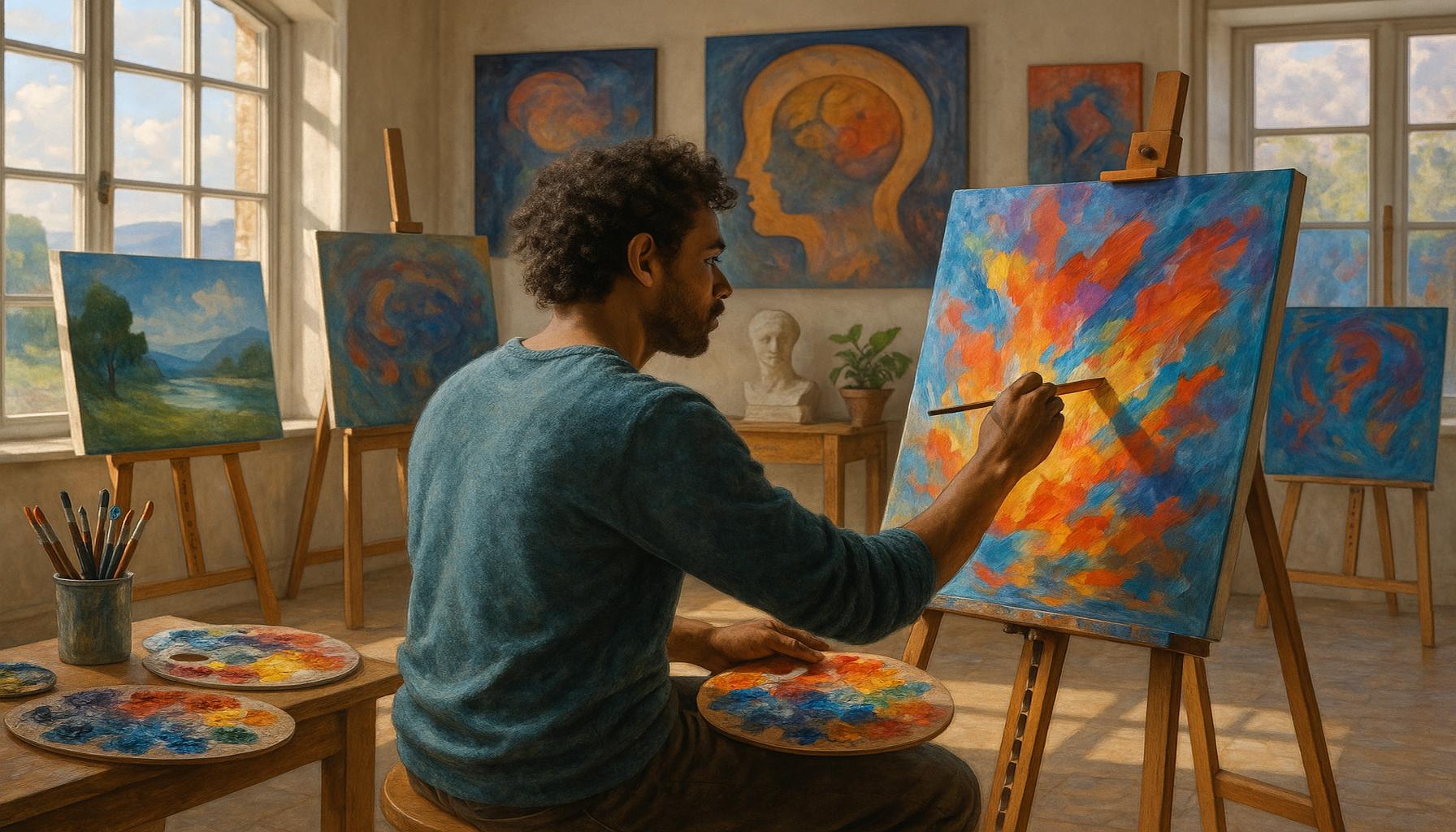
Art serves as a powerful tool for cultural identity, weaving together personal narratives and community histories. It reflects the essence of who we are, shaping perceptions and fostering connections across diverse demographics. Through various mediums, artists convey their backgrounds, struggles, and triumphs, making art an invaluable resource for understanding cultural heritage within a society. In the United States, where diverse cultural backgrounds converge, the artistic landscape is rich with unique expressions that encapsulate the spirit of individual communities.
Consider the following aspects that highlight the role of art in cultural identity:
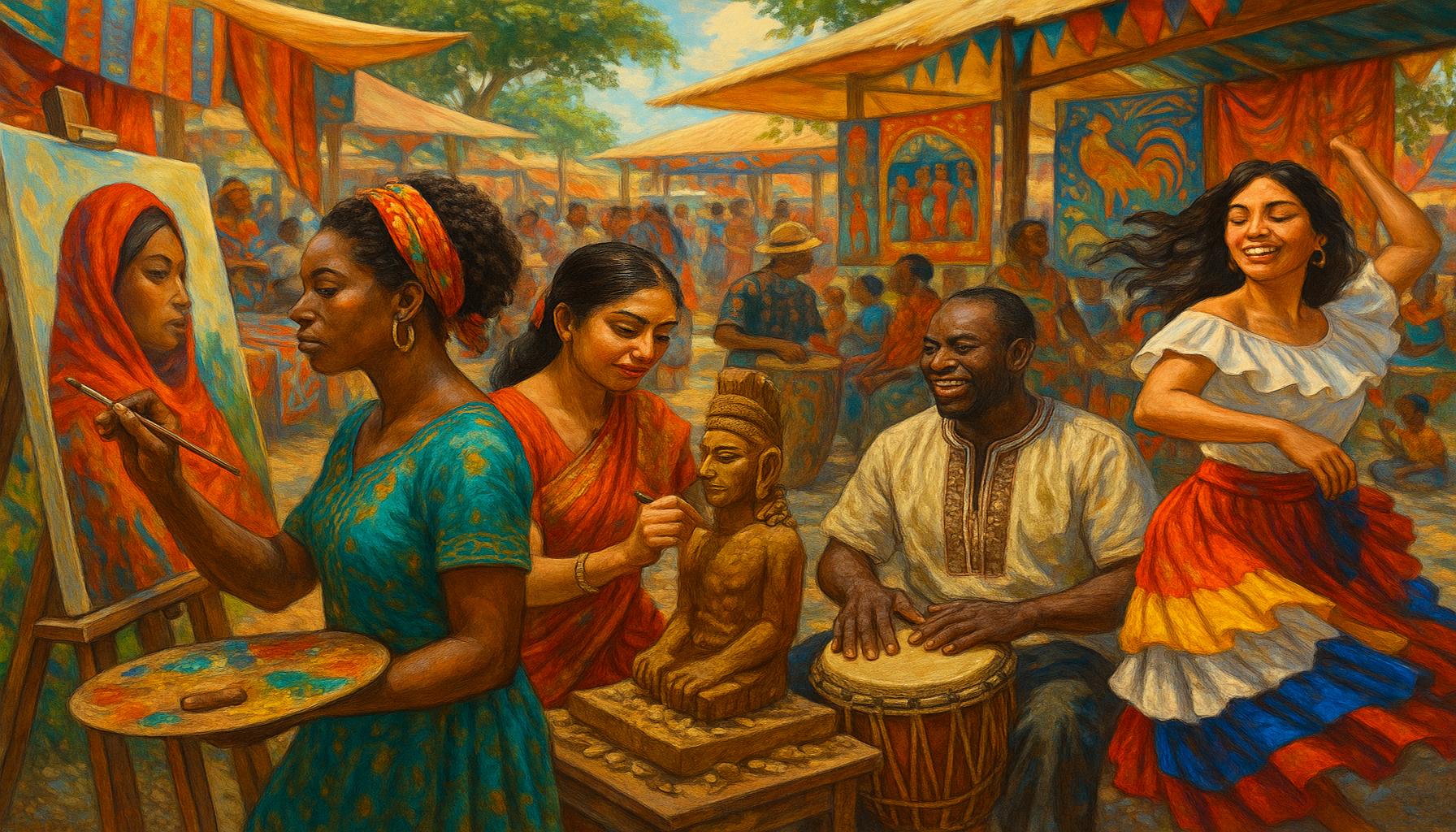
- Visual Arts: Paintings and sculptures often encapsulate the traditions and values of different communities. For instance, the vibrant murals in neighborhoods like Los Angeles showcase the histories and aspirations of Latino communities, while Native American sculptures reflect the deep-rooted connections to nature and ancestral beliefs. These visual expressions not only beautify spaces but also serve as historical narratives that educate viewers about cultural significance.
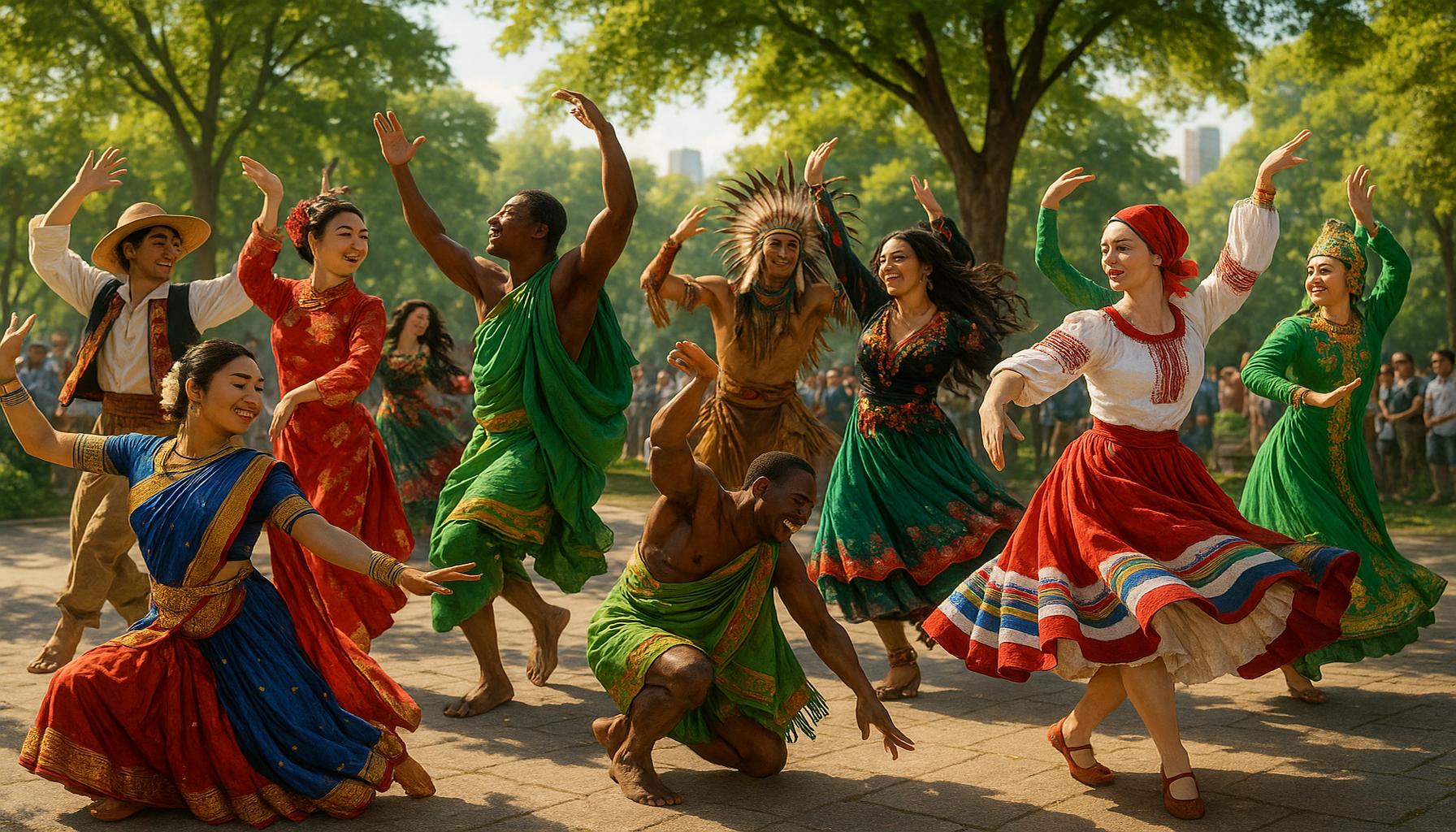
- Music and Dance: Traditions passed down through generations express cultural stories and celebrate shared experiences. Genres such as blues, jazz, and hip-hop spring from African American roots, evolving through time to express the struggles and celebrations of these communities. Similarly, traditional Irish dance reflects the joys and sorrows of the Irish diaspora, reinforcing cultural identity through rhythm and movement.
- Literature: Written works provide insight into the beliefs and customs that shape societal norms. Authors like Toni Morrison and Sherman Alexie tackle themes of race, identity, and belonging, resonating with readers across cultural divides. Their storytelling fosters empathy and understanding, prompting us to reflect on our own cultural narratives and those of others.
The intersection of art and cultural identity is evident in numerous American festivals such as the Smithsonian Folklife Festival, where diverse traditions are celebrated through crafts, performances, and culinary experiences. Such events highlight how artistic expression serves as a mirror for both personal and collective experiences, offering an opportunity for reflection and dialogue about heritage and community belonging.
Understanding this dynamic relationship encourages a deeper appreciation of one’s heritage and the communal bonds shared with others. As we delve into this topic, it becomes clear that art does not merely entertain but also informs and connects, allowing individuals to explore their roots while fostering a broader understanding of the rich tapestry that is American culture. By engaging with the arts, we open ourselves to new perspectives and hone our appreciation for the diverse histories that shape our collective identity.
DIVE DEEPER: Click here to learn more about the impact of music and dance</a
Art as a Voice of Heritage
Artistic expression plays a crucial role in embodying our cultural identity, serving as a voice that echoes the stories of our ancestors and the complexities of our modern experiences. In a multicultural society such as the United States, this expression transcends mere aesthetics; it becomes a lens through which individuals and communities can explore their roots and articulate their narratives. Each brushstroke, melody, or written word can convey profound messages about social issues, cultural pride, and collective memory.
One cannot underestimate the significance of cultural symbolism within artistic endeavors. Artists often draw on traditional motifs, colors, and stories that resonate deeply with their heritage. For example, African American artists frequently incorporate symbols from the African diaspora into their work, thereby engaging with complex themes of displacement and resilience. Similarly, Asian American artists may utilize elements from their cultural backgrounds, such as calligraphy or historical iconography, to navigate the duality of their experiences in America. This kind of artistic engagement allows for a deep exploration of cultural identity and the unique challenges these artists face.
In addition to individual expression, art also fortifies community bonds. Artistic initiatives such as community murals or combatting gentrification through public art projects foster collaboration among residents. These collective expressions not only beautify urban environments but also tell a shared story that resonates with community members. They become visual and tangible markers of cultural identity that strengthen neighborhood pride. Consider the collaborative mural projects in cities like Philadelphia or San Francisco, where various communities come together to articulate their narratives through vibrant visuals.
Moreover, art allows for the preservation of languages and traditions that might otherwise fade away. Educational programs focused on the arts often integrate traditional practices, such as storytelling or handicrafts, nurturing a new generation’s appreciation for their history. Festivals such as the National Folk Festival not only showcase artistic talent but also serve as educational platforms, providing workshops that bring together diverse cultural expressions, from Appalachian crafts to Puerto Rican bomba music. These events open avenues for dialogue, promote diversity, and cultivate understanding among participants from varied backgrounds.
The integration of art into everyday life therefore underscores the importance of emotional and psychological wellness, as engaging with artistic expression can provide therapeutic benefits while enhancing our grasp of cultural identity. Art allows individuals to process their experiences and fosters a sense of belonging—both personally and communally. Through engagement with art, we embark on a journey that not only sheds light on our roots but also encourages ongoing dialogues about who we are and where we come from.
The exploration of how artistic expression serves as a bridge to understanding cultural identity reveals both individual and communal dimensions that shape our society. Creativity is not merely a personal endeavor; it transcends the self and cascades into the fabric of community narratives. Artistic forms such as music, painting, dance, and performance often emerge from a rich tapestry of cultural experiences, bringing forward stories that resonate across generations. One powerful aspect of this relationship is how art can preserve history. In many cultures, oral traditions may fade over time, but art retains these narratives in tangible forms. For instance, Native American totem poles and aboriginal rock art serve as visual histories, encapsulating stories, beliefs, and histories passed down through time. This preservation ensures that the identities rooted in these histories remain vibrant and accessible.Moreover, art serves as an active platform for social commentary and change. In various contexts, artists tackle pressing issues such as inequality, oppression, and cultural erasure through their work. Street murals, for example, can transform urban spaces into canvases of activism, illustrating the voice of the marginalized and sparking dialogue within communities. Such artistic expressions not only provide a reflection of community roots but also advocate for societal transformation, encouraging viewers to engage with the cultural issues at hand.Additionally, collaborative art projects often bring together diverse groups, facilitating mutual understanding and fostering a sense of belonging. When community members come together to create a project, whether it’s a mural or a collective performance, they engage in a process that celebrates their shared heritage and acknowledges their differences. This, in turn, strengthens communal ties and builds a robust cultural identity rooted in shared experiences.As we delve deeper into the study of artistic expression, it becomes increasingly clear that it functions not only as a reflection of personal and community roots but also as an essential component in shaping and redefining cultural identities. By engaging with art in its myriad forms, we gain insight into the values, struggles, and aspirations that unite and differentiate us within our global landscape.
DISCOVER MORE: Click here to learn about the benefits of creative hobbies
Art as a Medium for Social Change
Artistic expression goes beyond personal narratives; it also serves as a powerful medium for social change and advocacy. In contemporary society, artists are increasingly using their platforms to address pressing issues such as inequality, racism, and environmental crises. This potent fusion of art and activism highlights how individual and community struggles can be transformed into dialogues that resonate on a larger scale. The murals of 5Pointz in New York City, for example, became not just mere symbols of urban art but a vocal representation of the community’s fight against gentrification, telling stories of resilience and resistance.
Artists like Ai Weiwei have taken their activism global through their art, illuminating human rights abuses and the plight of refugees. Such #ArtForChange initiatives galvanize public consciousness and instigate conversations that might otherwise remain silenced. By utilizing social media, these artists further amplify their messages, encouraging audiences to engage with the artwork while contextualizing it within ongoing societal issues. This interconnectedness between art and activism illustrates how cultural identity can evolve and respond to contemporary challenges, anchoring community narratives in the present and future.
Art in Education: Nurturing Future Generations
Education remains a pivotal area where art not only fosters a sense of cultural heritage but also encourages critical thinking among younger generations. School programs that integrate arts education help students navigate their own identities while developing empathy for others through exposure to diverse perspectives. Initiatives like the Kennedy Center’s “Turning 10” program in the United States aim to improve arts education and expand access to underprivileged children, thereby nurturing an appreciation for cultural expression from an early age. The transformative power of art in educational institutions can instill pride in one’s cultural background, equipping students with the tools to explore their identities.
Furthermore, art can serve as a catalyst for dialogue around difficult subjects often tied to cultural identity such as immigration, ancestry, and systemic oppression. Through workshops and collaborative projects, educators can inspire students to express their stories, instilling a deeper understanding of both personal and communal histories. This method not only preserves cultural narratives but also creates a platform for dialogue that can heal societal rifts, fostering a sense of unity amidst diversity.
Technology’s Influence on Cultural Expression
The digital age has offered new avenues for artistic expression, enabling artists to amplify their cultural voices in unprecedented ways. Platforms like Instagram and TikTok have become vital tools for artists to share their work, engage with audiences, and build communities around shared cultural identities. This democratization of art has made it possible for artists from underrepresented cultures to reach wider audiences, effectively reshaping the cultural landscape. The rise of Digital Art actively incorporates traditional motifs with contemporary themes, illustrating a blending of identities that reflects the multifaceted nature of today’s society.
Moreover, virtual reality (VR) and augmented reality (AR) applications have the potential to immerse viewers in cultural experiences, allowing them to traverse through space and time via interactive storytelling. For instance, VR exhibitions can recreate historical events or cultural practices, inviting participants to experience a deeper connection to heritage. This revolutionary approach not only preserves cultural narratives but also opens pathways for empathy and understanding in an increasingly divided world.
Thus, as technology continues to evolve, it redefines the relationship we have with cultural identity and artistic expression. This continual transformation underscores the ongoing importance of art as a vehicle for reflection, connection, and community-building in a society that increasingly grapples with questions of identity.
DISCOVER MORE: Click here to dive deeper into the world of dance as a universal language
Conclusion: The Enduring Impact of Art on Cultural Identity
In conclusion, the role of art in shaping cultural identity is profound and multifaceted. As a dynamic form of artistic expression, it weaves together individual narratives and community experiences, fostering connections that transcend generations. From the roots of traditional practices to the cutting-edge innovations of the digital age, art serves as a living archive of heritage, serving both to celebrate and challenge cultural narratives.
Moreover, as artists increasingly engage with social issues through their work, they elevate the conversation around identity, equity, and justice. The fusion of art and activism not only empowers voices that have been historically marginalized but also invites broader communities to confront the complexities of their cultural landscapes. With technological tools enhancing access to art, the storytelling capacity of diverse cultures will continue to flourish, allowing for a richer dialogue about identity in the contemporary world.
As we look ahead, it becomes clear that sustaining the vibrancy of artistic expression is essential for nurturing an inclusive society. The future of art lies in its ability to adapt, evolve, and foster empathy, making it an indispensable part of both personal and community development. By supporting and participating in the arts, individuals and society alike can contribute to an ongoing legacy of cultural exploration that honors the past while charting new paths forward. The journey through art is indeed a journey through culture itself, beckoning us all to engage, reflect, and grow.