The Psychological Benefits of Engaging in Creative Hobbies Through Social Interaction
The Power of Creativity in Mental Well-Being
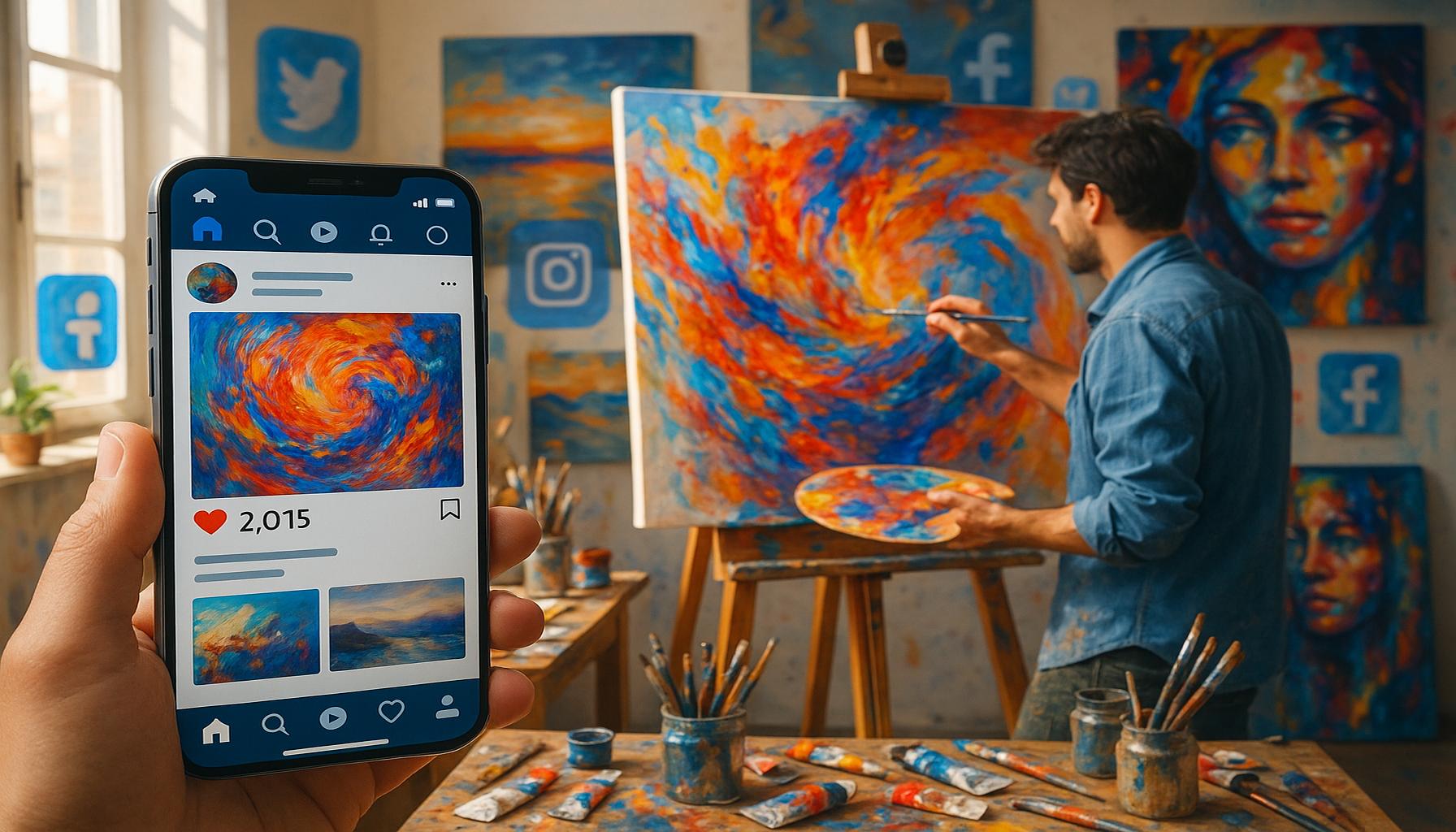
Engaging in creative hobbies isn’t merely a way to pass the time; rather, it serves as a potent catalyst for enhancing mental well-being. Across the United States, countless individuals are discovering that immersion in creative pursuits—be it painting, writing, crafting, or even digital art—leads to a myriad of psychological benefits that contribute to a healthier mind and spirit.
One of the most significant advantages of creative engagement is its potential for stress reduction. Studies have shown that activities like painting or sculpting can lower cortisol levels, the body’s primary stress hormone. When people create, they often enter a state akin to meditation, allowing them to escape daily pressures and immerse themselves in the act of creation. Sharing these experiences with others can further amplify these benefits, as community involvement in art often provides a safe space for expression and release.
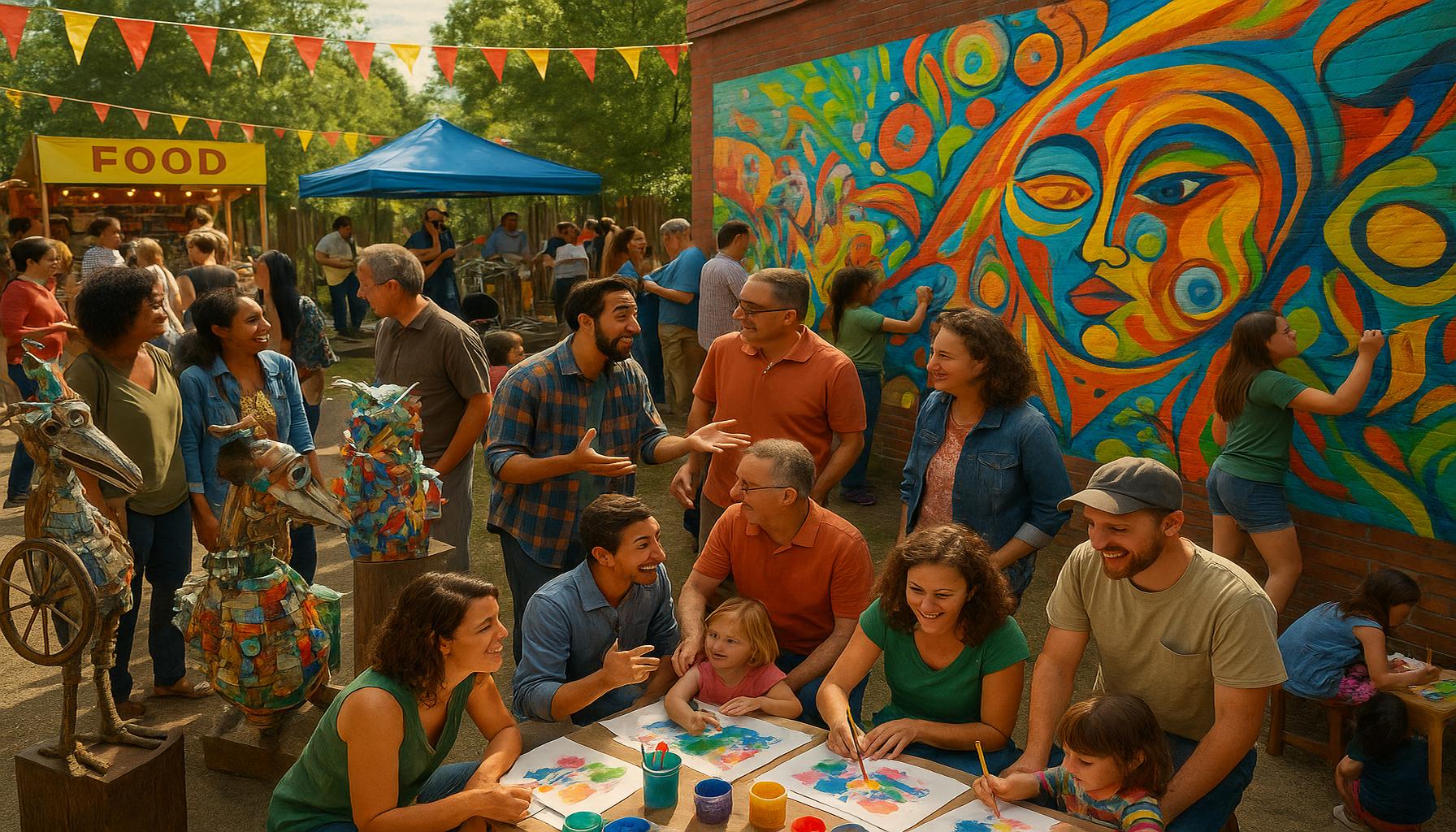
Beyond stress alleviation, participating in collective creative endeavors can lead to an enhanced mood and an invaluable sense of belonging. Group activities, such as community theater productions, collaborative mural projects, or poetry readings, create opportunities for individuals to not only showcase their talents but also connect with others who share their passions. These camaraderie-filled interactions foster a supportive environment where participants celebrate one another’s successes, bolstering overall morale.
Moreover, engaging with peers in creative settings can significantly boost self-esteem. Collaborating on artistic projects encourages individuals to step outside their comfort zones, leading to personal growth and confidence. For example, attending workshops where individuals learn together not only sharpens skills but also cultivates a sense of achievement, reinforcing one’s self-worth. Such experiences promote resilience and alleviate feelings of isolation, especially prevalent in the digital age.
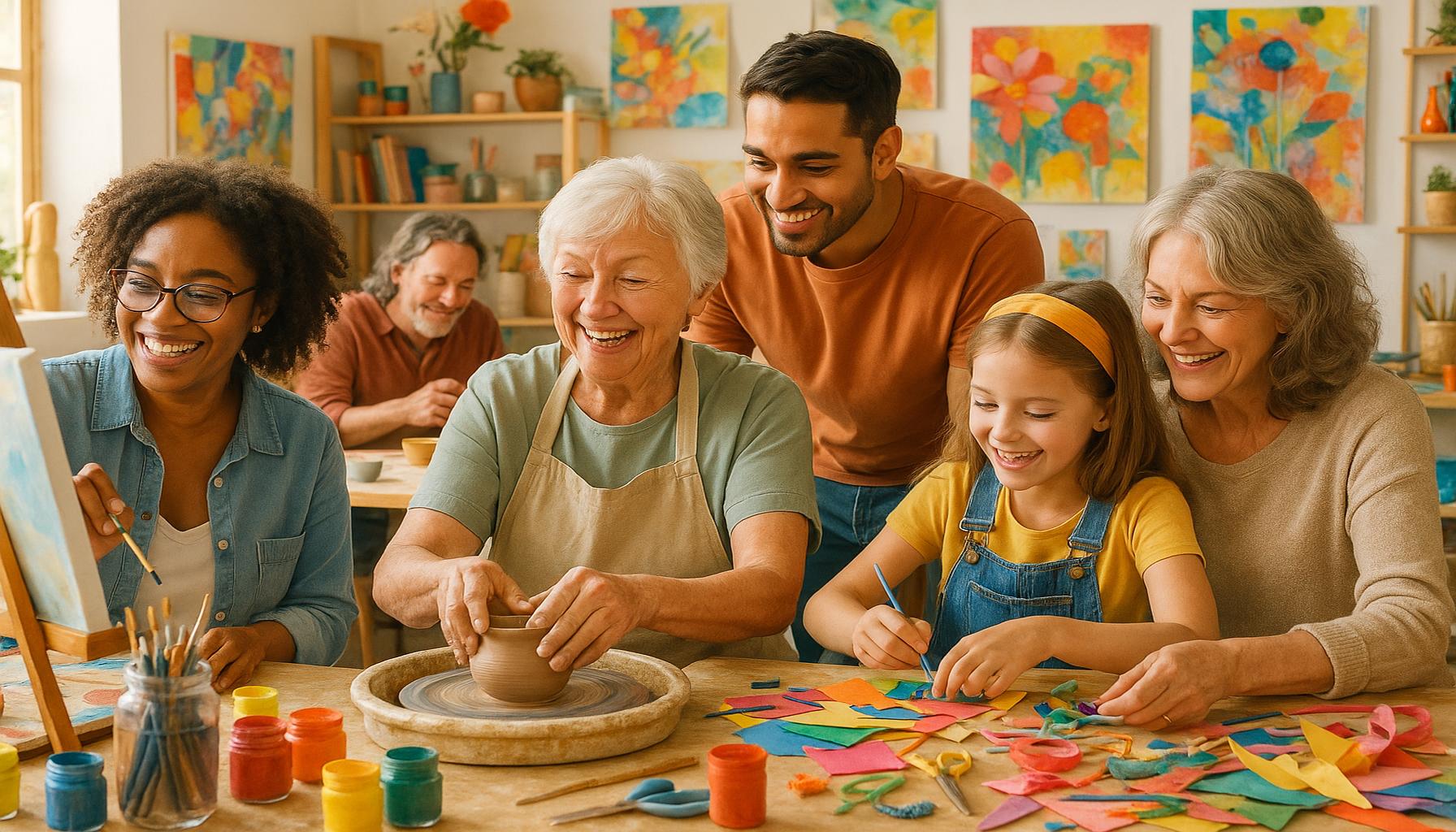
Accessibility to creative outlets has skyrocketed thanks to the rise of community art studios, local clubs, and online platforms such as Skillshare and Meetup. Individuals from all walks of life can nurture their unique talents while incorporating social interaction into their routines. This newfound access enhances mental health by fostering community bonds and encouraging individuals to pursue their creative journeys in a supportive atmosphere.
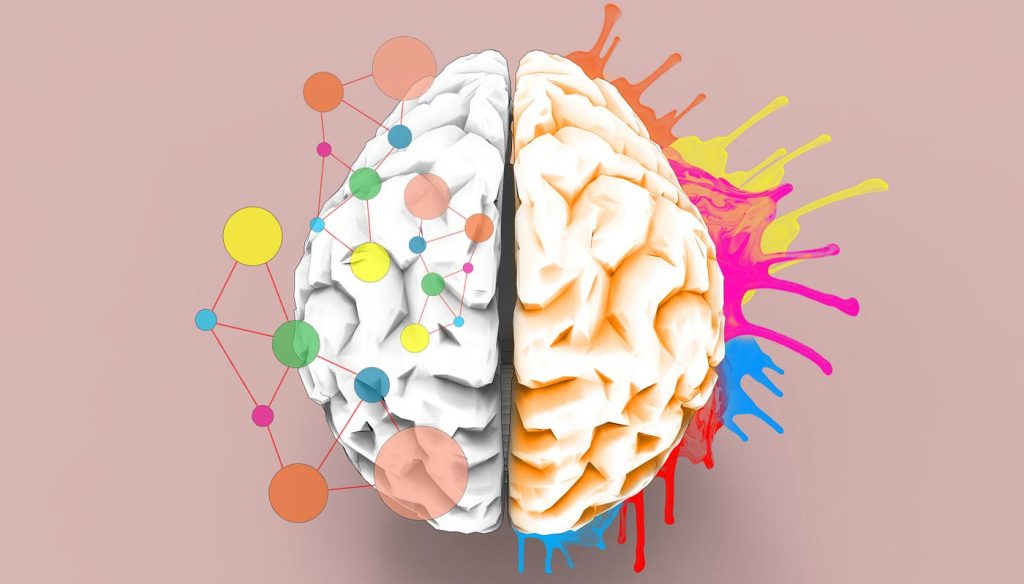
In summary, embracing creativity not only unlocks individual potential but also weaves a vibrant tapestry of social connections that foster emotional stability. Whether it’s through local art initiatives or online communities, the path to mental well-being can be as colorful and varied as the art itself.
Unlocking Creative Potential Through Social Connections
The intersection of creativity and social interaction fosters an environment ripe for psychological growth and healing. Research highlights that engaging in creative hobbies not only stimulates individual talents but also cultivates community ties that enhance mental health. Collaborative efforts in various artistic endeavors allow participants to derive fulfillment and purpose, significantly diminishing feelings of loneliness and anxiety.
When individuals come together to share their creative pursuits, they create an atmosphere of encouragement and support. Taking part in activities such as group painting sessions, writing circles, or dance classes allows individuals to infuse their personal expression into a collective experience. This shared journey can lead to numerous benefits:
- Social Engagement: Building connections through creativity generates a network of friends and allies. These relationships can be particularly beneficial for those experiencing social anxiety or difficulty in traditional social settings.
- Increased Inspiration: Working within a group setting can inspire individuals to think outside the box, leading to innovative ideas and approaches that one might not discover alone.
- Collective Problem Solving: Collaboration encourages participants to tackle challenges together, fostering a sense of camaraderie and shared achievement.
Moreover, the psychological benefits extend further when participants reflect on their experiences within a community context. Engaging in creative hobbies with others often leads to an enhanced understanding of diverse perspectives. Different artistic backgrounds can spark valuable discussions, showcasing how varied experiences shape individuals’ forms of expression. This diversity in creativity not only enriches personal skills but also broadens one’s emotional intelligence, transforming how individuals relate to each other and the world.
Furthermore, many community initiatives across the United States actively promote creativity as a tool for mental health. Programs in urban areas frequently offer workshops and classes aimed at uniting different demographics through the arts. By participating in such initiatives, individuals can experience the powerful effects of collaborative creativity, drawn together by a common passion for artistic expression.
In this dynamic fusion of creativity and social interaction, numerous studies indicate that participants often experience a significant decrease in feelings of depression and anxiety. For instance, findings published in leading psychological journals have demonstrated that people actively involved in group artistic activities report higher levels of life satisfaction. This effect is particularly pronounced among those who have previously struggled with mental health concerns.
The embrace of creative hobbies through community interaction not only acts as a conduit for joy and fulfillment but also nurtures a sense of shared humanity. The experience of connecting with others in the realm of artistic expression can lead individuals to discover strengths and resilience they may not have realized they possessed.
| Category | Benefits |
|---|---|
| Social Connection | Creative hobbies encourage people to engage, share ideas, and form lasting friendships. |
| Mental Health Improvement | Engaging in creative activities can reduce anxiety and depression through expression and interaction. |
| Cognitive Development | Participating in group projects enhances problem-solving skills and fosters innovative thinking. |
Engaging in creative hobbies often requires collaboration and communication, fostering stronger social ties. Whether through group painting classes or community theater, these activities facilitate a sense of belonging. Studies have indicated that individuals who partake in joint creative ventures report higher levels of life satisfaction, highlighting the intrinsic link between social interaction and mental well-being. Furthermore, the process of creating, whether it involves writing, crafting, or performing, acts as a therapeutic outlet. By expressing thoughts and emotions through creativity, participants can experience an uplift in mood and decreased feelings of isolation. This highlights the significance of creative hobbies not only as individual pursuits but as vital components of communal engagement, reinforcing the notion that we are better together. Exploring new artistic avenues in group settings not only enhances creativity but also drives cognitive development, allowing individuals to view problems from various perspectives. Such collaborative environments can lead to remarkable breakthroughs, benefitting both personal and community growth. Ultimately, the benefits of creative hobbies extend far beyond self-expression—they are instrumental in enhancing our collective psychological landscape.
Enhancing Mental Health Through Group Creativity
As individuals engage in creative hobbies with others, they often find themselves stepping outside their comfort zones, which is critical for personal growth. The act of creating alongside peers invites an opportunity to explore vulnerabilities, leading to stronger emotional connections. Activities such as community theater productions, collective mural projects, or collaborative music sessions provide supportive environments where individuals can share their feelings and experiences, reinforcing a sense of belonging.
One significant advantage of group creativity is the concept of therapeutic engagement. Studies reveal that participating in hobbies like pottery classes or art therapy groups can lower cortisol levels—often referred to as the “stress hormone.” When individuals immerse themselves in artistic creation while surrounded by others, the act itself becomes a source of distraction from daily stressors. Participants often report a remarkable reduction in symptoms of anxiety and an increased sense of calm, prevalent in those who partake regularly in group arts activities.
Moreover, the communal aspect of creative hobbies has a profound impact on fostering self-esteem and confidence. Individuals who might struggle with self-doubt or negative self-images find a breach of that cycle through positive reinforcement from fellow participants. For instance, a novice photographer might feel more confident presenting their work in a friendly gallery setting where peers offer constructive feedback. The support received can validate their efforts and inspire further exploration of their own artistic voice.
- Development of Social Skills: Creative hobbies in group settings naturally enhance interpersonal skills. As individuals collaborate, they practice essential skills such as communication, empathy, and active listening, which can lead to better relationships outside of the creative space.
- Resilience Building: Engaging in challenging creative tasks collectively encourages participants to persevere through difficulties. This shared experience not only develops problem-solving skills but also cultivates a shared sense of resilience. When artists face setbacks, they learn to rely on their peers for encouragement.
- Exploration of Identity: Community art projects often require individuals to reflect on their cultural backgrounds and social identities, helping them to discover their unique voices. This exploration is crucial in building a sense of self-worth and understanding one’s place within a community.
Creative collaborations are increasingly becoming a popular form of therapy in diverse settings across the United States. From local community centers to art festivals, workshops are being organized that not only concentrate on nurturing artistic talent but also on promoting psychological well-being. For instance, organizations like Sips and Strokes and Paint Nite have gained traction, bringing together individuals to create art while enjoying beverages, thus marrying social interaction with creativity in a lighthearted manner.
Importantly, the benefits of these shared experiences are not confined to those participating in traditional art forms. Workshops focused on culinary arts, crafting, and even digital creativity have emerged as vital spaces for social interaction, highlighting the versatility of creative hobbies in fostering mental well-being. The convergence of creativity and collaboration not only makes art accessible but also affirms its role as a significant tool for enhancing emotional health.
As individuals continue to embrace creative hobbies within a social context, ongoing research into the psychological benefits of engaging in these activities will only deepen our understanding of their impact. The insights gained may provoke new practices and encourage the development of community programs aimed at reducing mental health issues through the pure joy of creativity shared among peers.
Conclusion: Uniting Creativity and Connection for Mental Wellness
Engaging in creative hobbies through social interaction offers profound psychological benefits that extend beyond simple enjoyment. As individuals take part in collaborative artistic pursuits, they not only tap into their creative potential but also foster deeper emotional connections with their peers. By participating in group activities—whether in theater, visual arts, or music—individuals create a nurturing environment that promotes healing, self-discovery, and mutual support.
The therapeutic engagement found in these settings can lead to significant reductions in anxiety and stress, facilitating a pathway for individuals to explore their vulnerabilities and build self-esteem. Research continues to demonstrate how participation in group creativity can enhance social skills and resilience, teaching valuable lessons in communication and empathy along the way. The exploration of identity through collaborative projects further reinforces one’s sense of belonging within a community.
As the popularity of creative hobbies continues to rise across the United States, driven by organizations that promote these collaborative experiences, it becomes evident that their psychological impact warrants further investigation. The connection between creativity and mental wellness is clear; such activities can serve as powerful tools for not only enriching individual lives but also promoting a healthier society. By diving deeper into the psychological benefits of creative hobbies, communities can harness this potential to address mental health challenges and foster a culture of support and creativity that uplifts everyone.