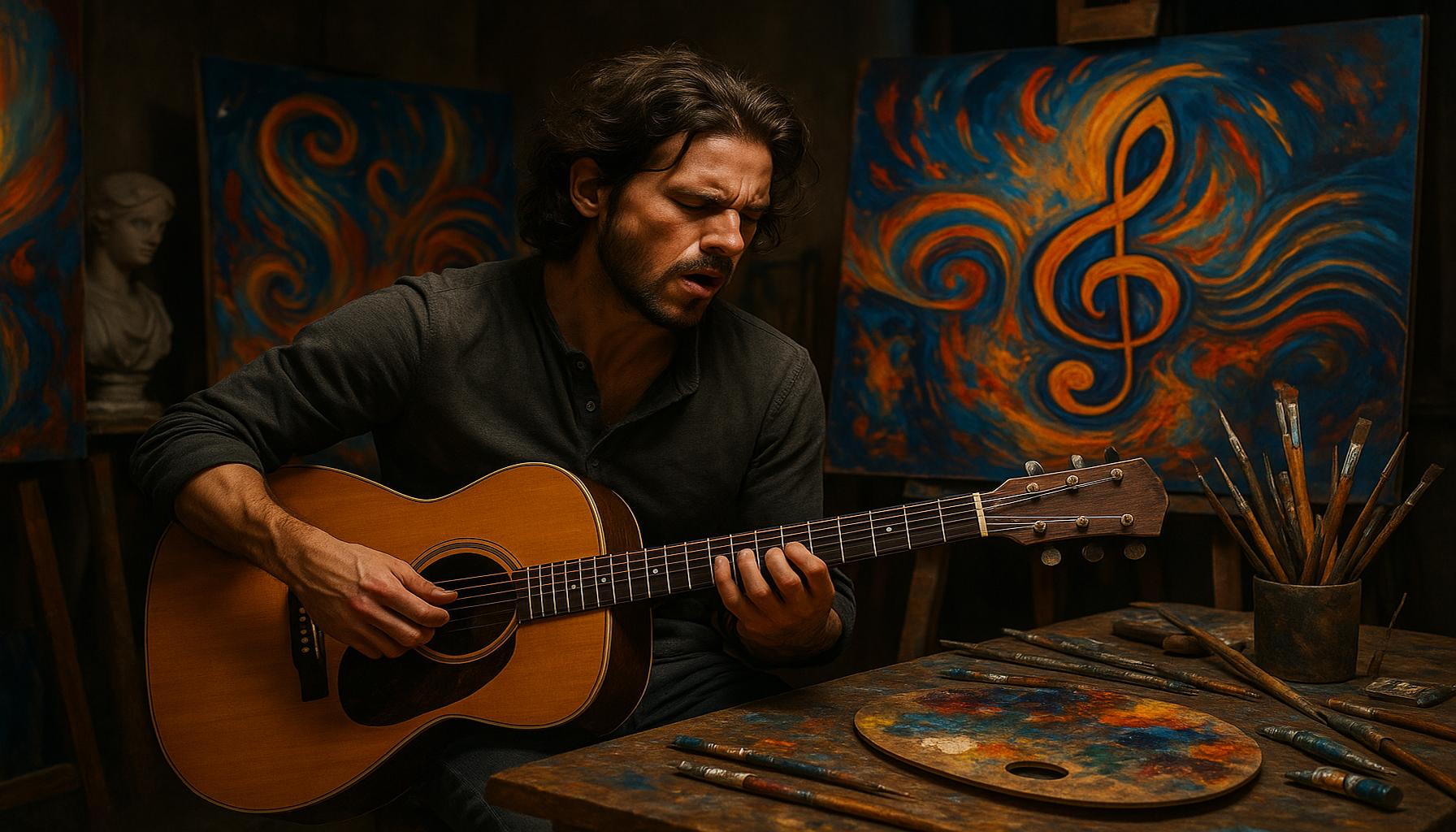
The Interpretation of Abstract Art: Unlocking Creativity and Personal Expression in Non-Figurative Works
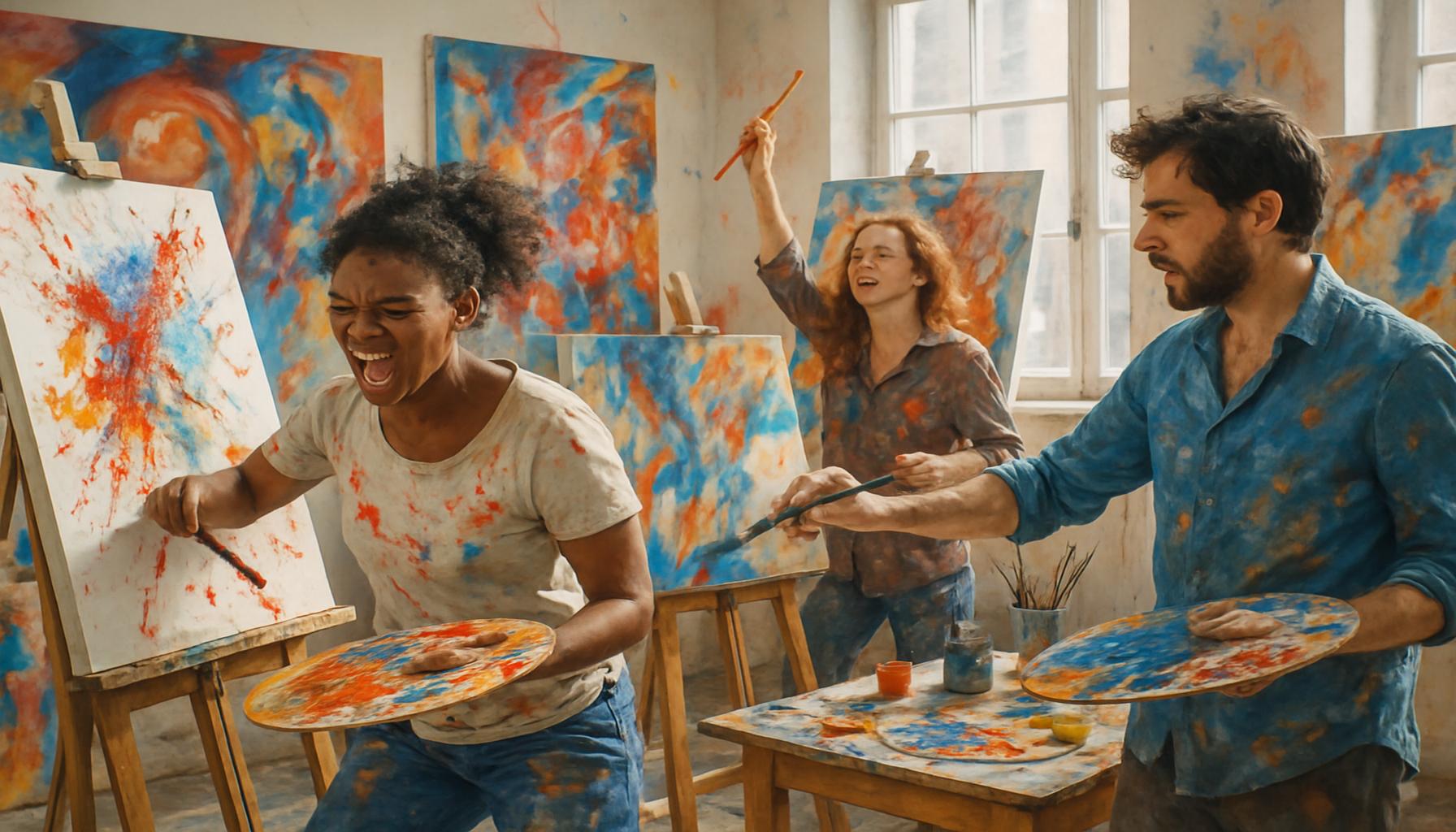
Abstract art challenges the viewer’s perception and understanding of visual experience by emphasizing the exploration of form, color, and composition rather than representational accuracy. The allure of this art form lies in its ability to offer a personal journey into imagination and emotion, where every individual can derive unique interpretations based on their own life experiences and feelings. Unlike traditional art, which often relies heavily on established symbols or recognizable subjects, abstract art embraces ambiguity and invites a more subjective engagement with the artwork.
The Essence of Non-Figurative Works
Non-figurative works are a testament to the power of abstraction, allowing artists to break free from conventional boundaries. The distinctive characteristics of this art form include:
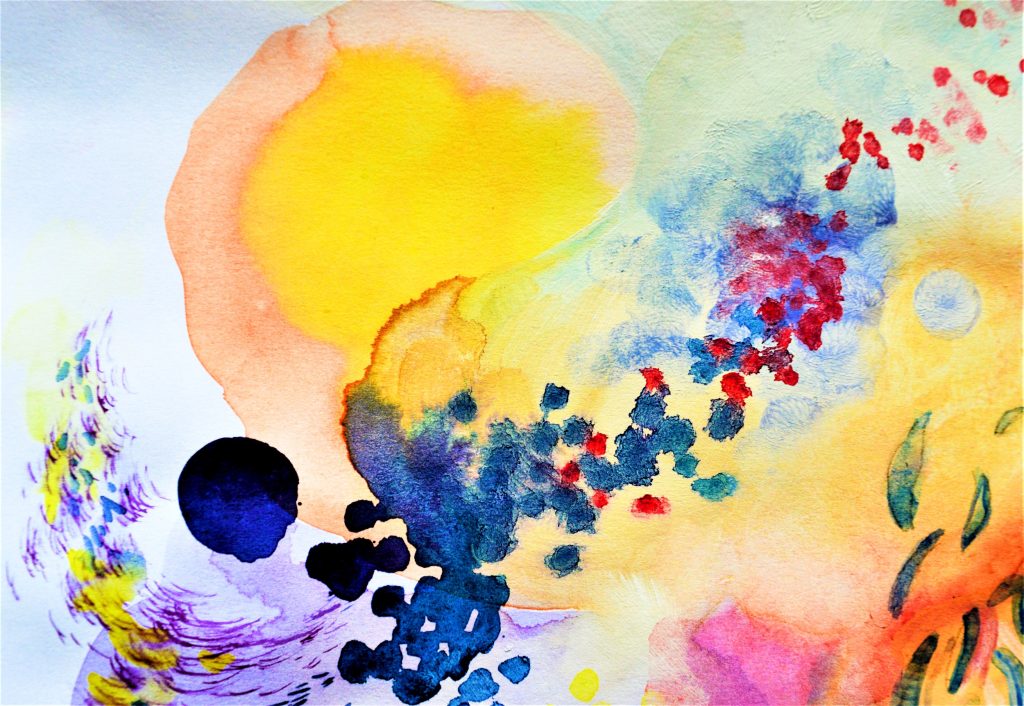
- Color Play: Colors in abstract art are often carefully selected to evoke specific moods or feelings. For instance, bright yellows may inspire joy, while deeper blues could convey tranquility or melancholy. The emotional resonance of colors can deeply impact the viewer’s experience, making each piece profoundly personal.
- Dynamic Shapes: The artist’s choice of shapes can challenge the observer’s perception. Jagged lines can create tension, while sweeping curves might impart a sense of calm. This dynamic interplay forces viewers to grapple with their interpretations, encouraging a deeper contemplation of the artwork.
- Unique Textures: Many abstract artists experiment with various materials to create unique textures that add another layer to their work. Techniques like thickly applied paint or mixed media can transform a flat surface into a tactile experience, inviting audiences to interact with the piece, not just visually but physically.
The United States has played a pivotal role in the evolution of abstract art, particularly with the advent of significant movements such as Abstract Expressionism and Color Field painting. Artists like Jackson Pollock, known for his drip paintings that capture the essence of movement and emotion, and Mark Rothko, whose color-block canvases evoke profound spirituality and introspection, have revolutionized the way we perceive art. Through their innovative techniques and philosophies, they established a platform for artists to explore and express their innermost thoughts and feelings in non-representational ways.
Unlocking Creativity Through Interpretation
Engagement with abstract art is a multifaceted experience that transcends mere visual appreciation. To fully immerse oneself, one should consider the following approaches:
- Personal Reflection: Engage with the artwork by noting personal emotions and reactions it brings forth. Does it resonate with you? What memories or feelings does it evoke? Each viewer’s emotional landscape plays a crucial role in shaping their experience of the piece.
- Contextual Analysis: Understanding the historical and cultural context of the artwork can deepen appreciation. Researching the era in which the artist worked, as well as the prevailing societal themes, can enhance the viewer’s insight into the piece’s significance.
- Open Dialogue: Discussing interpretations with others can provide new insights and enhance personal understanding. Art communities, both physical and online, offer platforms where individual perspectives can collide, sparking deeper discussions and collaborations.
As you navigate this vast and intriguing world of abstract art, you may uncover layers of creativity and personal expression waiting to be explored. Each interaction with a piece can be a new adventure, leading to revelations about the art itself as well as oneself.
EXPLORE MORE: Click here to discover the benefits of movement for mental well-being
Exploring the Depths of Abstract Art
Abstract art, with its non-representational nature, invites viewers to embark on an imaginative journey that transcends conventional aesthetics. This art form acts as a mirror, reflecting not only the artist’s intentions but also the diverse interpretations of its audience. Much of the intrigue surrounding abstract art lies in its ability to provoke thought and stir emotions, resulting in a highly personalized experience that can be both enlightening and liberating.
One might wonder, what exactly makes abstract art resonate on such a profound level? The answer lies in its inherent ability to engage the viewer’s emotions and intellect simultaneously. Unlike traditional artworks, which often convey clear narratives or recognizable imagery, abstract pieces encourage a more introspective interaction. Here, the viewer’s reflections and thoughts become part of the experience, creating a unique dialogue between the observer and the artwork. This interaction is crucial in unlocking creativity and personal expression.
The Role of Interpretation
Interpretation is at the heart of the abstract art experience. When gazing upon a non-figurative work, each viewer brings their background—cultural, emotional, and personal—to the interaction. This results in a myriad of interpretations, making abstract art a captivating study of human perception. Here are some methods of interpretation that can deepen one’s appreciation:
- Emotional Resonance: Abstract art often elicits a visceral response, prompting viewers to connect with certain shapes and colors that resonate with their personal emotions. For example, a chaotic explosion of colors might evoke feelings of anger or excitement, while softer, subdued tones may invoke a sense of calm or introspection.
- Intuitive Engagement: In abstract art, the elements of design—such as lines, shapes, and space—work together to create an overall impression. Engaging intuitively with the piece can lead to spontaneous insights, revealing layers of meaning that may not be immediately visible.
- Contextual Understanding: Investigating an artist’s background and the historical context in which the artwork was created can enhance appreciation. Knowing that a piece was influenced by a particular art movement or personal experience can provide significant insight, revealing how broader themes like social change, war, or identity manifest within the artwork.
This rich tapestry of interpretation highlights the importance of individual perspectives in experiencing abstract art. For instance, the stark contrasts found in a painting by Willem de Kooning can evoke disparate reactions across different viewers, encapsulating their unique life stories and emotions. This dynamic interchange between the art and its audience allows abstract works not only to be viewed but to be felt, experienced, and contemplated.
As we delve deeper into the world of abstract art, we unlock hidden pathways that lead to enhanced creativity and self-awareness. Each piece encourages exploration beyond the surface, beckoning individuals to discover both the artwork’s intrinsic essence and their personal reflections within its colorful bewilderment.
The Emotional Journey Through Non-Figurative Art
Abstract art serves as a powerful medium for emotional exploration, provoking a spectrum of responses from its viewers. Each piece is a gateway to introspection, inviting individuals to reflect on their own feelings and experiences. Unlike representational art, which often seeks to tell a story or depict a scene, non-figurative works transcend the limitations of visual narratives. They allow for a more personal interpretation, where the viewer’s emotional state plays a pivotal role in shaping their understanding of the artwork. The use of color, shape, and form in abstract art creates a dynamic language that communicates beyond words. Take, for instance, the works of artists like Wassily Kandinsky or Piet Mondrian, who utilized geometric shapes and vibrant hues to evoke specific emotional responses. Modern interpretations of such art continue this tradition, enabling contemporary artists to challenge societal norms and expectations. Moreover, engaging with abstract art can foster a sense of liberation. Viewers who embrace this art form often find themselves experimenting with their own creative expression, unbound by conventional techniques or expectations. Workshops and interactive exhibitions focused on abstract painting have gained popularity, highlighting this profound relationship between observation and personal expression. These experiences invite participants to step outside their comfort zones, explore their creativity, and discover the depths of their personal narratives through the vibrant universe of abstract art.
Connection and Community
In addition to individual emotional responses, abstract art is pivotal in forging connections among diverse groups. The art world is a melting pot of cultures, ideas, and perspectives, and abstract art exemplifies this beautiful intersection. It breaks down barriers, inviting conversations that traverse language and cultural differences, making it a universal mode of expression. Art collectives and community projects centered around non-figurative works encourage collaboration and dialogue. Participants from varying backgrounds share their interpretations, fostering a collaborative spirit. These interactions can enhance appreciation for not only the artworks but also the artists, creating a rich network of support and inspiration.Many galleries and museums are now curating exhibitions that focus specifically on abstract art’s role in community engagement, highlighting its potential as a tool for social change. Such initiatives are vital as they allow individuals to explore collective identities and histories while embracing individual creativity. By highlighting these facets of abstract art, we uncover its profound impact—not just as a form of personal expression, but as a cultural phenomenon that connects and inspires. The journey through non-figurative art is not merely about observation; it encourages personal interpretations that resonate deeply with our shared human experience, unlocking layers of creativity waiting to be discovered.
DIVE DEEPER: Click here to discover the impact of music and dance</p
Unlocking Personal Narratives through Abstract Art
Beyond the realms of emotion and intuitive engagement, abstract art serves as a powerful vehicle for personal narratives. Each brushstroke, each burst of color, and every abstract form can encapsulate the artist’s journey, offering viewers an invitation to explore their own stories in relation to the work. As a result, abstract art becomes more than just visual stimulation; it becomes a catalyst for personal reflection and storytelling.
The Intersection of Art and Identity
Abstract art often intersects with themes of identity, culture, and life experiences. Artists like Mark Rothko harnessed the power of color and form to explore the human condition, while their audience can relate this exploration to their own diverse identities. For example, the deep, emotional tones in Rothko’s color field paintings resonate with viewers who seek solace or come to terms with their own struggles, thus solidifying a personal connection that transcends the artwork itself. The notion of self-identity can manifest in various forms, giving rise to deep-seated reflections and conversations about race, gender, and personal history.
This connection becomes evident when considering the contributions of contemporary artists such as Julie Mehretu, who integrates maps and history into her abstract works. Mehretu’s paintings often weave personal and collective memory into a narrative of the urban landscape, prompting viewers to think critically about their experiences in relation to societal structures. The viewer may find parallels between Mehretu’s work and their own journey through life, illuminating the often complex relationship between self and environment.
Abstract Art as a Space for Exploration
In a broader cultural context, abstract art also serves as a platform for societal critique and exploration. It challenges viewers to confront current issues related to modern life—be it the fragmentation of communication, globalization, or the experience of alienation. As highlighted by art theorist Renee Gladman, abstract works can be seen as representations of the complexity of contemporary experience, allowing viewers to confront their discomforts and joys alike. This duality fosters the potential for both personal growth and communal dialogue.
Moreover, galleries and exhibitions in the United States, such as the Whitney Museum of American Art in New York, showcase a vibrant collection of abstract works that illustrate these themes of exploration and identity. These institutions often curate exhibitions designed to engage audiences in meaningful discussions about the artwork while providing insight into the motivations and contexts that inform the artists’ practices. This creates an environment where individual interpretation flourishes, encouraging new narratives to emerge from the artwork.
Promoting Creative Expression
Engaging with abstract art also empowers individuals to tap into their creative instincts. Viewers often take inspiration from abstraction to express their feelings, whether through writing, painting, or even other forms of art. The lack of defined boundaries in abstract art fosters a sense of freedom—viewers are invited to challenge traditional perceptions and rediscover their creative voices. Artists encourages experimentation, reassuring onlookers that their interpretations, no matter how disparate, are valid and valuable.
In summary, the interpretative nature of abstract art not only enriches personal expression but also widens the aperture through which one can examine identity and societal reflection. By unlocking these facets of human experience, abstract art invites us to embrace the complexities and nuances of both the self and the world around us, shifting our understanding from mere observation to active participation in the dialogue of art.
DIVE DEEPER: Click here to discover the psychological benefits of creative hobbies
Conclusion: Embracing the Language of Abstract Art
In the journey of understanding abstract art, we unveil a profound narrative that not only resonates with individual experiences but also serves as a mirror to societal dynamics. Through the lens of abstraction, each viewer finds a unique opportunity to connect their personal stories—with artists like Mark Rothko and Julie Mehretu leading the way—encouraging reflections on identity, culture, and emotional landscapes. The rich tapestry of colors, forms, and textures acts as an open dialogue, inviting contemplation and fostering a deeper understanding of oneself within a communal narrative.
Moreover, abstract art stands as a cornerstone for creativity, encouraging exploration beyond conventional boundaries. By engaging with these non-figurative works, individuals can channel their feelings and experiences into various forms of self-expression, whether through art, writing, or other mediums. The flexibility embedded in abstraction liberates minds, prompting viewers to break free from the constraints of traditional representation and to embrace their interpretations as valid and significant.
As we ponder the implications of abstract art in contemporary society, it becomes evident that these works are not just visual entities but vibrant landscapes of thought and emotion. By participating in the interpretative process, we cultivate a broader awareness of the complexities of human existence, offering a space where personal expression and societal reflection intertwine. Ultimately, the world of abstract art challenges us to engage, explore, and innovate, prompting both individual and collective growth in an ever-evolving cultural environment. It is this essential dialogue that enhances our appreciation for art as a transformative experience, urging us to see beyond the surface and discover the boundless realms of human creativity.