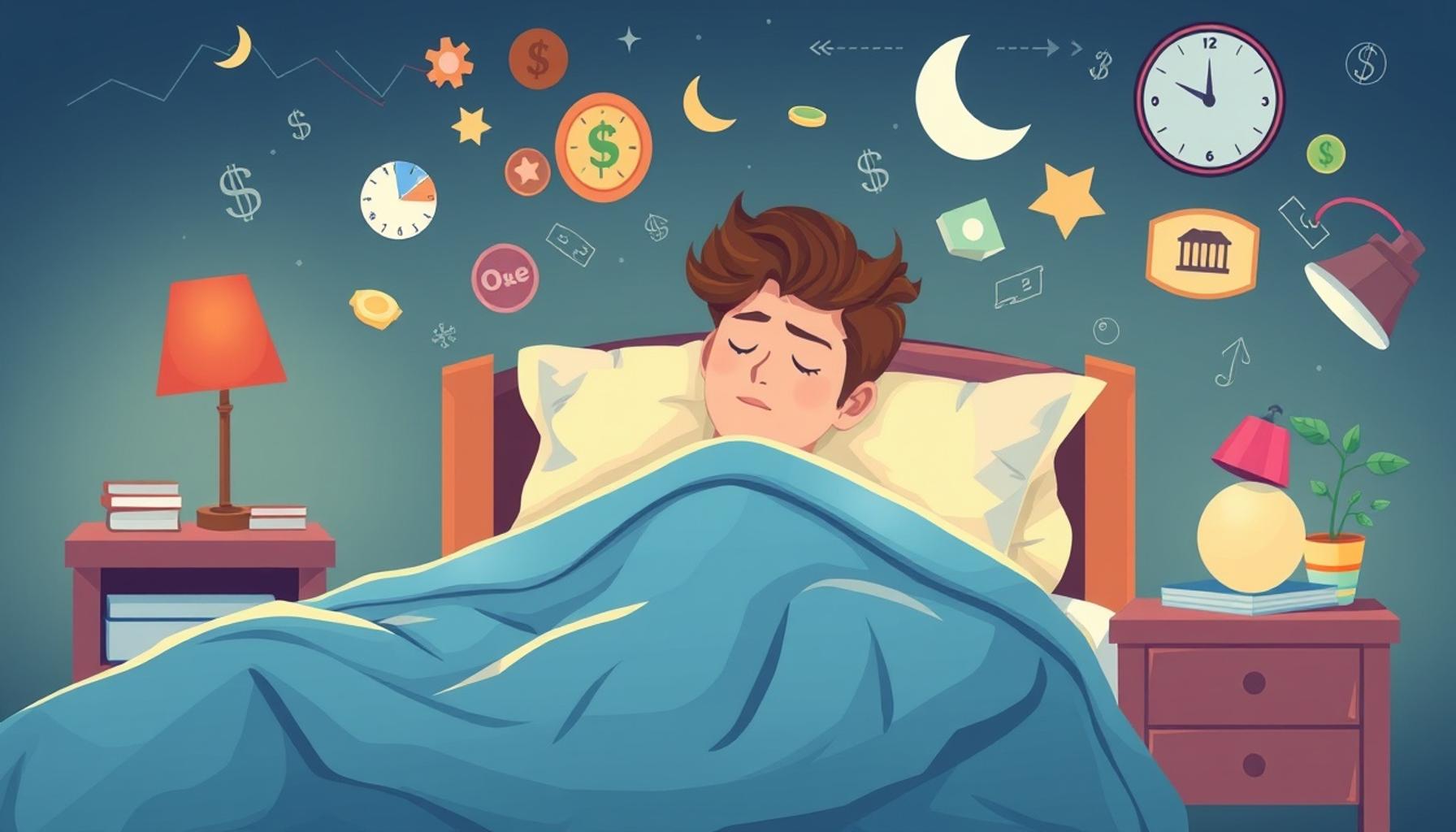
The Influence of Sleep on Stress Management

Exploring the Link Between Sleep and Stress
Quality sleep serves as the body’s natural reset button, allowing us to recover from the daily pressures of life. When we neglect our sleep, stress levels can rise dramatically, creating a detrimental cycle that affects both our mental and physical health. To truly appreciate the significance of sleep in stress management, we must examine its various influences on our well-being.
Consider the following aspects of how sleep affects stress management:
- Restoration and Recovery: Sleep is not just a time for rest; it is a vital period for bodily restoration. During the deeper phases of sleep, particularly REM (Rapid Eye Movement) sleep, the body engages in essential physiological processes. These include the release of hormones like cortisol, which regulates stress responses. Moreover, studies have shown that good sleep can promote immune function, essential for fighting off common illnesses that add to our stress levels.
- Cognitive Function: A well-rested brain operates optimally, enhancing our ability to concentrate, make decisions, and solve problems. Lack of sleep can impair these cognitive functions, leading to decreased productivity and heightened irritability. A study published in the journal “Sleep” highlighted that individuals with sleep deprivation struggle to perform even simple tasks due to cognitive fatigue, ultimately heightening feelings of stress when faced with challenges.
- Emotional Regulation: Our emotional resilience is closely tied to sleep quality. When we are well-rested, we are better equipped to handle emotional challenges, making us less susceptible to anxiety and overreacting. According to research conducted at the University of California, Berkeley, sleep deprivation can lead to exaggerated emotional responses, which can intensify feelings of stress.
Despite the importance of sleep, a staggering number of adults in the United States experience chronic sleep deprivation. Reports suggest that approximately 35% of U.S. adults routinely fail to meet recommended sleep durations, which is at least seven to eight hours per night. This shortfall can exacerbate stress and lead to various health issues, including:
- Cardiovascular problems: Prolonged stress and inadequate sleep are significant contributors to heart disease, high blood pressure, and other cardiovascular issues.
- Weakened immune system: Insufficient sleep can diminish immune responses, making individuals more vulnerable to infections and illnesses.
- Mental health disorders: The connection between poor sleep and mental health is increasingly recognized. Conditions such as depression and anxiety can worsen due to chronic sleep insufficiency.
Recognizing and understanding the intricate relationship between sleep and stress is pivotal for developing effective management strategies. By prioritizing sleep hygiene—such as maintaining a consistent sleep schedule, creating a restful environment, and practicing relaxation techniques—individuals can enhance their ability to cope with stress and improve their overall well-being. In navigating this journey towards better health, one may discover that improving sleep quality is a substantial step towards achieving a more balanced and manageable life.
The Importance of Sleep for Stress Resilience
Understanding the vital role that sleep plays in stress management is crucial in today’s fast-paced society. With the demands of work, family, and social obligations, many individuals sacrifice sleep, often unaware of the long-term consequences of such choices. Quality sleep, rather than merely a luxury, is an essential component that influences our daily capacity to handle stress and adversity.
One of the most significant aspects of sleep’s influence on stress management lies in its restorative properties. During sleep, particularly during the deeper stages including slow-wave sleep and REM sleep, the body performs vital repair and recovery processes. Research has shown that adequate sleep helps regulate the release of stress hormones, such as cortisol. Cortisol levels fluctuate during the day, peaking in the morning and declining throughout the evening; however, chronic sleep deprivation can lead to sustained high levels of cortisol, resulting in heightened stress and anxiety. This physiological response not only diminishes our ability to cope with stress but can also lead to chronic health issues.
Sleep also plays a critical role in enhancing cognitive function, enabling individuals to navigate stressors more effectively. A lack of proper rest affects cognitive abilities such as memory, attention, and problem-solving skills. A study published in the Journal of Clinical Sleep Medicine indicated that adults who experienced inadequate sleep reported difficulties in algorithmic reasoning, decision-making, and multitasking. Consequently, these cognitive deficits can cause increased frustration and stress, especially in high-pressure environments. The capacity to focus and make sound judgments diminishes, leading to a downward spiral of poor performance and escalating anxiety.
Furthermore, sleep is intricately linked to emotional regulation. Emotional resilience, or the ability to bounce back from setbacks, is significantly influenced by how well-rested we are. Research conducted at Harvard Medical School revealed that sleep-deprived individuals are more prone to negative emotional reactions, such as irritability and mood swings, contributing to a heightened sense of stress. When emotions are not well regulated, even minor challenges can appear insurmountable, ultimately overwhelming us.
Amidst these responses, it’s essential to reflect on the broader implications of sleep deprivation. Chronic poor sleep can lead to a multitude of health concerns, including:
- Increased risk of chronic diseases: Conditions such as diabetes, obesity, and hypertension are linked to poor sleep quality.
- Impaired immune function: Sleep is crucial for a strong immune system, and its absence can lead to frequent illnesses.
- Elevated anxiety and depression: Individuals experiencing sleep shortages are at a higher risk for developing mood disorders.
Recognizing the profound connections between sleep and stress sets the foundation for developing effective coping strategies. By prioritizing sleep and creating healthy sleep environments, individuals can empower themselves to manage stress more effectively. A commitment to sleep hygiene, such as maintaining regular sleep schedules and avoiding screens before bedtime, can be transformative, leading to enhanced well-being and healthier responses to life’s inevitable pressures.
| Advantages | Details |
|---|---|
| Enhanced Cognitive Function | Sleep plays a crucial role in memory consolidation and decision-making abilities, leading to improved performance in stress-filled situations. |
| Better Emotional Regulation | Quality sleep helps maintain a balanced mood and mitigates feelings of anxiety and depression, which are often heightened under stress. |
Understanding the connection between sleep and stress management can be transformative. Quality rest not only revitalizes our body but also equips our mind to handle pressures more effectively. Numerous studies reveal that individuals who prioritize sleep experience fewer stress-related symptoms, underscoring how integral restful slumber is to emotional stability. Additionally, adopting consistent sleep patterns fosters resilience by creating a foundation for overall well-being. As research continues to unfold, the intricate mechanics behind sleep’s influence on stress levels reveal new dimensions. Analytics show that individuals with better sleep hygiene exhibit higher levels of fortitude under duress. Embracing the importance of sleep can lead to proactive approaches for stress management, making it a focal point for individuals seeking to enrich their mental health strategies. Discovering techniques to enhance sleep can greatly empower individuals to combat daily stressors more effectively.
The Connection Between Sleep Quality and Stress Reactions
As we delve deeper into the influence of sleep on stress management, one cannot overlook the compelling relationship between sleep quality and our responses to stress. Poor sleep is not merely about the number of hours spent in bed; rather, it encompasses various aspects including sleep interruptions, restlessness, and the inability to achieve deep, restorative sleep. Research from the Centers for Disease Control and Prevention (CDC) indicates that nearly one-third of American adults report insufficient sleep, a trend that is alarming and calls for urgent attention to how it exacerbates stress levels.
One critical factor connecting sleep quality and stress is the impact on neurotransmitters—the chemical messengers in our brains. After a night of quality sleep, levels of serotonin increase, which in turn helps stabilize mood and contribute to feelings of well-being. Conversely, when sleep is disrupted or of poor quality, the balance of neurotransmitters is thrown off, increasing susceptibility to stress. A study published in the journal Biological Psychiatry revealed that adults with sleep disturbances exhibited elevated anxiety levels and were less capable of coping with stressors compared to individuals with consistent sleep patterns.
Sleep’s protective role extends to our physical health as well. During sleep, the body releases growth hormone, which is crucial for tissue repair and muscle growth, and these processes are vital for overall health and recovery from stress. Research from the National Sleep Foundation highlights that well-rested individuals are significantly more likely to have a robust immune response, thereby better defending against infections that can arise due to chronic stress. Given that the U.S. faces a challenging landscape of health issues related to stress—including cardiovascular diseases and weakened immune systems—the importance of high-quality sleep cannot be overstated.
Moreover, how we perceive stress can be influenced by sleep. A phenomenon known as the “stressor exposure effect” suggests that sleep-deprived individuals often exhibit a greater emotional and psychological response to stressors. For instance, a 2020 study conducted by Stanford University found that individuals who experienced sleep deprivation were more likely to perceive a neutral stimulus as threatening, potentially leading to increased stress responses in everyday situations. This cycle underscores how quality sleep acts as a buffer against stress by shaping our emotional landscape.
- Improved resilience: A solid sleep foundation allows individuals to face challenges with a clearer mindset, further reducing perceived stress.
- Lower physiological arousal: Good sleep leads to reduced heart rates and lower blood pressure, helping the body remain calm in stressful situations.
- Better behavioral responses: Well-rested individuals are often better equipped to engage in healthy behaviors such as exercise and adequate nutrition, further mitigating stress.
To truly harness sleep as a tool for stress management, practical applications such as mindfulness meditation before bedtime, sleep-friendly environments, and relaxation techniques can be essential. Individuals across the U.S. can explore personal practices such as journaling to unload the day’s stressors, soothing bedtime routines, and leveraging technology for sleep improvement through sleep tracking apps. By integrating these strategies, one can foster a deeper relationship with sleep, ultimately turning it into an ally for better stress management and resilience against life’s inevitable challenges.
Conclusion: The Vital Role of Sleep in Stress Management
In summary, the intricate connection between sleep quality and stress management reveals significant insights into our well-being. High-quality sleep not only rejuvenates physical health through essential restoration processes but also plays a pivotal role in regulating our responses to stress. As highlighted, the disruption of sleep impacts neurotransmitter balances, increases anxiety, and leads to an unfavorable perception of stressors, thereby exacerbating our stress levels. For individuals navigating the challenging landscape of modern life, understanding the paramount importance of sleep becomes crucial.
As stress-related health issues continue to rise in the United States, prioritizing good sleep hygiene is not merely an option; it is a necessity. Simple yet effective practices like creating sleep-friendly environments, establishing soothing bedtime routines, and utilizing technology for sleep improvement become invaluable tools in our stress management arsenal. Furthermore, being aware of the profound effects that quality sleep can have on our emotional landscape equips individuals with the knowledge to mitigate stress effectively.
While the demands of daily life often make sleep a secondary concern, cultivating a strong relationship with sleep can yield transformative results. By recognizing sleep as a fundamental ally against stress, we can empower ourselves not just to endure challenges but to thrive in the face of them. Embracing these changes offers a path not only to better health but also to a more resilient mindset—a necessary foundation for handling life’s inevitable pressures.