The Influence of Art on Mental Health: How Artistic Expression Can Help Overcome Personal Challenges
Recognizing the Therapeutic Power of Artistic Expression
Art has long been revered as a universal language, serving as a vehicle for communication that transcends geographical and cultural barriers. Yet, its significance extends far beyond mere aesthetics; it plays a crucial role in mental health and well-being. A plethora of research points to the profound benefits of engaging in artistic activities, suggesting that these creative endeavors can lead to substantial improvements in emotional and psychological health.
How Artistic Activities Facilitate Mental Health Improvement
Understanding the mechanisms behind art’s effect on mental health unveils a deeper appreciation for this form of expression. Several key aspects illustrate how engaging in artistic practices can bring about positive change.
- Emotional Release: Art provides a sanctuary for individuals to process their emotions. Creative outlets allow for the expression of complex feelings such as sadness, anger, or confusion that may be difficult to articulate. For instance, a person working through grief might express their sorrow through painting or music, offering a tangible outlet for their emotions.
- Stress Reduction: Scientific studies consistently show that immersing oneself in creative activities can significantly lower stress levels. The repetitive motions in painting or the cathartic nature of dance can divert attention from daily stressors, leading to a state of relaxation and mindfulness. In fact, even simple activities like coloring in adult coloring books have been noted for their calming effects.
- Enhanced Self-Esteem: Creating art often fosters a sense of accomplishment, regardless of the outcome. This can dramatically boost self-confidence, particularly for individuals who may feel marginalized or lack a voice in society. Programs that encourage people to publically display their artwork can amplify this effect, providing validation and recognition.
Art Therapy in Action
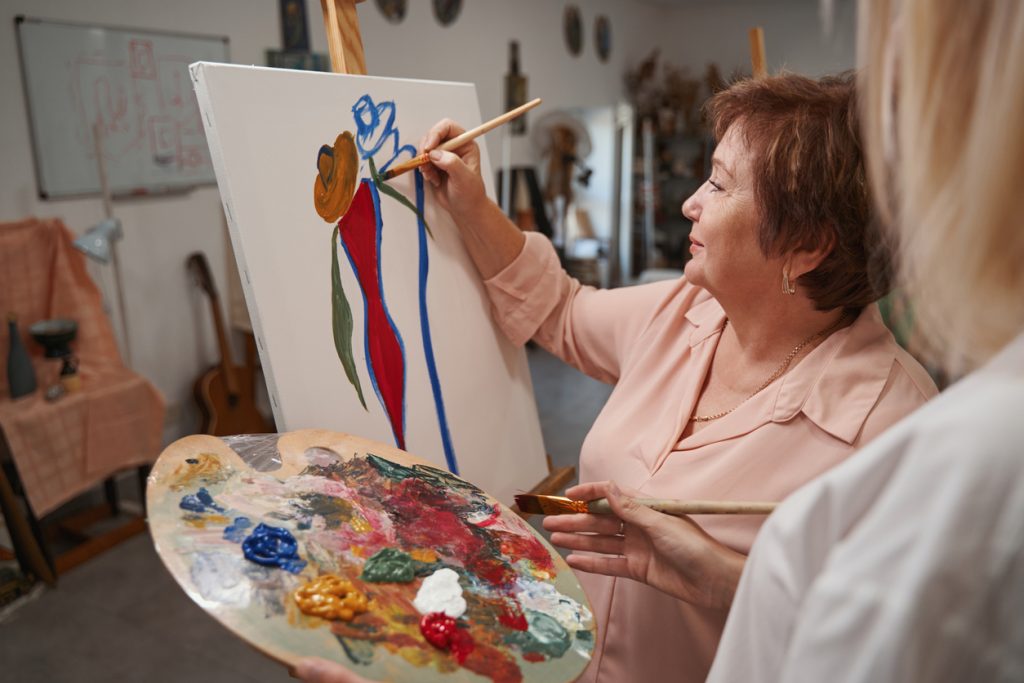
In the United States, the integration of art therapy within mental health treatment continues to gain traction. Institutions across the country are increasingly recognizing the profound impact of the arts on psychological rehabilitation. For example, organizations such as the American Art Therapy Association promote the use of various media—including painting, sculpture, music, and even drama—as therapeutic interventions. These programs cater to individuals grappling with a range of challenges, from trauma to anxiety, by using creative expression as a healing tool.
Research on the outcomes of art therapy programs highlights transformative results. Patients often report significant reductions in symptoms of depression and anxiety after engaging regularly in artistic activities. These positive shifts in mental well-being underscore art’s potential as a complementary approach to traditional mental health therapies.
This exploration of the link between art and mental health reveals how artistic expression serves as a powerful tool for overcoming personal struggles while enriching lives. By delving into impactful case studies and accumulating insights from experts in the field, we can uncover the extensive therapeutic benefits of art and foster a growing appreciation for its role in mental health care.
DIVE DEEPER: Click here to uncover the future of digital art
Understanding the Therapeutic Effects of Artistic Engagement
The interplay between art and mental health forms a rich tapestry woven with threads of personal expression, healing, and transformation. As individuals engage in various artistic endeavors—be it painting, writing, or performing—they often find themselves entering a therapeutic space that not only nurtures their creativity but also facilitates emotional restoration. This phenomenon can be attributed to several underlying factors that contribute to art’s ability to enhance mental well-being.
Art as a Medium for Self-Discovery
For many, art serves as a mirror reflecting the inner self, illuminating aspects of one’s identity that may remain obscured in everyday life. Through artistic expression, individuals can explore their thoughts and feelings in a safe environment. This process of self-discovery allows them to confront personal challenges that may otherwise go unexamined.
Clients in art therapy often describe the moment when a seemingly chaotic collection of brush strokes or words begins to reveal a deeper narrative. In this context, art becomes a vehicle for understanding personal struggles, allowing for new perspectives on one’s circumstances and fostering resilience.
The Role of Community and Connection
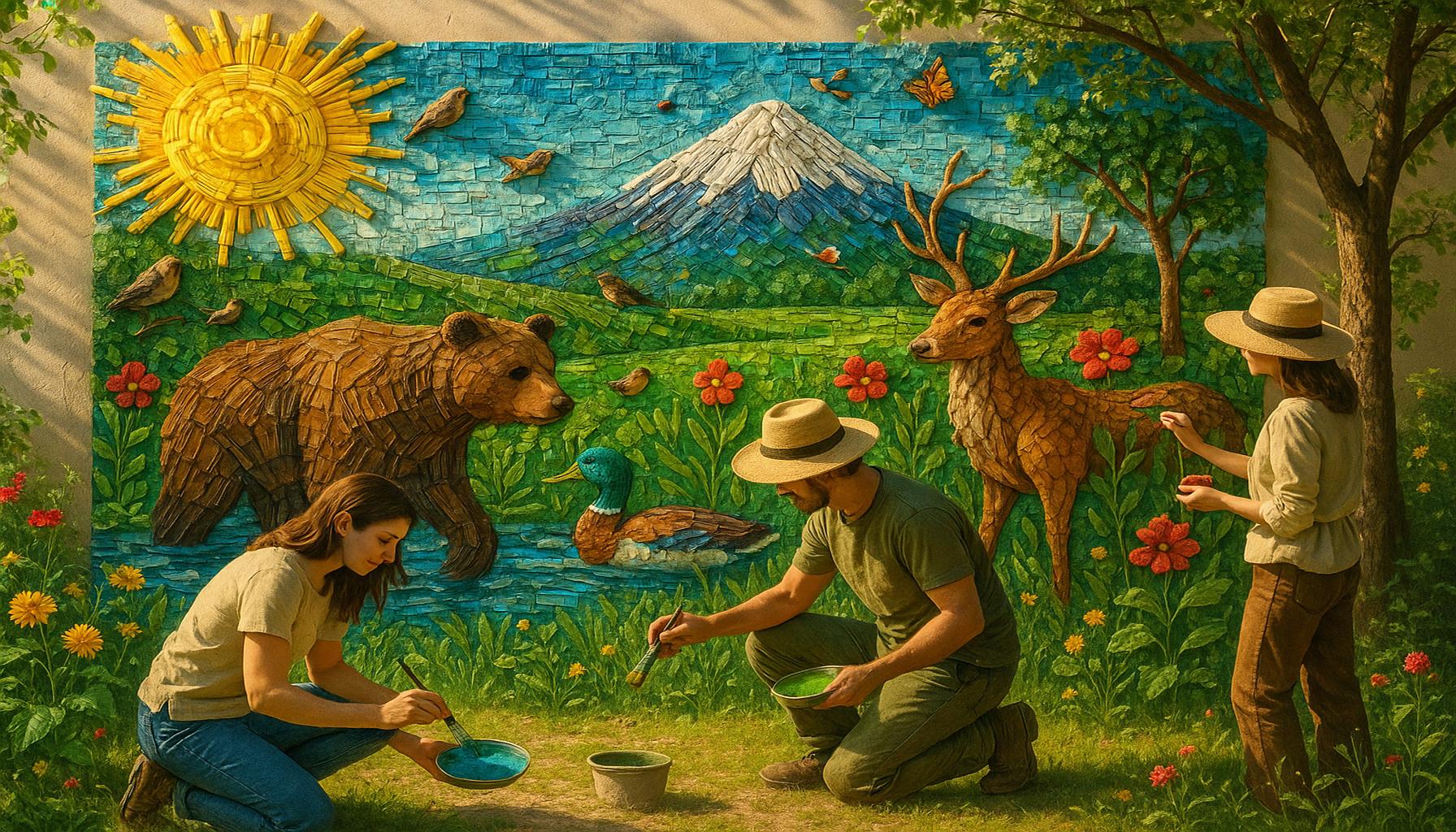
Participating in group art activities can significantly enhance the therapeutic benefits of artistic expression. Engaging with others who share similar experiences creates a sense of community and belonging. This collective experience can be particularly powerful for those who feel isolated due to their mental health challenges.
Art programs often emphasize collaboration, fostering connections through shared creative projects. The results can be striking; individuals report feeling less alone and more supported within a communal atmosphere. This sense of connection can reduce feelings of loneliness and empower participants to confront their issues together.
Art as a Coping Mechanism
Artistic expression also functions as an essential coping mechanism for dealing with life’s adversities. Many individuals turn to creative outlets as a means of distraction from emotional pain or overwhelming stress. Activities such as painting or writing allow for the redirection of one’s focus, promoting a sense of mastery over one’s feelings.
Here are some specific ways in which art serves as a helpful coping mechanism:
- Improving emotional regulation: Artistic outlets help individuals to process and articulate their emotions, fostering greater emotional intelligence.
- Encouraging mindfulness: The immersive nature of art can lead to a meditative state, promoting relaxation and reducing anxiety.
- Facilitating communication: For those who find it difficult to express themselves verbally, art offers an alternative language through which to convey complex emotions.
As we delve deeper into the connection between art and mental health, it becomes clear that the act of creating can ignite a powerful healing journey. Whether an individual is battling anxiety, depression, or other emotional challenges, the artistic process provides not just an outlet, but also a route to personal empowerment and recovery.
| Advantage | Details |
|---|---|
| Emotional Release | Artistic expression allows individuals to communicate feelings that may be difficult to articulate verbally, fostering a sense of freedom and relief. |
| Enhanced Self-Understanding | Engaging in art can act as a catalyst for self-discovery, enabling individuals to explore their thoughts and emotions, ultimately leading to personal growth. |
Continuing the exploration of the profound connection between art and mental health, we delve deeper into how creativity can serve as a powerful ally in overcoming personal challenges. Art offers more than just a pastime; it is a vehicle for emotional release. Many individuals find that when they create or engage with art, whether through painting, music, or writing, they can express intense emotions that are often hard to communicate. This cathartic process leads to a reduction in stress and anxiety, creating a sense of relief and emotional clarity.Furthermore, the practice of artistic expression can significantly enhance self-understanding. Through exploring various forms of creativity, individuals may come face-to-face with their feelings and thoughts, leading to greater insights about themselves. This journey can pave the way for personal growth as individuals learn to navigate their emotional landscapes, ultimately gaining stronger resilience against life’s challenges. Discovering how art can help alleviate mental health struggles is an empowering journey worth pursuing.
DISCOVER MORE: Click here to uncover the magic of creative hobbies
Exploring Diverse Artistic Modalities and Their Impact
The therapeutic potential of art can manifest through a variety of creative modalities. Each form of artistic expression offers unique benefits that cater to different preferences and experiences. By understanding these modalities, individuals can discover new avenues for coping, healing, and self-exploration.
Visual Arts: A Palette for Emotion
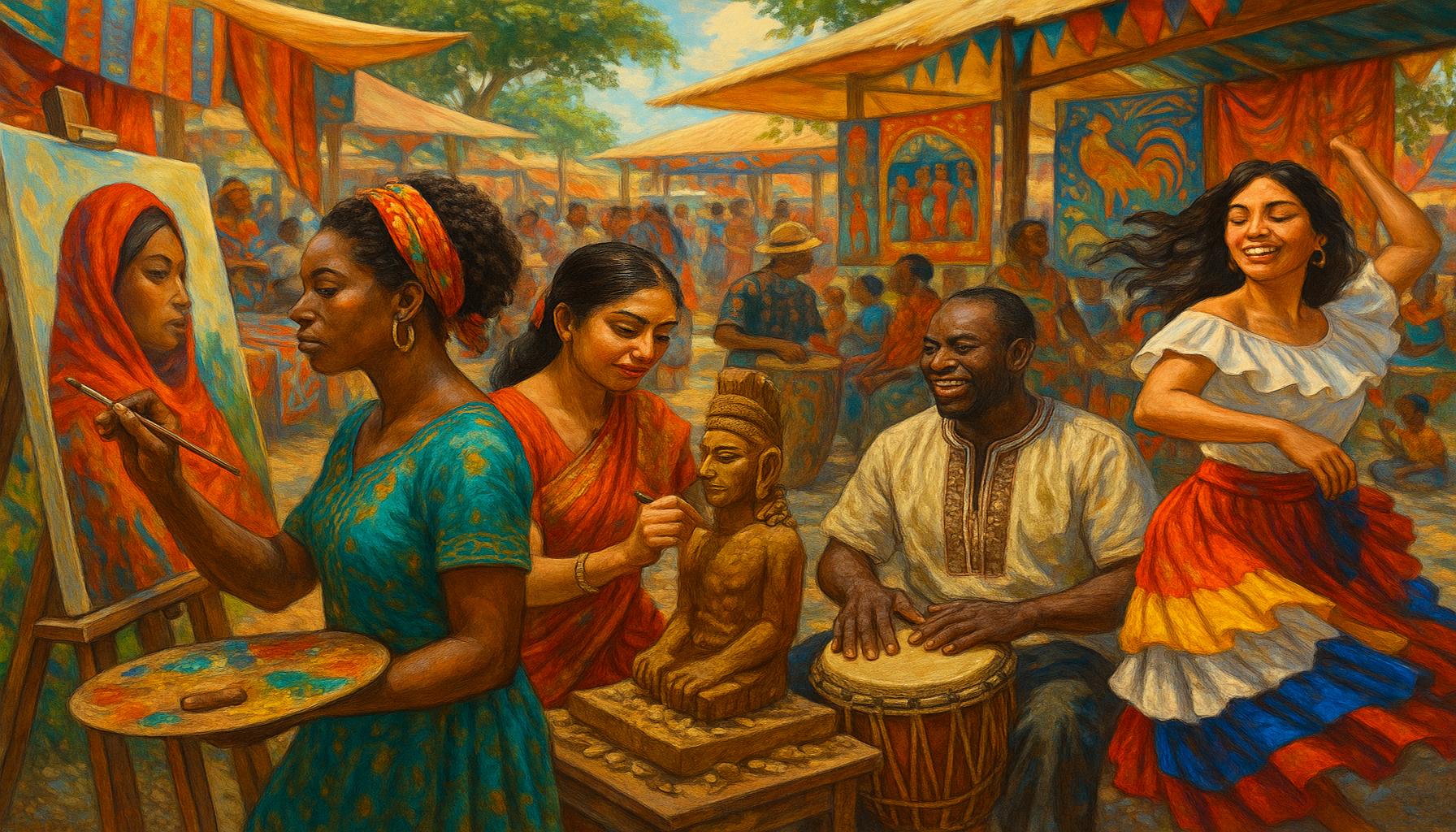
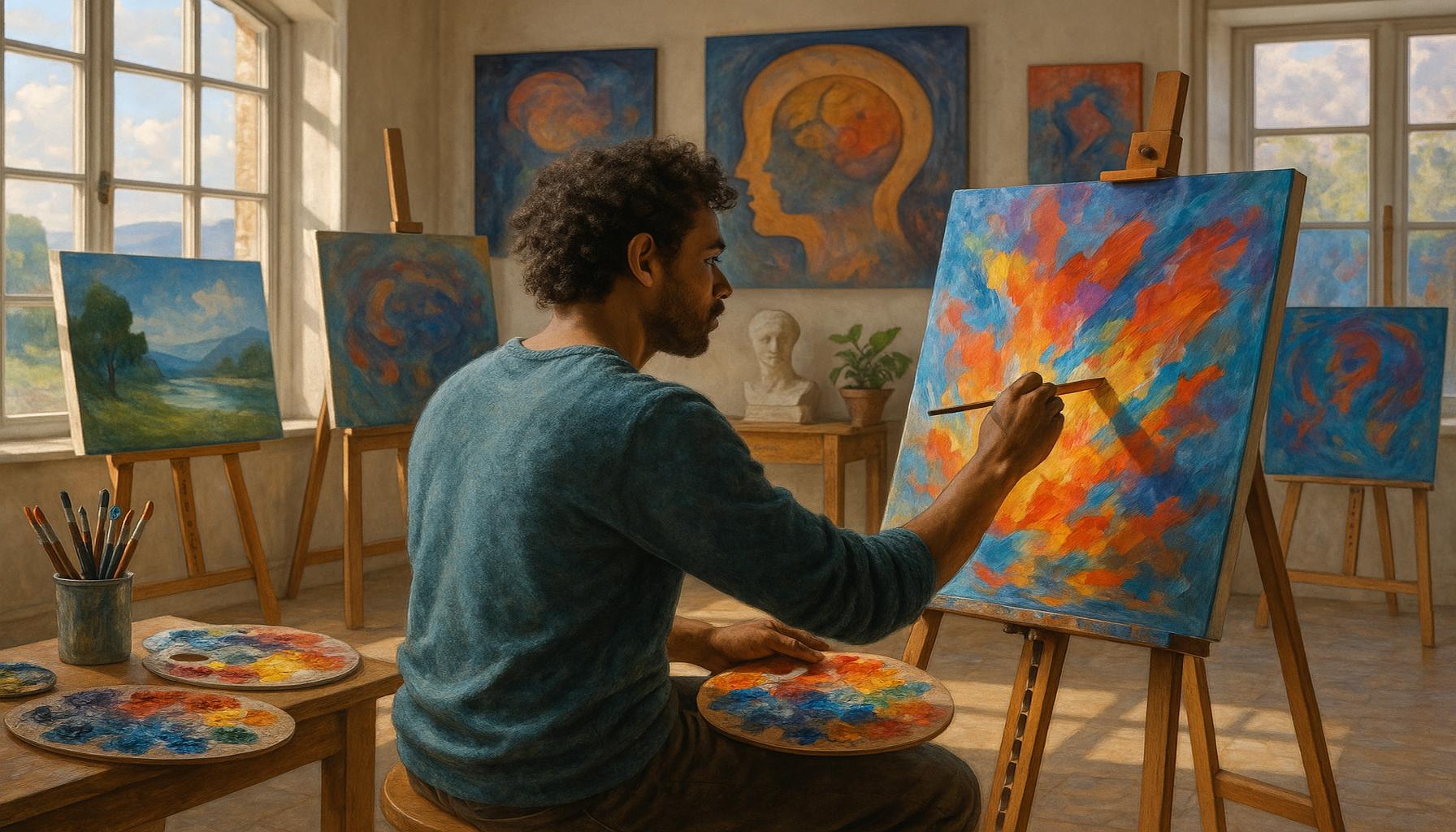
Visual arts, including painting, drawing, and sculpture, provide a direct route to emotional expression. The tactile engagement of tools such as brushes and clay can catalyze a release of pent-up feelings. Studies have shown that engaging in visual arts can lower levels of cortisol, the stress hormone, suggesting a physiological response to creative engagement. Furthermore, creating visual art can serve as a powerful distraction, allowing individuals to step away from distressing thoughts and immerse themselves in the act of creation.
Artistic workshops focused on visual arts often invite participants to create without judgment, encouraging exploration and experimentation. This aspect of freedom contributes not only to the joy of creating but also to personal acceptance, facilitating the shedding of critical self-judgments that often accompany mental health issues.
Performing Arts: Tune into Personal Narratives
The performing arts, such as theater and music, further enrich the scope of artistic expression as tools for mental health advocacy. Actors and musicians alike often channel their own experiences into their work, fostering emotional authenticity. Participating in musical or dramatic performances can empower individuals by helping them connect their personal narratives with those of others, often leading to the catharsis of shared experience.
Workshops that incorporate performing arts may focus on improvisation or expressive movement, enabling participants to tap into their raw emotions and express them physically. The communal aspect of performances reinforces the sense of belonging, offering emotional support through shared vulnerability.
Writing and Storytelling: Crafting Connections Through Words
Writing serves as yet another significant artistic outlet, encouraging individuals to articulate their thoughts and experiences. Journaling, poetry, and storytelling allow for deep introspection and can reveal underlying themes that often go unnoticed. According to research released by the National Institutes of Health, expressive writing has been linked to improvements in both physical and mental health by fostering emotional processing.
Writing workshops can create a safe space for exploring complex thoughts through guided prompts and peer feedback. The act of penning down personal narratives can also offer clarity and perspective on one’s challenges, allowing individuals to externalize their struggles. This form of cognitive restructuring can lead to a clearer understanding of how past experiences shape current emotions.
The Science Behind Art’s Therapeutic Impact
While personal anecdotes about the benefits of art are plentiful, scientific research bolstering these claims has steadily increased. Studies show that engaging in artistic activities stimulates brain regions associated with creativity and reward. For example, a study conducted at Stanford University revealed that even brief experiences of engaging with art can elevate mood and reduce anxiety levels. Furthermore, engaging in the arts has been linked to improved overall health and longevity, indicating its far-reaching effects beyond mere emotional well-being.
As society becomes more aware of the integral role of mental health, the intersection of art and psychological wellness continues to gain traction. Programs emphasizing art as healing modalities are becoming prevalent in community centers, hospitals, and schools around the United States, highlighting a growing recognition of the power of artistic expression.
DIVE DEEPER: Click here to uncover more insights
Conclusion: The Healing Power of Artistic Expression
As we navigate the complexities of mental health in our personal lives, the role of art as a transformative tool cannot be overstated. The diverse modalities of artistic expression—whether through visual arts, performance, or writing—offer unique pathways for emotional release, catharsis, and understanding. Each brushstroke, musical note, or carefully chosen word serves not only as an outlet for feelings but also as a powerful mechanism for fostering connections with oneself and others.
Multiple studies have reinforced the notion that engaging with art can lead to significant improvements in mental health, underscoring the importance of communities embracing creativity as a therapeutic resource. Moreover, the rapid growth of programs that incorporate the arts into mental health treatment across the United States reflects a shifting perspective. Creative expression is now increasingly acknowledged as an essential component of holistic health approaches.
For individuals grappling with personal challenges, exploring artistic avenues may not only provide relief but also uncover layers of resilience and self-discovery. As more people are encouraged to engage with the arts, we can aspire to create a culture that celebrates vulnerability and healing through creativity. Thus, the journey of artistic expression becomes a collective endeavor, inviting individuals to share their stories and inspire others, ultimately leading to a more supportive and empathetic society. In seeking to understand the intersection between art and mental health, we have an opportunity to reframe our approach to wellness, making space for creativity to thrive in every aspect of life.