The Importance of Reducing Clutter for Mental Health: Find Clarity in an Organized Space

The Impact of Clutter on Mental Health
In a world bustling with energy and activity, clutter can weigh heavily on our mental health. From our homes to our workspaces, being surrounded by disarray may lead to feelings of overwhelm and distraction. Understanding the impact of our environment is crucial for achieving a state of peace and mental clarity.
Effects of Clutter on Mental Well-Being
Consider the following effects of clutter on mental health:
- Increased Stress: A messy environment can elevate stress levels, making it harder to concentrate. Research indicates that visual stimuli associated with clutter can increase cortisol levels, the stress hormone, leading to heightened feelings of anxiety and tension.
- Decreased Productivity: Disorganization often results in lost focus, ultimately affecting performance. A study conducted by the Princeton University Neuroscience Institute revealed that clutter can interfere with your brain’s ability to process information, causing distractions that can slow down productivity significantly.
- Emotional Drainage: Clutter can contribute to feelings of guilt and inadequacy, as unfinished tasks linger in our minds. A disorganized space can serve as a constant reminder of tasks left undone, leading to a feeling of being ineffective and overwhelmed.
Clutter in Everyday Life in Nigeria
In Nigeria, many individuals juggle multiple responsibilities, often balancing jobs, family obligations, and personal goals. Within this context, the importance of an organized space cannot be overstated. In a busy Lagos household, for example, where families may have limited space, simply maintaining order can improve not just the physical atmosphere but also foster peace of mind. Decluttering your home—even if it means organizing shoes and bags at the entrance—can create a more inviting environment and encourage better habits.
Embracing Minimalism for Mental Clarity
Exploring the necessity of reducing clutter unveils opportunities for personal growth. By adopting minimalist practices, individuals can foster environments conducive to both physical and mental wellness. This could involve evaluating what items are truly necessary, as well as incorporating effective organizational systems, such as labeling storage bins or utilizing vertical space in small homes.
Engaging in regular decluttering sessions, perhaps on weekends, can also instill a sense of achievement and promote mindfulness. Creating a simple system, like the “one-in-one-out” rule—where for every new item brought into the home, an old item is given away—can help maintain a streamlined living space.
Taking Action
As you continue reading, you will discover actionable steps towards reclaiming your space and enhancing your mental health. Whether it’s dedicating time to sort through old clothes, defaulting to digital note-taking to avoid paper clutter, or even setting aside a few moments each day to tidy up—each small effort accumulates to foster a clearer mind. Ultimately, creating an organized environment can lead to remarkable changes in how we feel and function daily.
YOU MAY ALSO LIKE: Read read another article
Understanding Clutter and Its Consequences
The notion of clutter is not merely an aesthetic nuisance; it can significantly influence our mental health and overall well-being. Many may dismiss the chaos of a cluttered room or workspace as trivial, yet studies illustrate a strong connection between an organized environment and mental clarity. Each item we own, whether it is a stack of papers on a desk or an overflowing closet, demands attention. This demand can deplete our mental resources and distract us from what truly matters.
Clutter’s Psychological Toll
The experience of living with clutter often manifests as palpable psychological burden. Research indicates that people living in cluttered homes often report higher levels of stress and frustration. The effects on mental health are staggering, as those in disorganized environments struggle with heightened anxiety and decreased motivation. Consider the following critical aspects:
- Overwhelm and Anxiety: Clutter can create a sense of chaos that feels uncontrollable. This leads to overwhelming feelings, particularly in small living spaces common in urban Nigeria, where families may utilize limited square footage for multiple purposes.
- Distraction and Memory Issues: Our brains struggle to comprehend and organize a cluttered space. This can result in mental fatigue, making it more challenging to focus and remember daily tasks. Additionally, frequent distractions may lead to unfinished projects and forgotten responsibilities, which can spiral into deeper feelings of inadequacy.
- Negative Self-Perception: The presence of clutter often fuels negative self-talk, leading individuals to feel as though they cannot manage their environment. These feelings can exacerbate mental health issues, reinforcing a cycle of low self-esteem and helplessness.
Cultural Context and Its Impacts
In Nigeria, where community and family engagement play vital roles, an organized environment can enhance interactions and relationships. For instance, a cluttered living room may hinder quality family time, while an organized setting might encourage shared activities and discussions. The visual chaos of clutter can distract from moments that matter, thus promoting disconnection rather than bonding. Families often find themselves overwhelmed, struggling to juggle work responsibilities and family life—all while maintaing a tidy living space is an uphill battle.
Minimalism as a Solution
Embracing minimalism presents a refreshing approach to combat clutter and regain control over one’s mental space. This philosophy advocates for seeing value in fewer possessions, focusing on what is essential and meaningful. As Nigerians navigate the pressures of modern life, simplifying their surroundings can promote tranquility and a clearer mindset. Engaging in regular decluttering practices can transform not only physical spaces but mental landscapes. Adopting simple habits, such as keeping surfaces tidy and regularly reevaluating the necessity of household items, can foster a more serene living environment.
Ultimately, the importance of reducing clutter cannot be overstated. As we strive for mental balance, creating organized spaces becomes essential for nurturing clarity and enhancing resilience amidst life’s challenges.
| Category | Benefits |
|---|---|
| Emotional Well-Being | Reducing clutter can significantly decrease feelings of stress and anxiety, providing a clearer mental landscape. |
| Improved Focus | A decluttered space enhances concentration and allows for more effective task completion. |
| Enhanced Productivity | Organized environments enable smoother workflows and reduce time wasted searching for items. |
| Creativity Boost | A simplified space encourages innovative thinking by minimizing distractions. |
In the realm of mental health, the relationship between clutter and emotional well-being cannot be overstated. Various studies show that our surroundings can profoundly impact our mood and stress levels. A chaotic space is often mirrored by chaotic thoughts, leading to increased feelings of anxiety. In contrast, by fostering an organized environment, individuals are more likely to experience clarity, aiding emotional regulation and providing a more stable mental state.Furthermore, clutter directly affects our ability to focus. Cognitive load, the amount of mental effort being used, can be significantly reduced in tidy settings. When distractions are minimal, attention can be directed toward the task at hand, inevitably improving productivity. Without the constant search for misplaced items or the overwhelming presence of too many possessions, individuals can achieve their goals more efficiently.Moreover, an organized space can catalyze a boost in creativity. When the mind is free from unnecessary visual stimuli, it can foster a creative flow, allowing for new ideas and innovative approaches to emerge. It is this clarity that many seek in their artistic endeavors and daily problem-solving. By embracing the art of organization, one opens the door to a multitude of mental health benefits, reinforcing the importance of reducing clutter as a critical lifestyle choice.
ADDITIONAL INSIGHTS: Expand your understanding here
Practical Strategies for Achieving an Organized Space
Successfully reducing clutter requires tangible actions and strategies, providing individuals with steps that promote an organized environment while simultaneously enhancing mental health. Implementing these strategies can lead to profound shifts in how individuals perceive and interact with their surroundings. For Nigerians facing the challenges of limited living space due to urbanization, these steps can be particularly beneficial.
The 4-Box Method
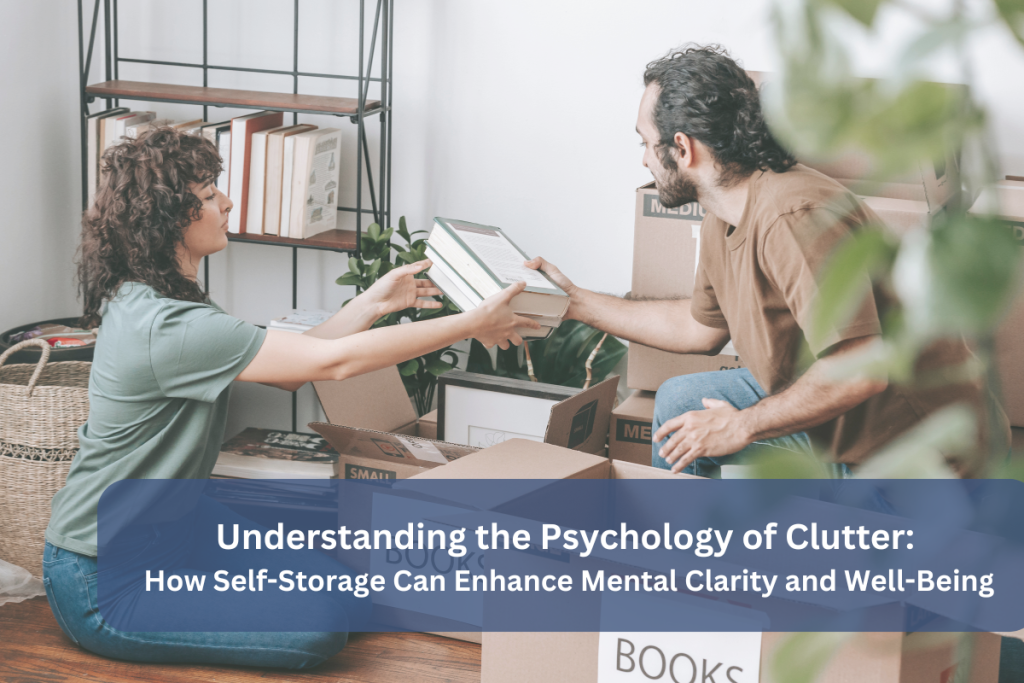
One effective approach is the 4-Box Method, which involves designating four boxes labeled: Keep, Donate, Trash, and Relocate. This method encourages efficiency by allowing individuals to categorize their belongings systematically. For instance, when tackling a cluttered bedroom in Lagos or Abuja, one can start with a single area—like a closet. As items are evaluated, the process cultivates a sense of decision-making and agency, often leading to increased motivation. This visual organization can bring clarity and reduce feelings of overwhelm.
Time Block Decluttering
Setting aside specific time blocks dedicated solely to decluttering can significantly alleviate the procrastination that often accompanies overwhelming tasks. Dividing the decluttering process into manageable increments, such as 15-30 minutes a day, can provide a sense of accomplishment without causing burnout. By methodically working through areas such as the kitchen or living room, individuals may find that making even small improvements can contribute to a more organized and calm environment.
Digital Decluttering
It’s important not to overlook the digital realm, where many Nigerians manage both personal and business communications. Digital decluttering encompasses organizing files on computers, unsubscribing from unnecessary email lists, and regularly backing up important documents. A disorganized digital space can create similar feelings of stress, distraction, and clutter as physical spaces do. A clean digital workspace can enhance productivity while promoting a clearer mind.
Creating a ‘Clutter-Free Zone’
Establishing a designated ‘clutter-free zone’ can be particularly effective in maintaining an ongoing commitment to organization. Whether it’s a corner of the living room for quiet reflection or a workspace set aside for focused tasks, having a specific area free from clutter can serve as a mental retreat amid daily chaos. This practice not only promotes mindfulness but also cultivates positive experiences associated with organized spaces, which can be especially valuable in household dynamics familiar to families in Nigeria.
Mindfulness and Intentional Living
Integrating mindfulness into the process of reducing clutter is another powerful strategy. Mindfulness cultivates a greater awareness of what we own and why we hold onto such items. Engaging in reflective practices, such as journaling about the purpose behind each possession, can help uncover emotional attachments that may not be serving us anymore. This self-awareness can inspire more intentional living, where individuals focus on quality rather than quantity, a principle resonating with many who cherish cultural artifacts and heirlooms in Nigeria.
Incorporating these practical strategies offers seamless pathways to a less cluttered life, demonstrating that the benefits extend far beyond a tidy space—ultimately leading to improved mental health and greater clarity in everyday activities.
LEARN MORE: This related article may interest you
Conclusion
In today’s fast-paced world, particularly within the bustling urban landscapes of Nigeria, the importance of reducing clutter cannot be overstated. As demonstrated throughout this article, an organized space serves as the bedrock for improved mental health and clarity in daily life. Whether through tangible strategies like the 4-Box Method or the mindful creation of a clutter-free zone, the act of decluttering transcends mere tidiness; it fosters a healthier mindset and cultivates productivity.
Moreover, the growing recognition of digital decluttering reflects our society’s need to address both physical and virtual spaces simultaneously. In a country where connectivity and communication have become paramount, a harmonious digital environment contributes just as significantly to mental wellness. This holistic approach reassures us that decluttering is not just a task but a journey toward intentional living and heightened self-awareness.
As individuals embrace these decluttering practices, they begin to unlock their potential for a more serene and focused existence. The physical removal of excess items can lead to the emotional release of mental burdens, paving the way for better clarity in decision-making and overall well-being. Therefore, taking the first step toward an organized space is not merely a chore but a profound investment in one’s mental peace.
Ultimately, it is essential for Nigerians to recognize that by cultivating an organized environment, they are, in essence, nurturing their mental health. An organized space promises a clearer mind, an uplifted spirit, and the freedom to thrive amidst life’s demands. Embrace the shift toward reducing clutter, and experience the remarkable transformation it can bring to both your space and state of mind.