The importance of lighting in the sleep environment: how light affects our rest
The Role of Light in Sleep Quality
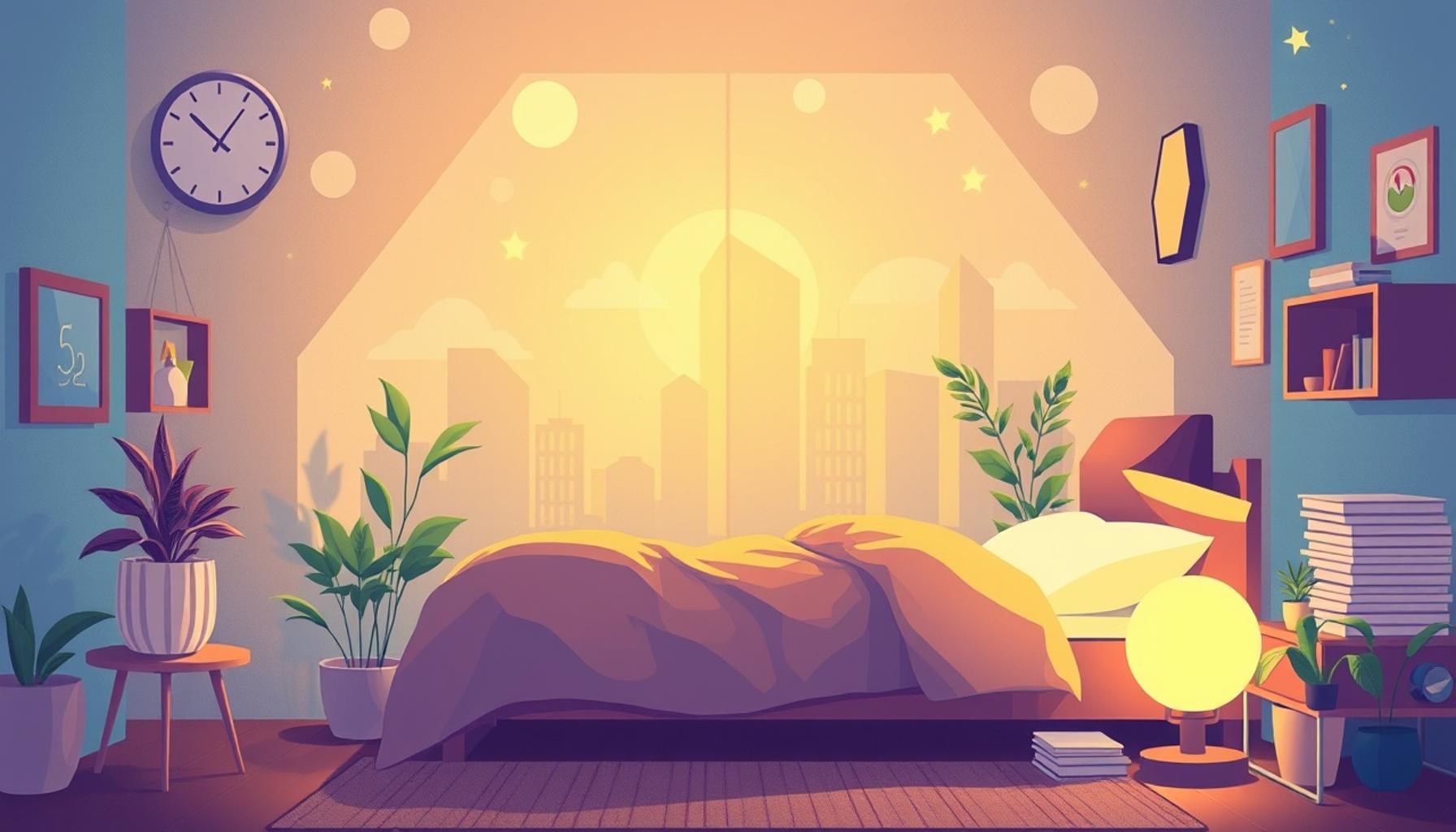
The bedroom is a sanctuary for rest, but one crucial element often overlooked is lighting. The type and intensity of light in our sleep environment can significantly influence our ability to fall asleep and stay asleep. Understanding how light affects our rest is essential for achieving better sleep patterns.
How Light Impacts Sleep
Our bodies are finely tuned to respond to light, making it a critical factor in regulating our circadian rhythms. This internal clock dictates various biological processes based on the 24-hour cycle of day and night. Some noteworthy effects of light on sleep include:
- Melatonin Production: Exposure to blue light in the evening can suppress melatonin, the hormone responsible for sleep. This type of light is commonly emitted from digital devices like smartphones and tablets, which many people use right before bedtime, creating a barrier to achieving restful sleep.
- Sleep Quality: Research indicates that bright lights, especially those with high color temperatures, can disrupt deep sleep stages, leading to less restorative slumber. For instance, studies have shown that individuals exposed to bright, artificial light during night hours have significantly reduced REM sleep, which is vital for emotional and physical restoration.
- Sleep Onset: Dim lighting can help signal to your body that it’s time to wind down, promoting faster sleep onset. A warm, inviting glow can mimic the natural light of sunset and encourage relaxation, making it easier to transition into sleep.
Creating the Ideal Sleep Environment
To enhance your sleep quality, consider these lighting strategies:
- Use soft, warm lighting in the evenings. Consider using lamps with yellow or orange hues, which are less likely to interfere with melatonin production compared to harsh white or blue lights.
- Install blackout curtains to minimize outside light interference. This simple adjustment can create a dark, tranquil space akin to nighttime, which research has shown to improve sleep duration and quality.
- Limit screen time before bed to reduce exposure to blue light. Instead of scrolling through social media or watching television, consider reading a book or practicing relaxation exercises as bedtime approaches.
By understanding the profound impact of lighting, we can take actionable steps to create a restful sleep environment that promotes rejuvenation and well-being. In fact, simple changes to your sleep space, such as switching to LED bulbs that emit warmer tones or making a habit of dimming lights in the evening, can lead to meaningful improvements in sleep quality. As awareness grows about the relationship between light and sleep, exploring how our environment affects us offers new avenues for enhancing our nightly rest.
Understanding the Science of Light and Sleep
The relationship between light and sleep is a fascinating and complex interplay that has garnered significant attention from researchers and sleep experts alike. The impact of lighting on the sleep environment is not merely a matter of preference; rather, it holds scientific significance that directly affects our health and well-being. By delving deeper into the mechanisms behind light exposure and sleep, we can uncover valuable insights to transform our sleep spaces.
The Biological Clock: A Dance with Light
Our bodies are equipped with a sophisticated system known as the suprachiasmatic nucleus (SCN), which acts as the central clock controlling our circadian rhythms. This tiny group of cells, located in the hypothalamus, is highly responsive to light cues, enabling us to distinguish between day and night. The SCN orchestrates the release of hormones like melatonin in response to light changes. When the sun sets, natural light dimming signals the SCN to trigger melatonin production, signaling that it’s time to prepare for sleep. Conversely, exposure to light in the evening can disrupt this cycle, delaying the onset of sleep. This biological clock underlines why managing light exposure is vital for achieving optimal rest.
Research suggests that our innate sensitivity to light wavelengths plays a pivotal role in sleep regulation. For instance, while sunlight in the morning helps reinforce alertness and wakefulness, exposure to blue light from screens can confuse our biological systems, leading to difficulties in winding down before bedtime. Studies indicate that individuals who use electronic devices emitting blue light before sleep are more likely to experience insomnia and reduced sleep quality.
The Effects of Natural Light on Our Sleep Patterns
Natural light is an essential component of a healthy sleep environment. It not only helps set our circadian rhythms but also influences our mood and energy levels. Research shows that individuals who are exposed to ample natural light during the day tend to report better sleep quality. Here are some noteworthy points regarding natural light’s impact on sleep:
- Daylight Exposure: Exposure to natural light during the day contributes to higher melatonin levels at night, enhancing the likelihood of more restful sleep.
- Seasonal Affective Disorder (SAD): Lack of sunlight during the winter months can lead to symptoms of depression and sleep disturbances. Light therapy, involving exposure to bright artificial lights, is often recommended for those affected.
- Light and Mood: Adequate exposure to natural light can alleviate symptoms of anxiety and stress, fostering a more relaxed atmosphere conducive to sleep.
Ultimately, understanding the dynamics of light exposure is crucial for anyone seeking to improve their sleep quality. By aligning our lighting conditions with our biological needs, we can create a supportive environment that encourages restful and restorative sleep. As we explore further into optimizing lighting for sleep, it becomes increasingly clear that our approach to the sleep environment can make all the difference in achieving a tranquil night’s rest.
| Aspect of Lighting | Impact on Sleep |
|---|---|
| Natural Light Exposure | Natural light helps regulate the body’s circadian rhythm, leading to improved sleep quality. |
| Blue Light Emission | Exposure to blue light from screens can disrupt melatonin production, sabotaging restful sleep. |
| Ambient Lighting | Soft, warm lighting creates a soothing environment that fosters relaxation and better sleep. |
| Dimming Lights | Dimming lights in the evening signals the body to prepare for rest, enhancing sleep readiness. |
Understanding how light interacts with our sleep environment is crucial. The importance of lighting cannot be overstated; it affects not only our ability to fall asleep but also the quality of sleep we experience. For instance, exposure to natural light during the day helps calibrate our internal clocks, promoting alertness and better mood, ultimately contributing to more restful nights. Conversely, as highlighted, blue light from smartphones and computers can interfere with melatonin, the hormone responsible for sleep, thus educating ourselves about these nuances can lead to tangible improvements in our overall rest. It’s essential to optimize our lighting environment to foster the right sleep conditions for improved health and well-being.
Optimizing Your Sleep Environment: The Role of Artificial Lighting
While natural light is crucial for regulating our sleep patterns, the role of artificial lighting in the sleep environment cannot be overlooked. As most people’s lives increasingly revolve around technology and urban settings, understanding how to harness artificial light for better sleep quality becomes imperative. Here, we explore actionable strategies for incorporating effective lighting in your sleep environment.
The Power of Warm Light
One of the most significant factors to consider when optimizing your sleep environment is the wavelength of the light emitted by your artificial lighting fixtures. Warm light, characterized by its soft, yellowish hues, mimics the natural light of sunset and promotes relaxation. Studies have shown that exposure to warm-toned lights in the evening can facilitate melatonin production, creating a conducive atmosphere for winding down. This is particularly important for bedrooms, as harsh, bright white light, commonly found in kitchens and workspaces, can maintain alertness and hinder the ability to transition to sleep.
Strategic Use of Dimming Options
Another effective technique for enhancing your sleep environment is utilizing dimmable lighting. Dimming lights in the evening signals to your body that it’s time to prepare for sleep. Adjustable lighting helps cultivate a cozy atmosphere while reducing overstimulation, allowing the mind to unwind. Incorporating smart bulbs that change colors and brightness levels according to the time of day can automate this process; selecting softer tones as bedtime approaches reinforces your body’s natural circadian rhythm.
Blue Light Blockers: A Necessary Tool
As we continue to rely on screens—be it smartphones, tablets, or televisions—it’s essential to mitigate blue light exposure in the evening hours. Numerous studies indicate that blue light, prevalent in electronic devices, can disrupt melatonin secretion and lead to poor sleep quality. To address this, many individuals have turned to blue light filters or dedicated glasses that block this wavelength, allowing for a more restful evening routine. Additionally, setting a digital curfew by limiting screen time before bed can significantly reduce the adverse effects of blue light on sleep.
Creating a Sleep-Inducing Atmosphere
Beyond the practicalities of lighting fixtures, the overall ambiance of your bedroom plays a pivotal role in sleep quality. Incorporating elements that enhance a sanctuary-like environment—including soft textiles, soothing colors, and minimal distractions—can equip your space with tranquil energy. Consider utilizing night lamps with adjustable brightness and warm colors to create pockets of gentle light, allowing for nighttime activities without compromising your sleep cycle. Furthermore, blackout curtains can help eliminate unwanted light pollution from city streets and digital devices, providing an uninterrupted dark environment that encourages deep, restorative sleep.
Understanding Individual Preferences
While these guidelines offer a solid foundation, it’s crucial to acknowledge that every individual has unique preferences when it comes to light exposure. Some may benefit from brighter rooms to engage in evening tasks, while others thrive in dimmer settings. Taking a tailored approach to your sleep environment allows you to discover your ideal lighting balance. Experiment with different lighting setups and observe their effects on your rest quality; small adjustments can yield profound results.
By thoughtfully considering the type and intensity of light in your sleep environment, you can foster a space that nurtures your well-being and promotes rejuvenating rest. As we uncover the nuances of artificial lighting and its impact on sleep, it becomes evident that effective management can unlock a pathway toward better health and vitality.
Conclusion: Embracing Light for Better Sleep
In the journey toward achieving quality sleep, the importance of a well-considered lighting environment cannot be overstated. By understanding the nuances of artificial lighting and its significant impact on our biological clock, we can take decisive steps to enhance our sleep quality. From opting for warm light that mimics natural sunsets to using dimmable options that encourage relaxation, each choice we make contributes to a harmonious sleep environment. Furthermore, in a world saturated with blue light from screens, being proactive in reducing exposure through filters and mindful screen time can lead to restorative rest every night.
Every individual is unique, and tailoring your sleep space to fit your specific lighting preferences is key. Research indicates that even minor adjustments—like using soft-colored lamps or blackout curtains—can create a sanctuary that not only promotes sound sleep but also rejuvenates the mind and body. By embracing these principles, we can cultivate an environment that fosters tranquility and addresses the growing sleep challenges of modern life.
Ultimately, enhancing our sleep through effective lighting is not merely a personal benefit; it can lead to improved overall well-being, productivity, and mental health. Investing time and consideration into how we utilize light in our sleep environment is a meaningful step toward achieving better rest and a healthier lifestyle. The path to rejuvenation begins in the glow of your room—make it a peaceful haven that whispers, “It’s time to sleep.”