The Importance of Daily Meditation for Mental Well-Being
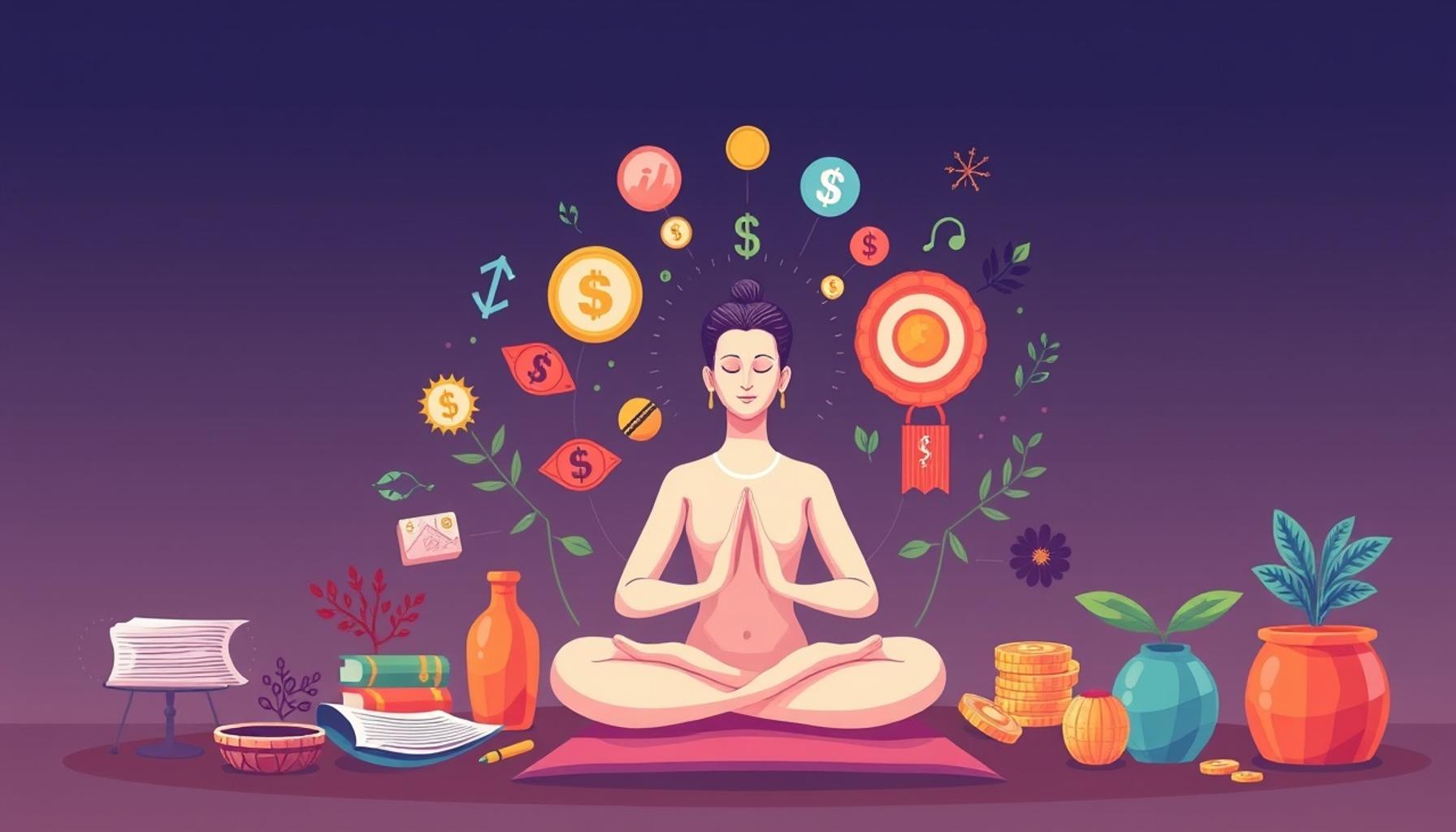
The Rise of Daily Meditation Practices
Meditation has gained significant attention in recent years as a powerful practice for enhancing mental well-being. With an increasing number of studies supporting its benefits, individuals from various walks of life are incorporating meditation into their daily routines. From busy professionals in metropolitan areas to students navigating academic pressures, the practice of meditation provides tools for managing life’s pressures effectively.
Benefits of Daily Meditation
Daily meditation offers a variety of benefits that can transform our mindset and emotional health. Below are some compelling advantages that might encourage you to embark on this transformative journey:
- Reduces Stress: Regular meditation can significantly lower cortisol levels, which is known as the stress hormone. A study conducted by researchers at Harvard University found that mindfulness meditation can lead to a reduction in the levels of this hormone, ultimately leading to a less anxious state of mind. This makes it easier to cope with stressors such as work deadlines or personal challenges.
- Improves Focus: One commonly cited benefit of meditation is enhanced attention span and concentration. Techniques such as focusing on the breath can help re-train your mind to resist distractions. A study published in the journal “Cognitive, Affective, & Behavioral Neuroscience” found that just two weeks of meditation practice improved cognitive flexibility and working memory.
- Promotes Emotional Health: Meditation fosters a more positive outlook by decreasing symptoms associated with anxiety and depression. Research has shown that individuals who meditate regularly often report higher levels of happiness and emotional resilience. Practices like loving-kindness meditation can even help increase empathy and lessen feelings of isolation.
Integrating Mindfulness into Every Day
In the hustle and bustle of modern life, it’s easy to overlook our mental health. The fast-paced lifestyle that characterizes many urban environments in the United States can leave individuals feeling overwhelmed. However, carving out just a few minutes each day for mindfulness meditation can yield profound results. Whether it’s a quick session in the morning to set positive intentions for the day or a winding down practice before bed, the versatility of meditation means it can fit into almost anyone’s schedule.
Additionally, the variety of approaches available—from guided practices available on apps like Headspace and Calm to simple silent reflection—allows individuals to explore different methods to find what resonates best with them. For example, a 10-minute guided meditation might be perfect for beginners, while experienced practitioners might prefer silent meditation to deepen their practice.
Conclusion
Join us as we explore how committing to a daily practice can pave the way for a healthier mind and a more fulfilling life. With the continuous exploration of meditation and its benefits, it’s clear that this ancient practice holds significant potential to navigate the complexities of modern life. As more people engage in this transformative process, the collective mental well-being of communities across the United States can improve, ultimately creating a more compassionate and mindful society.
The Science Behind Meditation
Meditation is rapidly gaining recognition for its myriad mental health benefits, prompting scientists to explore the underlying principles that make it effective. Numerous studies indicate that regular meditation can profoundly influence an individual’s state of mind, promoting a noticeable shift towards calmness and clarity. According to a meta-analysis published in the journal “Psychological Bulletin,” mindfulness meditation demonstrates not only a reduction in anxiety and depression symptoms but also a marked improvement in overall psychological well-being. This growing body of research reinforces the idea that mindfulness is not merely a trend but a powerful tool for mental health enhancement.
The transformative effects of meditation stem from a complex interaction of physiological and psychological factors. Notably, research shows that meditation can bring about structural changes in the brain. Regular practice is linked to an increase in gray matter density, particularly in areas associated with emotional regulation, such as the prefrontal cortex and hippocampus. These changes make individuals better equipped to manage stressors and navigate emotional challenges, illustrating how meditation can serve as a critical resource for mental resilience.
Daily Meditation: A Path to Resilience
Incorporating a daily meditation practice can act as a bulwark against a range of mental health issues. Engaging in meditation offers several compelling benefits that contribute to enhanced mental resilience:
- Enhances Self-Awareness: Meditation encourages self-reflection, facilitating a deeper understanding of personal thoughts and feelings. This enhanced self-awareness equips individuals with the ability to recognize emotional triggers and develop effective coping strategies, making it easier to navigate stressful situations with composure.
- Encourages Emotional Regulation: Those who meditate often report an improved capacity to manage emotional responses. The practice allows individuals to pause and consider their reactions, leading to healthier interactions and more deliberate choices. This cultivates a sense of control over one’s emotional landscape.
- Fosters Compassion: Certain meditation practices, particularly those focusing on loving-kindness, promote feelings of compassion and kindness towards oneself and others. This increased empathy not only elevates one’s personal relationships but also fortifies social connections, integral components of emotional well-being.
The positive impacts of daily meditation extend beyond individuals, creating a ripple effect that enhances social relationships and workplace dynamics. For example, companies in the United States incorporating mindfulness programs into their corporate culture have reported improvements in teamwork and a reduction in employee burnout. Given that work-related stress is a pervasive issue in America, introducing meditation initiatives in the workplace could lead to healthier, more engaged employees.
Setting the Stage for Daily Practice
Establishing a daily meditation routine does not necessitate extensive time commitments or elaborate practices. Newcomers can begin with just a few minutes each day, gradually increasing their practice duration as they become more comfortable. Resources such as meditation apps and local community classes can provide valuable support, making it easier to integrate mindfulness into a busy lifestyle.
By committing to daily meditation, individuals can embark on a journey toward enhanced mental resilience. Not only does this practice offer a sanctuary for personal reflection, but it can also enrich interpersonal connections and foster a more profound sense of community in various environments, including workplaces and social circles. As curiosity about meditation continues to grow, understanding its science can inspire individuals to harness its benefits for a healthier mind and life.
| Benefit Category | Key Features |
|---|---|
| Stress Reduction | Daily meditation has been shown to lower levels of the stress hormone cortisol, leading to decreased anxiety. |
| Enhanced Focus | Practicing meditation regularly improves concentration and attention spans, which are crucial for productivity. |
| Emotional Well-Being | Meditation fosters a greater sense of self-awareness, enhancing one’s emotional intelligence and resilience. |
| Better Sleep | Regular meditation can reduce insomnia, paving the way for a more restful sleep experience. |
The benefits of incorporating daily meditation into your routine extend beyond emotional health. Studies reveal that it can significantly enhance mental clarity and overall quality of life. By dedicating just a few minutes each day to this practice, individuals can build a robust mental framework that facilitates coping with stress and promoting mental resilience. Furthermore, the calming effects of meditation contribute to a peaceful mindset, positively impacting interpersonal relationships. As more research emerges, it highlights how simple meditation practices can lead to profound changes in mental well-being, encouraging individuals to explore techniques, whether through guided sessions or personal reflection.
The Benefits of Daily Meditation Practices
As the practice of daily meditation continues to gather momentum, the benefits are becoming increasingly evident not only in academic circles but also in everyday life. Many people are discovering that dedicating even a few minutes each day to meditation cultivates a profound sense of tranquility and mental clarity, which can enhance various aspects of their lives. In fact, studies published in journals like “JAMA Internal Medicine” reinforce the assertion that daily meditation can significantly reduce symptoms of anxiety, stress, and depression.
Boosting Focus and Attention
A pivotal benefit of daily meditation is its ability to enhance focus and attention. Regular practitioners often find themselves better equipped to concentrate on tasks at hand, whether at work or in personal projects. Research conducted at the University of California, Santa Barbara, indicates that individuals who engage in mindfulness meditation demonstrate improved attention spans and cognitive flexibility. This can be particularly beneficial in high-stress environments, where sustained concentration is essential.
Moreover, meditation can act as a counterbalance against the distractions of modern life. With the pervasive presence of smartphones and social media demanding our attention, the ability to focus has become a scarce commodity. Daily meditation trains the mind to concentrate more effectively, enabling individuals to tackle tasks with greater efficiency and creativity.
Promoting Physical Health Through Mental Well-Being
The benefits of meditation extend even to physical health, with numerous studies highlighting its role in lowering blood pressure and improving sleep quality. According to research by the American Heart Association, mindfulness practices are associated with significant reductions in hypertension, leading to a decreased risk of heart disease. In a country where stress-related illnesses are on the rise, incorporating meditation as a daily practice could serve as a preventive measure, promoting holistic health.
Moreover, those who meditate regularly report improved sleeping patterns, contributing to better overall health outcomes. Quality sleep is often one of the first casualties of stress, and by enhancing relaxation and lowering anxiety levels, meditation can help restore restorative sleep cycles. This is particularly vital for professionals juggling demanding careers and personal responsibilities, where optimal functioning relies heavily on adequate rest.
Combating Implicit Bias and Enhancing Decision Making
Interestingly, meditation also plays a role in mitigating implicit biases, a pertinent issue affecting workplaces across America. Research indicates that mindfulness practices can foster open-mindedness and empathy, contributing to more equitable decision-making processes. This increased self-awareness can translate into a more thoughtful approach to interpersonal interactions, whether they occur in business negotiations or everyday social scenarios. As a result, organizations that encourage meditation may not only enhance employee morale but also strive toward a more inclusive atmosphere.
Furthermore, the ability to pause and assess various situations through a meditative lens allows individuals to approach challenges from a more balanced perspective. This promotes innovative problem-solving and fosters resilience in the face of adversity. By developing mental fortitude through daily meditation, individuals prepare themselves to navigate complexities with greater ease.
Ultimately, the integration of daily meditation practices into one’s routine can yield a multitude of benefits. From sharpening focus to improving physical health, each aspect contributes to a robust framework for lasting mental well-being. As more evidence emerges about the advantages of this practice, it becomes increasingly clear that daily meditation is an invaluable tool for those seeking to improve their quality of life.
Conclusion: Embracing Daily Meditation for a Healthier Mind
In a fast-paced world that often leaves little room for introspection, the practice of daily meditation emerges as a beacon of hope for mental well-being. It is increasingly evident that devoting just a few minutes each day to this ancient discipline can foster a deep sense of calmness and clarity. The mental health benefits, evidenced by numerous studies, include substantial reductions in stress, anxiety, and depressive symptoms, thus improving overall life satisfaction.
Furthermore, the advantages of meditation extend beyond emotional resilience. Better focus and attention enhance productivity, while the promotion of physical health through improved sleep and lower blood pressure cannot be overlooked. In a nation grappling with stress-related health issues, integrating meditation into daily routines could serve not just as a path to personal wellness, but also as a shield against the rising tide of chronic illnesses related to stress.
Moreover, fostering mental clarity and empathetic decision-making can lead to richer interpersonal relationships and more inclusive workplaces, particularly in diverse American settings. The capacity to pause and approach challenges mindfully empowers individuals to navigate complexities with greater ease, thus enhancing both personal and professional landscapes.
As the evidence mounts, daily meditation stands out as a crucial tool for nurturing mental health and fostering overall well-being. For those ready to explore this transformative practice, the journey toward a more peaceful mind and a healthier life begins with just a few moments of stillness each day. Embrace meditation, and unlock the potential for a more fulfilling existence.