The Impact of Music on Artistic Expression: Exploring the Intersection between Melody and Creativity
Unlocking Creativity Through Sound
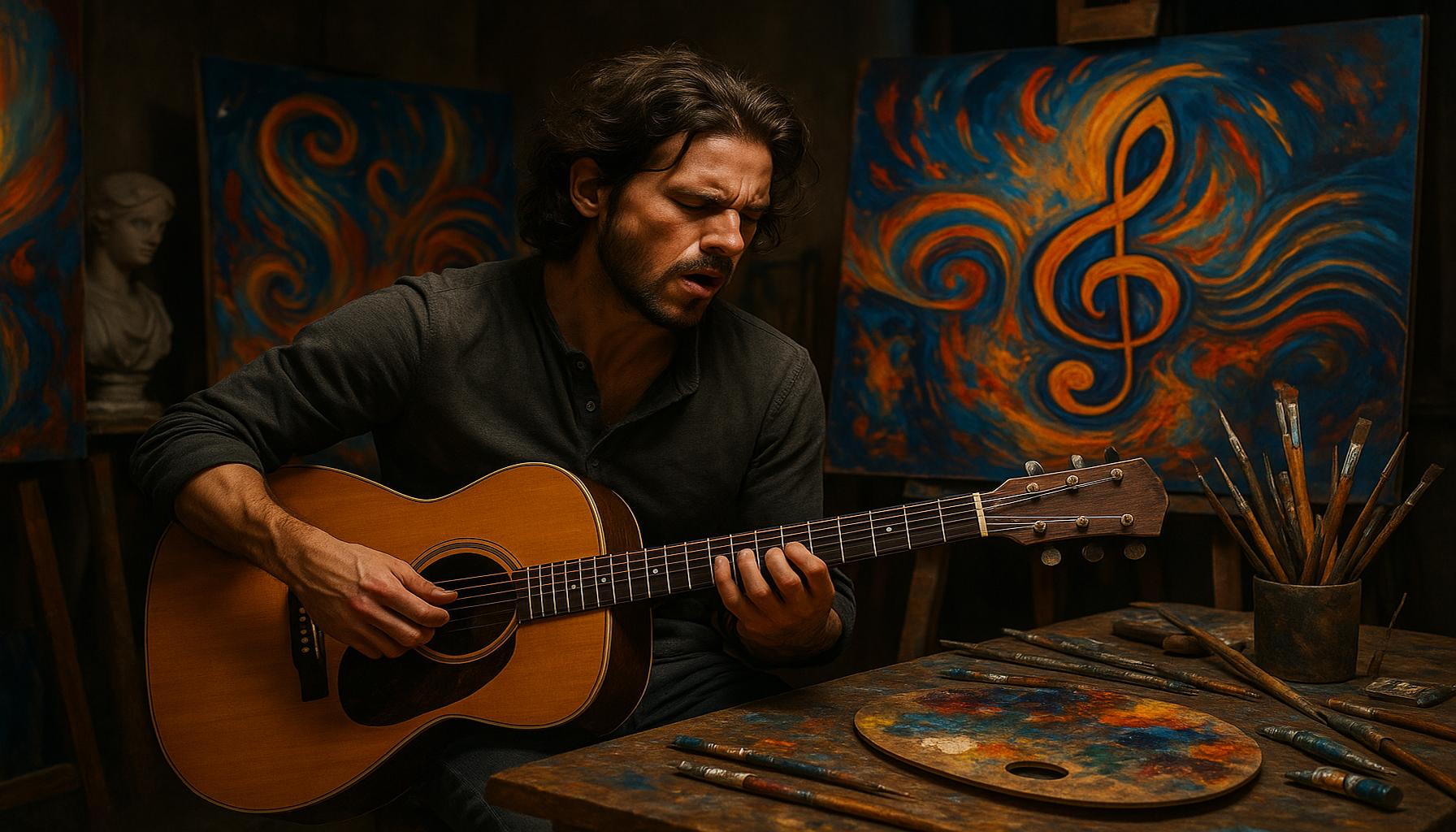
Throughout history, music has played a crucial role in shaping artistic expression. As a universal language, it transcends cultural barriers, inspiring creators across various mediums. From painters to poets, the influence of melody can be seen in the works of renowned figures like Vincent van Gogh, whose vibrant starry nights echo the rhythm of a calming symphony, or in the poetry of Walt Whitman, where the cadence of his verses echoes the free-spirited jazz that emerged in America. This exploration of the interconnectedness of sound and art reveals a rich tapestry of creativity that speaks to the essence of human experience.
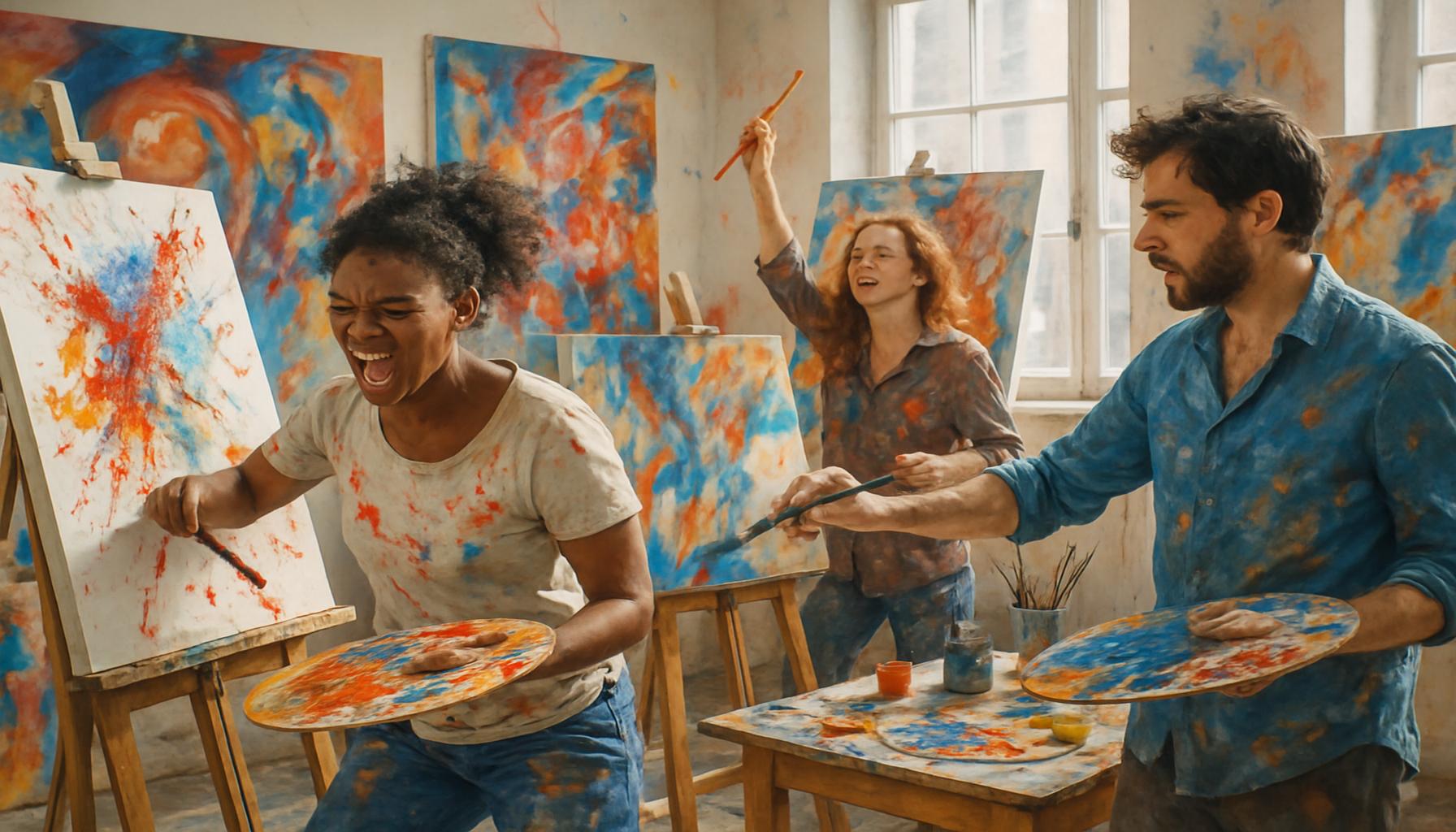
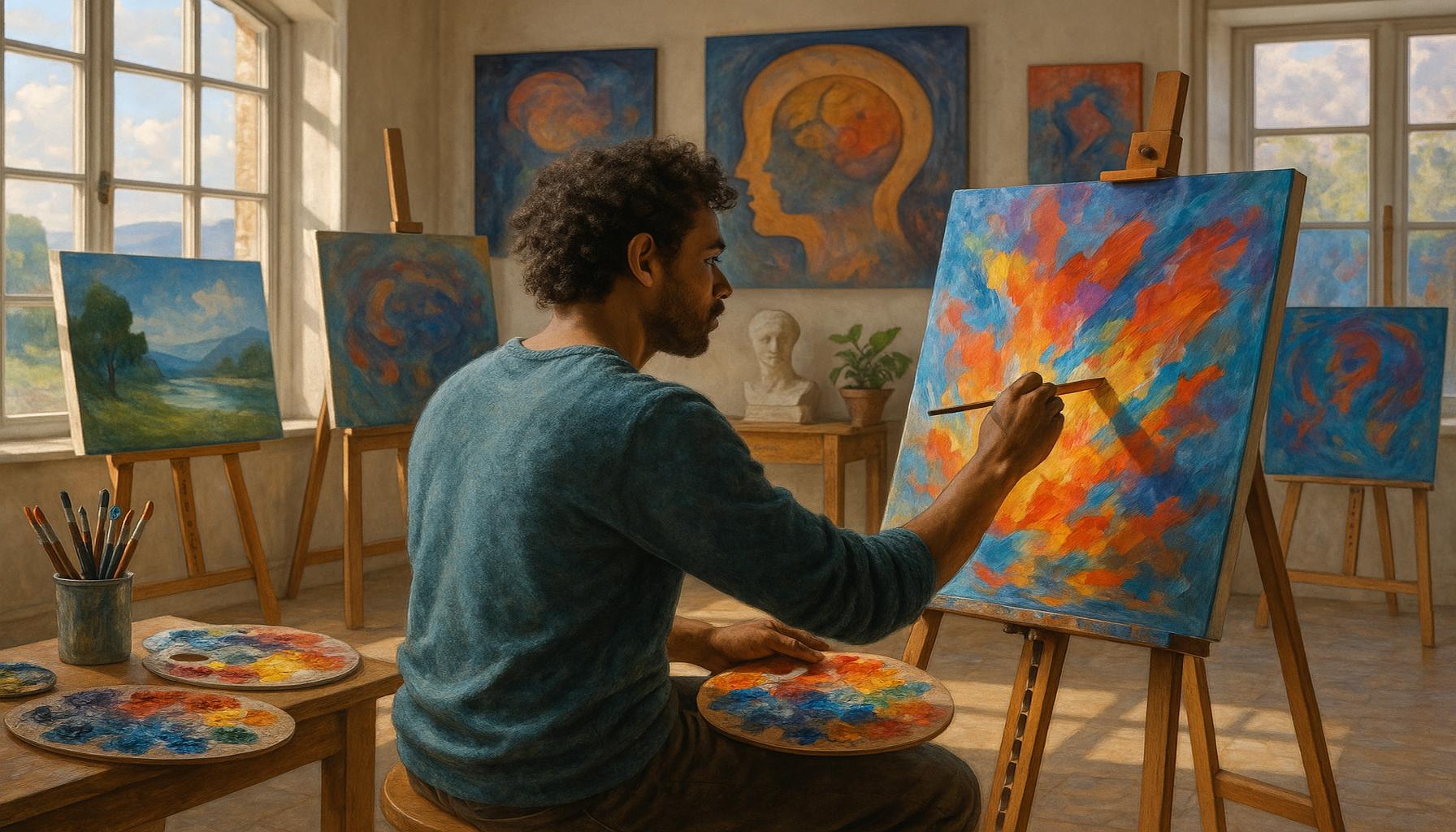
- Visual Arts: Impressionism, a movement characterized by its emphasis on light and color, effectively captures the essence of sound. Artists like Claude Monet painted scenes that seem to vibrate with the energy of their surroundings, echoing the sounds of nature, whether it be the gentle rustle of leaves or the lively chatter of a Parisian café.
- Literature: In literature, rhythm and tone are powerful tools. For instance, the works of poets such as Langston Hughes often utilize musical elements to elevate emotional depth. His poetry resonates with the blues, drawing on the struggles and triumphs of African American life, creating a melodic flow that captivates the reader.
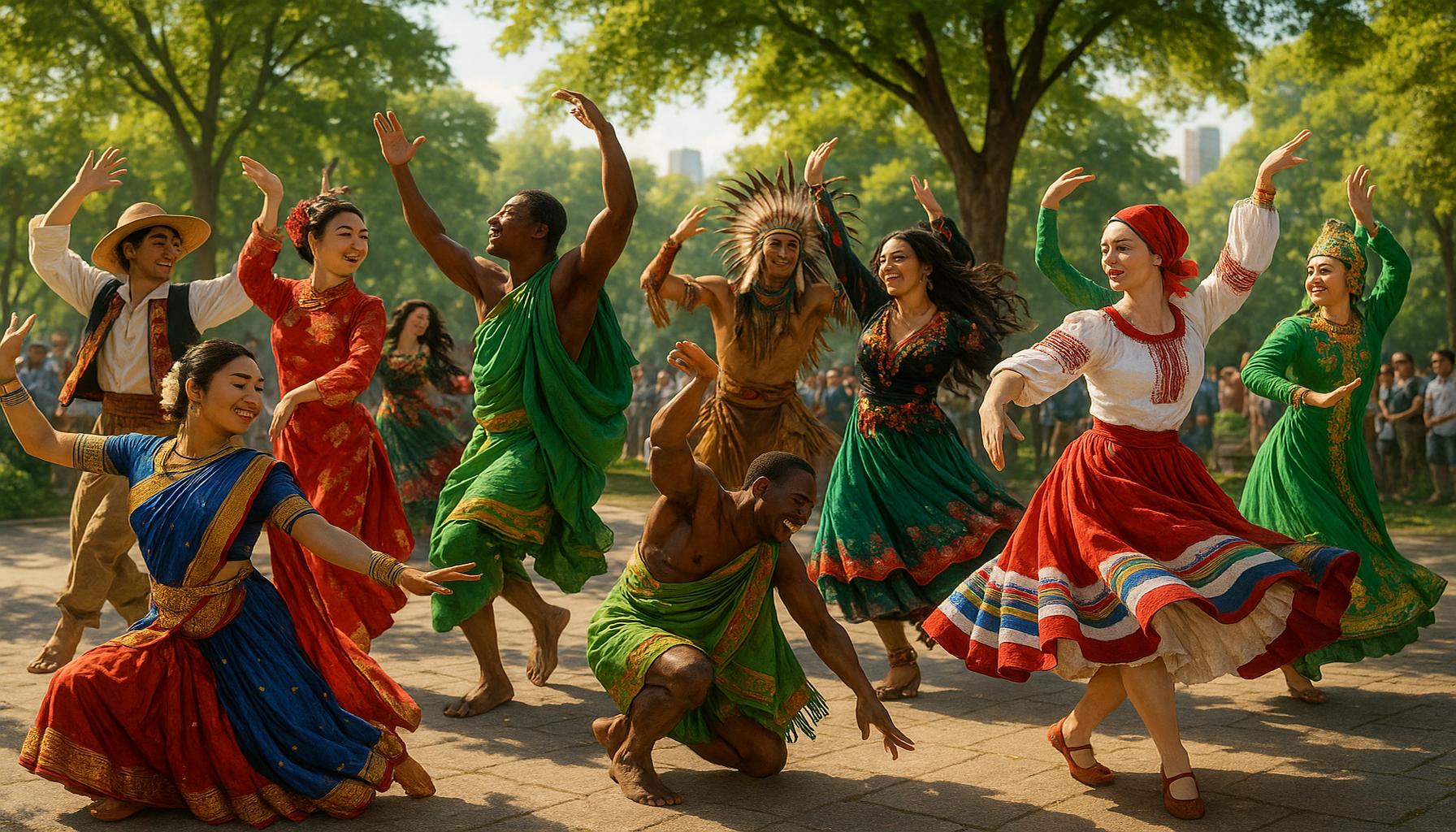
- Dance: The art of dance transforms auditory experiences into visual storytelling. Choreographers like Martha Graham used the structure of musical compositions to inform their movements, allowing dancers to embody the spirit of the music, forging a profound connection between sound and physical expression.
The synergy between music and creativity invites exploration of how sounds ignite imagination. Musicians often draw from their surroundings, fueling their compositions with the rhythm of life. Key aspects of this process include:
- Inspiration: Natural sounds, such as the rustling of winds or the chirping of birds, can spark unique artistic ideas. A composer might find inspiration for a symphony in the tranquil sounds of a forest, translating nature’s ambiance into a harmonic masterpiece.
- Emotion: Music has the remarkable ability to evoke feelings that shape narrative arcs. Filmmakers, for instance, often use scores to enhance emotional depth, making scenes more impactful through carefully chosen soundscapes that resonate with the audience.
- Collaboration: Artists across disciplines often unite, blending their mediums to create multifaceted experiences. Collaborative efforts, such as those seen in Broadway productions, showcase how music, theater, and dance converge to produce compelling storytelling.
Research consistently shows that engaging with music can enhance cognitive processes, leading to greater innovation. A study published in the journal *Neuroscience* indicates that listening to music can stimulate areas of the brain associated with creativity and problem-solving. Many artists credit their creative breakthroughs to the melodies that resonate with their work. As we delve deeper into the intersection of melody and creativity, we uncover the profound impact that music has on artistic expression, inviting everyone to explore how the world of sound can unlock their own creative potentials.
DISCOVER MORE: Click here to discover how creative writing can deepen your self-knowledge
The Harmonious Blend of Sound and Vision
The interrelation between music and various forms of artistic expression unveils a realm where creativity flourishes, often igniting profound inspiration across multiple disciplines. As we delve into the nuances of how melody influences creativity, it becomes clear that the impact of sound extends far beyond mere accompaniment; it shapes the very essence of artistic creation itself. Music serves as a wellspring of inspiration that resonates through visual arts, literature, and performance, creating a synthesis that pushes the boundaries of human expression.
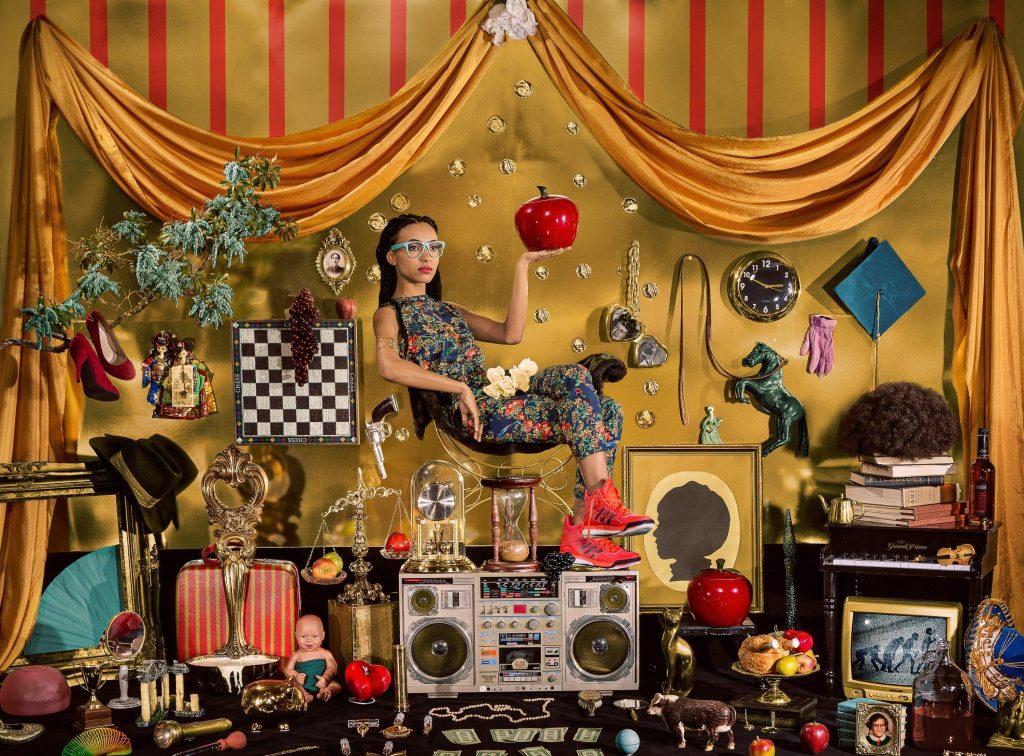
- Visual Impact: In the realm of visual arts, the emotional intensity of music is often mirrored in the brushstrokes and color palettes chosen by artists. For example, the dramatic and tempestuous music of Beethoven has been known to evoke a visceral response in painters, who translate this emotional vigor onto the canvas. Artists such as Wassily Kandinsky, a pioneer of abstract art, explicitly acknowledged the power of music in his work, believing that colors could evoke musical notes and vice versa. This cross-pollination fosters a vibrant dialogue between what is seen and what is heard.
- Literary Flow: The narrative structure within literature often draws heavily from musical elements, offering a rhythm and flow that enhances the reader’s experience. Notably, the beat of a poem or the pacing of prose can reflect the tempo and cadence of a song, allowing authors to convey complex emotions in a way that resonates with readers. Influential writers like F. Scott Fitzgerald exemplified this relationship, weaving jazz influences into their works to capture the essence of the Roaring Twenties—a time when music was not just an art form but a cultural revolution.
- Dramatic Expression: In the performing arts, particularly theater and dance, music becomes a fundamental element that dictates movement, emotion, and narrative. Think of Broadway musicals, where storytelling is intertwined with compelling melodies that drive the plot forward. Choreographers utilize musical scores to define the tempo and energy of their dances, making the music an inseparable part of the performance, and ensuring that audiences are joyfully engaged through both sound and sight.
Artists across the spectrum regularly harness the emotive power of music, which aids in various aspects of the creative process. Notably, key components driving this interaction include:
- Imagination: Music acts as a catalyst for imaginative thought, allowing artists to visualize scenes or emotions that might otherwise remain unrealized. For instance, the distinctly American sound of folk music has inspired countless photographers and filmmakers to capture the rugged beauty of the American landscape, transforming auditory experience into visual storytelling.
- Transformation: As artists from different disciplines converge, they often reinterpret each other’s work through the lens of their respective mediums. This transformation enriches the artistic conversation, giving rise to groundbreaking collaborative projects that push the envelope of creativity. Events like music and arts festivals epitomize this unity, where attendees are immersed in a cocoon of sound and visuals that inspire further exploration and innovation.
- Healing and Reflection: The therapeutic benefits of music also play a role in artistic expression, as many artists turn to sound as a source of solace during the creative process. The meditative qualities of music can evoke inner reflection, enabling creators to delve into their subconscious and express emotions that might be difficult to articulate through words alone.
As we explore this intricate relationship, it is evident that the impact of music on artistic expression is profound, opening avenues for innovation and collaboration that resonate within the human soul. Understanding these connections not only enriches our appreciation of art but also empowers the next generation of creators to harness melody as a key ingredient in their creative endeavors.
The Role of Melody in Inspiring Creativity
Melody is often regarded as the soul of music. It has the unique power to evoke emotions and create vivid imagery, making it a catalyst for artistic expression across various forms of creativity, including painting, dance, and writing. When artists immerse themselves in melodies, they often enter an altered state of consciousness, allowing their minds to wander and generate new ideas. Research shows that certain melodies can stimulate brain regions associated with creativity, enabling a deeper connection between the auditory and visual worlds.
Case Studies: Artists and Their Musical Influences
Numerous celebrated artists have acknowledged the profound influence of music on their work. For example, the Impressionist painter Claude Monet was known to listen to music while painting, stating that it helped enhance his sensory perception. Similarly, contemporary artists like musicians and filmmakers often blend auditory and visual elements to create immersive experiences. These synesthetic relationships between music and visual art explore how different melodies or rhythms can shape emotional responses, leading to groundbreaking artistic innovations.
The Science Behind Music and Creativity
Scientific studies reveal that listening to music while engaging in creative tasks can lead to increased innovation and originality. The right tempo and complexity of a piece can help artists overcome creative blocks. In fact, a study from the University of California discovered that individuals exposed to music, particularly during brainstorming sessions, generated significantly more creative ideas than those who worked in silence. This suggests that melody not only entertains the mind but also unlocks the door to imaginative breakthroughs.
| Category | Benefits |
|---|---|
| Emotional Connection | Melody helps artists convey deep feelings and enhance the emotional impact of their work. |
| Enhanced Creativity | Listening to music can lead to heightened imaginative thinking and the generation of innovative ideas. |
Artists continually intertwine melody with other creative forms, establishing a dynamic dialogue that enriches the breadth of human expression. Therefore, the intersection of melody and creativity is not merely theoretical; it is a living, breathing phenomenon evident in the flourishing arts scene around the world today. Exploring these connections invites us to understand more about the complex interplay between sound and visual artistry, encouraging even greater synergy in future works.
DISCOVER MORE: Click here to delve deeper
The Resonance of Rhythm in Diverse Artistries
As we delve deeper into the impact of music on artistic expression, it becomes apparent that the interplay of melody and creativity manifests in ways that transcend traditional boundaries. Musicians, painters, writers, dancers, and other artists continually find inspiration in the sounds that envelop their environments, ultimately transforming those influences into new forms of expression. This organic connection invites exploration of the intricate dynamics at play when sound and creativity converge.
- Multi-Sensory Experiences: The synchronization of music with other sensory stimuli leads to a more immersive artistic experience. Take, for example, the phenomenon of synesthesia, where the stimulation of one sensory pathway leads to involuntary experiences in another pathway. Many artists, like musician Pharrell Williams, have openly discussed how music evokes colors and shapes in their minds. This multi-sensory interaction not only enhances individual perception but also encourages audiences to engage with art on a deeper level.
- Cultural Reflections: Music often serves as a mirror to societal values and cultural nuances, allowing artists to comment on their surroundings. The civil rights movement, for instance, saw music become a powerful form of protest and artistic expression. Artists like Nina Simone and Bob Dylan used their melodies as vehicles for social change, confronting issues like racism and injustice through weaving poignant narratives into their compositions. The resonance of their music profoundly shaped literature and visual arts, leading contemporary creators to continue this dialogue through their own mediums.
- Digital Innovations: In an era where technology reshapes the creative landscape, the marriage of music with digital art has given rise to new genres and expressions. Digital art installations often incorporate soundscapes that augment visual experiences, prompting viewers to explore artwork not just visually but aurally. For instance, artists like Ryoji Ikeda and Olafur Eliasson have harnessed the power of audiovisual elements to immerse audiences in captivating environments that challenge the notion of traditional art forms.
Moreover, the impact of music on artistic expression transcends the mere act of inspiration; it influences collaborators sharing the same creative space. An example can be found within the contemporary world of mixed media, where artists collaborate across disciplines to create transformative works. These projects often blend music, visual arts, and performance, illustrating a strong interconnectedness that depicts the conversation between varying art forms.
- Collaboration and Fusion: A striking example of this synergy is seen in music festivals and art fairs, where musicians, visual artists, and performers come together. Coachella, for instance, is more than just a music festival; it’s a stage where diverse artistic expressions are shared and celebrated, fostering an environment where new ideas and forms are realized. This collaboration encourages artists to push their creative limits and explore uncharted territories, resulting in innovative works that resonate with the audience on multiple levels.
- Influence on Emerging Artists: Young artists today are entering a world where interdisciplinary practices are increasingly encouraged. The accessibility of music and art through platforms like Instagram and TikTok profoundly shapes their creative expressions. Young creators often borrow elements from various genres, finding inspiration in the rhythms and themes of their favorite musical pieces, thus shaping their own identities as artists.
In this evolving landscape, the significance of music as a driving force behind artistic expression continues to expand. By investigating these nuances, artists of all backgrounds can draw from the rich reservoir of collaborative inspiration that emerges from the dynamic interplay of melody and creativity, ultimately shaping the future of artistic endeavors.
DON’T MISS: Click here to dive into the world of dance
Conclusion: Harmonizing Artistry and Sound
The exploration of the impact of music on artistic expression reveals a profound and intricate relationship that drives creativity across various disciplines. By examining how melody intertwines with numerous forms of art—whether it be painting, literature, or dance—we uncover the powerful role music plays in shaping not just individual works but entire movements. As we have seen, the resonance of rhythm evokes multi-sensory experiences, challenging artists to push their boundaries and redefine their mediums. The dialogue between sound and visual aesthetics lifts the veil on cultural reflections, enabling artists to comment on societal issues with a unique emotional depth.
Moreover, advancements in technology continue to revolutionize artistic practices. The emergence of digital innovations exemplifies how music and art can coexist in immersive environments, thus enriching audience engagement and experience. Collaborative spaces, such as art fairs and music festivals, serve as melting pots where artists can fuse their talents and explore new frontiers. For emerging artists, these vibrant platforms encourage the integration of diverse influences, allowing them to carve out their niche in an ever-evolving creative landscape.
As we look to the future, the exploration of the intersection between melody and creativity will undoubtedly continue to inspire and challenge artists. Whether in a gallery, concert hall, or social media platform, the synergy of music and artistic expression invites us to reflect on our own perceptions and connections with art. Thus, the ongoing dialogue between these realms remains essential, fostering a rich tapestry of creativity that can be appreciated by all.