The Evolution of Digital Art: New Frontiers in Artistic Expression Through Technology
Exploring New Dimensions of Creativity
The intersection of technology and art has opened a realm of possibilities for creators worldwide. Digital art evolves rapidly, transforming traditional practices and introducing innovative forms of artistic expression. Artists today are not merely creators in the conventional sense; they are pioneers navigating through a vibrant landscape shaped by technology.
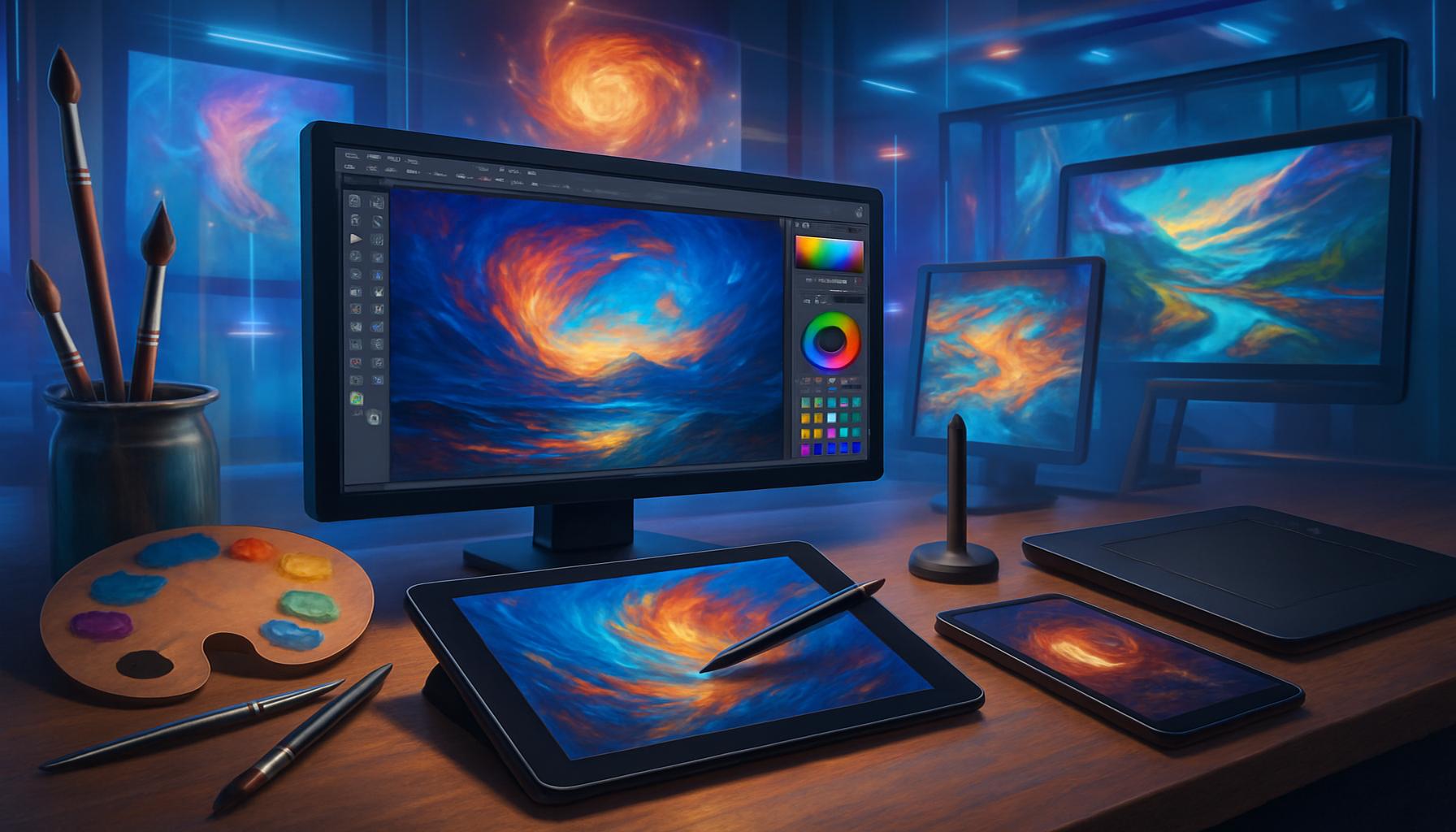
From digital painting to augmented reality installations, the ways in which creators harness cutting-edge tools allows them to expand their artistic horizons. Digital painting, for instance, has evolved from basic software applications to sophisticated programs that replicate traditional mediums like oil and watercolor. Artists often employ tools like Adobe Photoshop and Procreate to craft intricate pieces, blending techniques while retaining the flexibility of digital composition.
In addition, augmented reality (AR) installations have revolutionized how viewers engage with art. Consider the work of contemporary artists like Refik Anadol, who integrates data-driven designs with immersive AR experiences. Through such installations, viewers not only observe art but actively participate in it, leading to a shared experience that transcends the passive consumption of traditional artworks.
Key Innovations Shaping the Future
- Virtual Reality (VR): Immersive environments enable new storytelling techniques. Artists like Chris Milk are utilizing VR to create experiences that allow participants to step directly into the narrative of a piece. This alteration in perspective challenges traditional art consumption, inviting audiences into a multifaceted experience.
- Artificial Intelligence (AI): Algorithms assist in generating unique artwork, challenging human creativity. Platforms such as DeepArt and Artbreeder showcase how AI can produce artistic styles and combinations that even the most seasoned artists may not have considered. This tool blurs the lines of authorship, questioning what constitutes originality in art.
- 3D Printing: Physical manifestations of digital designs bring concepts to life in tangible form. Artists like Olafur Eliasson use 3D printing to create intricate sculptures that were once impossible to realize. This technology allows the physical representation of digital art, enabling a new dimension of interaction and appreciation.
As society embraces these advancements, the conversation around digital art intensifies. Artists are no longer confined to conventional mediums; they explore diverse platforms, reaching audiences in unprecedented ways. Moreover, online platforms such as social media and digital galleries have democratized access, allowing emerging artists to showcase their work alongside established names with greater ease than ever before.
This article delves deeper into the ongoing evolution of digital art, examining its trajectory and what it means for the future of artistic expression. Join us as we uncover the nuances of this dynamic field and the exciting opportunities that lie ahead. With every technological stride, a new canvas emerges, inviting artists and audiences alike to reimagine the essence of creativity in our rapidly evolving world.
DIVE DEEPER: Click here for more insights
New Mediums and Techniques Reshaping Artistic Expression
The world of digital art is continuously reshaped by innovation, offering artists novel mediums and techniques that challenge traditional boundaries. This transformative medium allows creators to experiment with concepts that were once deemed impossible, opening doors to unexplored territory. One pivotal aspect of this evolution is the rise of motion graphics, which blends animation and graphic design to create visually captivating narratives. Artists like Beeple have showcased the immense potential of motion graphics, gaining popularity for their thought-provoking digital animations that engage and inspire viewers.
Moreover, 3D modelling and design play critical roles in this artistic renaissance. Software such as Blender and Maya empowers artists to build detailed three-dimensional objects, offering dynamic new opportunities for storytelling. By leveraging these applications, creators can bring characters, environments, and experiences to life in ways that static images cannot achieve. The integration of immersive elements such as depth, perspective, and interactivity leads to a richer engagement with the audience, solidifying 3D modelling as an essential cornerstone of modern digital art.
The evolution of digital art also signifies a shift in the artists’ relationship with their audience. Public installations, often enhanced by digital technology, create communal artistic experiences that redefine viewer participation. Artists like KAWS and Jenny Holzer deploy large-scale projections and public art projects that directly interact with urban environments, breaking down the conventional venue walls of galleries and museums. These installations not only invite audiences to explore art in new ways but also evoke dialogue and critical thought about contemporary issues.
Notable Developments in Digital Art Techniques
- Generative Art: Utilizing algorithms, artists like Casey Reas have established a unique genre where the creation process is partly autonomous. By combining programming with their artistic vision, generative artists invite unpredictability into their work, resulting in original pieces that celebrate chaos and complexity.
- Interactive Installations: Artists such as Rafael Lozano-Hemmer merge technology and viewer engagement through installations that respond to audience interaction. These experiences allow participation on a personal level, reshaping the routine act of observation into a dynamic exchange.
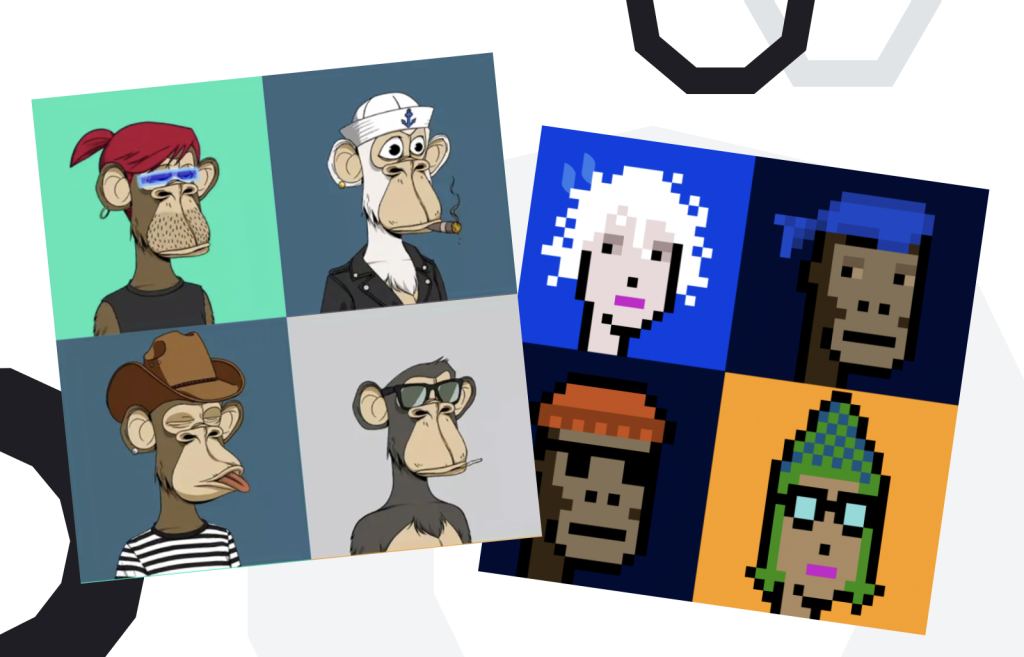
- NFTs (Non-Fungible Tokens): The emergence of NFTs has revolutionized the digital art market, enabling artists to tokenize their work and sell it in the digital realm. This innovative approach offers new avenues for monetization and challenges traditional concepts of ownership and value in art.
As these innovations continue to unfold, they illuminate the trajectory of digital art as a compelling domain ripe with creativity and technological advancement. Artists can now transcend physical limitations, inventing entirely new experiences while consistently pushing the envelope of what art can be. The implications of this evolution resonate beyond mere aesthetics; they reflect a cultural shift that profoundly influences how society perceives creativity in an increasingly digital era.
| Advantages | Description |
|---|---|
| Accessibility | Digital art allows artists to create and share their work globally, breaking geographical barriers. |
| Innovation | Technological advancements constantly introduce new tools for creativity, expanding the possibilities of expression. |
The evolution of digital art has fundamentally transformed the realm of creative expression. By utilizing technology, artists are no longer confined to traditional mediums but can explore limitless opportunities in virtual landscapes. The rise of platforms such as Adobe Creative Suite and Procreate, among others, has democratized art creation, enabling anyone with a device to unleash their imagination.Moreover, the concept of NFTs (Non-Fungible Tokens) has emerged as a revolutionary tool for artists, providing a secure method to promote and monetize their digital artwork. This fusion of art and blockchain technology not only ensures ownership rights but also opens new avenues for revenue generation.Additionally, the incorporation of virtual reality (VR) and augmented reality (AR) into artistic practices expands the viewer’s engagement in unprecedented ways, creating immersive experiences that transcend traditional gallery exhibitions. Such innovations reaffirm the significance of technology in shaping the future of art, continuously inviting creators and audiences to explore this vibrant new frontier in artistic expression.
DIVE DEEPER: Click here to discover the power of therapeutic photography</a
Breaking Barriers: The Intersection of Digital Art and Virtual Reality
The rapid advancement of technology has not only enhanced digital art but also integrated it with immersive experiences through virtual reality (VR) and augmented reality (AR)</strong). Artists are increasingly utilizing these technologies to create environments that allow viewers to step inside their artwork, fundamentally altering how art can be experienced. Artists like Jack Harlow have successfully bridged the realms of music and digital art, incorporating VR elements into their music videos that invite audiences to explore and interact with three-dimensional worlds, thereby blurring the lines between creator and observer.
VR art installations, such as those showcased by museums like the Los Angeles County Museum of Art (LACMA), offer users a completely new sensory engagement. By donning VR headsets, viewers can immerse themselves in expansive artistic realms, promoting a sense of spatial awareness and personal interaction that traditional media simply cannot replicate. This evolution emphasizes the potential for digital art to create a holistic experience that resonates on multiple sensory levels, urging both artists and audiences to redefine expectations of what art can convey.
The Role of AI in Artistic Creation
Another spectacular frontier emerging within the digital art landscape is the integration of artificial intelligence (AI). AI technology, exemplified by tools like DALL-E and RunwayML, empowers artists to generate unique pieces by merely guiding algorithms through a series of prompts. This process introduces a collaborative dialogue between artist and machine, presenting an avant-garde form of creativity that rethinks authorship and originality. For example, when AI-generated artwork was featured at prestigious art auctions like Christie’s, it pushed boundaries and sparked discussions about the nature of creativity and the future of artistic expression.
Moreover, AI’s ability to analyze data from cultural trends, social media, and previous art movements poses intriguing implications for how artists create and connect with their audiences. Algorithms can highlight themes and motifs that resonate with viewers, thereby allowing artists to explore and adapt their styles or concepts in response to real-time feedback. This fusion of technology and art exemplifies the transformative potential of AI, forging a path toward a highly personalized and responsive form of creative expression.
Community Building and Collaboration Through Digital Platforms
The digital art movement also thrives on fostering community and collaboration. Online platforms and social media channels, such as Behance and Instagram, serve as vital spaces for artists to share their work, gain visibility, and connect with like-minded creatives globally. This accessibility allows artists from diverse backgrounds to showcase their talents without the constraints of traditional gallery settings, democratizing artistic expression in unprecedented ways.
Moreover, collaborative projects, where multiple artists can contribute to a single piece or experience, have gained significant traction. Initiatives like Art Blocks enable collaboration among creators while emphasizing the importance of decentralized community building within the digital art realm. Artists from varying disciplines come together to create multifaceted projects that highlight their individual styles while celebrating diversity and innovation within the art world.
As digital art explores these new frontiers, it continues to foster an evolving dialogue between creators and technology. This intricate dance is reshaping our understanding of art as an expression of human experience, further highlighting the essential role of technology in pushing creative boundaries and ensuring that art remains relevant in an ever-changing world.
DISCOVER MORE: Click here to learn how cooking can alleviate stress
Conclusion: Embracing the Future of Digital Art
The landscape of digital art has undergone a remarkable transformation, driven by the relentless advancement of technology. As explored throughout this article, the integration of virtual reality, augmented reality, and artificial intelligence has not only expanded the artistic toolkit available to creators but has also redefined the relationship between the artist and their audience. Immersive experiences allow viewers to become active participants in art, while AI’s capabilities catalyze a new wave of creativity that challenges traditional notions of authorship and originality.
Furthermore, the rise of online platforms has democratized access to artistic expression, allowing diverse voices to flourish outside conventional gallery spaces. This sense of community and collaboration fosters an environment where innovation can thrive, leading to groundbreaking artistic dialogues and collaborations that span across disciplines and geographic boundaries.
As digital art continually evolves, it calls upon us to reconsider the very essence of what art is and how it connects us on a human level. The intersections of technology and creativity unveil new narratives, pushing boundaries and inviting inquiry into the ways we define artistic expression. With each advancement, artists and audiences alike embark on an exhilarating journey, one that promises to reshape the cultural landscape for years to come. To fully appreciate this evolution, one must remain curious and engaged, exploring the dynamic possibilities that lie ahead in the realm of digital art.