The Connection Between Cooking and Critical Thinking: Enhancing Skills Through Culinary Arts
Understanding the Benefits of Cooking on Cognitive Skills
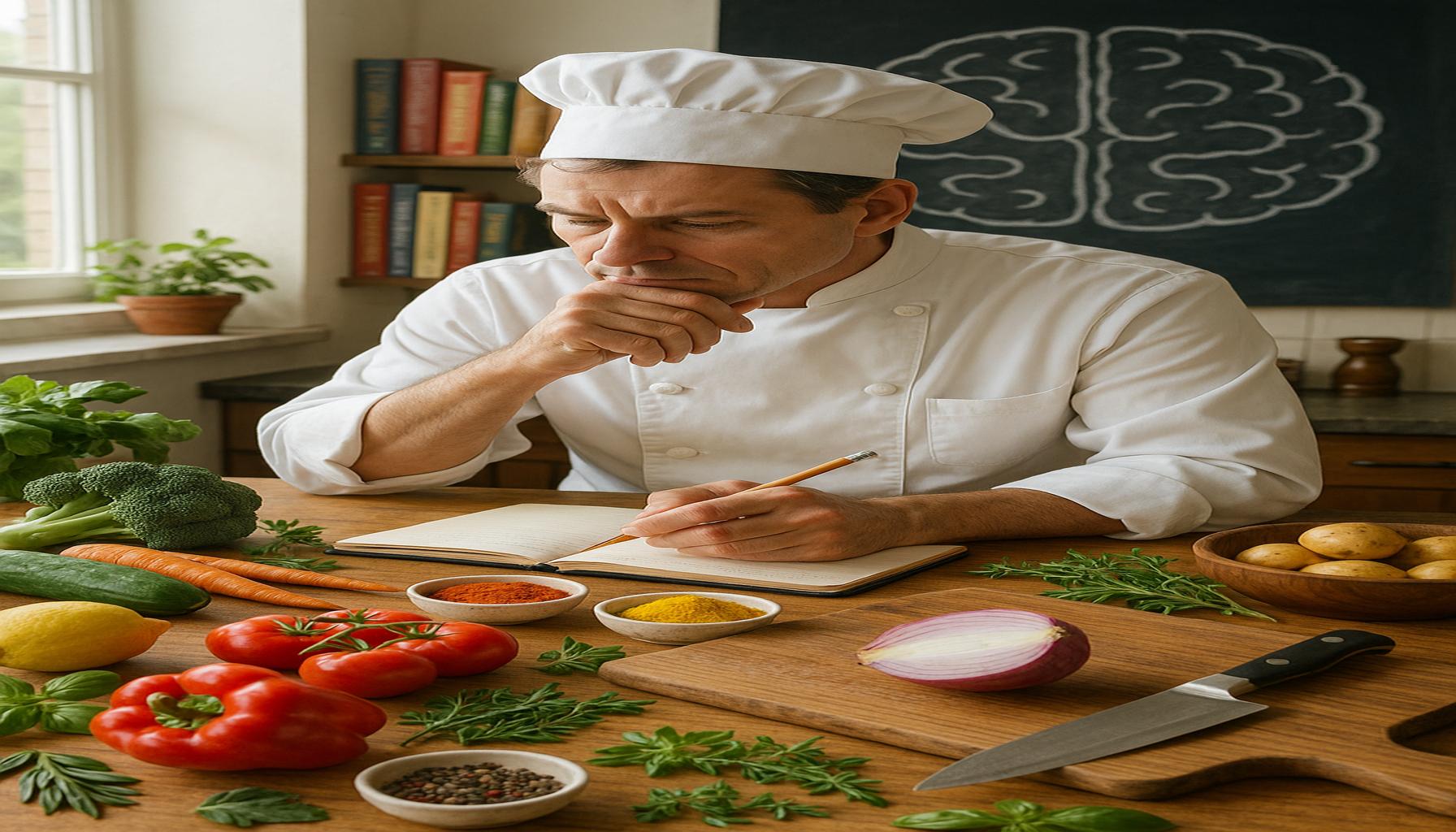
In an age where fast food and convenience meals often take precedence over home-cooked options, the act of cooking is frequently overlooked as a contributor to intellectual development. However, engaging in culinary arts not only nourishes our bodies but also enhances critical thinking skills in dynamic ways. Cooking encompasses a variety of cognitive activities, providing numerous benefits that extend well beyond the realm of the kitchen.
Problem-solving is a core component of the culinary experience. Recipes can sometimes present challenges, such as an unexpected ingredient shortage or a cooking technique that just isn’t working. For instance, if a recipe calls for fresh herbs that are unavailable, one must decide whether to substitute dried herbs, adjust the flavors elsewhere, or perhaps venture into a completely new direction. This requires both creativity and the ability to think on one’s feet. Engaging in such problem-solving not only bolsters creativity but also enhances one’s ability to navigate complex situations in daily life.
Equally important is the aspect of decision-making. Cooking encourages individuals to make informed choices based on a variety of factors such as taste preferences, nutritional content, and dietary restrictions. For example, in a household where someone is gluten intolerant, cooking involves critical decisions about ingredient selections and meal planning, fostering sound judgment and consideration for others’ needs. This decision-making process also translates to broader life choices, allowing individuals to evaluate options more critically and make better-informed decisions.
Moreover, time management plays a vital role in the culinary arts as well. Coordinating the cooking times of multiple dishes requires a keen sense of organization. For instance, when preparing a multi-course meal, one must plan ahead to ensure everything is ready at the same time—like knowing to start the roast early while managing a delicate dessert that needs precise timing. This skill not only contributes to greater culinary success but also enhances everyday organizational skills for juggling responsibilities in personal and professional realms.
Delving deeper into culinary activities goes beyond following a recipe; it invites a spirit of experimentation. The understanding of flavor combinations is an excellent example. Balancing sweet, sour, salty, and umami flavors can turn an ordinary dish into something extraordinary. A classic American example is the perfect blend of spices in barbecue sauces, which can vary widely but create beloved regional standards. Such experimentation fosters analytical thinking, as individuals learn from both successes and failures in the kitchen.
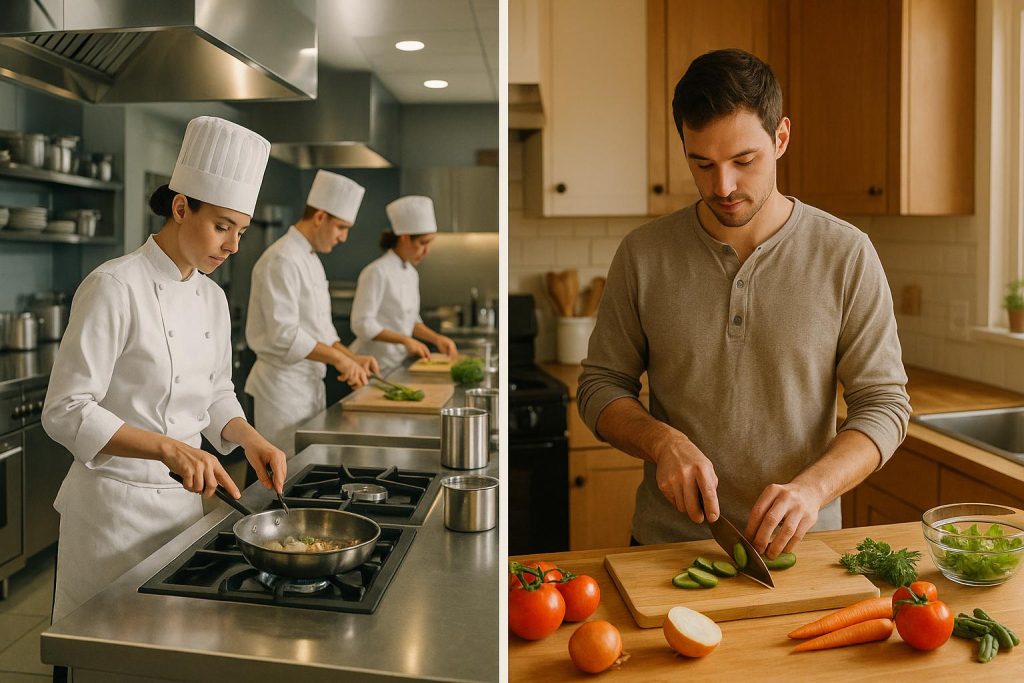
- Ingredient substitutions showcase adaptability and resourcefulness, such as using applesauce in place of oil for a healthier baked good, demonstrating creativity and flexibility.
- Nutrition management involves planning meals that align with health goals. For instance, integrating more vegetables and whole grains into everyday meals requires an understanding of nutrition and its impact on well-being, driving better lifestyle choices.
Ultimately, the art of cooking prepares individuals to create delightful meals while simultaneously equipping them with essential skills for navigating the complexities of daily life. Through this exploration of culinary arts, we find that cooking is not just a means of sustenance, but a profound avenue for enhancing critical thinking, problem-solving, and cognitive flexibility, establishing it as an invaluable life skill. In a world that increasingly values quick meals, it is time to recognize the broader implications and benefits of engaging in the culinary arts.
DIVE DEEPER: Click here to unwind and discover more
Critical Thinking Through Culinary Creativity
As we navigate the vast universe of culinary arts, we soon uncover that the kitchen serves as a dynamic classroom for enhancing our critical thinking skills. Every step in the cooking process involves a series of choices and evaluations that require both thoughtfulness and creativity. At its core, cooking is not merely about following instructions; it’s about understanding principles, experimenting with ideas, and adapting to ever-changing circumstances. This wealth of learning opportunities transforms simple meal preparation into a profound exercise in cognitive engagement.
One of the most compelling aspects of cooking is its inherent focus on creativity and experimentation. According to culinary educators, the ability to think outside the box can be the difference between crafting an unforgettable dish and a forgettable one. When trying to create a new recipe or modify an existing one, cooks engage in a variety of analytical processes. For example, when a favorite lasagna recipe calls for ricotta cheese that isn’t available, a cook might contemplate whether to experiment with cottage cheese, or perhaps tree nut-based alternatives for vegan diners. This approach encourages a mindset of flexibility and encourages exploration, which are key elements of strong critical thinking.
Additionally, understanding flavor profiles invites cooks to apply their analytical skills. Knowledge of fundamental flavor pairings, such as the classic combination of basil and tomatoes, empowers chefs to make educated decisions that lead to balanced and harmonious dishes. By utilizing techniques such as tasting and adjusting during the cooking process, individuals engage in a continual feedback loop that sharpens their sensory awareness and heightens their judgment—a skill transferable to many areas of life.
- Collaborative cooking serves as a tremendous opportunity for developing communication skills. Working with others in the kitchen demands clarity and cooperation, compelling cooks to discuss and negotiate flavors, techniques, and timelines effectively.
- Recipe development promotes planning and organizational skills, as aspiring chefs must keep track of numerous details, all while anticipating potential obstacles that could arise during the cooking process.
- Cultural exploration through food reveals the diverse ways that different societies approach cooking, encouraging appreciation for global cuisines while expanding one’s culinary repertoire.
In essence, the culinary realm is rich with opportunities for practical learning. By approaching cooking with an open mind and a willingness to experiment, individuals cultivate a toolkit of critical thinking skills that extends far beyond the kitchen. Experimentation with various techniques, flavor pairings, and presentation styles promotes cognitive growth, sparking newfound curiosity and a more profound understanding of the world around them.
Whether through the spontaneous decision to add an unexpected ingredient or the meticulous planning required for a family feast, cooking becomes a platform for enhancing critical thinking. In engaging with the culinary arts, an individual not only enhances their ability to ponder complex ideas but also equips themselves with the vital life skills necessary for navigating a world rife with uncertainties and challenges.
| Category | Description |
|---|---|
| Problem-Solving Skills | Cooking challenges individuals to develop innovative solutions and adapt to unexpected situations, which is a core aspect of critical thinking. |
| Decision Making | The process of selecting ingredients and methods enables individuals to evaluate options critically, weighing pros and cons for better outcomes. |
| Creativity | Culinary arts encourage students to experiment with flavors and techniques, thereby enhancing their ability to think outside the box and express themselves. |
| Analytical Skills | Cooking requires precise measurements and timing, promoting a meticulous approach that translates into enhanced analytical thinking. |
In the culinary world, enhancing critical thinking skills carries significant importance. For example, the act of cooking often demands readiness to face challenges, be it adjusting to dietary restrictions or managing time efficiently. Every recipe is an opportunity for analysis; a chance to forecast outcomes based on ingredient choices or techniques applied. Moreover, when faced with limited resources, home cooks and professional chefs alike embrace the art of improvisation, exemplifying how cooking intertwines with problem-solving.Additionally, culinary arts can serve as a fantastic platform for teamwork and collaboration. When individuals cook together, particularly in a professional setting, the necessity for clear communication and joint decision-making arises, fostering a dynamic learning environment. This further enriches critical thinking capabilities as varied perspectives combine to create a harmonious culinary process. As participants critically analyze their cooking experiences, they not only refine their culinary skills but also develop essential competencies that resonate beyond the kitchen, paving paths for success in various life situations.
DIVE DEEPER: Click here to unlock the connection between storytelling and emotional intelligence
Culinary Problem-Solving: A Recipe for Success
When we enter the kitchen, we are stepping into a realm of problem-solving that requires creativity, adaptability, and an analytical mind. Culinary arts challenge our ability to troubleshoot problems and devise strategic solutions. Every dish has its hurdles, from timing issues to ingredient substitutions, and learning how to address these challenges fosters profound cognitive abilities that transcend the cooking world.
Consider the seemingly simple task of baking bread. Bakers must pay close attention to the science of ratios and ingredient interactions. For instance, if the dough doesn’t rise as expected, a baker must consider multiple variables—was the yeast fresh, was the water too hot or too cold, or did they measure the flour incorrectly? Each inquiry fosters a systematic approach to problem-solving, teaching essential skills such as hypothesis testing and logical reasoning. This analytical approach can translate directly into other problem-solving scenarios outside the kitchen, whether in academics or professional settings.
Moreover, the methodical nature of cooking can enhance our decision-making skills. As cooks, we are constantly evaluating options: should we caramelize onions for deeper flavor or sauté them for quicker preparation? Choosing between different cooking methods invites the opportunity to weigh pros and cons—an exercise that sharpens our decision-making faculties. Emphasizing the need for a rationale behind each choice encourages a deeper understanding of cause and effect, a fundamental aspect of critical thinking.
- Time management comes into play as cooks learn to prioritize tasks, like prepping ingredients while a pot simmers. This multitasking is essential in developing not just efficiency, but also a methodical way of approaching complex projects.
- Ingredient sourcing reflects an individual’s ability to research and engage with their community or market, enhancing analytical skills while making choices that impact the dish’s final outcome. Understanding seasonal ingredients or local produce is an art as well as a science, requiring thoughtful contemplation and observation.
- Food safety practices necessitate vigilance and adherence to regulations that protect health, demanding a conscientious approach to managing not just food but also knowledge of hygiene standards and the implications of foodborne illnesses.
The culinary arts further teach individuals the importance of feedback and growth. Each meal becomes an opportunity for reflection, where cooks might consider the reception of their dishes. Did the flavors complement each other, or was the dish unbalanced? This self-assessment is a critical factor in developing a mindset oriented toward continuous improvement and lifelong learning. The emphasis on receiving critiques generously applies not only within culinary circles but also serves well in collaborative work environments, nurturing teamwork and collaboration skills.
Cooking also facilitates a unique engagement with cultural narratives, as understanding recipes often comes hand-in-hand with exploring their historical contexts. Traditional meals tell stories of cultural identity and migration; interrogating these histories can enrich both culinary knowledge and critical thought. This exploration not only broadens one’s culinary scope but also cultivates an appreciation for diverse perspectives and methodologies, further enhancing critical thinking capacities.
DISCOVER MORE: Click here to learn about enhancing your leadership skills
Conclusion: The Culinary Journey Towards Critical Thinking
In exploring the connection between cooking and critical thinking, we realize that culinary arts serve as a unique platform for personal and cognitive growth. The kitchen is not merely a space for meal preparation; it is a dynamic environment where critical skills are honed through the art of cooking. By engaging in the complexities of the culinary process, individuals exercise problem-solving abilities while learning to analyze situations deeply and make informed decisions.
As we’ve discovered, tasks such as baking or ingredient sourcing demand a keen understanding of scientific principles, fostering a mindset of inquiry and hypothesis testing. Cooking challenges us to prioritize and multitask—a reflection of real-world demands—ultimately enhancing our time management and efficiency. Additionally, the importance of feedback in refining culinary creations underscores the essential practice of reflection and adaptability, nurturing a culture of continuous improvement.
The infusion of cultural narratives within culinary practices opens doors to understanding diverse perspectives, shaping individuals into well-rounded thinkers capable of embracing complexity and ambiguity. As we champion the culinary arts as a vital tool for developing critical thinking skills, it becomes evident that embracing this journey not only enriches our cooking experiences but also sets the stage for personal and intellectual growth.
In essence, the kitchen offers a fertile ground for cultivating essential life skills. As we stir, sauté, and bake our way through challenges, we become not just better cooks but also more effective thinkers and problem solvers. It invites us all to dive deeper into our culinary adventures, unlocking a world where creativity and critical thinking harmoniously coexist.