The Benefits of Gardening as a Tool for Building Patience and Attention to Detail
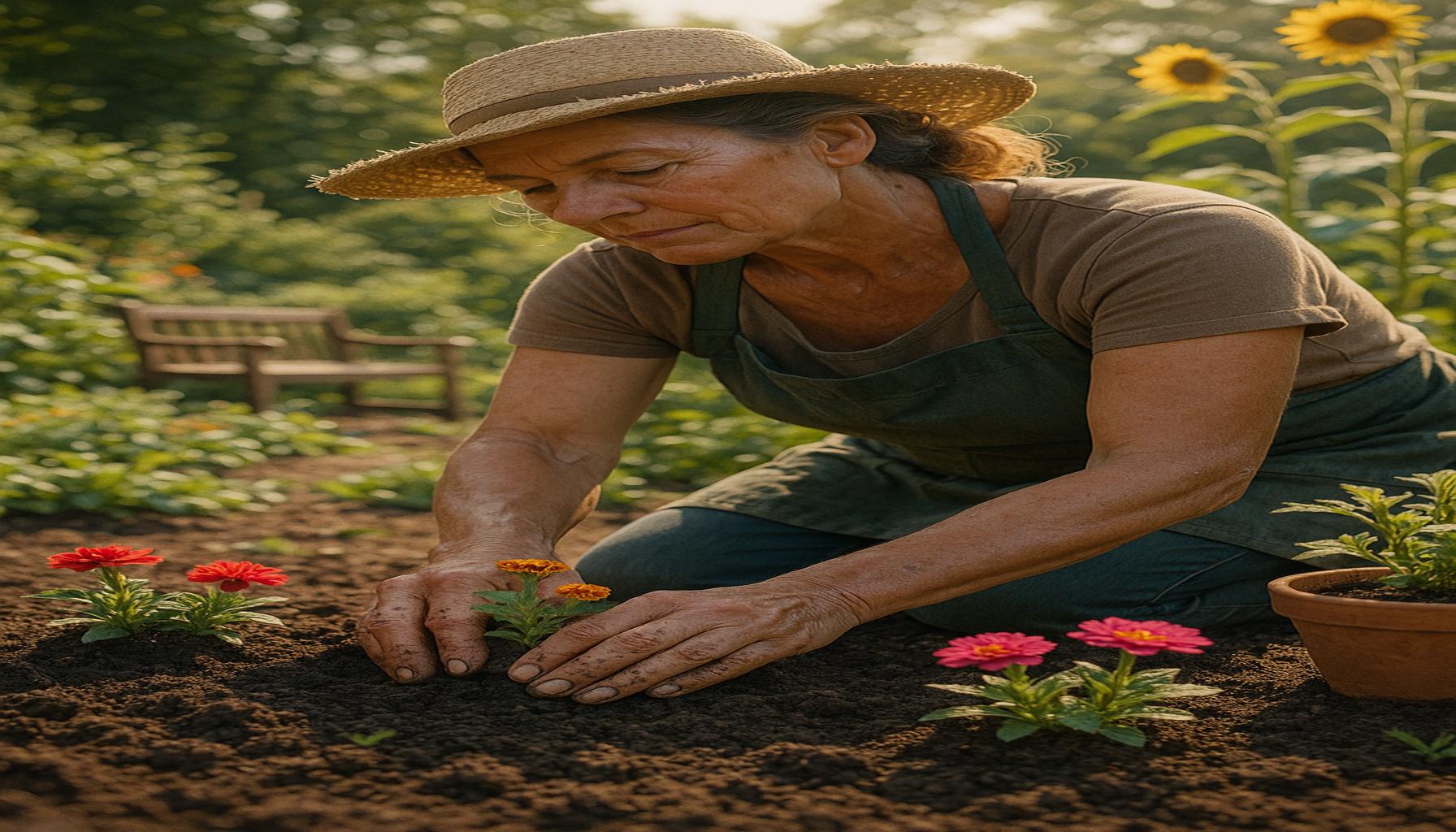
The Journey of Growth and Discovery in Gardening
There’s something uniquely rewarding about planting a seed and watching it grow. Gardening isn’t just a pastime; it’s a journey that fosters patience and sharpens one’s attention to detail. By engaging in this art, individuals can tap into a remarkable realm of personal development, gaining skills and insights that echo far beyond the garden’s borders.
In a fast-paced world, the act of tending to a garden encourages us to slow down and appreciate the process. Each moment spent nurturing our green companions can lead to profound changes in perspective. Here are a few ways gardening helps develop these essential skills:
- Delayed Gratification: The excitement that comes from sowing seeds is tempered by the wait for them to germinate and flourish. For instance, when planting a vegetable garden, you may plant tomato seeds in early spring, only to enjoy the first ripe fruits several months later. This experience teaches us a crucial life lesson: good things often take time, fostering resilience and perseverance.
- Observational Skills: Each plant has unique needs, from sunlight to water, demanding careful monitoring. A gardener learns to observe shifting weather patterns and reacts to changes in their plants’ health. For example, if you notice your leafy greens are wilting, it may indicate a need for more moisture or could signal a pest problem. This fine-tuning of one’s observational ability expands skills that can be applied in other aspects of life, including work environments and personal relationships.
- Problem Solving: Encountering issues like pests or poor soil requires thoughtful solutions and experimentation. Home gardeners often face challenges, such as aphids attacking their roses or soil nutrients running low. Successfully resolving these issues fosters critical thinking and adaptability. One might resort to organic pest control methods or explore the benefits of composting to enhance soil quality, therefore broadening their knowledge base and resourcefulness.
Beyond these benefits, gardening offers numerous psychological advantages, such as reducing stress and promoting mindfulness. Engaging with soil and plants provides an opportunity to disconnect from digital distractions and immerse oneself in the present moment. Studies have shown that spending time in nature can lower cortisol levels, enhancing overall mental well-being.
As you immerse yourself in this colorful world, you might find that the simple act of cultivation can nurture more than just plants; it can cultivate a thoughtful and patient mindset. In fact, many people report finding clarity and peace in their gardening routines, making it an excellent therapeutic outlet.
In essence, gardening serves as a powerful tool for fostering patience and enhancing attention to detail, ultimately leading to a more fulfilling life. Whether you’re growing a small herb garden on a windowsill or managing a larger vegetable plot in your backyard, the skills you develop through gardening will resonate in various aspects of your daily life. Embrace the journey; you may just find it leads to transformative experiences and insights.
DON’T MISS: Click here to learn more about how creative hobbies impact social skills in young people</
Embracing the Art of Observation in the Garden
At its core, gardening is a lesson in observation, demanding a keen eye and a thoughtful approach. Successful gardening is not just about planting seeds; it involves watching, listening, and responding to the subtle cues that nature provides. This process cultivates attention to detail, which can have far-reaching implications beyond the garden.
For instance, a gardener must be attentive to a multitude of factors affecting plant growth, such as soil composition, moisture levels, and sunlight exposure. A simple oversight, like forgetting to water during a dry spell, can lead to wilted plants. On the flip side, an observant gardener can identify the earliest signs of distress, such as discoloration on leaves or abnormal growth patterns. This not only helps in maintaining a flourishing garden but also enhances the gardener’s ability to notice finer details in everyday life.
Learning from Nature: The Patience of Growth
The journey of a seed sprouting into a thriving plant exemplifies the virtue of patience. Unlike instant gratification typically sought in modern life, gardening teaches that nurturing takes time. You may spend weeks or even months caring for your plants only to enjoy the fruits of your labor later. This essence of delayed gratification is essential in the garden and a valuable lesson in life’s many endeavors.
Research indicates that engaging with nature and nurturing plants can significantly reduce anxiety and boost emotional wellness. When a gardener manages a plot of soil, stressors from daily life appear minuscule. The act of watering, pruning, and observing fosters a sense of calm and focus, encouraging individuals to step away from their fast-paced routines. Here are some profound benefits of gardening, centered on developing patience and enhancing attention to detail:
- Mindfulness Development: Gardening naturally promotes mindfulness. Being present during the act of planting gives individuals the chance to engage with their senses—feeling the texture of the soil, smelling the fresh leaves, and witnessing the gradual growth of plants.
- Goal Setting: Each garden requires planning and foresight. Setting realistic goals, such as when to plant or when to harvest, teaches gardeners to strategize and remain committed to achieving results, thereby reinforcing their ability to focus.
- Routine Establishment: Consistent care routines, whether it’s watering every morning or checking plants for pests every evening, embed a sense of responsibility. This routine cultivates a disciplined approach, fostering patience as gardeners wait for their plants to mature.
The intertwining of patience and attention to detail in gardening creates a therapeutic setting for personal growth. As many become more invested in their garden spaces, they often report a shift not just in their gardening skills but also in their outlook on life. Each plant is not merely a living organism but a lesson in resilience and care, reflecting the values we carry into our interactions outside the garden.
| Advantages | Details |
|---|---|
| Improved Focus | Gardening requires concentration to observe plant growth and identify problems promptly, honing skills in attention to detail. |
| Therapeutic Benefits | The process of nurturing plants can significantly reduce stress and anxiety, fostering a peaceful mindset ideal for cultivating patience. |
| Goal Setting | Gardening encourages individuals to set long-term goals, as nurturing a garden takes time and consistent effort, reinforcing the value of patience. |
| Skill Development | As gardeners face new challenges, they develop problem-solving skills that enhance their attention to detail, such as recognizing pests or optimizing plant growth conditions. |
Gardening not only beautifies our surroundings but acts as a profound tool for developing qualities like patience and detail-oriented skills. Each aspect of gardening — from planting seeds to nurturing them into thriving plants — embodies a journey that reflects the need for careful observation and dedication, making it an enriching experience for anyone looking to enhance these essential qualities in their lives.
DISCOVER MORE: Click here to learn how creativity can build community
A Growing Connection: The Impact of Gardening on Emotional Resilience
Gardening not only serves as a catalyst for patience and attention to detail, but it also fosters an emotional connection with the natural world, providing a protective buffer against life’s stresses. This unique relationship with the environment enables individuals to cultivate a sense of emotional resilience that often translates into everyday life experiences.
For many, gardening becomes a space for self-reflection and personal expression. As individuals dig into the soil, planting and nurturing their seeds, they engage in a meditative process that encourages introspection. Scientists have noted that engaging in such creative activities can boost overall mental health by reducing symptoms of anxiety and depression. This enhancement in emotional resilience not only stems from the act of gardening itself but from the patience learned through tending to plants, which can take weeks or months to nourish before yielding visible results.
The Science Behind Growing and Healing
Numerous studies support the therapeutic effects of gardening on mental well-being. A 2017 study from the University of Florida observed that individuals participating in community gardening programs reported marked decreases in stress levels and improved emotional health indicators. Gardening acted as a coping mechanism, allowing participants to connect with others while simultaneously leading them to slow down and savor the growth process.
Furthermore, the relationship between gardening and patience was examined in a 2020 Australian study, which concluded that patients engaged in activities like gardening displayed improved focus and concentration compared to those who didn’t. Maintaining a garden requires continuous commitment, monitoring growth patterns, and adapting care strategies based on environmental conditions. This level of engagement strengthens one’s ability to deal with challenges—whether in the garden or elsewhere.
Building Community Through Gardening
Aside from personal growth, gardening fosters community engagement, another vital aspect of emotional well-being. Community gardens have become increasingly popular across the United States, serving as vital resources for neighborhoods. They bring together individuals from diverse backgrounds, enriching the fabric of community life while encouraging collaboration and patience. By pooling resources, gardeners often share the responsibilities involved in maintaining gardens, such as planning, watering, and harvesting. This team mentality teaches participants to communicate effectively, delegate tasks, and appreciate the unique contributions of others—all rooted in patience and attention to detail.
- Food Security: Community gardens provide fresh produce to local neighborhoods, addressing food deserts where access to healthy options is limited. The carefully monitored growth of various plants also reinforces the need for precision in development.
- Environmental Stewardship: Gardening encourages awareness of local ecosystems, prompting individuals to learn about sustainable practices. This commitment to a healthy environment nurtures deeper connections with nature and heightens attention to the ecological impacts of human actions.
- Inspirational Landscaping: Creating a beautiful garden requires meticulous planning and execution. As gardeners design their spaces, they develop a sense of ownership over aesthetics, enhancing their attention to detail in selecting complementary colors and plant species that thrive together.
As gardeners engage in these activities, they cultivate not only plants but networks of support and understanding, reinforcing the benefits of patience and allowing their emotional resilience to flourish. Thus, gardening stands as a powerful tool that intertwines personal growth with community development, showing how the art of nurturing can yield significant rewards far beyond the garden’s borders.
DISCOVER MORE: Click here for deeper insights
Conclusion: Cultivating Patience and Detail Through Gardening
In summary, gardening serves as a multifaceted tool that fosters both patience and attention to detail, enriching emotional resilience and community well-being. As individuals sow seeds and watch them grow, they engage in a profound journey of personal development that transcends mere horticultural skills. The sustained commitment required in a garden teaches valuable life lessons—patience in the face of naturally slow processes and meticulous attention to the myriad factors that contribute to a plant’s health.
The documented benefits, from enhanced emotional well-being to bolstered social interactions, highlight the significance of gardening in our increasingly fast-paced world. Community gardens, in particular, create a shared sense of purpose and belonging, addressing critical issues like food security while promoting sustainable practices. As communities bond over their collective green spaces, gardeners learn not only from the soil but also from each other, cultivating a deeper understanding of collaboration, resource management, and the art of attentive care.
Ultimately, gardening empowers individuals to connect with nature and foster a nurturing mindset. It’s an exploration of growth—both within the garden and in one’s personal life. Whether you are a novice or an experienced gardener, consider the rich rewards that come from cultivating patience and detail through this engaging practice. As society increasingly recognizes these benefits, the garden may very well become a sanctuary not just for plants, but for the growth of the human spirit.