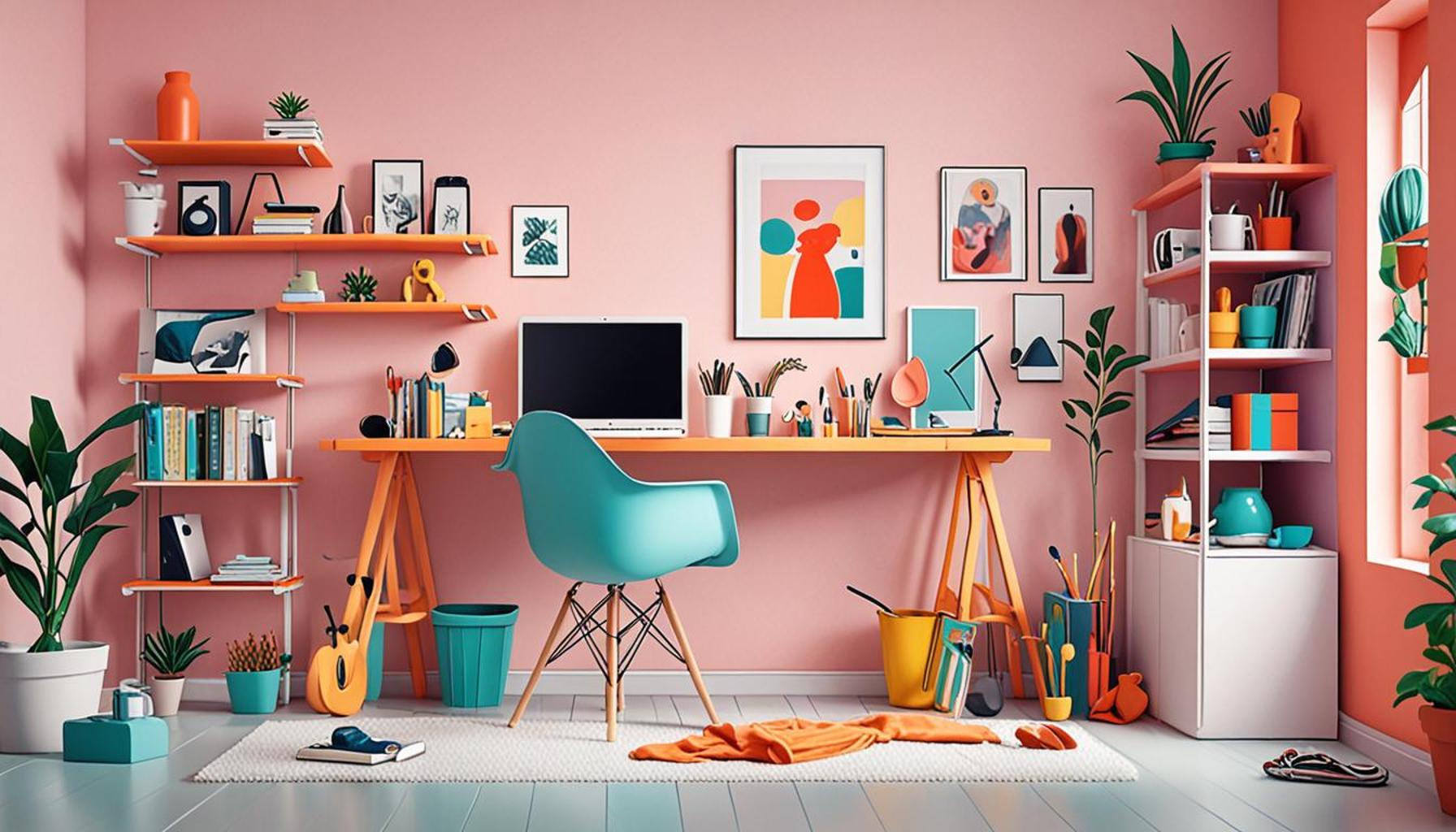
Practical Strategies to Reduce Clutter at Home: Transforming Your Environment with Minimalism

Creating Space for Serenity
Living surrounded by clutter often breeds feelings of chaos and distraction. In a bustling environment, especially one filled with a beautiful mix of traditional and modern artifacts like that seen in Nigeria, embracing minimalism can drastically transform your home into an oasis of peace and productivity. The essence of minimalism lies not only in reducing items but also in creating a lifestyle that fosters mindfulness and intentionality.
To truly understand the impact that decluttering can have on one’s quality of life, consider the following compelling reasons to reduce clutter:
- Improved Mental Clarity: Living in a tidy environment can enhance focus and reduce anxiety levels. For instance, a neat workspace can dramatically increase productivity, making it easier to concentrate on tasks and delve into creative projects. Studies show that individuals in clean environments are often more organized in their thoughts as well.
- Better Organization: Simplifying your space allows for easier access to your belongings, saving you time and frustration. In Nigerian households, reducing the number of items can help streamline daily activities, from cooking to family gatherings, creating an environment that promotes smooth interactions.
- Enhanced Aesthetics: A minimalist approach can elevate the visual appeal of your home. Think about how a well-organized living room with fewer items can appear more inviting and relaxing, compared to a chaotic, crowded space filled with excess furniture and decor.
Implementing practical strategies for decluttering is essential for achieving a positive change in your living space. Here are some effective practices you can adopt:
- One In, One Out: This simple rule encourages you to remove an item from your home every time you bring in something new. If you buy a new decorative piece for your living room, consider donating or selling an old one. This method helps maintain balance in your space.
- Daily Declutter Sessions: Allocate just 10-15 minutes a day to address a small area, such as a drawer or a corner of a room. Over time, these small efforts can lead to significant changes, freeing up space and fostering a sense of accomplishment.
- Embrace Multi-Functionality: Opt for furniture or household items that serve more than one purpose. For example, a storage ottoman can provide seating while also hiding clutter, making it a practical addition to any room.
Transforming your environment through minimalism is not merely about reducing possessions; it is about cultivating a lifestyle that emphasizes peace and mindfulness. As you embark on this journey, you may find that your surroundings have a powerful influence on your thoughts and behaviors. A serene space allows for reflection, creativity, and tranquility—an essential balance in our fast-paced lives. Join us as we delve deeper into effective strategies that will not only help you reduce clutter at home but also enhance your overall quality of life, making room for what truly matters.
YOU MAY ALSO LIKE: Read read another article

Effective Techniques for Decluttering Your Space
Embracing minimalism in your home begins with actionable strategies that lay the foundation for a transformed environment. The following techniques can aid in reducing clutter and enhancing the tranquility of your living space, allowing you to fully appreciate the beauty that simplicity brings. Here are some methods tailored specifically for today’s Nigerian households:
- Sort and Categorize: Start by gathering similar items in one place. For example, collect all your kitchenware, clothing, or books. Once gathered, it becomes easier to assess what you truly need versus items that simply take up space. Creating categories can help you view your belongings with fresh eyes, enabling you to let go of duplicates or things that no longer serve a purpose.
- The Joy Factor: Inspired by Marie Kondo’s philosophy, ask yourself if a particular item sparks joy when you hold it. If it does not, consider donating or selling it. This introspective approach can help you connect emotionally with your belongings, fostering a more mindful relationship with what you choose to keep, especially in a vibrant culture where sentimental items often accumulate.
- Designate Drop Zones: Developing specific areas for everyday items like keys, shoes, and bags can significantly reduce clutter. Establishing a “drop zone” by the entrance of your home allows you to keep items organized and prevents them from spreading throughout your living area. For instance, using vibrant baskets or stylish hooks not only organizes but also adds a decorative touch to your home.
- Digital Declutter: Don’t forget about the paper clutter that accumulates in any household. Go through old bills, receipts, and other paperwork to decide what needs to be kept versus what can be shredded or digitized. Creating digital files for important documents can both save physical space and make your filing system more efficient.
- Set Clear Goals: Define what you envision for your decluttering journey. Perhaps you aim to create a more serene bedroom atmosphere, or maybe you want a minimalist living room that emphasizes your cultural heritage. Setting specific objectives can motivate you to stay on track and visualize the results of your efforts over time.
Adopting these practical strategies aligns with a minimalistic approach that resonates with many across Nigeria. It encourages mindful consumption in a market bursting with products—an important reminder to prioritize quality and intention over quantity. The resulting serenity from decluttering helps to create a home that speaks to your values and enhances your overall well-being.
| Strategy | Benefits |
|---|---|
| The 30-Day Minimalism Game | Encourages consistent decluttering, making the process manageable and fun. |
| Room-by-Room Approach | Targets specific areas, reducing overwhelm and creating visible progress. |
| Quality over Quantity | Fosters a mentality of valuing items, leading to enhanced home aesthetics. |
| Digital Declutter | Cleans up digital space, enhancing productivity and focus. |
One practical strategy to conquer clutter is the 30-Day Minimalism Game, which effectively promotes daily decluttering tasks. Each day, participants eliminate one item, progressively enhancing their living space. Additionally, a room-by-room approach can help break down the seemingly daunting task of decluttering into smaller, manageable sections. By concentrating on one room at a time, individuals witness tangible results, significantly boosting motivation.Moreover, the principle of quality over quantity allows homeowners to immerse themselves in a space that reflects their tastes and preferences, moving away from the cluttered chaos. Lastly, embracing digital declutter methods—such as organizing files, unsubscribing from unnecessary emails, and cleaning out apps—can greatly optimize both physical and mental environments. These strategies engage individuals in achieving a lifestyle rooted in minimalism while fostering an inviting and serene home atmosphere.
YOU MAY ALSO LIKE: Read read another article
Creating Sustainable Clutter-Free Habits
While implementing immediate strategies for decluttering is crucial, cultivating sustainable habits ensures that your home remains a haven of minimalism and tranquility. This involves not just a one-time effort but fostering an ongoing mindset that values simplicity and purposefulness. Here are some effective practices that can help maintain a clutter-free environment:
- One In, One Out Rule: This simple yet powerful strategy mandates that for every new item you bring into your home, you must remove an existing one. This practice encourages mindful purchasing habits and makes you think critically about the long-term value of each item, a concept increasingly relevant in Nigeria’s consumer-oriented culture.
- Routine Decluttering Sessions: Schedule regular intervals for decluttering—weekly or monthly—where you assess areas in your home that may be prone to accumulating unnecessary items. These could involve spaces like the wardrobe, living room shelves, or even kitchen cabinets. By staying proactive, you create a dynamic environment that continuously reflects your intentions of minimalism.
- Mindful Shopping: Before making a purchase, give yourself a brief pause to assess the need versus want. Ask yourself questions like, “Do I really need this?” or “Where will this go in my home?” This mindfulness extends to shopping habits at the local markets, where impulse buying can lead to regrettable clutter. By choosing carefully, you respect both your living space and budget.
- Multi-functional Furniture: In Nigeria’s urban spaces where dimensions might be limited, opting for furniture that serves multiple purposes can be an intelligent strategy. For example, a bed with built-in storage or an ottoman that doubles as a seat offers functionality while saving space. This smart design not only contributes to decluttering but also enhances the aesthetic appeal of your home.
- Embrace a Donate Box: Set up a designated box in your home where you can place items you no longer need or use. Whenever the box is full, make it a point to donate the contents to local charities or shelters. Not only does this fosters the spirit of giving, but it instills a regular routine of evaluating your possessions and understanding the joy of sharing.
These sustainable practices encourage a lifestyle aligned with minimalism, significantly impacting how you interact with your belongings. As you incorporate these strategies, consider the rich cultural backdrop that informs your choices. In Nigeria’s diverse settings—from bustling urban centers to serene rural areas—the desire for peace and relaxation can often be overshadowed by accumulating possessions. By embracing these practices, you actively work towards a home environment that not only reflects your values but also nurtures mental clarity and peace.
Moreover, creating a decluttered home resonates with broader environmental concerns, as reducing excess aligns with principles of sustainability by minimizing waste and promoting recycling. It reminds us that a conscious, careful approach to living can contribute to greater harmony within our spaces and our communities. So embark on your minimalist journey today, and discover the profound serenity a clutter-free home can bring.
YOU MAY ALSO LIKE: Read read another article
Embracing Minimalism for a Harmonious Home
In conclusion, transforming your living space into a clutter-free environment through practical strategies not only enhances the aesthetics of your home but significantly contributes to your mental well-being. As we have explored, implementing sustainable habits like the One In, One Out rule, engaging in regular decluttering sessions, and practicing mindful shopping empowers you to take control of your possessions. These approaches are particularly relevant in Nigeria’s diverse contexts, where the balance between cultural richness and personal space can often become hindered by accumulated belongings.
By embracing minimalism, you allow your home to reflect your values while fostering an atmosphere of clarity and tranquility. The utilization of multi-functional furniture and the regular practice of donating unneeded items not only serve to declutter but also engender a sense of community and generosity, further enriching your living experience.
As you embark on this journey towards a more minimalist lifestyle, remember that it is a gradual process. Incorporating these strategies into your daily routine will ultimately lead to a lasting transformation. In a world increasingly characterized by excess and noise, the quest for simplicity is more than a personal choice; it is a step toward a sustainable and mindful living that benefits not only you but also the community around you. Embrace the change today, and revel in the peace that a clutter-free home can bring.