Minimalism and the Reduction of Clutter in Family Life: Creating Environments for Growth and Connection
Understanding Minimalism
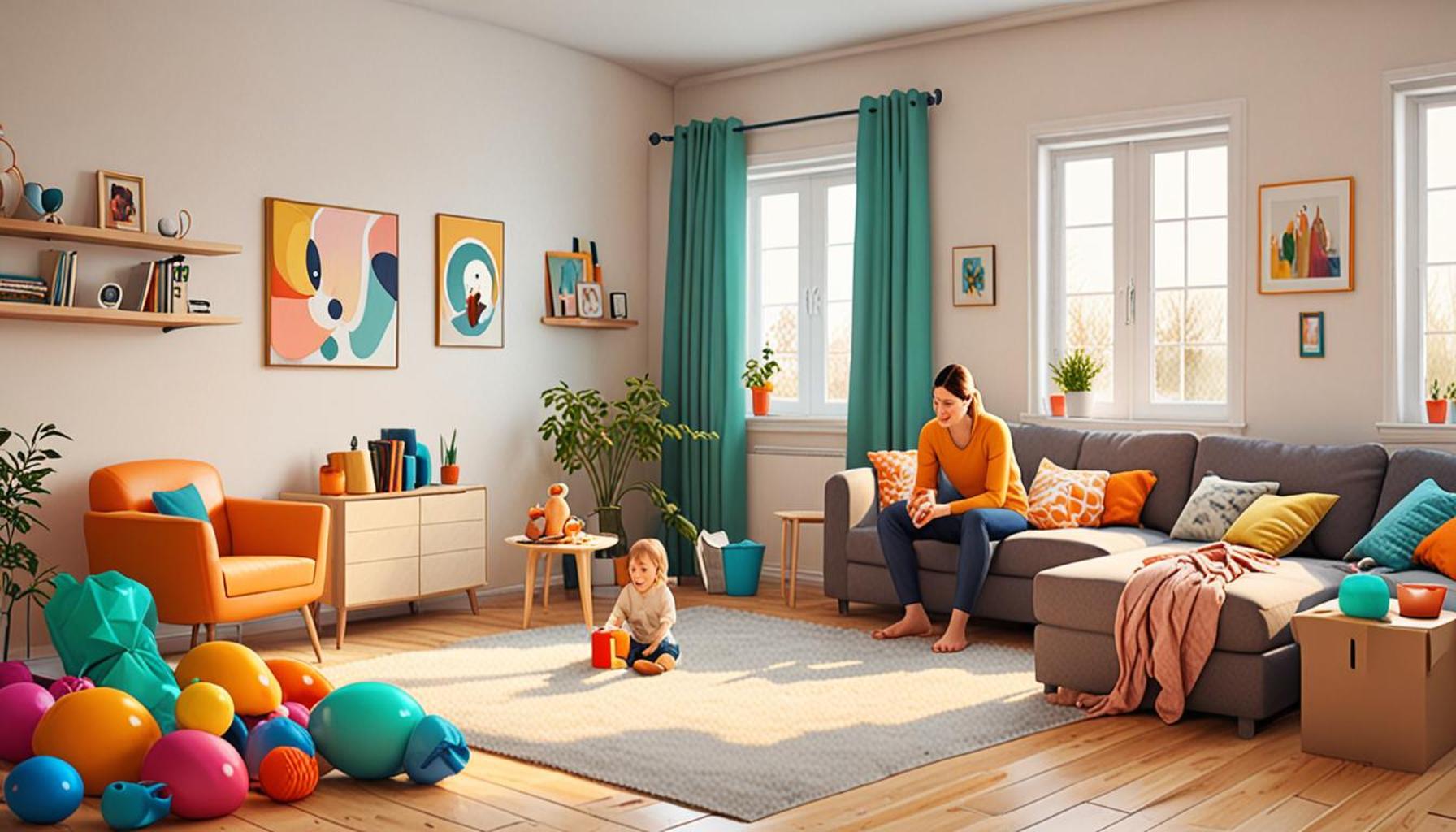
In a fast-paced world where consumerism often takes center stage, families may find themselves overwhelmed by possessions and obligations. The philosophy of minimalism serves as a guiding light, encouraging individuals to prioritize what truly matters amidst the chaos. By embracing this lifestyle, families can cultivate deeper connections, enhance emotional well-being, and foster personal growth.
The Emotional Benefits of Minimalism
One of the most significant advantages of minimalism is the potential for increased emotional stability. A decluttered environment contributes to a tranquil mindset. Research suggests that physical clutter can lead to mental clutter, resulting in feelings of anxiety and stress. In a Nigerian context, where the hustle of life can often feel overwhelming, maintaining a serene home can provide a refuge. For example, a mother in Lagos might find that her children’s focus improves when their study area is free from unnecessary distractions.
Creative Potential Unleashed
The enhanced creativity that comes from minimalistic living cannot be overlooked. With fewer distractions from possessions, individuals can tap into their creative reservoirs. For children, this could manifest in more imaginative play, as they are encouraged to engage with their surroundings meaningfully. Consider a family in Abuja that adopts a minimalist approach, utilizing open spaces to host art sessions or family game nights—these experiences can ignite creativity and foster lasting memories.
Strengthening Family Bonds
Minimalism facilitates stronger family bonds by creating opportunities for quality time. In many Nigerian households, where busy schedules often lead to fragmented interactions, minimalism encourages families to gather around shared interests. For instance, a family in Port Harcourt might prioritize board games or storytelling over screen time, leading to deeper conversations and connections. When distractions are minimized, the time spent together becomes cherished, enhancing emotional health across the family unit.
Practical Tips for Minimalist Living
For families that wish to embark on a minimalist journey, especially in urban environments, several practical strategies can be implemented. Begin with identifying which items in the home hold genuine value and serve a purpose. This can be as simple as evaluating clothing closets or kitchenware. “If it doesn’t spark joy,” as the popular quote suggests, it may be time to let it go.

Another effective method is to introduce a one-in-one-out policy; for every new item brought into the home, an old one should be discarded or donated. This technique not only prevents accumulation but also promotes intentional purchasing decisions.
As families consider these techniques, they will find that minimalism is more than just a lifestyle choice; it is a pathway to living a more fulfilled and connected life. This journey toward simplicity encourages individuals to examine their values and priorities, paving the way for a brighter future in the heart of Nigeria. By understanding and embracing minimalism, families can indeed transform their lives for the better.
RECOMMENDED: Check out this similar article
Transforming Spaces with Minimalism
To comprehend the true power of minimalism in family life, it is essential to recognize how it reshapes the very spaces we inhabit. A minimalist home is not merely about scarcity; rather, it reflects a thoughtful arrangement that puts functionality at the forefront. By simplifying their surroundings, families can create environments conducive to growth and connection.
Creating Functional Spaces
One aspect of minimalism is the design of spaces that serve a clear purpose. Families often accumulate items that no longer contribute to their daily lives or wellbeing. This clutter can obscure the functionality of a home. In Nigeria, where many families balance work, school, and community engagements, the push for practical living becomes even more relevant. By adopting a minimalist approach, Nigerian families can redefine how they utilize their living spaces.
Here are some practical adjustments for creating functional spaces:
- Designate areas for specific activities: Establish corners in the living space for reading or play to enhance focus and engagement.
- Use multifunctional furniture: Opt for furniture that can serve multiple purposes, reducing the need for additional items.
- Incorporate natural light: Allowing natural light into spaces can elevate moods and foster a sense of openness.
The Impact on Family Routines
The shift toward minimalism can have a profound influence on a family’s daily routines. With fewer belongings to manage, families can redirect their energy towards more meaningful interactions. For example, a family in Sokoto might find that by minimizing the number of toys, children engage more deeply in creative play, learning to value quality over quantity. This not only enriches their experience but also cultivates shared moments that strengthen family ties.
Sustainability and Minimalism
In addition to emotional and relational benefits, minimalism aligns with a sustainable lifestyle. In Nigeria, where environmental concerns are increasingly urgent, reducing clutter can lead to fewer resources consumed. Families can embrace eco-friendly practices by choosing durable goods and reducing waste. This commitment to sustainability teaches children the importance of stewardship and caring for the environment.
Challenges of Minimalist Living
While minimalism offers a myriad of benefits, it isn’t without its challenges. Families looking to embrace this lifestyle may face resistance, especially in a culture where gift-giving and social status are intertwined with material possessions. Acknowledging and addressing these obstacles is crucial. Here are some considerations:
- Emotional attachments: Letting go of items tied to memories may be difficult; approach this process with care.
- Family buy-in: All family members should understand the value of minimalism to ensure collective commitment.
- Redefining success: Shift the focus from material accumulation to valuing experiences and relationships.
Embracing minimalism in family life is undoubtedly a journey, one that requires intention and cooperation. As families in Nigeria explore this powerful philosophy, they can expect profound transformations, not just in their physical spaces, but in their relationships and personal growth as well.
Embracing Minimalism in Family Spaces
In contemporary family life, minimalism has emerged as a transformative approach to creating harmonious environments. By reducing clutter, families pave the way for greater emotional connection and enhanced functionality within their homes. As family members eliminate excess belongings, they can focus on what truly matters: time spent together and shared experiences.
The Psychological Benefits of Decluttering
Psychologically, clutter can be overwhelming, leading to increased stress and anxiety. Minimalism counteracts this by fostering simplicity. According to recent studies, homes with less clutter are associated with lower levels of anxiety, enabling families to cultivate a sense of peace. This psychological clarity helps family members to communicate better and engage more positively.
Creating Dedicated Spaces for Connection
Another advantage of minimalism lies in the creation of dedicated spaces that facilitate connection. Families can transform the living area into a cozy nook free of distractions. Removing unnecessary items allows for the addition of engaging activities like board games or reading materials that promote bonding. These intentional spaces naturally encourage emotional growth and communication.
Table: Advantages of Minimalism in Family Life
| Category | Benefits |
|---|---|
| Reduced Stress | Less clutter results in a calmer home atmosphere, leading to improved mental wellness. |
| Stronger Relationships | A minimalist approach encourages shared experiences, fostering deeper family connections. |
Implementing minimalism not only rejuvenates physical spaces but also invites families to engage with one another in meaningful ways. As each family member embraces this shift, the home transforms into a sanctuary nurtured by love and shared values.
CHECK OUT: Click here to explore more
Enhancing Emotional Wellbeing through Minimalism
The influence of minimalism extends beyond just physical spaces; it profoundly impacts the mental and emotional wellbeing of family members. A clutter-free environment can reduce stress and anxiety, fostering a sense of calm that is essential for nurturing relationships. In Nigerian households, where the vibrancy of communal ties is celebrated, creating a serene atmosphere can be a game-changer.
The Psychological Benefits of Decluttering
When families engage in the process of decluttering, they often experience a sense of relief and accomplishment. Research indicates that a chaotic environment can lead to feelings of overwhelm and depression. Conversely, a minimalist home allows for clarity, enabling family members to focus on what truly matters: each other. For instance, a family in Lagos can transform their interactions by dedicating quality time to conversations rather than navigating through piles of unused belongings.
Fostering Communication and Connection
Minimalism encourages families to connect through shared experiences rather than possessions. In a culture where valid communication is vital for cohesion, having less can mean more room for dialogue and emotional expression. Nigerian families, with their heritage of oral storytelling and community gatherings, can cultivate deeper connections through activities like board games or joint cooking sessions rather than being distracted by excessive distractions. By prioritizing togetherness, parents can model the values of family and connection to their children.
Reimagining Traditions and Celebrations
Minimalism can also reframe how families in Nigeria celebrate traditions and milestones. Instead of extravagant gatherings filled with material gifts, families might opt for simpler, more heartfelt celebrations that emphasize togetherness. This can mean enjoying a family meal or organizing a community service trip, reflecting the true essence of connection. Through such experiences, families cultivate memories that transcend material gifts, ultimately enriching their relationships.
Education and Minimalism
In Nigerian culture, education holds immense importance, and minimalism can play a role in enhancing the learning environment at home. Decluttering study areas can positively impact the concentration and productivity of children and adults alike. For instance, a parent in Abuja could create a dedicated, orderly study space that encourages children to focus on their academics without the distraction of unnecessary items. This fosters not only educational growth but also a culture of discipline that can carry through to other aspects of family life.
Mindfulness and Family Dynamics
Integrating mindfulness into family routines is a natural extension of minimalist living. Encouraging families to pause and reflect on their belongings prompts them to consider the value each item brings to their lives. This mindfulness can lead to more intentional decisions regarding how families spend their time and resources. By instilling practices such as gratitude journaling or family discussions about their experiences, parents can teach children the importance of awareness and appreciation, further strengthening family bonds.
As Nigerian families navigate modern complexities, the principles of minimalism offer a path to emotional and relational enrichment. By reducing clutter, fostering meaningful connections, and embracing a lifestyle centered on experiences, families can cultivate a nurturing environment that encourages growth and unity.
YOU MAY ALSO LIKE: Read read another article
Conclusion: Embracing Minimalism for a Thriving Family Life
In an era characterized by fast-paced living and constant consumerism, minimalism offers Nigerian families a powerful antidote to clutter and chaos. By consciously choosing to reduce physical and emotional clutter, families can cultivate environments that are not only conducive to growth but also filled with genuine connections and meaningful experiences. As we have explored, the benefits of minimalism extend far beyond mere aesthetics; it positively influences emotional wellbeing, fosters open communication, and allows families to reimagine their traditions in a more heartfelt manner.
The act of decluttering can be transformative, paving the way for families to invest in each other rather than their possessions. In a society rich with cultural heritage, simple gatherings and shared activities can replace material gifts, enriching relationships and creating lasting memories. Additionally, a decluttered space enhances focus and productivity, which is essential for families prioritizing education and emotional development.
Ultimately, adopting a minimalist lifestyle is about creating balance and intentionality in family life. By embracing mindfulness and being deliberate about what surrounds them, families can teach their children the value of simplicity and contentment. In a world where genuine connections matter more than material wealth, minimalism stands out as a beacon of hope, encouraging Nigerian families to thrive together in love and unity. As you begin this journey, consider the endless possibilities that await—not just a home reshaped by fewer possessions, but a family life enriched by greater connections.