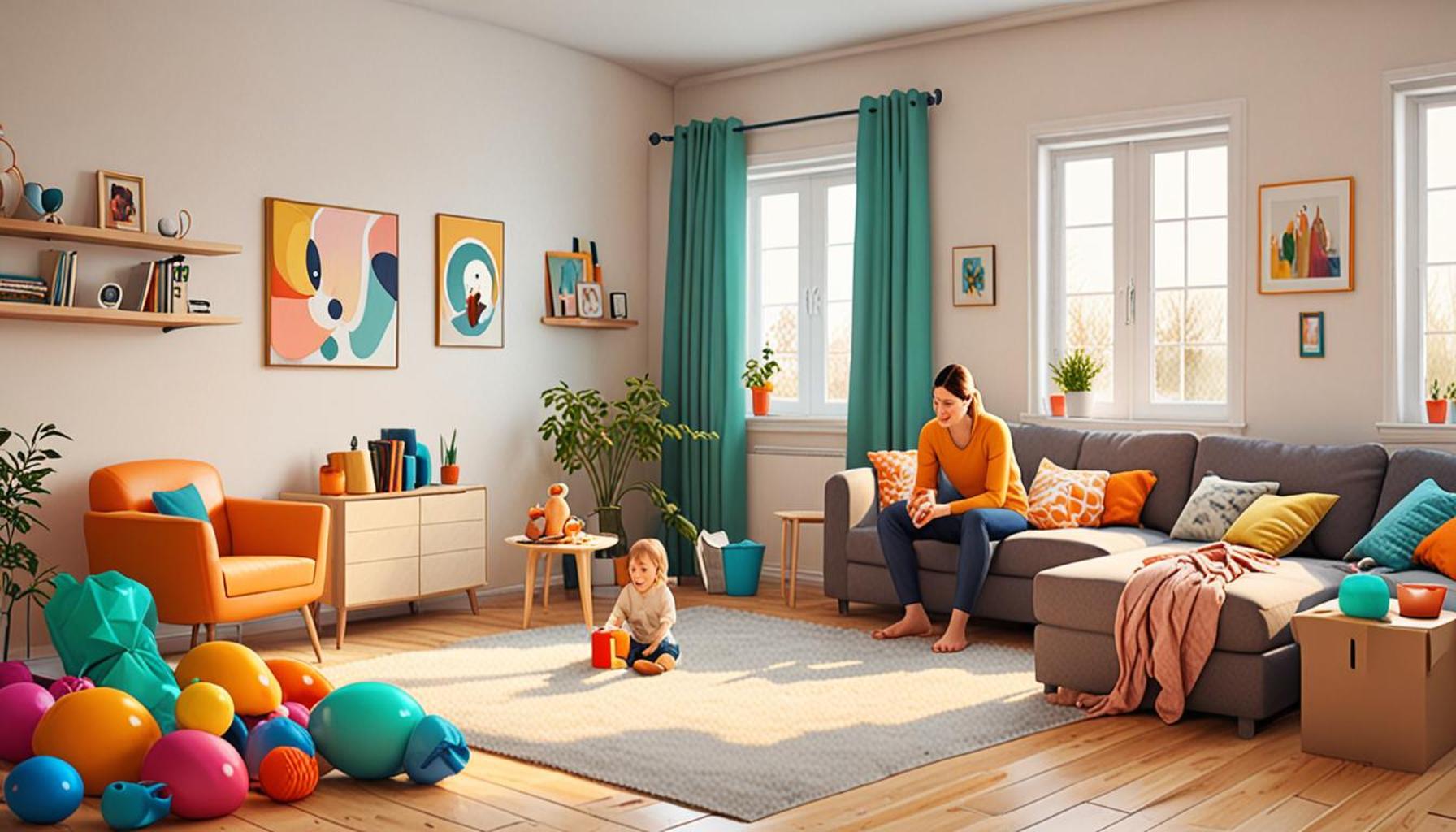
How Decluttering Can Improve Your Relationships: Creating Harmonious Shared Spaces

Unlocking the Benefits of Decluttering
Living in shared spaces can often feels disordered and overwhelming, but what if there was a way to transform this chaos into calm? The practice of decluttering extends beyond just tidying up; it facilitates a significant change in how we relate to each other and our environment. When homes are organized and clutter-free, the result is not just a neat living space but also a harmonious living environment that enhances emotional connections and reduces overall stress levels.
Explore the Impact of Clutter
Some might underestimate the influence of clutter, but unmanaged spaces can significantly affect the dynamics within a household. For instance, a kitchen cluttered with unwashed dishes and piled groceries may trigger heightened tensions, leading to disputes about cleanliness and shared duties. Furthermore, visual disarray can cause mental stress, making individuals feel overwhelmed. This increased stress can diminish patience and empathy in interactions, leading to misunderstandings or arguments.
Moreover, time wasted searching for misplaced items detracts from opportunities for meaningful engagement, contributing to a sense of disconnect among loved ones. Instead of enjoying each other’s company, family members may find themselves preoccupied with locating that elusive key or important document. As a result, there is less quality time spent together, which is crucial for nurturing relationships.
Conversely, embracing decluttering can yield profound benefits, transforming spaces and lives. For example, collaborating on organizing shared areas cultivates teamwork, which in turn strengthens bonds among partners or family members. Working side by side fosters communication as individuals negotiate what items to keep, donate, or discard. This shared journey not only helps in creating an orderly space but also enhances emotional ties.
A well-organized living environment contributes to a positive atmosphere that aids relaxation and connection. Without the noise of disorganization, family members can converse openly and foster deeper connections. Furthermore, mutual respect for each other’s belongings encourages a more profound understanding within the household, where everyone feels valued and appreciated.

In Nigeria, where communal living is a cherished aspect of cultural identity, the importance of a tidy, welcoming space cannot be overstated. From the bustling city of Lagos to the serene villages in the North, creating a clean and organized environment can revolutionize not only individual homes but entire communities. By embracing the art of decluttering, families can significantly improve their interactions, leading to richer and more fulfilling relationships. As the saying goes, ‘A tidy space leads to a tidy mind’, and it is amazing how much clarity and joy can flourish within a well-kept home.
LEARN MORE: This related article may interest you
The Ripple Effect of An Organized Space
Decluttering is not merely a practice of sorting through items; it often serves as a catalyst for enriching relationships among those who share a space. The act of organizing instigates communication and collaboration, which are essential components of healthy interactions. Additionally, a decluttered environment actively promotes mindfulness and awareness, helping individuals feel more present in their relationships.
How Decluttering Encourages Teamwork
Shared spaces, such as living rooms and kitchens, are often the epicenters of daily interactions. When clutter accumulates, these areas transform from inviting gathering spots into sources of frustration and irritation. Embracing a decluttering routine can revitalize these crucial spaces, fostering teamwork among family members or housemates. Engaging in this collective effort offers several benefits:
- Promotes Cooperation: When individuals collaborate on organizing, they must communicate about preferences and needs, which enhances understanding.
- Builds Trust: Sharing decision-making power around what to keep or discard can lead to a stronger sense of trust and security within relationships.
- Reduces Blame: By working together, accountability shifts away from blaming one person, which can improve dynamics and keep resentment at bay.
Moreover, engaging in frequent decluttering sessions can become a cherished ritual, offering an opportunity for family members to bond as they reflect on memories associated with different items. For example, while sorting through clothes, a family might share stories attached to certain pieces, creating moments of laughter or nostalgia that fortify their emotional bonds.
The Emotional Benefits of a Clear Space
The psychological effects of clutter on an individual’s emotional state are well-documented. Clutter has been shown to influence brain function and can lead to feelings of anxiety and overwhelm. Individuals in cluttered environments often report higher stress levels, attributed largely to the visual chaos that surrounds them.
However, a cleared space can reverse this trend. Here are a few emotional benefits resulting from decluttering:
- Enhanced Focus: A tidy environment allows residents to concentrate better, which can lead to improved productivity and reduced irritation.
- Increased Calmness: Minimizing visual distractions creates a more peaceful atmosphere, fostering relaxation and pleasant interactions.
- Boosted Confidence: Achieving a decluttered space can provide a sense of accomplishment, making individuals feel more positive and open to their relationships.
In essence, decluttering is an emotional investment in creating harmonious shared spaces. The collective efforts not only enhance the living environment but also contribute significantly to nurturing relationships. As families and housemates turn their attention to decluttering, they inadvertently embark on a journey that can bring them closer, fostering deeper connections and greater harmony.
Understanding the Emotional Impact of Clutter
Clutter not only affects our physical space but also heavily influences our emotional well-being and interpersonal relationships. The presence of disorder can lead to feelings of anxiety and stress, which often spills over into interactions with loved ones. When environments are peaceful and organized, individuals are more likely to experience increased positivity and a greater sense of connection with those around them. Learning to declutter can thus serve as a catalyst for improving communication and understanding within relationships.
Enhanced Communication
Having a tidy space encourages open and transparent communication. When surfaces are cleared and backgrounds are serene, conversations can flow more freely. This reduced visual distraction allows family members or partners to engage in meaningful dialogues without the subconscious anxiety of clutter lingering in the background. By fostering a more inviting atmosphere, decluttering can lead to a nurturing environment where individuals feel heard and valued.
Shared Responsibilities and Teamwork
Decluttering can also promote teamwork and shared responsibility among household members. This collaborative effort fosters a sense of unity and collective achievement. When everyone participates in creating a harmonious space, it builds camaraderie and strengthens bonds. This teamwork not only improves the shared environment but also cultivates respect and understanding among individuals, leading to healthier and stronger relationships.
Creating a Reflective Space
Lastly, decluttering allows individuals to create spaces that truly reflect their values and interests. A personalized shared space, free from excessive belongings, nurtures an environment where individuals can flourish together. By curating a space that highlights important memories and experiences, couples and families strengthen their emotional ties and cultivate a loving atmosphere enriched with shared history.
| Category | Advantages |
|---|---|
| Emotional Well-being | Reduces stress and anxiety, enhancing overall relationship dynamics. |
| Shared Space Reflection | Creates a harmonious environment that reflects shared values and interests. |
CHECK OUT: Click here to explore more
The Transformative Power of Shared Decision-Making
In many Nigerian households, the distribution of household responsibilities often leads to tensions and misunderstandings. Decluttering together presents a unique opportunity to reshape these dynamics through shared decision-making. When family members collaborate on which items to keep and which to discard, it lays the groundwork for mutual respect and understanding.
Empowering Voices Through Decluttering
Decluttering encourages each individual to express their opinions and feelings about belongings. This fosters an environment where everyone feels valued. For instance, setting aside time to tackle a cluttered storage area not only transforms the space but invites thoughtful conversations about what each person holds dear. Many families may discover that what seems like mere clutter to one individual may have sentimental value to another.
This environment of collaboration can also spark discussions about values and priorities in daily life. A Nigerian family may realize that duplicating items, such as cooking utensils or furniture, leads to unnecessary clutter. By agreeing to donate or sell duplicates, each member gains a sense of control over their surroundings while contributing to a less cluttered home.
Creating Spaces for Connection
Beyond the emotional uplift, the practical benefits of decluttering extend to how spaces function. In Nigeria, communal areas such as the living room serve as vital spots for family gatherings. When these areas are clutter-free, the potential for social interaction expands. A clean living space invites family members to spend time together, whether entertaining guests or simply enjoying a movie night.
The presence of clean and organized spaces can lead to spontaneous engagements, as relatives are more inclined to find joy in shared moments without the distraction of chaos. For example, a tidy kitchen may inspire collaborative cooking sessions, allowing family members to share recipes, stories, and laughs while preparing meals. This not only strengthens familial bonds but can also revitalize traditional cooking practices that may otherwise be overlooked.
Setting a Positive Example for Future Generations
By actively participating in decluttering, parents serve as role models for their children, instilling values of organization and collaboration. Teaching children the importance of maintaining a neat space can have lasting effects, equipping them with life skills that bolster their future relationships. For instance, instilling a decluttering mindset during childhood can encourage the next generation to prioritize healthy interactions and emotional well-being in their own households.
Moreover, as Nigerian parents instill these values at home, they contribute to a broader cultural shift towards more mindful living. Families that embrace decluttering are taking tangible steps towards a lifestyle that promotes less consumerism and more connection, a practice that can resonate beyond the household and into community relationships.
Ultimately, the benefits of decluttering reach deep into the fabric of relationships, creating harmonious shared spaces that enhance daily life. By fostering teamwork, connection, and open communication, families can cultivate a nurturing environment that thrives on mutual respect and understanding.
YOU MAY ALSO LIKE: Read read another article
Conclusion: Embracing Decluttering for Stronger Bonds
As explored throughout this article, decluttering serves as more than just a means of organizing physical spaces; it acts as a catalyst for strengthening relationships within Nigerian households. The act of coming together to decide what to keep and what to let go fosters a sense of teamwork, promoting open communication and respect among family members. When everyone has a voice in the process, it nurtures an atmosphere of appreciation and understanding, which is crucial for harmonious living.
Moreover, decluttering transforms shared spaces into areas that enhance connection. With less visual chaos, families are drawn to spend time together, thereby reviving the significance of communal family gatherings and cherished traditions. Clean and organized environments become platforms for collaboration, encouraging cooking sessions filled with stories, laughter, and the rekindling of generational practices that bind families closer.
Importantly, by instilling the values of organization and teamwork through decluttering, parents are shaping the mindsets of future generations. They are imparting essential life skills that foster healthy interactions and emotional well-being, thus laying the foundation for stronger, more mindful communities. In essence, as families in Nigeria embrace the practice of decluttering, they are not only enhancing their immediate living conditions but are also contributing to a broader cultural shift towards connection over consumerism.
So, whether it’s tackling a disorganized living room or redistributing household duties, the journey of decluttering is one that promises richer relationships and more harmonious shared spaces. The benefits reach far beyond tidiness, reminding us that a clear space can lead to an enriched life filled with meaningful interactions.