How Decluttering Can Enhance Creativity: Creating Inspiring Spaces
The Influence of Environment on Creativity
In a fast-paced world overflowing with distractions, the physical environment plays a pivotal role in shaping our creative processes. Decluttering transcends the superficial task of tidying up; it is about establishing a stimulating atmosphere that encourages ideas to flow unhindered. Research has consistently shown that a clean, organized space is not only aesthetically pleasing but also a significant contributor to enhanced creativity. For example, a 2011 study published in the journal Science found that individuals within tidy environments were more likely to engage in creative thinking compared to those surrounded by disorder.
Consider the following key advantages of decluttering:
- Improved Focus: When your workspace is free from clutter, your mind can concentrate on the task at hand without being sidetracked by chaos. This is particularly relevant in a bustling Nigerian city like Lagos, where the noise and movement outside can compete for your attention. A well-organized desk can help mitigate these distractions.
- Enhanced Mood: The aesthetic benefits of a clean environment have profound effects on mental well-being. Studies indicate that cleaner spaces are associated with increased happiness levels and decreased stress. In urban settings in Nigeria, where road traffic and daily stressors are prevalent, creating a serene, decluttered oasis at home can significantly uplift one’s mood.
- Increased Productivity: Organization promotes streamlined workflows, enabling you to tackle tasks more efficiently. For busy professionals juggling multiple roles in Nigeria’s competitive job market, a decluttered workspace can serve as a critical tool for maximizing productivity.
Many Nigerians face the challenge of clutter in their lives, particularly in densely populated cities where homes can become overcrowded with belongings. This is often exacerbated by cultural practices that encourage keeping items ‘just in case.’ However, taking the time to eliminate what is unnecessary can lead to remarkable transformations—not just in physical space but also in mental clarity and creative output.
By making decluttering a priority, you can transform your environment into an inspiring space that fuels your creativity and innovation. Imagine walking into a clean room filled with natural light, where each item serves a purpose. Are you prepared to experience how a little organization can reveal a more creative version of yourself?
ADDITIONAL INSIGHTS: Expand your understanding here
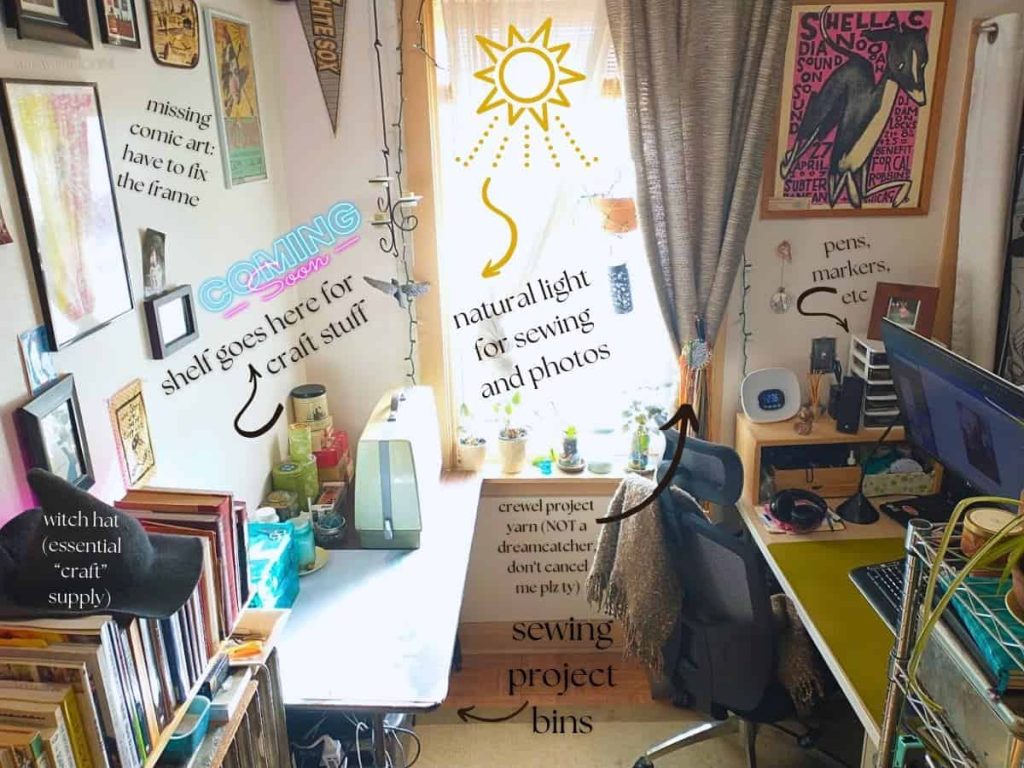
Transforming Spaces to Foster Innovation
In the realm of creativity, the subtle interplay between our surroundings and our thought processes cannot be understated. The act of decluttering not only clears physical space but also ushers in mental clarity, which is essential for innovative thinking. Consider how many successful creatives, from writers and artists to entrepreneurs, have emphasized the importance of their working environments. These individuals often credit their creative breakthroughs to the simplicity and organization of their spaces, allowing them to channel their focus toward what truly matters—their projects.
If you’re looking to unleash your creativity, start by identifying the common clutter that suffocates your space. This clutter can manifest in various forms: old papers piled on your desk, clothes hanging out of drawers, or even digital clutter in the form of chaotic desktop files. Here are some practical steps to gradually transform your environment:
- Declutter in Stages: Rather than tackling the entire space in one go, break the process into manageable chunks. Focus on one section or category at a time. For instance, dedicate a weekend to sorting through books or office supplies.
- Invest in Organizational Tools: Utilize storage bins, shelves, or drawer organizers to give each item a designated place. This not only keeps things tidy but helps you develop a system that enhances your workflow.
- Create a ‘Space for Inspiration’: Designate a specific area in your home or office solely for creative activities. Fill it with items that inspire you, like artwork or motivational quotes, to evoke a positive and stimulating atmosphere.
As you engage in decluttering, you may be surprised by the discoveries that emerge—dormant ideas, forgotten projects, and even new sources of inspiration. A popular Nigerian proverb states, “A clear mind brings clarity to life.” This rings true, especially in today’s fast-changing world. By creating a visually appealing and orderly environment, you open yourself up to new possibilities and innovative ideas.
Moreover, it’s essential to recognize that decluttering isn’t merely a one-time activity; it’s a lifestyle shift. By committing to maintaining an organized space, you can enhance your cognitive capabilities over time. The ability to think creatively often relies on how effectively we can filter distractions and create a sanctuary that promotes growth and ingenuity.
In Nigeria, where vibrant communities and fast-paced lifestyles often lead to chaos, finding a balance through decluttering can be a game-changer. Whether in bustling Lagos or serene rural areas, taking the time to create an inspiring space can lead to breakthroughs that resonate far beyond your initial projects. It’s time to explore how a few strategic changes can elevate your creative endeavors, leading to fresh ideas and unparalleled innovation.
How Decluttering Affects Mental Clarity
One of the most significant impacts of decluttering is the way it promotes mental clarity. When your surroundings are tidy and organized, your mind can focus on what truly matters. A cluttered space often leads to a cluttered mind, resulting in distractions that can stifle creative thoughts. This is especially pertinent for creative individuals, such as artists, writers, and designers, who thrive on inspiration drawn from their environment.
Encouraging Innovative Thinking
In an inspiring space devoid of distractions, creative thinking flourishes. Decluttering not only helps in eliminating physical distractions but also liberates mental space, allowing innovative ideas to flow freely. Consider implementing a designated area for creativity—this could be a simple desk or a cozy nook where clutter is kept to a minimum, inviting thoughts to wander in new directions.
Creating a Routine
A regular decluttering routine can also contribute to a systematic approach in your creativity journey. Establishing a habit of reassessing what items contribute positively to your creative space encourages intentionality. Knowing that your surroundings are constantly being refined allows for an even greater focus on creativity, providing the mental freedom to push boundaries.
The Role of Minimalism in Creativity
Embracing a minimalist approach can further enhance your creative capabilities. By selecting only the essentials, you can cultivate an atmosphere that nurtures inspiration rather than chaos. Minimalism encourages you to appreciate the beauty in simplicity and fosters a mindset that values quality over quantity.
| Category 1 | Category 2 |
|---|---|
| Enhancing Focus | A clutter-free environment allows for better concentration and direction in creative tasks. |
| Reducing Stress | Decreased clutter contributes to a calm atmosphere, thus reducing anxiety and opening the mind to new ideas. |
In exploring the relationship between decluttering and creativity, it becomes clear that a distraction-free and organized space is not merely a preference, but a necessity for those who seek to foster their innovative spirit. By understanding the myriad benefits that arise from a decluttered space, individuals can uncover the truest form of their creativity.
RECOMMENDED: Check out this similar article
The Psychological Boost of a Clean Environment
The impact of a decluttered space on creativity extends beyond aesthetics—it is deeply intertwined with psychology. Research shows that individuals in organized environments tend to experience lower stress levels and higher productivity. One study published in the Journal of Environmental Psychology found that participants working in tidy settings were significantly more focused and were able to generate more creative ideas compared to those in cluttered areas. This connection between environment and cognitive function is particularly relevant for Nigeria’s diverse and dynamic populace, where distractions can stem from both physical surroundings and societal pressures.
In the hustle and bustle of Nigerian cities, such as Lagos or Abuja, chaos can feel almost inevitable. Street vendors, noisy traffic, and vibrant marketplaces contribute to a sensory overload that can stifle creativity. Therefore, finding solace in a decluttered and organized personal space becomes crucial for individuals seeking to innovate. Through the practice of decluttering, you create a sanctuary where your mind can wander freely and where ingenuity can thrive.
A decluttered environment also promotes a sense of control. In a rapidly changing world, having an organized workspace offers stability. When seeking to tackle new ideas or projects, this sense of control can be empowering. A project by the organization HAPPIER revealed that people who regularly engage in decluttering report higher levels of life satisfaction. They feel a renewed sense of ownership over their environment and, by extension, their creative journey.
Incorporating Natural Elements for Enhanced Creativity
It’s essential not to overlook the role that natural elements play in fostering creativity in a decluttered environment. Incorporating plants and natural light can significantly enrich the atmosphere of your space. Studies indicate that greenery in workspaces can boost mood and creativity. In Nigeria, where the biodiversity is rich, utilizing native plants requires minimal effort and brings a unique touch to your environment. Furthermore, research from the University of Exeter found that employees in environments with natural elements are 15% more productive.
Incorporating elements such as bright colors or inspirational artwork can further amplify the effect of a decluttered space. Nigerian artists often draw upon cultural heritage and vibrant colors, and including their work in your creative space can evoke a sense of cultural pride while stimulating your imagination. Positioning artwork that resonates with your values and aspirations not only beautifies your surroundings but also connects you to your heritage and motivates your creative pursuits.
The Role of Minimalism in the Creative Process
Additionally, the philosophy of minimalism has become ever more relevant. By adopting a minimalist approach, you compel yourself to reflect on what items genuinely serve a purpose or inspire you. This practice can be menacing at first—especially in cultures where attachments to possessions run deep—but the rewards are substantial. Embracing minimalism encourages you to prioritize quality over quantity in all aspects of life, from tangible belongings to ideas.
For many, this can lead to greater clarity in decision-making and the freedom to explore unconventional ideas without the weight of excess. As you embrace intentionality in both your physical and mental spaces, you grant yourself permission to think outside the box. The creative advantages of decluttering are clear: a clean, inspiring environment becomes an incubator for new concepts and artistic expressions, leading to more fulfilling creative endeavors.
ADDITIONAL INSIGHTS: Expand your understanding here
Embracing Clarity for Creative Growth
In conclusion, the act of decluttering transcends mere organization; it serves as a catalyst for enhanced creativity and productivity. By synthesizing the psychological benefits of a clean environment with the incorporation of natural elements and minimalistic principles, individuals can carve out spaces that are not only serene but also deeply inspiring. The insights shared reveal that decluttering leads to reduced stress levels, greater focus, and the freedom to innovate—essential aspects for anyone navigating the dynamic landscape of Nigerian urban life.
As we journey through vibrant cities like Lagos and Abuja, we are often inundated with distractions that can stifle our creative spirit. Therefore, creating a personal oasis, free from the cluttered chaos of daily life, becomes paramount. The adoption of greenery, culturally representative artwork, and a minimalist mindset fosters not only a visually appealing space, but also nurtures the mental clarity necessary for profound creative thought.
Ultimately, decluttering is not just about the physical act of organizing; it encourages a reflective practice that compels individuals to prioritize what genuinely enhances their creativity. By embracing this transformative strategy, you dismantle the barriers that inhibit artistic expression and open doors to new ideas and inspirations. As you embark on or continue your creative journey, consider the profound impact that your environment can have on your imagination and productivity. In creating inspiring spaces, you empower yourself to envision, explore, and ultimately create a fulfilling narrative through your unique lens.