Exploring Therapy Through Art: How Creative Hobbies Can Heal Emotional Wounds
Unleashing Emotion Through Creativity
In a world where stress and emotional turmoil often dominate, art therapy emerges as a beacon of hope for healing. Creative hobbies can serve as powerful outlets, helping individuals navigate their emotional landscapes. This intriguing intersection of art and mental health opens new avenues for self-discovery and healing.
The Power of Creative Expression
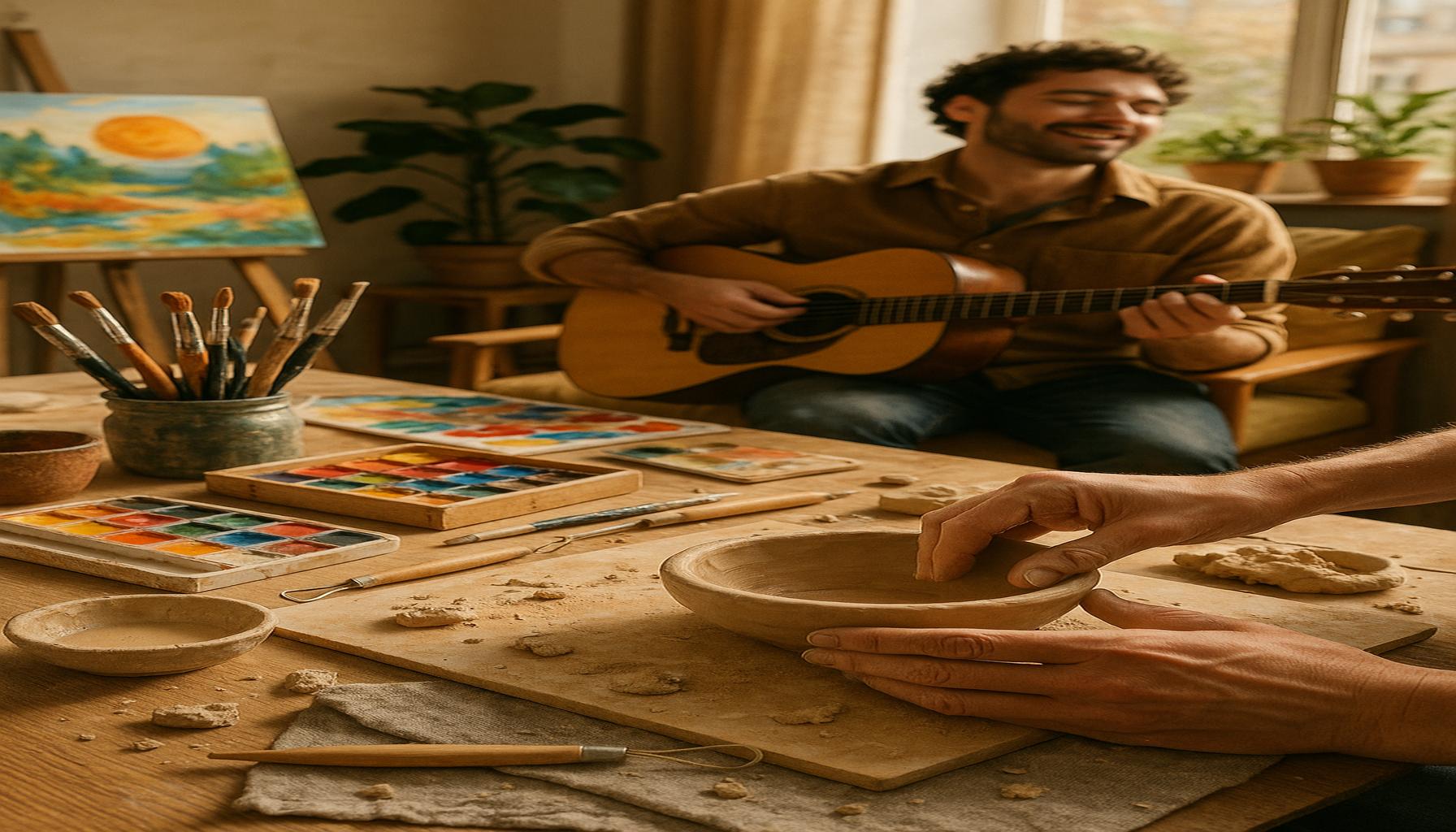
Artistic activities encourage individuals to articulate feelings that may be hard to express verbally. For many, creative expression becomes a non-verbal language where colors, shapes, and sounds replace traditional words. Engaging in these creative hobbies fosters a sense of community and belonging, bridging the gap between individual experiences and collective understanding. The benefits of such engagement are numerous and profound, including:
- Stress Reduction: Activities like painting, sculpting, or even adult coloring can significantly diminish stress levels by promoting mindfulness and allowing the mind to focus on the task at hand.
- Enhanced Emotional Insight: Exploring personal themes through creativity helps individuals gain a deeper understanding of their emotions, as they reflect on their artwork and the emotions it evokes.
- Improved Mood: Artistic engagement can release dopamine, a neurotransmitter that boosts happiness and fosters hopeful states of mind. This chemical response reinforces the positive effects of creative practice on mental health.
Examples of Healing Through Art
Across the United States, countless individuals have turned to various forms of art to cope with trauma or emotional distress. Consider the following examples:
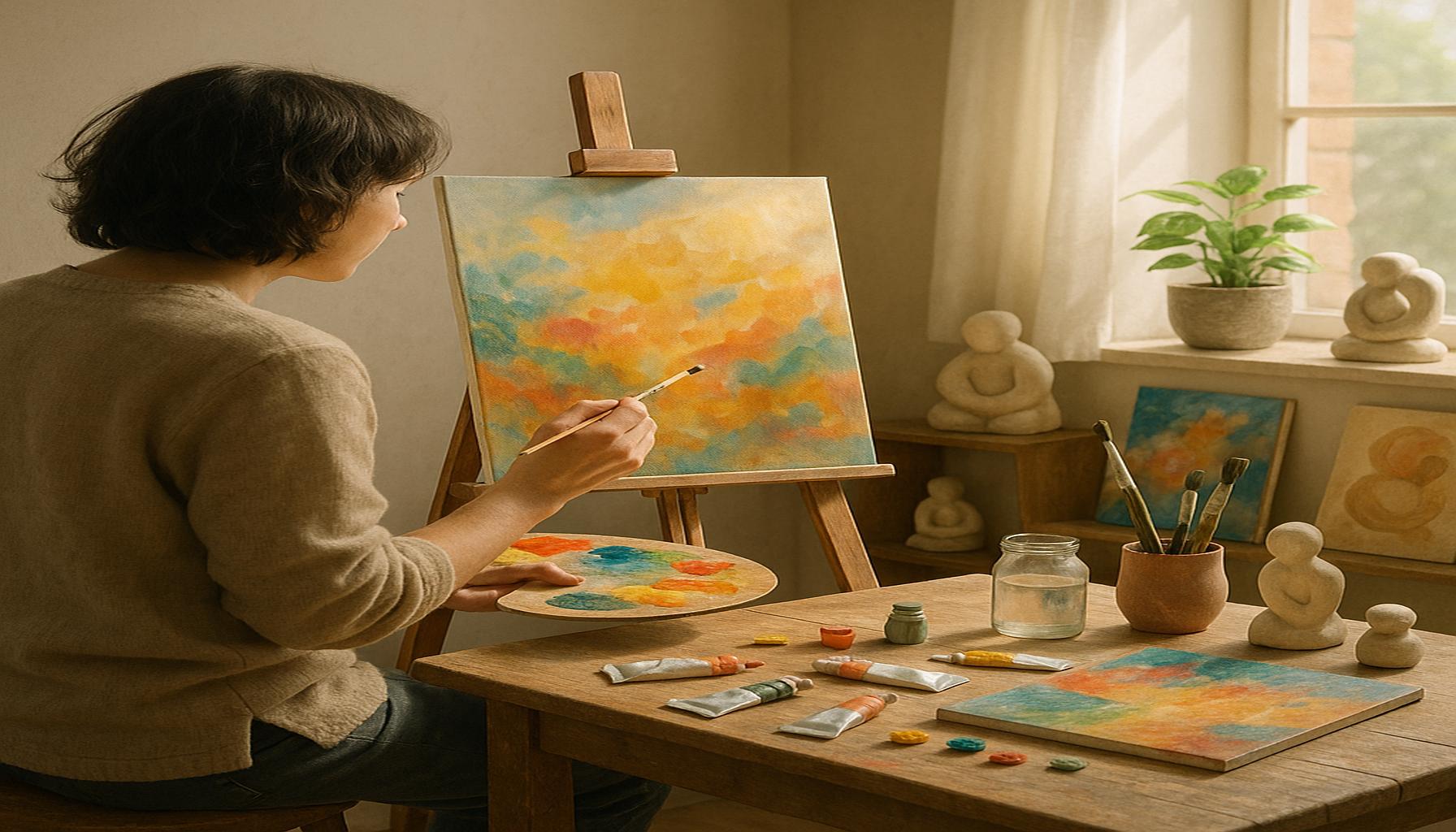
- Painting: From expressive abstract works to serene landscapes, painting allows for exploration of color and form as an expression of feelings. It can serve as a cathartic release for those processing grief or anxiety.
- Writing: Journaling or engaging in creative writing helps articulate emotions and experiences. Many people find that writing poetry or prose enables them to grapple with complex emotional landscapes in a safe and introspective manner.
- Music: Playing an instrument or composing can be a deeply therapeutic experience. Music not only transports listeners but also serves as a expressive outlet, allowing creators to channel emotions through melody and rhythm.
As we delve deeper into the world of art therapy, we uncover how these creative outlets not only help individuals heal but also inspire resilience and optimism. Participants often report that through their artistic journeys, they regain a sense of control over their lives and emotions, which can be particularly empowering in times of upheaval.
From community art programs in urban settings to private studios promoting healing through creativity, the opportunities to engage with art are endless. Join us on this enlightening journey of emotional recovery through artistic expression, and discover how creativity can transform pain into healing and despair into hope.
DIVE DEEPER: Click here to discover the soothing effects of music
Therapeutic Benefits of Artistic Pursuits
Engaging in creative hobbies offers more than just a pastime; it serves as a profound method of healing emotional wounds. Scientific studies have highlighted the impact of creative expression on mental health, showcasing a growing interest in art therapy as an alternative or complementary approach to traditional therapy. Through activities that allow individuals to express their thoughts and feelings, the healing process can flourish, providing numerous emotional and psychological benefits.
Connecting Inner Feelings with External Expression
Artistic engagement helps individuals connect their inner emotions with tangible forms of expression. For instance, authorselling methods have been put in practice, specifically designating time and space to paint, draw, or engage in writing, making a conscious effort to confront feelings and work through challenges. Participants find themselves less inhibited, as they transform raw emotions into creative expressions—whether it be through vibrant colors on a canvas or carefully crafted metaphors in a poem. This process helps bridge the gap between the internal world of feelings and external communication, leading to:
- A Sense of Accomplishment: Completing a piece of art can instill a feeling of achievement, reinforcing positive self-esteem and confidence.
- Mindfulness and Presence: Many creative activities require focus and concentration, allowing individuals to immerse themselves in the present moment, thereby distracting from anxiety-ridden thoughts and worries.
- Conflict Resolution: Expressive arts can provide a safe space for confronting difficult emotions and experiences, facilitating understanding and helping individuals navigate through conflict.
Community and Connection Through Creativity
Artistic pursuits not only serve the individual but also foster community connections. Group art therapy sessions or workshops foster a shared experience where participants can express themselves without fear of judgment, paving the way for solidarity and empathy. Community-based art initiatives, such as murals or art festivals, encourage collaboration and dialogue among diverse individuals, creating a sense of belonging that can be profoundly healing. These shared experiences can translate to:
- Collective Healing: Working together on community art projects can help tackle societal and individual emotional wounds, promoting healing on a larger scale.
- Supportive Networks: Participants often form bonds within workshops or classes, engaging in mutual encouragement and understanding, which is vital in emotional recovery.
- Increased Awareness: As individuals share their stories through art, they contribute to broader conversations about mental health, transforming personal struggles into collective narratives that inspire change.
As we explore the vast landscape of art therapy, the narrative becomes one of empowerment through creativity. By tapping into the healing potential of artistic expression, individuals can better align with their emotional truths, fostering resilience and hope. In recognizing the therapeutic power of creative hobbies, more people may embark on their own journeys of healing and self-discovery, ultimately transforming the way we view mental health.
Understanding the Therapeutic Power of Creative Hobbies
In the realm of mental health, the connection between artistic expression and emotional healing is profound. Creative hobbies such as painting, drawing, or crafting provide individuals with a medium to express feelings that might be too difficult to verbalize. Engaging in these activities can foster a sense of control and personal agency, which is often diminished in times of emotional distress.
Moreover, the act of creating art can be a meditative experience. As individuals immerse themselves in the rhythm of their creative process, they often find relief from anxiety and stress. Studies suggest that art therapy can significantly reduce symptoms of depression and anxiety, making it a valuable tool for anyone dealing with emotional wounds.
Furthermore, participating in group art sessions can foster social connections and reduce feelings of isolation. Shared creative experiences have the potential to build community support, leading to a stronger sense of belonging and acceptance. This social aspect is particularly beneficial for those recovering from trauma, as it encourages open dialogue and the sharing of experiences in a safe environment.
One of the fascinating aspects of art as therapy is its accessibility. Regardless of skill level, anyone can pick up a brush or knead some clay, making it an inclusive method for healing. The focus is not on creating a masterpiece, but rather on the healing journey through expression.
In conclusion, exploring therapy through art opens up new pathways for emotional healing, providing individuals with essential tools to cope with their struggles. As communities increasingly recognize these benefits, the integration of creative hobbies into therapeutic practices continues to grow, encouraging many to embark on their healing journeys through creativity.
| Category | Advantages |
|---|---|
| Emotional Expression | Allows individuals to convey feelings they can’t articulate verbally. |
| Stress Relief | Engaging in art can lower anxiety levels, creating a calming effect. |
| Social Connection | Participating in group art activities fosters a supportive community. |
| Accessibility | Art can be created by anyone, regardless of skill level. |
EXPLORE MORE: Click here to discover the therapeutic benefits of gardening
Art Forms and Their Unique Healing Qualities
Different forms of artistic expression provide unique avenues for healing emotional wounds, each tapping into various aspects of the human experience. Understanding the distinct benefits offered by each form can help individuals choose the one that resonates most with their needs.
Visual Arts: Painting, Drawing, and Sculpture
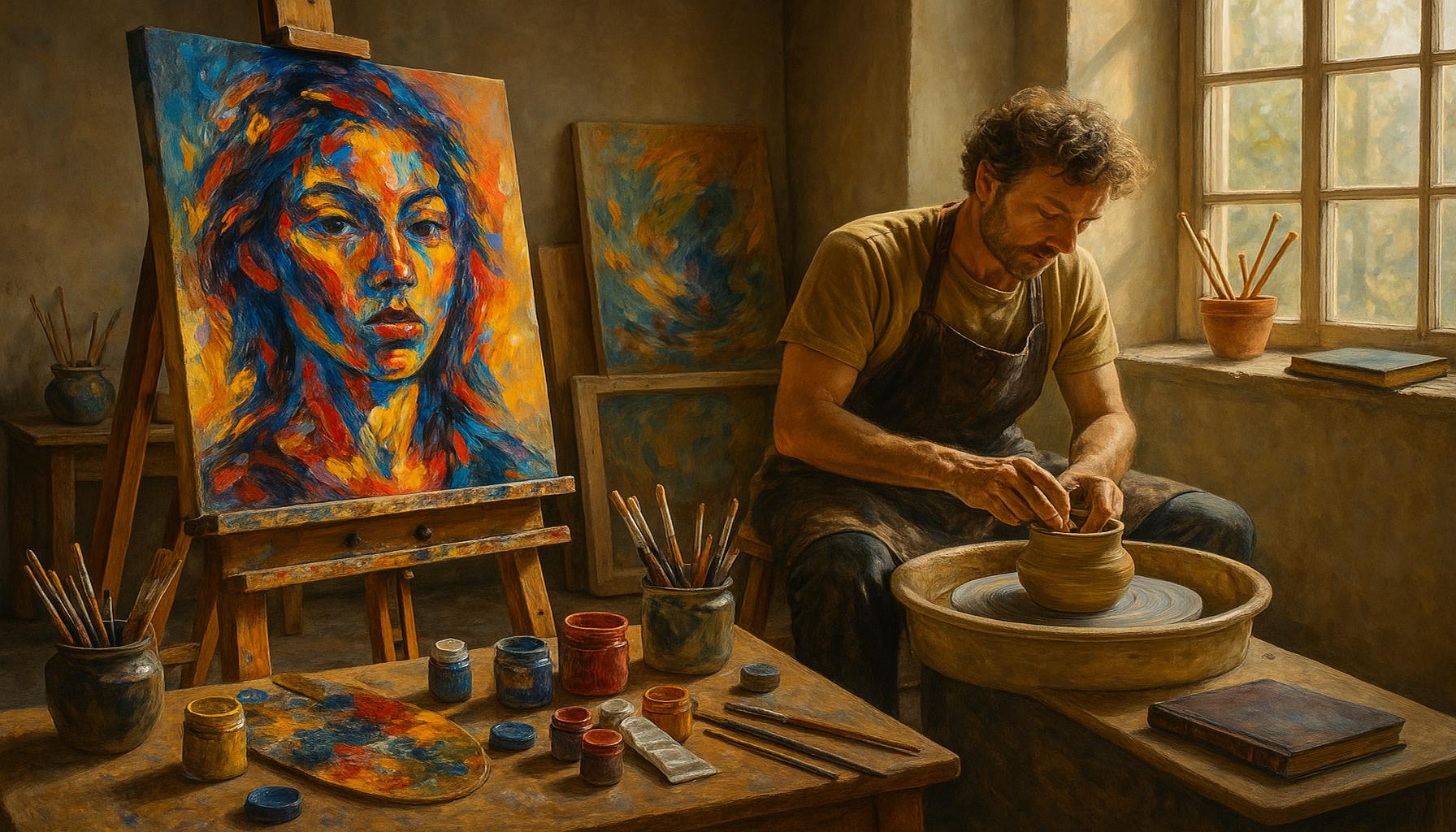
Visual arts offer a direct way to bring feelings to life. Painting and drawing allow for spontaneous expression, where color and form serve as a language of their own. Research indicates that engaging with visual arts can stimulate areas of the brain associated with emotion regulation, making it particularly beneficial for those coping with anxiety, depression, or trauma. A case study noted that individuals diagnosed with PTSD experienced significant reductions in symptoms after participating in regular art classes, illustrating how powerful these activities can be in confronting suppressed emotions. The tactile experience of sculpting, whether with clay or other materials, provides a physicality to emotions, allowing creators to mold their feelings into a form they can understand and reflect upon.
Performing Arts: Theatre, Dance, and Music
Performing arts extend the boundaries of expression beyond visual representation. Activities like dancing can be especially liberating, enabling individuals to express emotions through movement when words may fail. Dance therapy has gained traction as a powerful tool for healing, with studies showing that engaging in expressive dance can lead to decreased symptoms of depression and increased body awareness. Theatre similarly offers individuals a chance to embody different perspectives. By acting out a character’s experiences, participants may gain insight into their own emotional journeys. Meanwhile, music—through playing instruments or singing—can evoke and process a wide spectrum of emotions, serving as both a release and a therapeutic outlet. Numerous clinical trials support music therapy’s effectiveness in managing mood disorders and promoting emotional well-being.
Writing and Storytelling: The Power of Words
Writing serves as a profound form of therapy as well. Practices like journaling or creative writing provide individuals with a private space to uncover and articulate their innermost feelings. Research has shown that expressive writing can lead to reduced stress and enhanced overall mental health. Notably, programs that encourage writing personal narratives or poetry have been linked to alleviating trauma symptoms and improving emotional clarity. Storytelling, whether through spoken word or literary means, can help individuals find meaning in their experiences, fostering resilience and a sense of agency in their healing journey. These narrative forms allow participants to reframe their experiences, creating a pathway to healing through the structure of their stories.
Choosing a creative outlet that resonates with one’s inner landscape can be a significant catalyst for emotional healing. As individuals explore the vast capabilities of various art forms, they may uncover not only personal truths but also a deeper connection to themselves and others, enriching their journey toward emotional wellness. With each stroke, note, or sentence, the act of creation transforms pain into beauty, illustrating the undying potential of art as a means of healing.
DON’T MISS: Click here to discover the benefits of music and dance
Conclusion: The Transformative Power of Art in Healing
In conclusion, exploring therapy through art offers a multifaceted approach to healing emotional wounds that encompasses various forms of creative expression. Each art form—be it visual, performing, or literary—provides unique tools for individuals to navigate their emotional landscapes, allowing them to confront, process, and eventually heal from their struggles. The profound impact of engaging in creative hobbies is supported by a significant body of research, including studies that show reductions in symptoms of anxiety, depression, and PTSD among those who participate in art-related activities.
As we consider the psychological benefits of art therapy, it is essential to recognize that self-exploration through creativity fosters a deeper understanding of oneself and one’s experiences. This journey not only leads to personal insights but also enhances connections with others who may share similar emotional paths. Artistic endeavors cultivate a safe space where feelings can be expressed without judgment, creating opportunities for reflection and resilience.
Furthermore, as society increasingly embraces the notion that mental health is as crucial as physical well-being, creative expression emerges as a vital complement to traditional therapeutic methods. Whether through the soothing strokes of a brush, the rhythmic movements of dance, or the cathartic release of written words, individuals are encouraged to make time for creative exploration as a valuable aspect of their self-care routines.
Ultimately, the profound statement remains: art is not just a vehicle for aesthetic pleasure but a powerful ally in the journey toward emotional healing. By encouraging individuals to engage with their artistic instincts, we empower them to transform pain into beauty, affirming the timeless truth that healing often resides in the act of creation.