Exploring the Role of Music and Dance in Developing Coordination and Cognitive Skills
The Impact of Music and Dance on Development
Music and dance occupy a unique space in human experience, transcending cultural boundaries and acting as universal languages. Beyond their entertainment value, these art forms are integral to various developmental functions, particularly in enhancing coordination and cognitive skills. The interplay between rhythm, movement, and learning reveals a fascinating relationship that deeply influences individuals from early childhood through adulthood.
Numerous studies support the idea that engaging in music and dance leads to significant improvements in several cognitive and physical domains. For example, participation in dance not only boosts motor skills by fostering precise movements and balance but also sparks creativity and self-expression. Dancers learn to synchronize their bodies with rhythm, which fine-tunes their overall physical capabilities. The importance of rhythmic coordination is evident in genres ranging from ballet to hip-hop, each requiring distinct skill sets that promote agility and control.
Moreover, the connection between music and memory retention is profound. Research indicates that music enhances cognitive functions, making information easier to memorize and recall. This phenomenon is often utilized in educational settings, where songs aid in language acquisition and mathematical concepts. Students in music programs consistently demonstrate higher scores on standardized tests, reinforcing the association between musical training and improved academic performance.
- Motor skills — Coordinated movements through dance can fine-tune physical capabilities.
- Memory retention — Music often aids in better memorization and recall of information.
- Spatial awareness — Dancing requires understanding spaces, which enhances overall awareness.
Incorporating music and dance into daily routines can lead to profound benefits, especially for children. Children engaged in dance classes show:
- Greater academic achievement in subjects like math and reading
- Improved focus and attention, essential for both classroom and home settings
- Enhanced social skills through collaborative performances, fostering teamwork
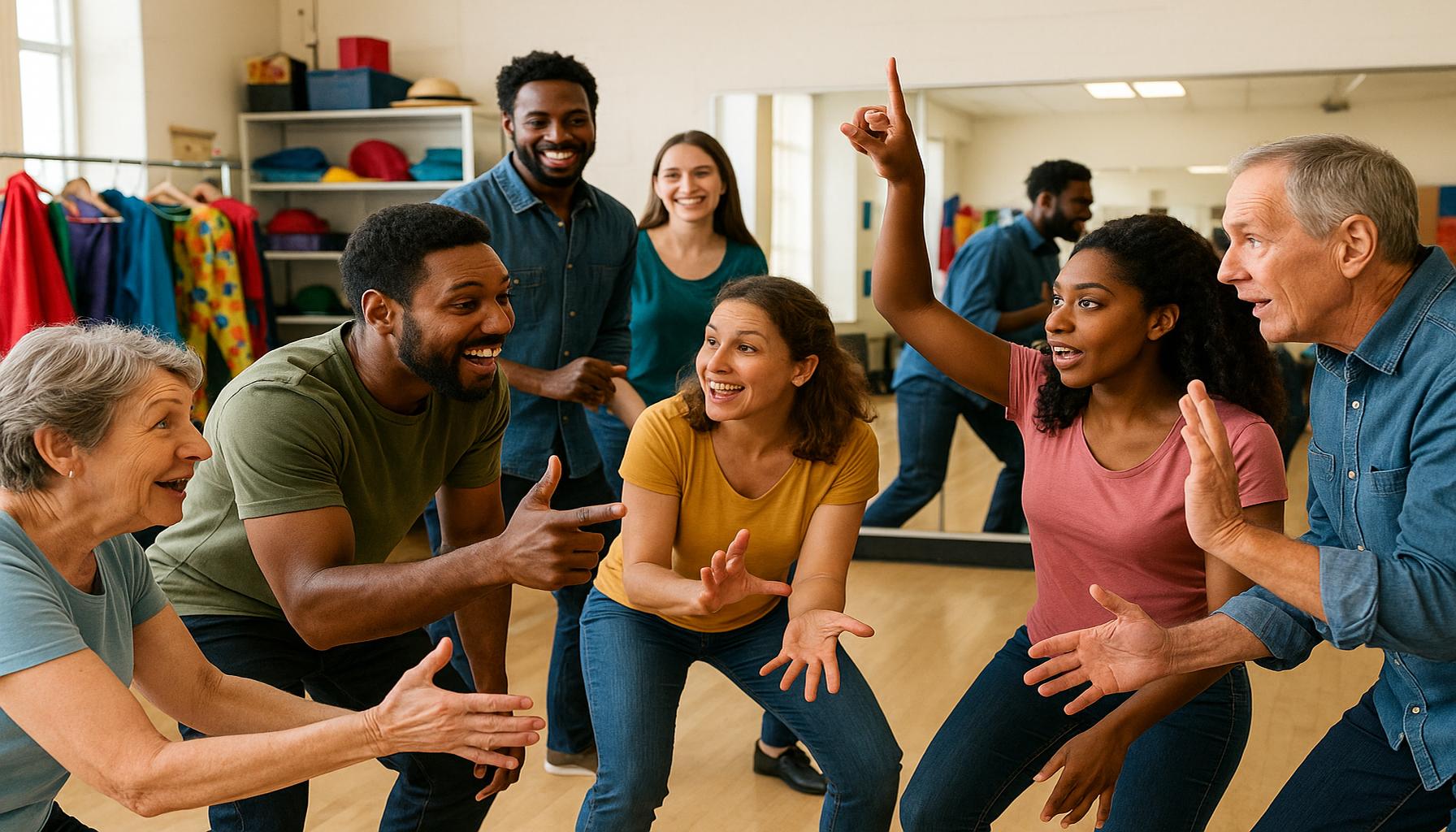
Additionally, these activities foster a sense of community and shared experience. Group dance classes or music ensembles encourage cooperation and interpersonal connections, vital components of social development. Furthermore, participation in such activities can lead to lifelong friendships and support networks.
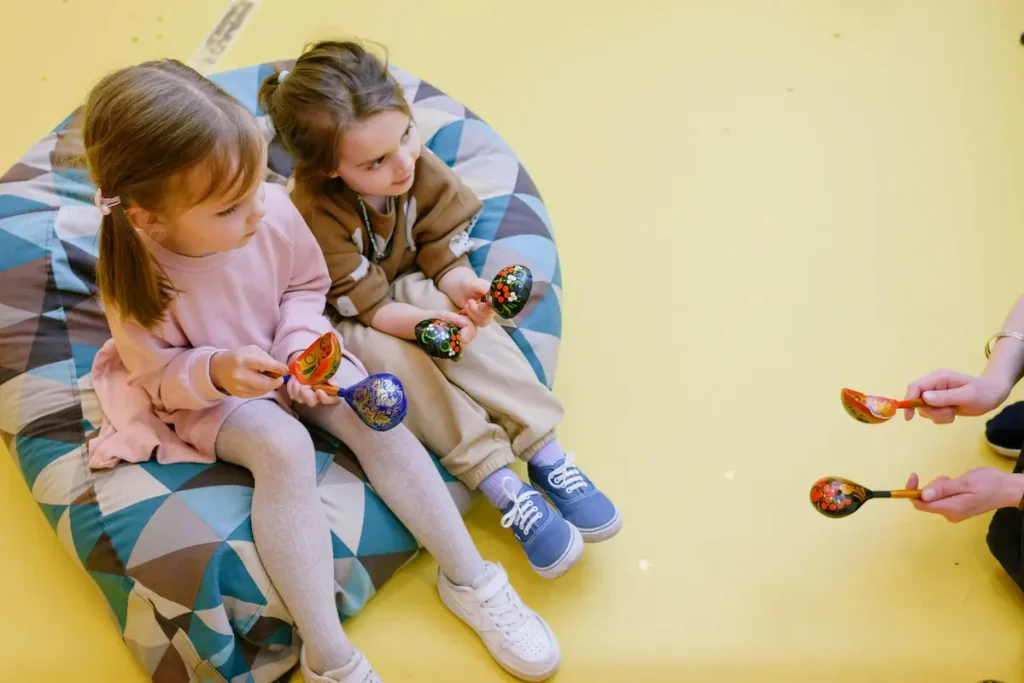
As we continue this exploration of the relationship between rhythm and skill development, it is important to consider how various musical and dance styles uniquely influence individuals across different age groups. From childhood to senior years, the arts can enhance our lives in myriad ways, ultimately shaping who we are as individuals and as a community.
DISCOVER MORE: Click here to find out how online platforms enhance creativity
How Music Enhances Coordination and Cognitive Function
The impact of music on human cognition and motor skills is both significant and profound. As individuals engage with musical rhythms, they not only experience moments of enjoyment but also absorb important cognitive and physical lessons. Research suggests that listening to music, as well as participating actively in musical activities, can lead to enhanced coordination and cognitive capabilities. This relationship is particularly evident in studies examining the influence of music on children’s development.
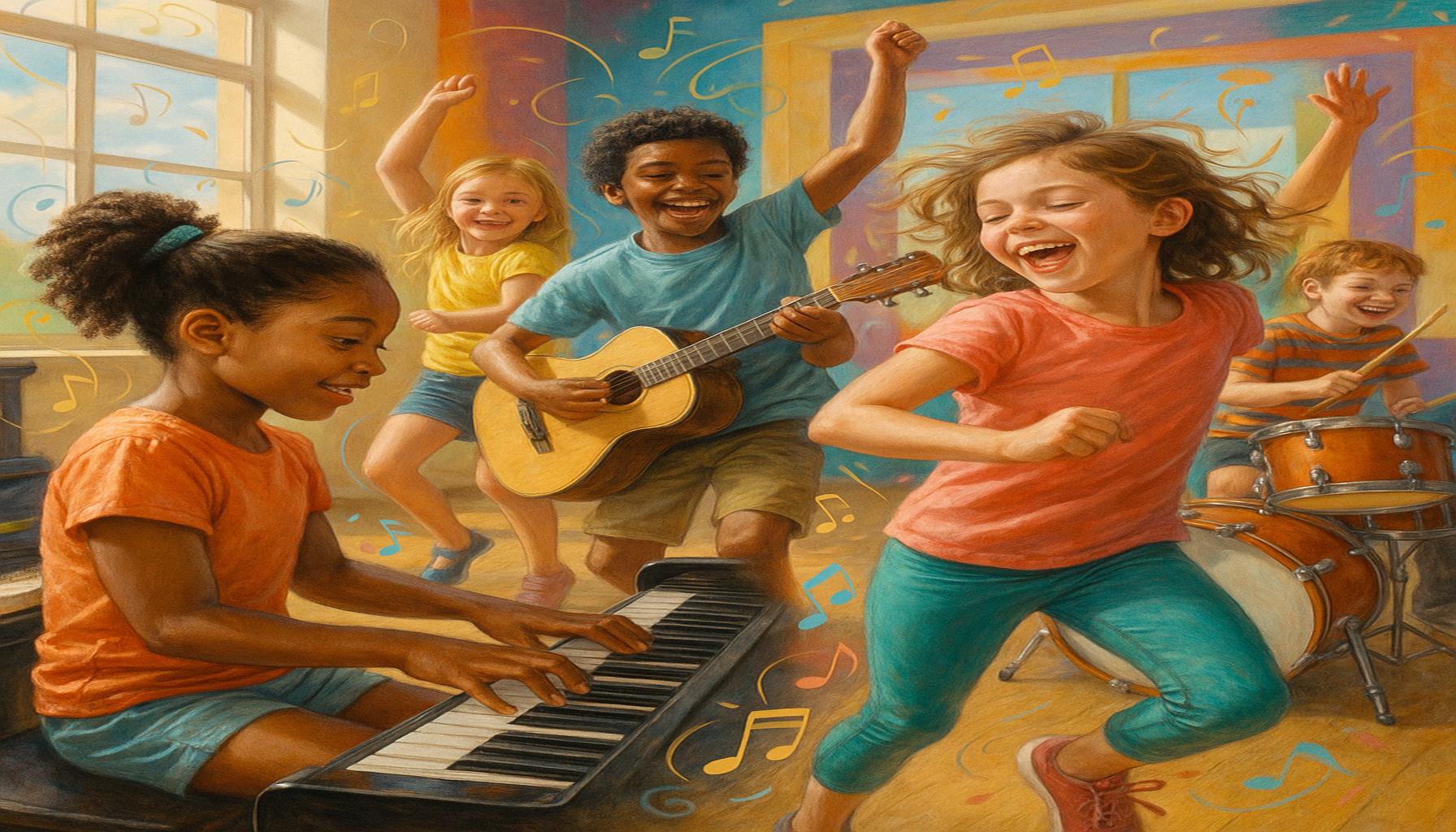
When children participate in musical activities, they are often required to respond to rhythms, which helps develop their motor coordination. Activities such as drumming or playing instruments involve precise hand movements and coordination between both hands. For instance, learning to play the piano necessitates using both hands independently while adhering to the rhythm. This type of multitasking not only refines hand-eye coordination but also stimulates brain regions responsible for movement and timing.
In addition to physical coordination, music fosters substantial cognitive skill enhancements. Engaging with musical patterns and melodies can lead to improvements in areas such as language skills, memory retention, and even mathematical reasoning. A 2019 study published in the journal “Psychology of Music” found that children exposed to regular musical training exhibited significant betterment in verbal IQ scores compared to their peers who did not engage in musical activities. This aligns with the theory of differential learning, which posits that musical practice builds neural pathways in the brain that can transfer benefits to other areas of learning.
- Rhythm Sensitivity — Children who study music often demonstrate enhanced sensitivity to rhythm, which is critical in language development.
- Enhanced Memory — The structured repetition in musical practice aids children in developing robust memorization skills.
- Problem-Solving Skills — Learning an instrument encourages creative thinking, as individuals explore various ways to interpret musical pieces.
Furthermore, the role of dance in enhancing coordination is equally critical. Dance not only involves physical skill development but also requires dancers to engage their minds as they memorize complex patterns and sequences. For instance, forms of dance like ballet demand specific movements that require a high level of body awareness and precision. As dancers learn to position their bodies in time with rhythm, they enhance their overall proprioception—an essential skill for effective coordination.
The act of dancing also encourages spatial awareness, helping individuals better understand their physical environment. Studies indicate that children who take dance lessons have an improved sense of spatial relations, enabling them to navigate their surroundings more effectively. This skill is transferable to various other life areas, such as sports, where spatial awareness can enhance performance.
In summary, both music and dance serve as powerful tools for developing vital coordination and cognitive skills. These activities engage children and adults alike, promoting physical dexterity and cognitive agility. As we delve deeper into this topic, we will explore how different styles of music and dance contribute uniquely to skill enhancement across various age groups.
As we delve deeper into the role of music and dance in developing coordination and cognitive skills, it’s crucial to understand how these artistic forms align with physical and mental growth. Engaging in music and dance provides a multifaceted approach to learning and development, resulting in significant advantages for individuals of all ages.Firstly, music, in its various forms, promotes auditory processing skills. Listening to rhythms and melodies enhances one’s ability to distinguish sounds. This can translate to improved language skills and better verbal communication. For example, children who participate in music education often exhibit stronger reading and writing skills due to their enhanced ability to recognize patterns and phonetics. Research suggests that the cognitive demands of learning music composition correlate with higher performance in mathematics as well.On the other hand, dance is a kinesthetic experience that necessitates bodily awareness and spatial orientation. By engaging in dance, individuals learn to control their movements, which fosters better coordination. Programs that integrate dance often help improve balance and agility, essential skills in both daily life and various sports. Moreover, dance involves memorization of sequences and routines, which enhances cognitive flexibility and memory retention. This is particularly beneficial for older adults seeking to maintain cognitive function, as various studies indicate that regular participation in dance can significantly lower the risk of cognitive decline.Both music and dance are also social activities. Participating in these forms of art allows for collaborative learning experiences, improving social-emotional skills. Group dances or musical ensembles require communication, teamwork, and empathy among participants, qualities essential for interpersonal relationships. The shared joy of creating music or performing dance also reinforces a sense of belonging and community, further stimulating emotional well-being.In summary, music and dance serve as powerful channels through which individuals can enhance coordination and cognitive skills. Their benefits extend beyond just physical or mental enhancement; they nurture social connections and emotional health, laying the foundation for comprehensive personal growth. The integration of these creative expressions in educational and therapeutic settings can be transformative, underscoring their importance in holistic development. By embracing the world of music and dance, individuals open themselves to a universe of opportunities that foster lifelong learning and enrichment. Exploring these dynamics not only enhances coordination and cognitive capabilities but also enriches the human experience itself.
DISCOVER MORE: Click here to learn about the healing power of dance
Dance as a Tool for Cognitive and Physical Development
The benefits of dance extend well beyond mere physical fitness; it provides a comprehensive platform for enhancing both coordination and cognitive skills. Various dance styles contribute differently to these developments, each emphasizing unique skills that enrich overall learning. For instance, traditional ballroom dancing fosters strong partnerships and social interaction, enhancing communication skills as dancers coordinate movements and respond to their partners in real-time.
Recent studies illustrate how specific dance forms can promote cognitive benefits. A study published in the “Journal of Cognitive Enhancement” in 2021 indicated that children participating in hip-hop dance classes exhibited improved executive function skills. Executive function refers to cognitive processes including working memory, flexible thinking, and self-control, all of which are essential for academic success and daily decision-making. The rhythm and improvisational aspects of hip-hop dance, in particular, require dancers to anticipate beats and transition fluidly, sharpening their mental processes alongside physical agility.
Social Dance and Cognitive Skills
Moreover, social dance styles such as salsa or swing not only enhance physical movement but also cultivate social bonds and camaraderie among participants. Engaging in these forms of dance requires dancers to navigate complex social cues while keeping in sync with their partner. Research from Stanford University has shown that learning these social dances positively impacts communication skills, as dancers non-verbally convey rhythm and intention to one another, enhancing their social-emotional skills.
- Body Awareness — Dance necessitates developing a keen awareness of one’s own body movements, which is fundamental for coordination. This awareness translates into better posture and control in daily life.
- Creative Expression — Dance encourages self-expression, enabling individuals to convey emotions through movement, which can lead to better emotional regulation and overall mental health.
- Teamwork — Participating in group dance forms promotes cooperative skills, teaching individuals to work harmoniously with peers towards a common goal.
Integrating Music and Dance in Education
The integration of music and dance into educational settings has gained traction as a means of enhancing learning outcomes. Programs that combine these art forms can activate both sides of the brain, leading to a more holistic learning experience. For example, schools incorporating music and dance into their curriculum report increased student engagement and improved academic performance across various subjects. One such initiative, “Dancing Classrooms,” has been recognized for helping at-risk youth enhance their self-esteem and academic skills through dance, showcasing the transformative power of rhythmic movement.
Overall, the synergy between music and dance in developing coordination and cognitive skills is undeniable. As educational institutions recognize these benefits, there is a growing push to incorporate these activities into standard curricula. With evidence mounting on the profound effects of these practices, educators and caregivers alike are encouraged to explore diverse styles of music and dance as tools for fostering cognitive and physical growth in children and individuals of all ages.
DIVE DEEPER: Click here to discover more
Conclusion: The Harmonious Impact of Music and Dance
In conclusion, the exploration of music and dance as vital components in developing coordination and cognitive skills reveals their transformative potential across all age groups. The therapeutic nature of dance paired with rhythmic movements and musicality significantly enhances not only physical abilities but also mental agility. Our analysis has shown how various dance styles contribute uniquely to social interaction, emotional expression, and cognitive clarity, enabling individuals to acquire essential life skills.
Moreover, the effectiveness of integrating dance and music into educational environments cannot be overstated. Programs that adopt these art forms demonstrate tangible improvements in academic engagement and social cohesion. As noted in initiatives like “Dancing Classrooms”, participants experience not only personal growth but also a solid foundation in teamwork and communication skills, which are critical in both academic and professional landscapes.
As we embrace these findings, it is imperative for educators, parents, and community leaders to champion the inclusion of music and dance in everyday learning. By doing so, we embark on a journey toward nurturing a generation equipped with not only the prowess to perform artistically but also the cognitive resilience necessary for navigating life’s challenges. As research continues to reveal the extensive benefits, the time has come to celebrate the unifying and enriching role that movement and melody take in shaping our minds and bodies.