Exploring the Impact of Social Media on Artistic Expression and Interaction
The Transformation of Artistic Expression through Social Media
In an age where digital interactions are prevalent, social media is not merely a tool for communication – it is a transformative platform that has radically changed how artists share their work and engage with audiences. As platforms like Instagram, TikTok, and Facebook have experienced explosive growth, so too have unique opportunities for artists to represent themselves and their creations.
Wider Reach
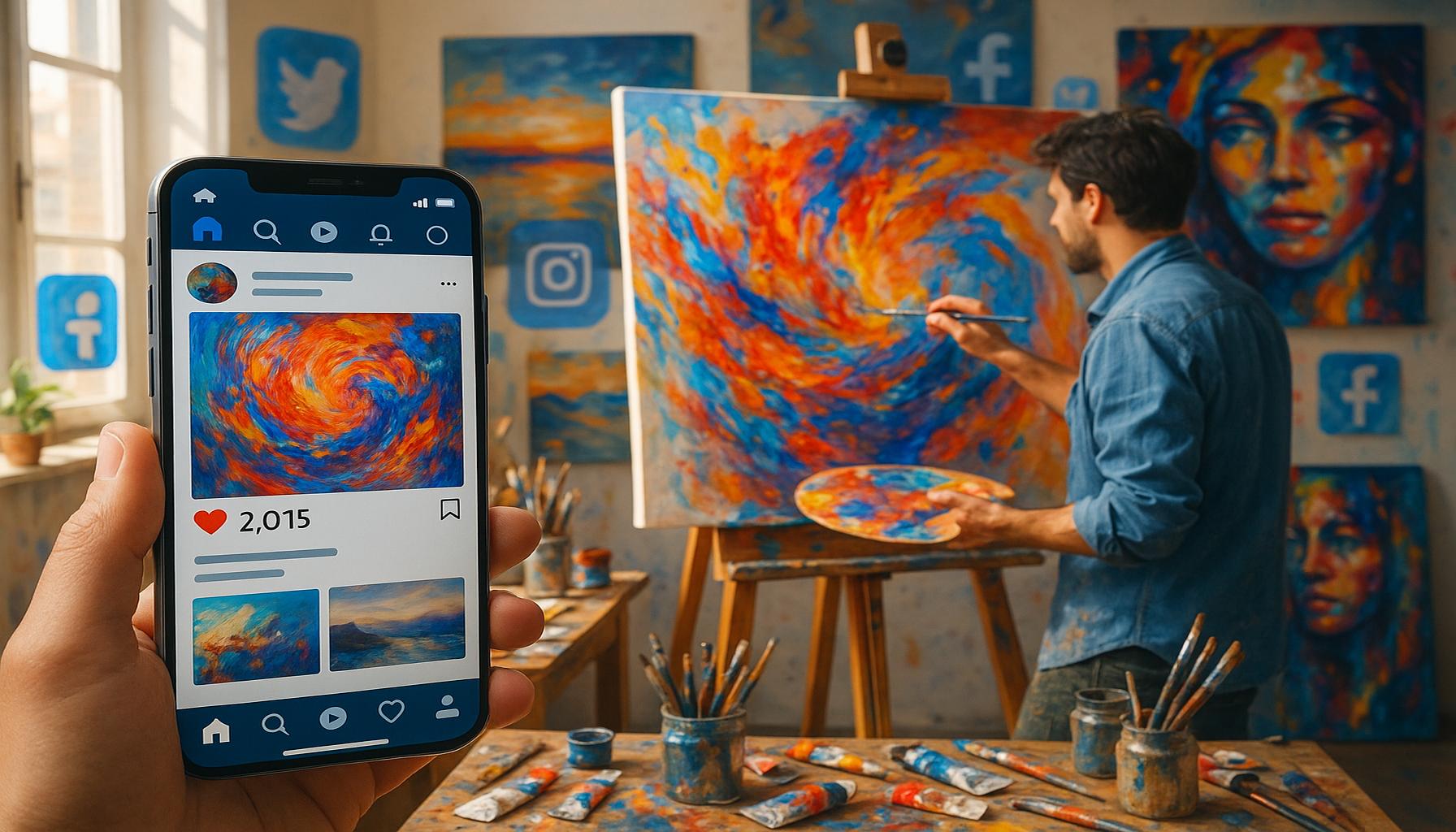
One of the most significant benefits of social media is its ability to connect artists with a global audience in an instant. No longer confined to local galleries or art shows, artists have unprecedented access to share their masterpieces with millions. For instance, platforms like Instagram allow visual artists to showcase their work with stunning imagery and engage users through comments or direct messages. As a result, artists such as @nasa_blur have leveraged their personal styles, gaining followers from across the globe and promoting their art without the traditional gatekeeping of the art world.
Diverse Mediums
Social media platforms support a variety of artistic formats, encouraging artists to experiment with different mediums. Photography, videos, and live streaming are just a few examples. TikTok, for instance, has become popular for short art tutorials and speed painting videos, showing the creative process in a relatable format that resonates with viewers. Such diversity fosters not only artistic exploration but also appeals to a wider demographic, including younger audiences who may not be familiar with conventional art forms.
Real-time Feedback
Feedback plays a crucial role in the artistic process, and social media provides a mechanism for immediate audience reactions. Artists can receive comments, likes, and shares within moments of posting their work, enabling them to gauge public interest and adjust their creations accordingly. For instance, an artist may post a series of sketches on Instagram and, based on the response, decide to develop a particular piece into a full painting. This interactivity enhances the connection between the artist and their audience, making the creative process a shared experience.
The Spirit of Collaboration
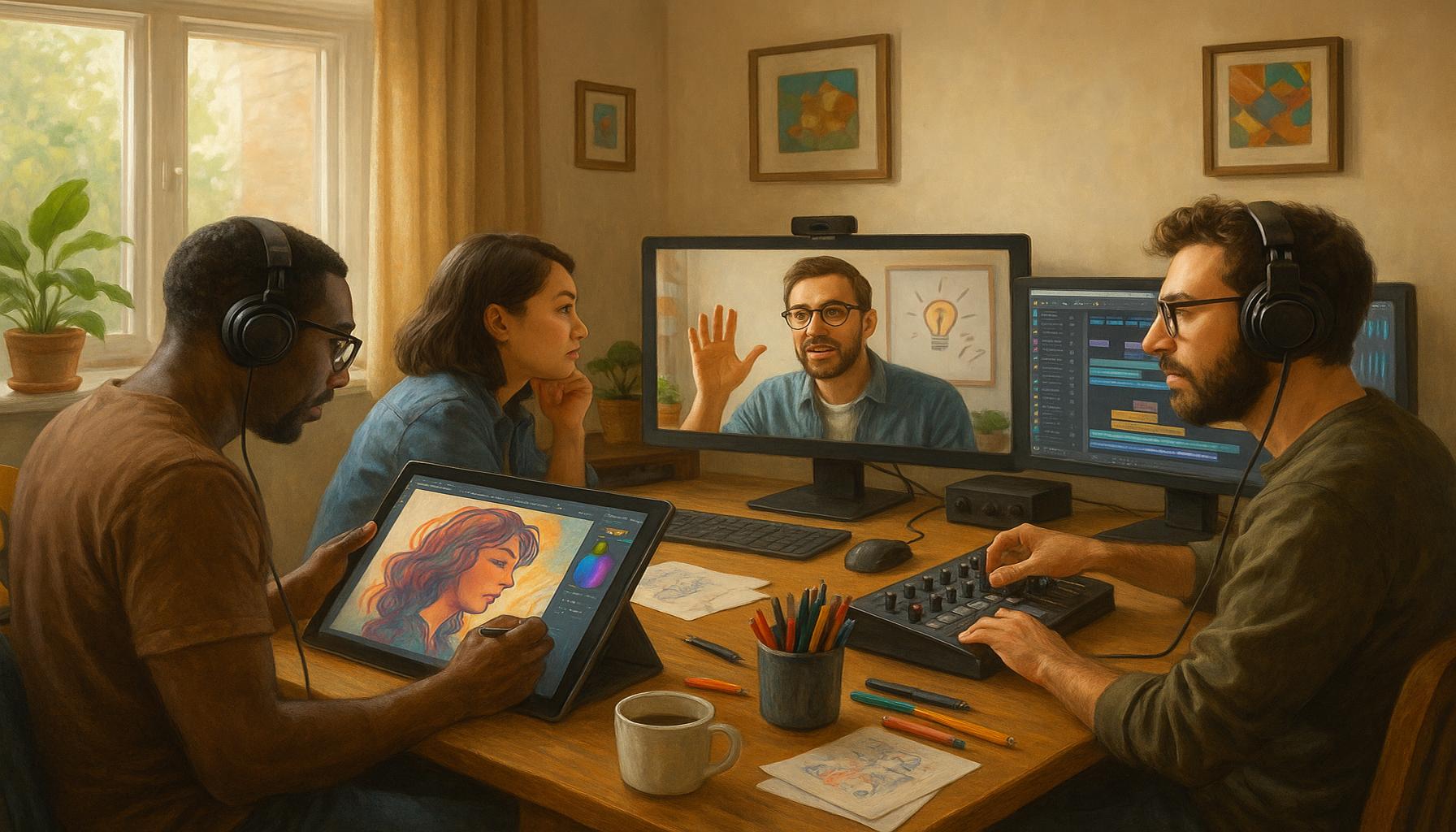
Social media also nurtures collaboration among artists and creators across various disciplines. Musicians, visual artists, and writers often engage in joint projects, leading to innovative outcomes that blend different art forms. For example, a visual artist might incorporate a musician’s work into their video art, creating a multi-sensory experience that enriches viewer engagement. This collaborative spirit not only fosters creativity but also enriches the overall experience for audiences, as they are exposed to a diverse array of artistic expressions.
Challenges in the Digital Landscape
However, the influx of content on social media presents its own challenges. The issue of copyright infringement is a significant concern, as images and artwork can be easily shared and modified without proper credit. Moreover, the sheer volume of content can lead to overcrowding, making it difficult for new artists to gain visibility. This oversaturation, combined with the pressure to conform to trending formats, may stifle individual creativity. Artists must remain adaptable, honing their skills to engage effectively while navigating these limitations.
In conclusion, the interplay between social media and the art world represents a dynamic shift in how art is created, shared, and perceived. As more artists harness social media to build their brands and connect with audiences, they redefine artistry for a new generation. This digital age not only serves as a canvas but also as a gallery, shaping the future of artistic expression in ways previously unimaginable.
DIVE DEEPER: Click here to discover the psychological benefits
Redefining Connectivity in the Art World
The rise of social media has transformed traditional paradigms of connectivity, particularly within the artistic community. Artists previously dependent on brick-and-mortar exhibitions and physical galleries now enjoy the freedom to share their visual narratives with an expansive audience online. As a result, platforms like Instagram and Pinterest have evolved into vibrant ecosystems where creativity flourishes and artists can cultivate a unique personal brand.
Building Personal Brands
Today, establishing a recognizable personal brand has become a crucial aspect of an artist’s journey in a digitally-driven landscape. By consistently posting their work and sharing behind-the-scenes content, artists can foster a sense of authenticity and relatability. While some artists prefer to curate a polished portfolio, others embrace a raw and candid approach that captures the realities of their creative process.
Artists amass followers by utilizing strategies such as:
- Quality Content: Posting high-resolution images or videos that showcase their work.
- Engagement: Interacting with followers through comments and direct messages to build a community.
- Consistency: Maintaining a regular posting schedule that keeps audiences engaged and eager for new content.
- Hashtags: Utilizing trending and relevant hashtags to increase visibility in searches and recommendations.
As artists navigate this evolving landscape, they can draw inspiration from successful influencers across various creative fields. Collaborations or shoutouts can amplify their visibility, creating pathways to new audiences who might appreciate their distinct styles.
The Role of Trends
Social media also comes with the added complexity of trends that can significantly impact artistic expression. Viral challenges, popular themes, and trending hashtags can dictate what content gains traction and how artists position their work within the community. For instance, artists who create pieces aligning with popular movements—be it sustainability, social justice, or mental health awareness—often find their messages resonate more widely, leveraging their talents to foster dialogue and provoke thought.
This sacrificial relationship between creativity and social influence underscores the importance of timing and relevance. While tapping into trending topics can elevate an artist’s visibility, it raises questions about authentic expression versus opportunistic creation. Artists must navigate this tension as they balance trends with their unique voices.
Emphasizing Community Engagement
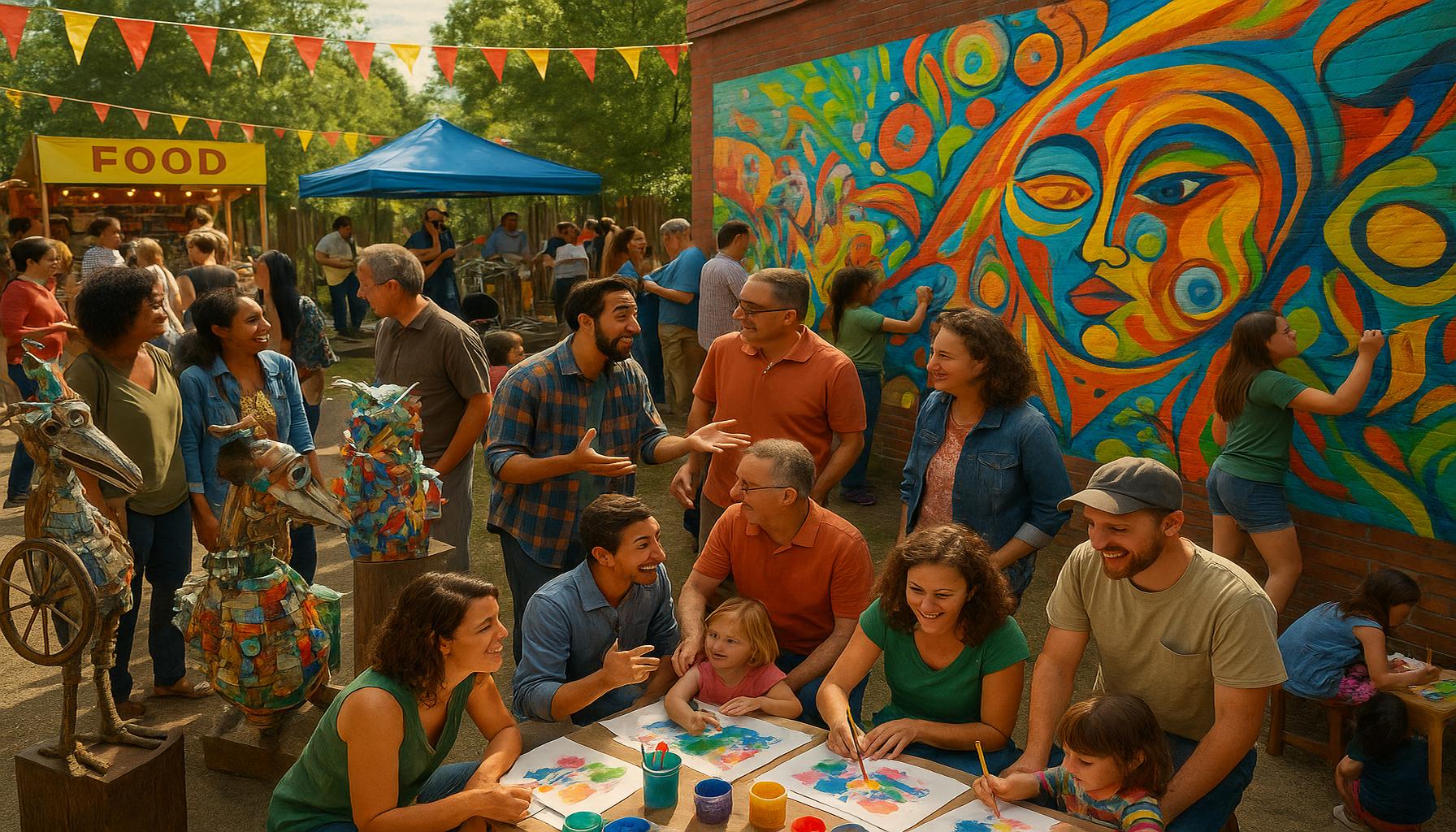
The power of social media lies in its ability to foster community engagement among artists and audiences alike. By sharing their work, artists create new opportunities for connection and conversation, often leading to collaborations, mentorships, and even friendships that transcend geographical boundaries. Live streaming platforms enable artists to showcase their work in real time, connect with viewers, and offer insights into their processes, further blurring the lines between the creator and the consumer.
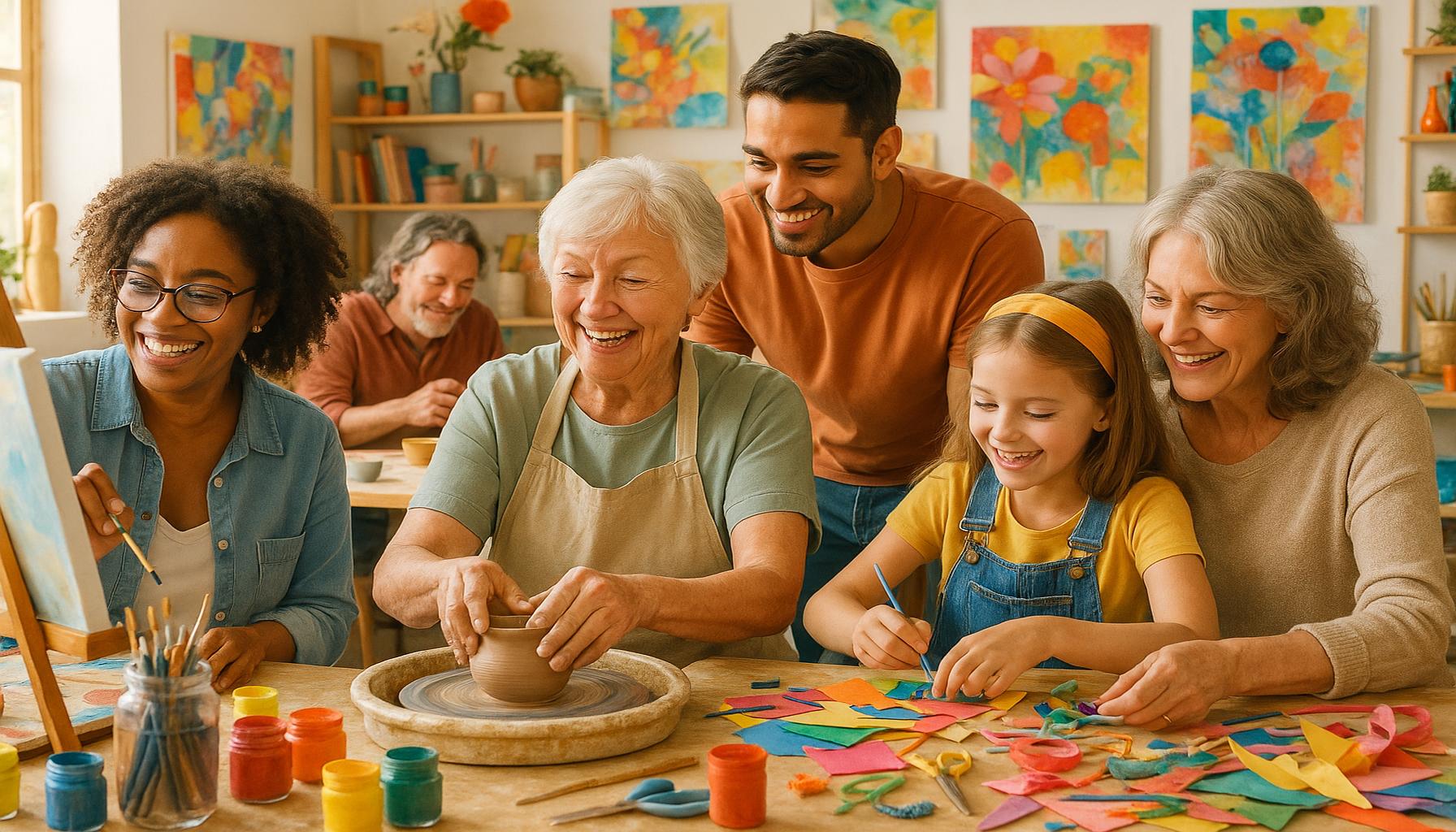
This sense of community cultivates a supportive environment where artists can seek advice, share resources, and even find motivation during creative blocks. Learning from peers and engaging with followers can lead to fruitful exchanges that enhance the overall artistic experience, proving that social media can be a source of inspiration as well as a platform for self-promotion.
In summary, the impact of social media on artistic expression is profound, providing artists with an avenue to share their work, build personal brands, and engage with a global audience. As the lines separating creator and audience continue to blur, the conversation around artistry, community, and cultural exchange thrives in this newfound digital ecosystem.
Exploring the Impact of Social Media on Artistic Expression and Interaction
As we delve deeper into the realm of social media and its intersection with artistic expression, it becomes crucial to understand the myriad ways in which these platforms have transformed the creative landscape. Artists, irrespective of their medium, now possess unprecedented access to audiences that reach far beyond their local communities. This digital revolution has not only expanded the reach of individual artists but has also paved the way for collective movements and social dialogues unseen in previous generations.
Social media platforms serve as modern art galleries, allowing artists to showcase their work without the traditional barriers imposed by galleries or exhibitions. For instance, platforms like Instagram and Pinterest have become a canvas for visual artists, photographers, and designers, enabling them to present their portfolios to a global audience instantly. This democratization of art means that emerging artists can gain visibility, connect with peers, and receive immediate feedback from viewers around the world.
Moreover, the interactive nature of social media promotes engagement between artists and their audiences. This interactivity can lead to a dynamic relationship where feedback influences an artist’s work, and audience involvement can shape artistic narratives. Observing how followers respond to different pieces can inform an artist’s future creations and impact the trajectory of their career. As a result, the line between creator and consumer blurs, with audiences actively participating in the artistic process.
| Category | Key Features |
|---|---|
| Increased Visibility | Artists can showcase their works globally without barriers. |
| Interactive Engagement | The audience can provide immediate feedback, influencing future works. |
This fusion of social media and artistic interaction not only enhances the visibility of individual artists but fosters a rich community that can advocate for social change. By sharing their stories, artists can engage in important conversations about societal issues, encouraging their followers to respond and participate in broader community discussions. In today’s fast-paced digital world, the impact of social media on art cannot be underestimated; it has fundamentally altered how art is created, shared, and appreciated.
DIVE DEEPER: Click here to learn about the psychological benefits of creative hobbies
Challenges and Critiques of Social Media in Art
While the benefits of social media in promoting artistic expression and engagement are significant, it is essential to recognize the challenges and critiques that accompany this digital shift. The accessibility of social media has led to an oversaturation of content, making it increasingly difficult for artists to stand out amidst the noise. As a multitude of voices clamors for attention, artists may experience the pressure to conform to popular styles or trends, compromising their individual creativity in pursuit of visibility.
The Paradox of Instant Gratification
Social media platforms often fuel a culture of instant gratification, encouraging artists to prioritize quick, eye-catching posts over more profound, enduring work. The quest for likes, shares, and followers can lead creators to focus on the immediate reactions of their audience rather than nurturing their artistic voice and vision. This shift can reduce the emphasis on critical thought and craft, positioning artworks as mere commodities instead of valuable cultural expressions.
Moreover, the metrics of success (likes, comments, shares) can become toxic, creating anxiety and self-doubt among artists. According to a study by The National Endowment for the Arts, many emerging artists have reported feeling pressured to produce content that conforms to social media algorithms, which can ultimately stifle their creative potential.
Copyright Concerns and Originality
Copyright and originality remain pressing issues as artists navigate the digital landscape. The ease with which content can be shared and re-shared raises questions about intellectual property rights and appropriateness in artistic ownership. Many artists report instances of their work being used without permission or proper credit, leading to feelings of frustration and exploitation. The lines between inspiration and plagiarism blur in an environment where imitation often breeds visibility.
Furthermore, the rapid dissemination of art through social media may result in trends that are short-lived. Artists may find themselves creating work that mimics what is popular, leading to a proliferation of similar styles that might overshadow unique artistic voices. As artists seek acknowledgment for their originality, maintaining a distinct creative identity becomes increasingly challenging in an oversaturated market.
The Role of Algorithms
Social media algorithms play a significant role in determining what content gains traction, often favoring content that generates quick engagement over more thoughtful, innovative work. This favoritism means that artists who align with algorithmic preferences may achieve higher visibility, while others whose work does not fit neatly within these parameters can go unnoticed. Consequently, there is an ongoing debate surrounding the impact of algorithms on creative expression and the potential homogenization of art as a result.
Critics argue that this reliance on algorithm-driven visibility can marginalize diverse voices and perspectives, as artists from underrepresented groups struggle to gain traction in a system that often prioritizes popularity over substance. The implications of algorithmic biases raise questions about cultural representation and the future of artistic interaction.
Exploring these complexities is essential in understanding the broader impacts of social media on artistic expression. As artists adapt to this ever-evolving landscape, engaging critically with these challenges will shape the future of artistry in a digitally interconnected world, ensuring that creativity continues to thrive amidst the trials of social influence.
DISCOVER MORE: Click here to learn about the psychological benefits of creative hobbies
Conclusion: Navigating the Digital Art Renaissance
As we navigate the complex terrain of social media, it becomes evident that its impact on artistic expression and interaction is both profound and multifaceted. Social media platforms have democratized access to art, allowing diverse voices to share their creations with a global audience. However, this accessibility comes with challenges that can stifle creativity and raise ethical questions. The pressure to gain instant approval can detract from the deeper artistic journey, compelling creators to prioritize quantity over quality.
Amidst this backdrop, artists must grapple with issues of originality and copyright, as the fluidity of sharing content blurs the lines between inspiration and imitation. The reliance on algorithms that favor certain types of content not only influences visibility but also risks marginalizing important voices in the art community, particularly those from underrepresented backgrounds. This dynamic underscores the necessity for critical awareness of the systems at play within the digital landscape.
Ultimately, the challenge lies in embracing the opportunities social media presents while remaining true to one’s artistic vision. Artists are called to navigate the paradox of engagement versus authenticity, harnessing the power of social media to promote their unique narratives while resisting the urge to conform to fleeting trends. By engaging thoughtfully with these platforms and advocating for a more inclusive and innovative artistic environment, creators can shape a future where art continues to flourish in all its diverse forms. The journey ahead is one of resilience and reinvention, inviting artists and audiences alike to explore and celebrate the unbounded potential of creativity in the digital age.