Dance as a Universal Language: Exploring Artistic Expression Through Movement
The Role of Dance in Human Connection
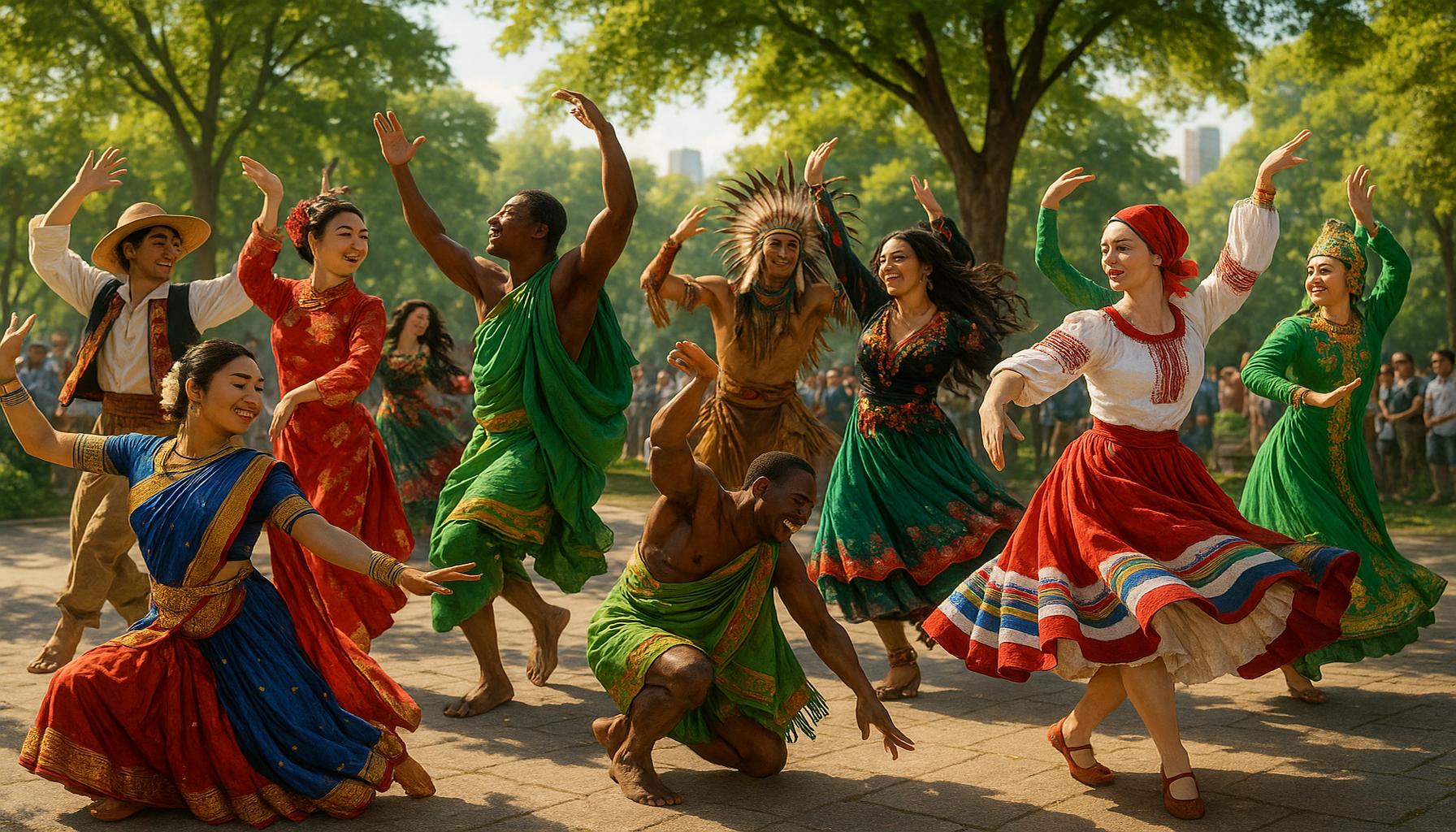
Across cultures and continents, the power of dance transcends barriers, becoming a form of expression that unites people. This vibrant art form serves as a means of communication, conveying emotions and stories without the need for words. Whether it’s the rhythm of a traditional folk dance or the passion of contemporary styles, dance can express what is often difficult to articulate.
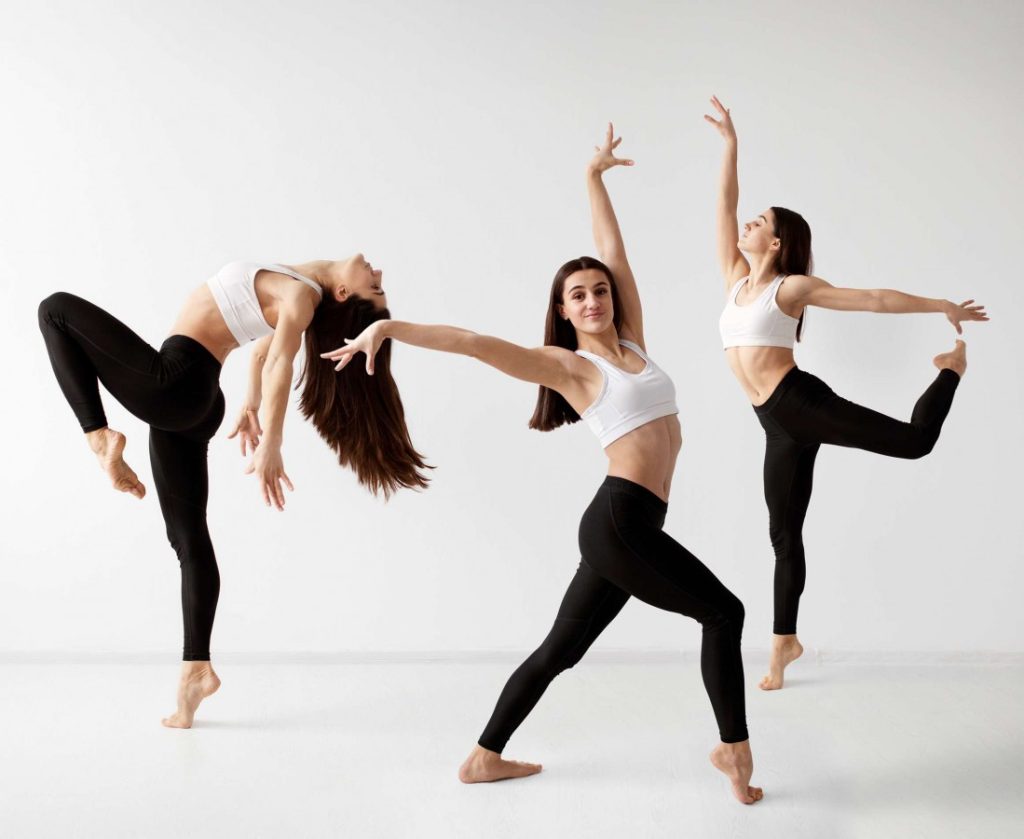
One of the most remarkable aspects of dance is its capacity to convey emotion. Each movement can encapsulate feelings such as joy, sorrow, love, or anger. For instance, the iconic New York City ballet performance can convey love through graceful pas de deux, while hip-hop battles portray resilience and defiance, allowing dancers to express their personal narratives. This emotional language becomes a medium through which complex feelings can manifest, often speaking louder than words.
Cultural significance is another key characteristic of dance. Various dances serve as vital expressions of cultural heritage, showcasing the traditions and identities of different communities. In the United States, Native American powwows feature traditional dances that honor spiritual beliefs and ancestral stories, while the lively jigs and reels of Irish dance celebrate a rich history of migration and cultural fusion. Each dance tells a story, a testament to the community from which it originates, preserving the past while inspiring the future.
Furthermore, dance fosters a sense of connection among individuals. Communities often come together through dance, strengthening social bonds. In urban environments, dance gatherings may occur in parks, community centers, or even in the streets, where groups unite to share their movements and passions. The rise of community programs focusing on social dancing, such as salsa or swing nights, illustrates how dance acts as a bridge, connecting individuals of different ages and backgrounds into a cohesive social fabric.
Another appealing aspect of dance is its inherent accessibility. Dance is a universal language that invites participation, enabling individuals from varying backgrounds to express themselves creatively. Classes and workshops abound across the nation, from ballet to breakdancing, promoting inclusivity and encouraging individuals to explore their movements. This accessibility fosters a collective learning environment where people come together, not only to learn techniques but also to share experiences and build friendships.
From the bustling streets of New York to the vibrant squares of Paris, people have embraced this art form, using it to narrate their history. Dance has the unique ability to evoke shared human experiences while providing avenues for individual expression. It is often said that dance is a reflection of life itself; it invites us to experience joy, grief, and celebration through motion.
As we delve deeper into this exploration, we will uncover the ways dance fosters connections and the profound impact it has on personal and collective identities. From cultural celebrations to transformative personal journeys, the role of dance in our society remains as significant as ever, inviting each of us to join in this timeless and universal form of expression.
DIVE DEEPER: Click here to discover the impact of group workshops
The Emotional Spectrum of Dance
Dance operates on a dual plane: as an art form and as an emotional conduit. It enables the expression of deep and nuanced feelings, making it one of the most compelling forms of non-verbal communication. Through various movements, dancers are able to share their innermost thoughts and experiences, often breaking down the barriers established by linguistic differences. This emotional depth is particularly evident in styles such as ballet, contemporary, and even street dance, where movements can mimic the highs and lows of human experience.
Take, for instance, the powerful performance art that is seen in modern dance companies across the United States. These performances often tackle complex issues such as identity, loss, and social justice. When audiences witness a dancer spin gracefully through the air, they are not just observing physical movement; they are engaging with the artist’s narrative, feeling their struggles and triumphs. The emotional resonance of dance allows for a shared experience that words alone may fail to convey. This capacity to evoke empathy creates a profound connection between the performer and the audience.
The Cultural Tapestry of Dance
As a reflection of cultural identity, dance encapsulates the traditions, histories, and values of diverse communities. From the syncopated rhythms of African American dance styles to the intricate movements of Indian classical dance, each form narrates a story deeply embedded in cultural context. Here are some notable pieces of evidence that illustrate the cultural richness of dance:
- Flamenco: Originating from the Andalusian region of Spain, flamenco combines rhythmic footwork with expressive hand movements, reflecting the blend of Romani, Moorish, and Spanish cultures.
- Hula: A traditional Hawaiian dance characterized by hip movements and gestures, hula conveys stories and histories of the Hawaiian Islands, emphasizing the connection to nature and ancestors.
- Breakdance: Emerging from the streets of the Bronx in the late 1970s, breakdancing is not just a physical dance style but also an expression of urban culture, creativity, and social commentary.
The way these dance forms unify people from varied backgrounds is a testament to their cultural significance. In a melting pot like the United States, dance often serves as a medium through which communities can express both pride and resilience. By showcasing unique movements and styles at cultural festivals or dance-offs, communities not only celebrate their heritage but also invite others to join in, fostering a sense of inclusivity and understanding.
Beyond just cultural representation, dance can also act as a powerful tool for healing and transformation. Dance therapy has gained recognition as an effective means for individuals to process trauma, grief, and mental health challenges. With the incorporation of movement as a therapeutic method, individuals can unlock emotions stored within, enabling self-expression in a way that traditional talking therapies might not achieve. This powerful aspect of dance proves that its influence extends far beyond mere performance art.
As we continue to explore how dance weaves through the fabric of social interactions and cultural identities, it becomes increasingly clear that this universal language not only communicates but also heals, connects, and inspires. Through its varied forms, dance invites us to share in the collective human experience, reflecting our shared joys and struggles, ultimately uniting us in a way that transcends words.
| Category | Description |
|---|---|
| Cultural Connection | Dance transcends borders, allowing individuals from various cultures to unite and share experiences through movement. |
| Emotional Expression | Dance serves as a powerful medium for individuals to express emotions that may be difficult to articulate, facilitating a deeper understanding of oneself and others. |
In the realm of artistic expression, dance emerges as a unique pathway that not only strengthens cultural connections but also enhances emotional understanding. With its roots embedded in diverse traditions and histories, dance invites participants and observers alike to engage with the rhythms and traditions of different societies, fostering a sense of community and shared experience. The act of moving in harmony with others can cultivate empathy and appreciation for cultural nuances, displaying how rich the tapestry of human expression can be.Moreover, the psychological benefits of dance should not be underestimated. Engaging in dance promotes not just physical fitness, but also mental well-being. Studies reveal that dance activities release endorphins, leading to improved mood and decreased anxiety. Through movement, dancers communicate their stories, feelings, and passions, creating a dynamic dialogue that resonates across generations. This form of expression connects individuals in a dance floor of shared humanity, allowing them to both learn and connect on profound levels. Through this exploration of movement, we uncover the very essence of our existence—the universal language of dance that invites all to participate, learn, and connect.
DIVE DEEPER: Click here to learn more
The Social Dynamics of Dance
Beyond its cultural significance, dance serves as a powerful social connector that spans geographical boundaries and societal divides. It fosters relationships, facilitates community engagement, and offers a platform for social commentary. In many urban centers across the United States, public dance events – such as flash mobs, outdoor dance festivals, and community salsa nights – exemplify how movement can draw together individuals from diverse backgrounds, creating a shared experience that fosters understanding and camaraderie.
These collective dance experiences are particularly evident in the context of social justice movements. For example, the Black Lives Matter movement has harnessed the power of dance as a form of protest, utilizing choreographed performances to express unity and highlight systemic injustices. Popular dance challenges, often spread through social media platforms like TikTok, have also emerged as a contemporary method for participants to share messages of solidarity while showcasing the diversity of their backgrounds. These viral movements illustrate how dance can facilitate discussion around critical societal issues and ignite collective efforts toward change.
Dance and Identity Formation
As a method of self-expression, dance also plays a crucial role in identity formation. For many, it represents a way to reconcile personal experiences with broader cultural narratives. Styles like hip-hop, jazz, and any form of ethnic dance serve not only to entertain but to contribute to a person’s sense of belonging within their community. For instance, youth involved in traditional African dance groups often find a way to connect with their heritage, fostering pride while simultaneously learning about their ancestral history and cultural significance.
The representation of diverse identities in dance cannot be overstated. Shows like “So You Think You Can Dance” and “Dancing with the Stars” have paved the way for varied dance forms to be mainstreamed, showcasing everything from ballroom to contemporary and everything in between. This exposure allows audiences to appreciate the depth of different dance styles while encouraging aspiring dancers from various backgrounds to carve out their niche. Additionally, dance schools and organizations across the U.S. are increasingly prioritizing inclusivity by adapting curriculums that celebrate all forms of dance, thus ensuring that all voices are acknowledged and represented.
Dance as an Educational Tool
The educational potential of dance is another area worthy of exploration. Numerous schools across the United States have integrated dance into their curriculums, recognizing that movement can enhance learning, boost creativity, and improve cognitive functions. Programs like the “Dancing Classrooms” initiative focus on teaching vital social skills through dance, helping students build confidence, teamwork, and respect for diverse cultures. Such educational approaches demonstrate that dance can transcend traditional learning methods, offering an engaging medium through which young people can develop essential life skills.
In conclusion, the multifaceted nature of dance as a universal language continually evolves, adapting to the needs and realities of society. It plays a pivotal role in the cultivation of cultural identity, community synergy, and the progressive discourse on social issues, making it an essential element of artistic expression through movement. As we further investigate the dynamic interplay between dance and society, we uncover the profound ways in which this art form enriches our collective human experience, offering both a voice and a canvas for creativity that resonates far beyond the confines of conventional language.
DIVE DEEPER: Click here to discover the transformative power of movement
Conclusion: Embracing Dance as Our Universal Tongue
In summary, dance stands as a testament to the incredible power of human expression and connection. As a universal language, it bridges cultural divides and enables individuals to communicate emotions and stories without the need for words. The role of dance in fostering community, shaping identity, and igniting social discourse is profound, reinforcing its vital position in our society.
Through the vibrancy of movement, we find a shared humanity that encourages collaboration and empathy. Events ranging from community festivals to digital dance challenges underscore how dance can unite people from all walks of life in celebration and protest alike. This artistic form not only provides a canvas for personal expression but also illuminates broader societal issues that call for awareness and action.
Importantly, dance’s contributions extend into the educational realm, proving its effectiveness as a tool for personal and social development. Integrating dance into educational frameworks equips students with critical skills while promoting respect and understanding of diverse cultures. As a result, dance transcends mere entertainment, evolving into a means of shaping future generations.
As we continue to explore this dynamic art form, it is essential to embrace the way it functions as both a mirror and a catalyst for cultural dialogue. In doing so, we not only celebrate the rich traditions of various dance styles but also encourage an ongoing conversation about identity, inclusivity, and creativity. Ultimately, dance is more than just movement; it is a powerful expression of our collective experience that deserves our attention, participation, and appreciation.