Creative Hobbies as Stress Reduction Tools: Finding Inner Peace through Artistic Expression
The Therapeutic Power of Art
In today’s fast-paced world, characterized by relentless schedules and overwhelming commitments, stress can feel like an ever-present shadow. Finding effective ways to manage this stress is not only crucial but can lead to transformative changes in one’s mental, emotional, and physical well-being. One increasingly popular method for coping with stress is engaging in creative hobbies, which have emerged as valuable stress reduction tools that offer a myriad of benefits.
Across the United States, individuals are embracing various forms of artistic expression to promote relaxation and mental clarity. Popular avenues of creativity include:
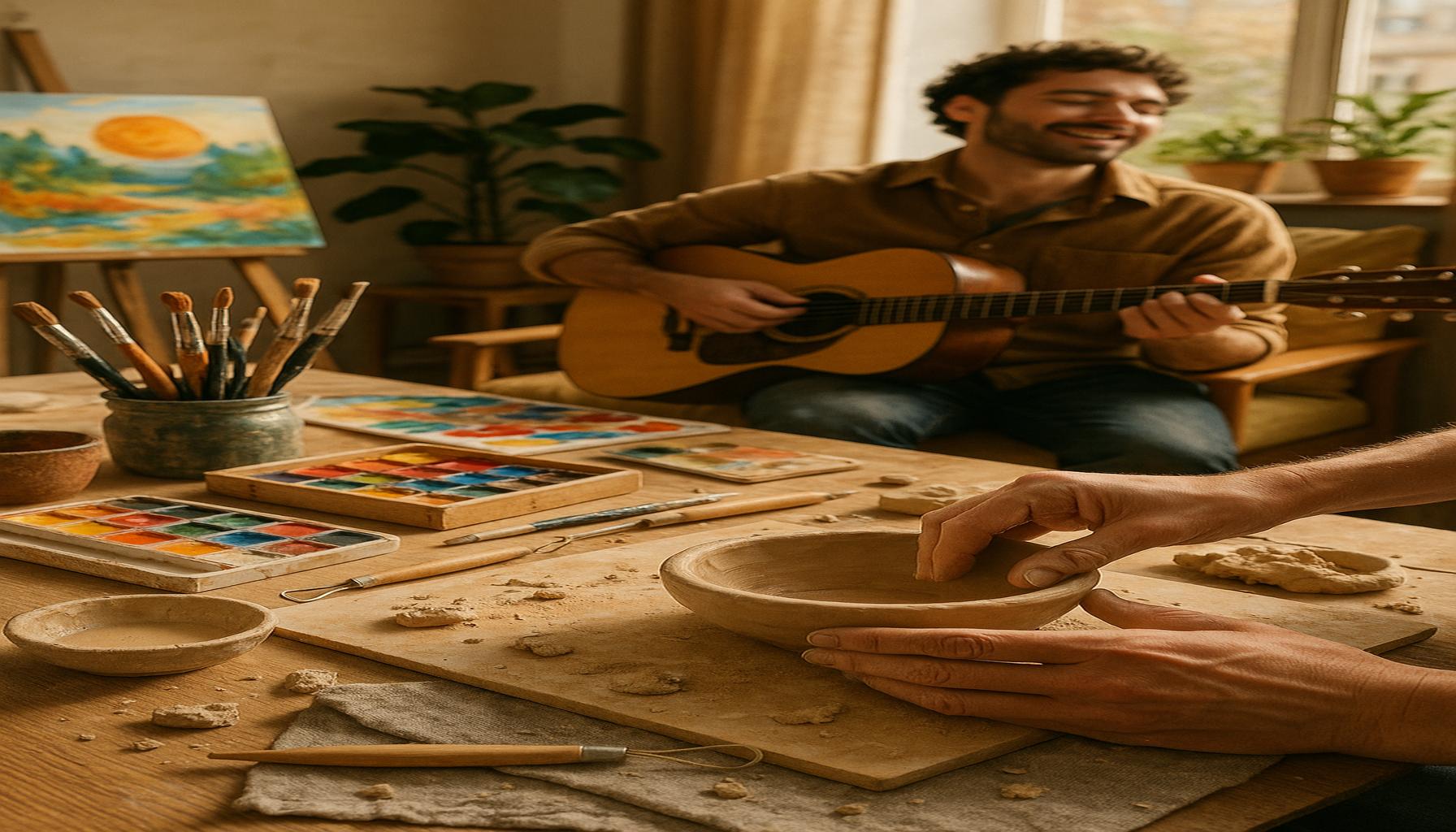
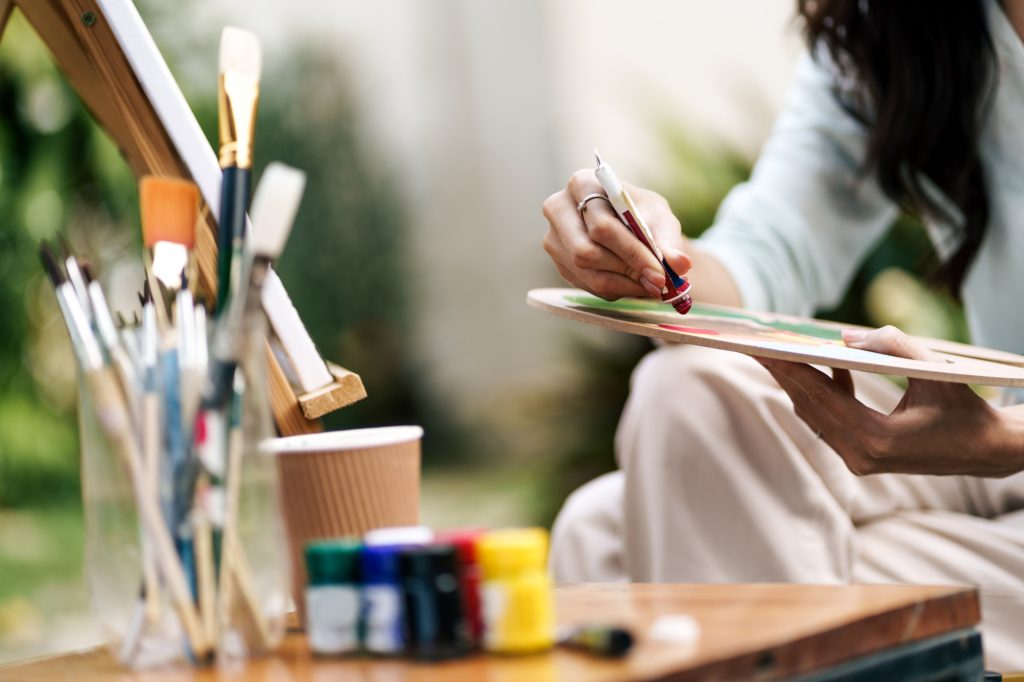
- Painting – Many people find solace in painting, whether it is through creating landscapes, abstract works, or portraits. The act of choosing colors and applying paint can evoke strong emotions, providing an effective outlet to channel energy and frustration into something visually pleasing.
- Writing – Journaling offers a safe haven for thoughts, allowing individuals to articulate feelings and experiences. Storytelling, both imaginative and autobiographical, fosters connection, not only with oneself but also with others when shared.
- Music – Playing instruments or singing can be incredibly cathartic. Music has a unique ability to influence mood and is often described as a language of emotions. Whether strumming a guitar at home or participating in a community choir, music engages and soothes the heart and mind.
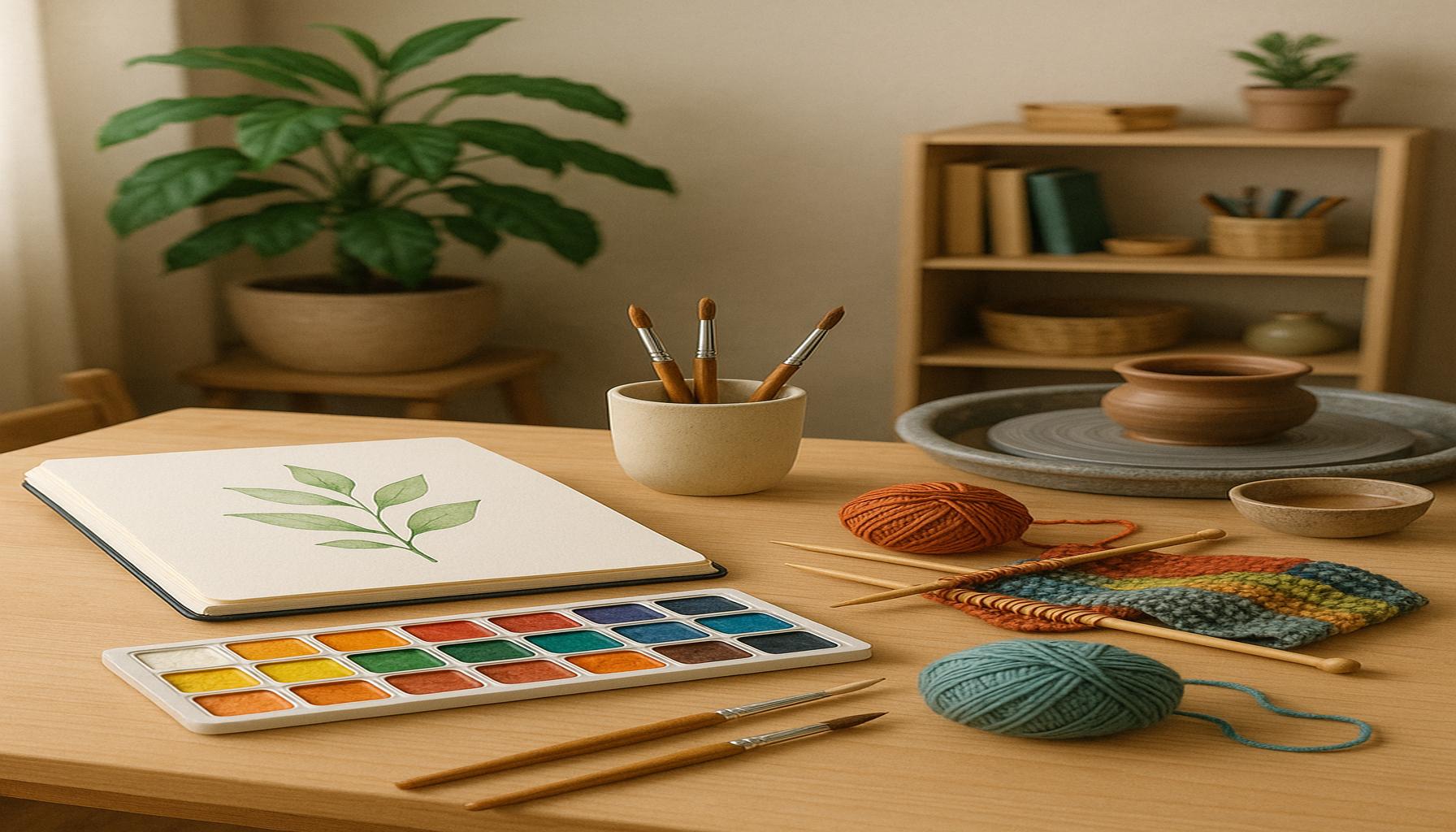
- Crafts – From knitting and crocheting to scrapbooking and pottery, hands-on activities enable a connection between the mind and body. Engaging in crafts can help ground individuals in the present moment, providing an escape from worries and chaos.
These creative pursuits significantly enhance personal expression while promoting a sense of inner peace. Numerous studies indicate that immersing oneself in a hobby can yield remarkable mental health benefits, such as:
- Improved focus – Focusing on an artistic task can act as a form of mindfulness, allowing individuals to let go of anxious thoughts and concerns momentarily.
- Enhanced mood – Engaging in creative activities can invoke feelings of happiness and accomplishment. Completing a painting or finishing a craft project fosters a sense of pride and achievement.
- Better emotional health – Creative outlets offer a sanctuary to process complex feelings, nurturing emotional resilience and aiding in the navigation of life’s challenges.
As we explore the profound impact of creative hobbies further, it becomes evident that integrating these practices into daily life can lead to a harmonious balance, enriching personal well-being. The journey of artistic exploration is not only about creating but about understanding oneself better and discovering pathways to serenity. Whether you join a local art class, start a blog, or simply pick up a guitar from the closet, the potential for growth and peace is limitless. Start this journey today, and uncover how creativity can serve as both a refuge and a source of inspiration in your life.
DISCOVER MORE: Click here to learn about the power of therapeutic photography</a
Unlocking the Benefits of Creative Hobbies
Engaging in creative hobbies offers a promising way to alleviate stress and rediscover inner peace amidst life’s hectic demands. This healing practice is not just about tapping into artistic skills; it’s about cultivating a richer emotional landscape that embraces personal expression and authenticity. In recent years, various research studies have highlighted how artistic engagement impacts mental health, bolstering resilience, and encouraging a calmer state of mind.
According to a study published by the American Journal of Public Health, individuals who partake in creative activities regularly report lower levels of anxiety and depression. The correlation between creativity and mental well-being becomes clearer when we consider that many art forms require deep concentration, effectively acting as a form of meditation. This mindfulness-like focus on a task enables participants to clear their minds and experience present-moment awareness, providing a much-needed escape from the stressors of daily life.
Moreover, the benefits of creative hobbies extend beyond the individual, fostering a sense of community and connection. Many artistic pursuits, like community art classes or writers’ workshops, encourage collaboration and foster relationships, which can mitigate feelings of isolation. As individuals share their creative experiences, they cultivate a supportive network that enhances emotional health. The social interaction intrinsic to these hobbies nourishes relationships and provides comfort in shared experiences.
Key Benefits of Engaging in Creative Hobbies
Through exploring various artistic endeavors, participants can reap a multitude of physical and psychological benefits:
- Stress relief – Engaging in a hobby allows for the release of pent-up tension and can divert attention from life’s pressures.
- Increased self-esteem – Completing a piece of art or finishing a project invigorates a sense of accomplishment, boosting confidence and self-worth.
- Enhanced creativity – Regularly partaking in creative tasks encourages innovative thinking, which can translate to better problem-solving in other areas of life.
- Emotional catharsis – Art provides an outlet for expressing feelings that might otherwise remain unvoiced, allowing for emotional release and healing.
- Mindfulness and relaxation – The focus required for creativity can promote a meditative state, leading to relaxation and decreased cortisol levels.
Understanding how these creative outlets can aid in stress reduction opens the door to making informed choices about personal engagement with art and culture. As we delve deeper into the realm of artistic hobbies, it becomes clear that these practices are more than mere pastimes; they are valuable tools for cultivating inner peace and enriching one’s life experience. Whether it is picking up a paintbrush, strumming a guitar, or planting seeds in a garden, each endeavor serves a purpose in the quest for calm amidst chaos. Discovering what resonates personally can lead to profound insights and an enduring sense of tranquility.
| Category | Description |
|---|---|
| Artistic Expression | Helps release emotional tension and promotes mindfulness. |
| Crafting Activities | Encourages focus and engagement, assisting in the reduction of anxiety levels. |
Engaging in creative hobbies can provide numerous benefits for mental health and emotional well-being. One of the most compelling advantages is the power of artistic expression. Whether it’s painting, sketching, or crafting, these activities enable individuals to channel their emotions, helping them to release pent-up stress. This form of expression fosters a state of mindfulness, allowing individuals to immerse themselves in the creative process and forget life’s distractions.Additionally, participating in crafting activities, such as knitting or pottery, allows for a deep focus that can draw attention away from anxiety-triggering thoughts. This sweet escape comes with the bonus of improving fine motor skills and boosting creativity. The act of creating something tangible often brings a sense of accomplishment and fulfillment, reinforcing its role as a powerful tool for reducing stress. Both artistic expression and crafting not only provide enjoyable outlets but are pivotal in guiding individuals toward finding their inner peace through creative exploration.
DISCOVER MORE: Click here to learn how creative hobbies enhance skills
Exploring Different Creative Outlets for Stress Reduction
The myriad of creative hobbies available today offers something for everyone, catering to diverse preferences and abilities. From traditional arts and crafts to innovative digital mediums, the abundant options present unique ways to channel emotions and spark joy, ultimately fostering a path towards inner peace. Understanding the distinct characteristics of various creative outlets helps individuals choose the activities that resonate most with their personal experiences and needs.
Visual arts such as painting, drawing, or sculpture empower individuals to express their emotions visually. Thermographic studies indicate that the act of painting can trigger neurotransmitters in the brain that enhance mood and lower levels of anxiety. Local art studios across the United States often host classes where community members can gather, paint, and participate in guided activities, effectively harnessing the therapeutic nature of this medium. Moreover, a simple activity like coloring in adult coloring books—a trend gaining momentum—allows for the same meditative focus, providing relaxation without needing advanced artistic skills.
Music serves as another powerful tool for stress reduction. Playing an instrument, singing, or simply listening to music can profoundly affect emotional states. Research published in the Journal of Positive Psychology points to the benefits of music therapy in lowering stress and promoting emotional healing. Engaging in musical hobbies, like joining a local band or choir, not only enhances personal well-being but also fosters connections with fellow enthusiasts. The camaraderie found in these groups can counteract the feelings of loneliness many individuals face.
Crafts such as knitting or crocheting are gaining recognition for their calming effects. The repetitive motions involved in these crafts create a rhythm akin to meditation, contributing to reduced stress and anxiety levels. A study by the Journal of Mental Health found that participants who engaged in knitting reported greater feelings of happiness and relaxation compared to non-crafters. Additionally, local community groups or online platforms provide knitting circles where individuals can come together, sew their worries away, and make lasting friendships.
Creative writing further exemplifies how artistic expression can aid in stress relief. Journaling, poetry, or storytelling provide outlets for emotional release and can facilitate deeper self-reflection. Evidence indicates that expressive writing is tied to significant improvements in mental health by reducing symptoms associated with anxiety and depression. Writers’ workshops, often available in local libraries and cafes, encourage participants to share their stories, fostering a sense of belonging within a supportive environment.
Moreover, exploring nature-related hobbies like gardening or photography can connect individuals with the natural world, providing essential stress relief. Research by the University of Queensland demonstrates that engaging with nature, whether through cultivation or documentation, can significantly enhance mood while reducing anxiety. Community gardens and nature photography groups emphasize the importance of shared experiences, allowing individuals to bond over a mutual appreciation for creativity and the outdoors.
Through identifying and engaging in creative hobbies that resonate personally, individuals can unlock the transformative power of artistic expression. In a society often rife with stress, these outlets not only serve as avenues for joy but also as essential tools for fostering resilience and nurturing mental health.
DIVE DEEPER: Click here to discover how art fosters environmental awareness
Conclusion: Embracing Creativity for a Calmer Life
In conclusion, engaging in creative hobbies offers a powerful pathway to stress reduction and a means to discover inner peace through artistic expression. From the transformative effects of paint on canvas to the soothing rhythms of knitting needles, the activities discussed showcase the adaptive nature of creativity as a tool for mental well-being. Participating in visual arts, music, crafts, written expression, and nature-infused hobbies not only alleviates stress but also facilitates emotional connection, fosters social bonds, and nurtures personal growth.
As individuals dive into various forms of creative expression, they cultivate a deeper awareness of their feelings and thoughts. Whether through joining a local workshop, participating in a community choir, or simply taking up a new artistic challenge at home, the keys to unlocking emotional resilience lie at our fingertips. The resurgence of community connections in creativity highlights the importance of sharing experiences and fostering relationships that combat isolation—a stark reality for many today.
Therefore, it is vital to encourage ourselves and others to explore these outlets as valid forms of self-care. By doing so, not only do we enrich our own lives, but we also contribute to a broader cultural understanding of mental health. As we continue to navigate the complexities of modern living, let us embrace artistic endeavors as a fundamental part of maintaining our well-being. After all, the journey towards achieving inner peace begins with just one stroke, note, or word at a time.