Creative Cooking: How Cooking Can Serve as an Antidote for Stress
Exploring the Therapeutic Aspects of Cooking
In a world where stress often feels omnipresent, finding effective avenues for relaxation and self-care becomes imperative. One unexpected but rewarding outlet is creative cooking. The kitchen serves as a sanctuary, a place where individuals can escape the chaos of daily life and engage in an activity that nurtures both body and soul.
Cooking is far more than simply preparing food; it is a holistic experience that taps into various senses and aspects of well-being. For many, it serves a dual purpose: satisfying hunger while also providing a therapeutic escape. Here are some ways in which cooking can foster a healthier mindset:
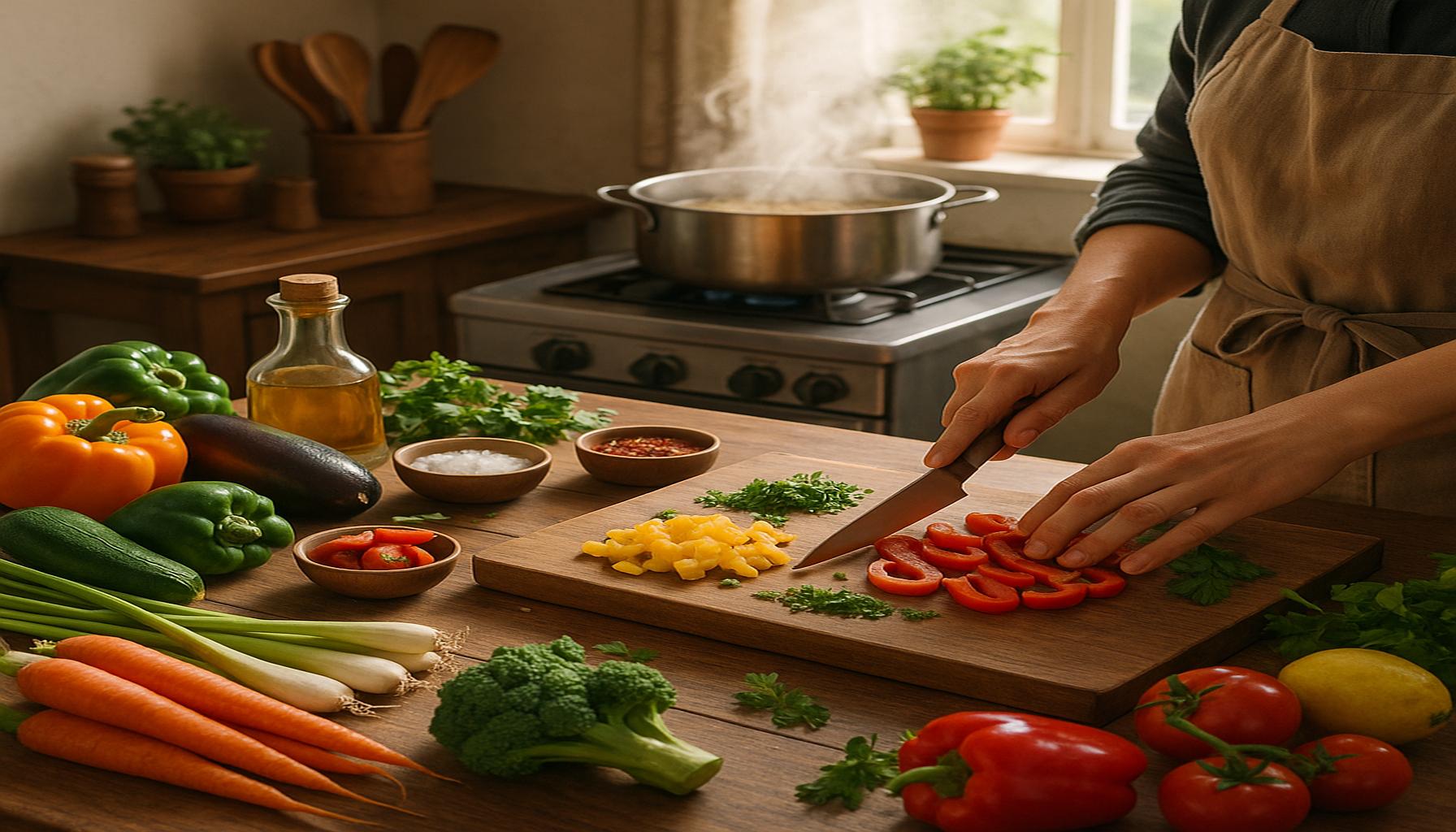
- Mindfulness: The act of cooking requires one’s full attention, from chopping vegetables to simmering sauces. This focus helps peel away distractions, leading to a meditative state. Engaging in a meal preparation ritual encourages a connection with the present moment, promoting mental clarity and emotional peace.
- Creativity: Food offers a unique canvas for artistic expression. Whether it’s infusing dishes with new spices or mastering intricate plating techniques, cooking allows individuals to explore their culinary creativity. This experimentation can be liberating, empowering individuals to break free from routine and explore their tastes and preferences.
- Sense of Accomplishment: There’s a profound satisfaction that comes from completing a recipe, however simple it may be. Whether it’s baking a loaf of bread or sautéing a perfect stir-fry, achieving a culinary goal brings fulfillment and boosts self-esteem, vital components in combatting stress.
Additionally, cooking holds social benefits that can elevate its stress-relieving properties. Inviting friends or family to join in the kitchen not only fosters collaboration but also strengthens emotional ties. Sharing a meal that you’ve created together forms cherished memories, creating a comforting ambiance that further alleviates stress.
Research supports the mental health benefits of engaging in creative activities like cooking. Studies have shown that creativity can significantly reduce levels of cortisol, the stress hormone. By transforming simple ingredients into culinary masterpieces, individuals often find joy and relaxation, reinforcing the positive connection between creativity and well-being.
As you delve deeper into the myriad ways cooking can serve as a stress-relief strategy, you might discover new techniques and approaches to enrich your culinary experience. From exploring diverse cuisines to dabbling in healthy alternatives, the therapeutic potential of your kitchen is immense. Are you ready to uncover the hidden benefits of embracing cooking as an antidote to stress?
DIVE DEEPER: Click here to discover more
The Therapeutic Benefits of Engaging with Food
Cooking offers a powerful way to channel stress into a productive and enjoyable endeavor. When individuals engage in the culinary process, they often find that it provides more than just sustenance; it becomes a form of active therapy that can lead to a significant reduction in stress levels. The act of preparing a meal allows individuals to immerse themselves in a tactile and sensory experience, invoking a sense of peace in the process.
One way this therapeutic effect manifests is through enhancing mindfulness. As you chop, stir, and sauté, your mind naturally shifts its focus towards the task at hand, leading to a state of flow. This can be particularly beneficial in today’s fast-paced environment, where distractions abound. Recipes often require precise techniques that demand attention; thus, cooking can feel like a mini-meditation session, redirecting your thoughts away from everyday stressors.
Connecting to Your Senses
The kitchen is filled with a multitude of sensory experiences—vivid colors, fragrant spices, and, of course, irresistible tastes. Engaging your senses while cooking can evoke powerful memories and emotions, creating a meaningful backdrop against which to manage stress. For instance, the smell of freshly baked cookies might transport someone back to their childhood, triggering feelings of comfort and security. This sensory connection can have profound implications for mental well-being.
Cooking as a Creative Outlet
In the realm of creative cooking, the possibilities are virtually endless. Unlike many structured activities, cooking encourages personalization. From select ingredients to presentation styles, each meal can reflect your personality and creativity. This freedom allows for exploration, experimentation, and the opportunity to innovate, turning simple recipes into unique creations. You might find joy in creating your own spice blends or experimenting with plant-based substitutes—a process that can invigorate your culinary skills while freeing you from routine culinary chains.
- Experimentation: Trying new recipes or cuisines can spark excitement and interest, breaking the mundane cycle of everyday meals.
- Seasonal Cooking: Utilizing fresh, seasonal ingredients allows individuals to connect with the natural world, both soothing the mind and promoting healthier eating habits.
- Themed Cooking Nights: Organizing themed cooking nights—such as Italian or Mexican—can introduce an element of fun and novelty, making meal preparation a joyful event.
Moreover, the act of cooking not only nourishes the body but also feeds the soul. Each dish prepared can symbolize a small victory. Whether it’s a simple breakfast or an elaborate dinner party, completing a culinary project cultivates a strong sense of accomplishment. This emotional boost can be particularly important in times of stress, reinforcing positive self-beliefs and enhancing overall emotional resilience.
In embracing cooking as a creative outlet, individuals navigate their way through stress while fostering a healthier mindset. The kitchen becomes not just a place for meal preparation, but a true refuge—an antidote to life’s pressures where creativity, mindfulness, and satisfaction intertwine.
| Category | Description |
|---|---|
| Therapeutic Benefits | Cooking offers meditative effects, allowing individuals to focus on the present moment while engaging their senses. |
| Creative Expression | Through cooking, individuals can express their creativity, experimenting with flavors and presentations that provide a personal touch to meals. |
| Nutritional Control | Cooking allows for control over ingredients, enabling the preparation of meals that promote emotional and physical well-being. |
| Social Connection | Engaging in cooking provides opportunities for family bonding and social interactions, reducing feelings of isolation. |
The art of cooking can transcend mere nourishment; it can serve as a crucial outlet for managing stress. With the fast-paced lives many lead today, immersing oneself in the kitchen offers a much-needed escape. When preparing a meal, the rhythmic actions of chopping, stirring, and seasoning can enhance mindfulness, allowing the mind to release anxiety momentarily. Furthermore, cooking encourages creativity, as experimenting with different recipes can lead to delightful discoveries, all while providing a sense of accomplishment. Additionally, the power of wholesome ingredients cannot be overlooked. Preparing home-cooked meals can significantly contribute to better nutrition, giving individuals the energy needed to tackle their daily challenges. To top it all off, sharing these culinary creations with loved ones fosters deeper connections, bringing people together and enhancing one’s support system during trying times.
DIVE IN: Click here to discover how creativity connects us
The Social Aspect of Cooking: Building Connections
Cooking is not only a solitary activity but also a rich platform for social interaction. Engaging with friends, family, or community members in the kitchen fosters bonds and nurtures relationships. Cooking together can become a cherished ritual, allowing individuals to share stories, laughter, and experiences while creating something delightful together. This process not only enhances the flavor of the food but also strengthens emotional ties, providing a buffer against stress.
Consider hosting a cooking party where friends gather to prepare dishes. Such events transform routine meal prep into a lively gathering, promoting both communication and teamwork. The joy that arises from sharing triumphs, mishaps, and culinary secrets can alleviate feelings of isolation, making it easier to cope with life’s pressures.
Cooking Classes and Community Engagement
For those looking to deepen their culinary skills while connecting with others, cooking classes are an excellent avenue. Many community centers and culinary schools offer classes on various cuisines or techniques. These classes not only provide valuable hands-on experience but also present opportunities to meet like-minded individuals, forging friendships that can extend beyond the kitchen. Engaging in a shared challenge, such as a complex recipe or cooking competition, further helps to develop camaraderie and a sense of belonging.
Beyond formal classes, participating in local food-focused events such as potlucks, farmer’s markets, or food festivals can cultivate community spirit. This engagement can help individuals reclaim their place within their neighborhoods, counteracting the stress of urban isolation and reinforcing a sense of community support.
Cooking as a Path to Creativity and Innovation
Delving into the art of cooking encourages innovation and critical thinking. By challenging oneself to create new dishes, cook with unfamiliar ingredients, or address dietary restrictions, individuals stimulate their creative problem-solving abilities. This process not only attributes to personal growth but also serves as a constructive distraction in turbulent times. Research suggests that creativity in the kitchen can enhance cognitive flexibility, a key trait that allows us to adapt to change and overcome obstacles.
Moreover, many chefs and home cooks alike are becoming advocates for sustainable cooking. Exploring zero-waste cooking methods, embracing plant-based meals, or growing your own herbs can connect individuals to larger environmental issues while providing an element of purpose. This commitment to sustainability can cultivate feelings of empowerment, especially when individuals believe they are making a positive impact on the world around them.
The Healing Power of Cooking and Nutrition
On a physiological level, cooking can contribute to healthier eating habits. Preparing meals at home tends to be healthier than dining out, as it allows for more control over ingredients and portion sizes. Studies show that those who cook frequently have higher consumption of fruits and vegetables and lower consumption of processed foods. This healthy shift not only supports physical health but can also improve mental well-being, as balanced nutrition plays a crucial role in managing stress and anxiety.
In essence, the multifaceted benefits of cooking extend beyond mere nourishment. By intertwining creativity, social connection, and nutritional awareness, cooking emerges as a holistic antidote to stress—a thrilling and fulfilling journey that nurtures both the mind and body.
DISCOVER MORE: Click here to learn about the psychological benefits of creative hobbies
Conclusion
In today’s fast-paced world, creative cooking stands out as a powerful antidote for stress, offering a holistic approach to emotional and mental well-being. By harmonizing the core aspects of social interaction, creativity, and nutrition, engaging in culinary adventures fosters not only personal growth but also strengthens the bonds we share with others. The kitchen serves as a sanctuary, a creative outlet where one can embrace the therapeutic benefits of meal preparation, transforming ingredients into gastronomic expressions of love, care, and connection.
Moreover, as we gather around the stove or embark on cooking classes, we cultivate a sense of community and belonging, combatting the isolation that often accompanies modern life. Involvement in local food events can further enhance this sense of unity, encouraging collaboration and support among neighbors.
As individuals explore new flavors and sustainable cooking practices, they tap into a well of creativity that not only delights the palate but also empowers them to make positive choices that benefit their overall health. The physiological advantages of preparing homemade meals—rich in nutrients and lower in processed ingredients—parallel the mental rewards of a newfound passion and creative expression.
Ultimately, cooking is much more than a daily chore; it’s an enriching experience that can transform stress into joy, challenge into triumph, and solitude into camaraderie. So, whether you’re a kitchen novice or a seasoned chef, embrace the art of cooking as a remedy for life’s pressures and discover the profound satisfaction that comes from crafting delicious meals and meaningful connections.