Crafting and Mindfulness: How Working with Your Hands Can Alleviate Anxiety and Promote Calm
The Rise of Crafting in Modern Life
As the relentless pace of contemporary society continues, a notable trend has emerged: a growing number of people are finding solace in creative hobbies. The simple act of working with your hands is transforming into a popular remedy for the increasing levels of anxiety that many experience in their day-to-day lives. Engaging in crafting activities is more than just a pastime; it serves as an essential tool for mental wellness.
Benefits of Crafting for Mental Health
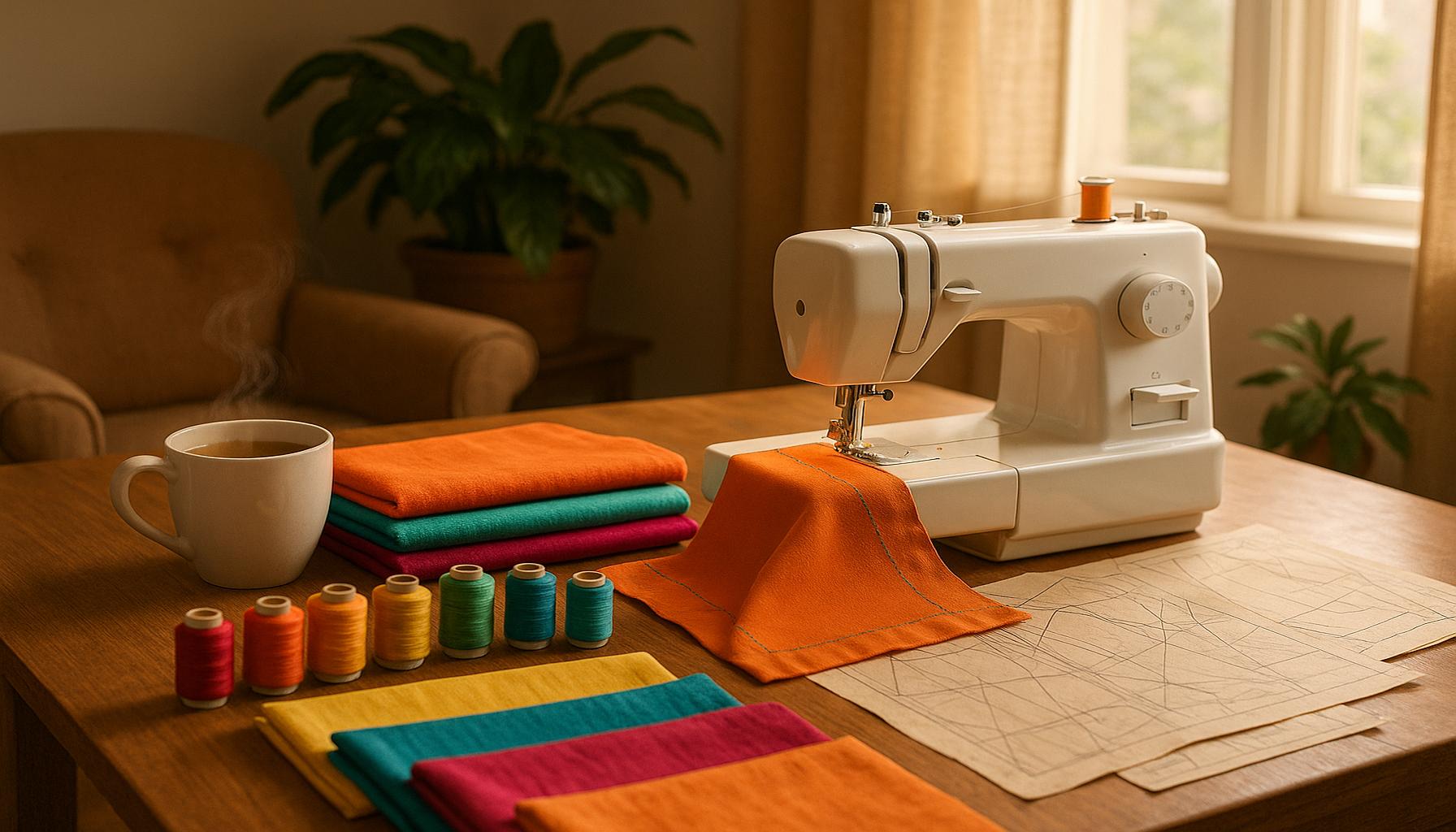
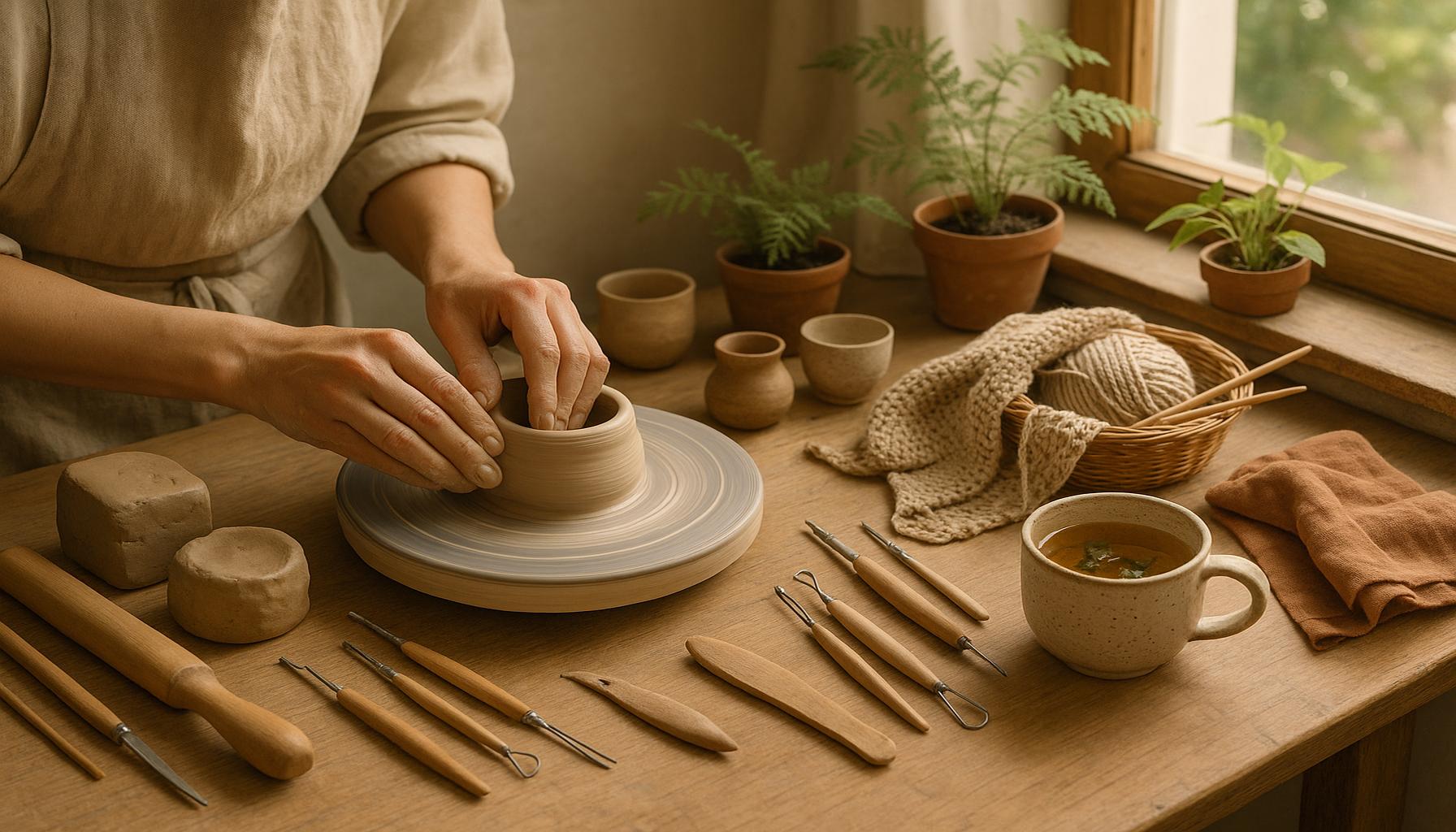
Crafting encompasses a wide range of activities, including knitting, sewing, pottery, woodworking, and more. Each of these activities can significantly impact mental health in various ways. Here are some key reasons why:
- Focus and Presence: When you immerse yourself in crafting, you engage in a task that requires your full attention. This concentration helps to anchor you in the present moment, effectively pushing aside worries about the past or future. Whether it’s the rhythmic motions of crochet or piecing together a quilt, such activities act as a form of meditation, bringing clarity and peace.
- Creativity as Therapy: The creative process is not just about the final product; it’s also about the journey. Crafting allows for profound self-expression, enabling individuals to channel their emotions productively. For instance, a study published in the *Journal of Positive Psychology* found that creative expression could lead to lower levels of cortisol, the stress hormone, fostering a calming effect on the mind.
- Physical Engagement: Engaging physically with materials—like shaping clay or carving wood—can stimulate pathways in the brain related to relaxation. Such physical activity not only fosters a sense of accomplishment but also triggers the body’s natural stress relief mechanisms, leading to reduced anxiety and enhanced mood.
Real-World Applications of Crafting for Well-Being
The therapeutic benefits of crafting are increasingly recognized across various settings. Community centers, hospitals, and therapy practices in the United States are incorporating crafting workshops to help individuals manage mental health issues. For example, programs that introduce veterans to woodworking or art therapy are showing promising results in alleviating symptoms of PTSD.
Moreover, the rise of online crafting communities, especially during the pandemic, has provided an additional layer of support. Platforms like Instagram and Pinterest allow individuals to share their creations, fostering a sense of belonging and encouraging others to partake in these beneficial activities.
Research continues to affirm the positive correlation between hands-on activities and mental health. By integrating crafting into daily routines, individuals can cultivate a toolkit for calm, finding both relief and joy in the act of creation. So whether you’re painting a canvas, knitting a scarf, or building a model, you may be tapping into an essential reset button you didn’t realize you needed.

DISCOVER MORE: Click here to dive deeper
The Therapeutic Process of Crafting
Crafting is not merely an enjoyable way to pass the time; it acts as a therapeutic process that can significantly enhance mental well-being. This holistic approach to creativity involves several elements that work synergistically to promote mindfulness and alleviate anxiety. Here are some crucial aspects that contribute to the mental health benefits of crafting:
- The Flow State: A central concept in mindfulness, the flow state occurs when a person becomes fully absorbed in an activity. Crafting can induce this state, effectively allowing individuals to lose themselves in the creative process. According to psychologist Mihaly Csikszentmihalyi, being in a flow state maximizes enjoyment and fosters creativity while minimizing conscious worries and anxiety. As you engage in your craft, your mind may find a reprieve from daily stressors.
- Sensory Engagement: Crafting often appeals to multiple senses—sight, touch, and even sound. The vibrant colors of yarn or paint, the tactile sensations of different materials, and the soothing sounds of cutting or sewing can enhance relaxation. This sensory engagement can ground you and combat the feelings of overwhelm that often accompany anxiety.
- Goal Setting and Achievement: Completing a crafting project can provide significant psychological rewards. Setting small, achievable goals—such as finishing a knitted square or painting a specific section of a canvas—fuels a sense of accomplishment and encourages motivation. These positive experiences can lead to improved self-esteem and an overall sense of well-being.
Connection Between Crafting and Mindfulness
Mindfulness practices involve focusing attention on the present moment without judgment. Crafting naturally aligns with these practices, as it encourages individuals to be present in their actions. Research has shown that engaging in mindful crafting can help reduce symptoms of anxiety and depression. One study highlighted in *Psychological Science* found that even a brief period spent on a creative task could lead to immediate reductions in stress levels. By fostering a mindful approach through crafting, individuals can cultivate tranquility and resilience in their lives.
To understand how crafting serves as a form of mindfulness, consider the intricate details involved in creating something with your hands. Each stitch in knitting or every stroke of a paintbrush requires focused attention and intention. The repetitive nature of many craft activities mimics meditation, allowing for deeper relaxation and clarity of thought. This engaging experience can pave the way for emotional release and psychological balance, helping individuals navigate the complexities of their emotions more effectively.
As the popularity of crafting grows, more studies and personal accounts are emerging that underscore its vital role in mental health maintenance. Crafting is not just a hobby—it’s a pathway to mindfulness, providing individuals with the tools they need to combat anxiety and discover inner calm.
| Advantages of Crafting | Description |
|---|---|
| Reduced Stress Levels | Engaging in crafting activities can lead to a significant decrease in stress hormones, promoting a sense of calm and well-being. |
| Enhanced Focus and Mindfulness | Working with your hands requires attention and presence, fostering mindfulness and encouraging practitioners to stay in the moment. |
| Improved Mood | Crafting has been linked to the release of dopamine, leading to enhanced feelings of joy and accomplishment through creative expression. |
| Sense of Achievement | Completing a crafts project provides a tangible sense of accomplishment, boosting self-esteem and providing fulfillment. |
Crafting is more than a hobby; it’s a transformative practice that intertwines creativity with mental wellness. This deeply personal journey allows individuals to explore their emotions, harness their creativity, and tap into a sense of peace. Whether through knitting, woodworking, or pottery, the journey of creation becomes a form of therapy that benefits both mind and soul.Research shows that immersing oneself in crafting can take the focus away from daily stressors, redirecting thoughts and fostering relaxation. Furthermore, the repetitive motions involved in many crafts can induce a meditative state, enhancing overall mental clarity. Many practitioners report that integrating crafting into their routine has drastically improved their anxiety levels and overall mood, creating a balance between relaxation and productivity.By fostering creativity and encouraging deep focus, crafting acts as a vital tool in the toolkit for emotional health, creating space for individuals to explore themselves in a fulfilling and calming manner.
DISCOVER MORE: Click here to find out how cooking can help relieve stress
The Role of Community in Crafting
Another essential aspect of crafting as a means of promoting mindfulness is the sense of community it often fosters. Crafting activities can bring people together, creating bonds through shared interests and collective creativity. Workshops, classes, or virtual meet-ups dedicated to crafting serve as safe spaces where individuals can connect, share experiences, and learn from one another. This interaction not only provides social support but also cultivates a spirit of collaboration, further enhancing the therapeutic effects of crafting. Engaging in crafting groups can significantly diminish feelings of isolation and loneliness, which often accompany anxiety.
Crafting as a Form of Expression
Crafting transcends mere hobby; it becomes a powerful form of self-expression. Through creative activities like painting, pottery, or scrapbook-making, individuals can communicate emotions and thoughts that may be difficult to articulate. This process of pouring feelings into art can be profoundly liberating, acting as a catharsis that alleviates built-up tension. Infusing personal narratives into handcrafted items allows for reflection and recognition of one’s emotional state, a practice that psychologists advocate for emotional regulation and resilience.
The Benefits of Crafting for Different Demographics
The accessibility of crafting makes it a versatile approach to mindfulness applicable to various demographics. Studies have shown that children involved in crafting activities demonstrate improved emotional expression and coping skills. For adults, the process can serve as a constructive outlet during stressful workdays. Furthermore, older adults have reported enhanced memory retention and cognitive function through activities like knitting or woodwork, as these require focus and fine motor skills. Importantly, organizations across the United States are promoting crafting workshops tailored for specific age groups, facilitating a nurturing environment for development through creativity.
Scientific Insights into Crafting and Mental Health
Research continues to shed light on the positive correlation between crafting and mental health. A study published in the journal *Art Therapy* highlighted that participants engaged in creative activities reported a significant reduction in anxiety levels compared to those who did not participate in any artistic pursuits. Additionally, the act of crafting releases endorphins, the body’s natural stress relievers, which can lead to a reduction in feelings of stress and an increase in overall happiness. This hormonal response, triggered by the satisfaction of creating something tangible, underscores the mental health benefits inherent in working with one’s hands.
The therapeutic effects of crafting are further amplified when individuals are able to slow down and engage mindfully with their materials. For example, coloring books specifically designed for adults have surged in popularity, as they invite users to focus solely on the task at hand, leaving behind the intricacies of daily stressors. The repetitive actions required in these activities can induce a meditative state, guiding individuals toward a calmer and more serene mindset.
With the current emphasis on mental health awareness in the United States, integrating crafting into therapeutic settings and wellness programs is being recognized more widely. Hospitals, community centers, and therapy clinics are increasingly offering crafting sessions as part of their mental health initiatives, highlighting its potential as a powerful tool for promoting emotional well-being.
DISCOVER MORE: Click here to learn about the psychological benefits of creative hobbies
Embracing Crafting for Mental Well-Being
In conclusion, the intricate connection between crafting and mindfulness reveals a profound pathway to alleviating anxiety and fostering tranquility. As we have explored, the act of working with our hands serves not only as a creative outlet but as a therapeutic practice that engages both the mind and body. From the soothing repetition of knitting to the expressive freedom of painting, crafting taps into our innate desire for self-expression and connection.
Moreover, the communal aspect of crafting plays a vital role in enhancing emotional well-being by combating loneliness and isolation. Engaging with others who share similar passions can amplify the healing effects of creative expression. As mental health awareness continues to grow across the United States, community workshops and therapy-integrated crafting initiatives are on the rise, offering a progressive approach to mental well-being.
Scientific studies provide empirical backing for crafting’s positive impact on mental health, reinforcing the idea that engaging in creative activities can lead to measurable reductions in anxiety and stress. The release of endorphins during crafting sessions is testament to its ability to elevate mood and facilitate a calmer state of mind. As individuals across various demographics find joy and solace in crafting, it stands as a valuable, accessible tool for promoting emotional resilience.
Thus, whether you’re a novice or a seasoned artisan, embracing the therapeutic benefits of crafting might be just the antidote to modern-day stresses. So why not pick up that paintbrush, gather some yarn, or explore your local crafting community? The journey toward a more mindful, calm existence may just begin with the simple act of creating something beautiful with your hands.