Challenges of Reducing Clutter in Small Spaces: Creative Solutions for Living with Less
Understanding the Challenges of Small Living Spaces
In urban areas across Nigeria, particularly in cities like Lagos and Abuja, the phenomenon of limited living space is a real challenge that many face today. As populations grow and housing prices soar, more individuals are forced to adapt to smaller homes, which can often lead to feelings of confinement and chaos. This scenario is a significant contributor to the struggle with clutter management, where the desire for an organized and peaceful living environment often clashes with the physical limitations of space.
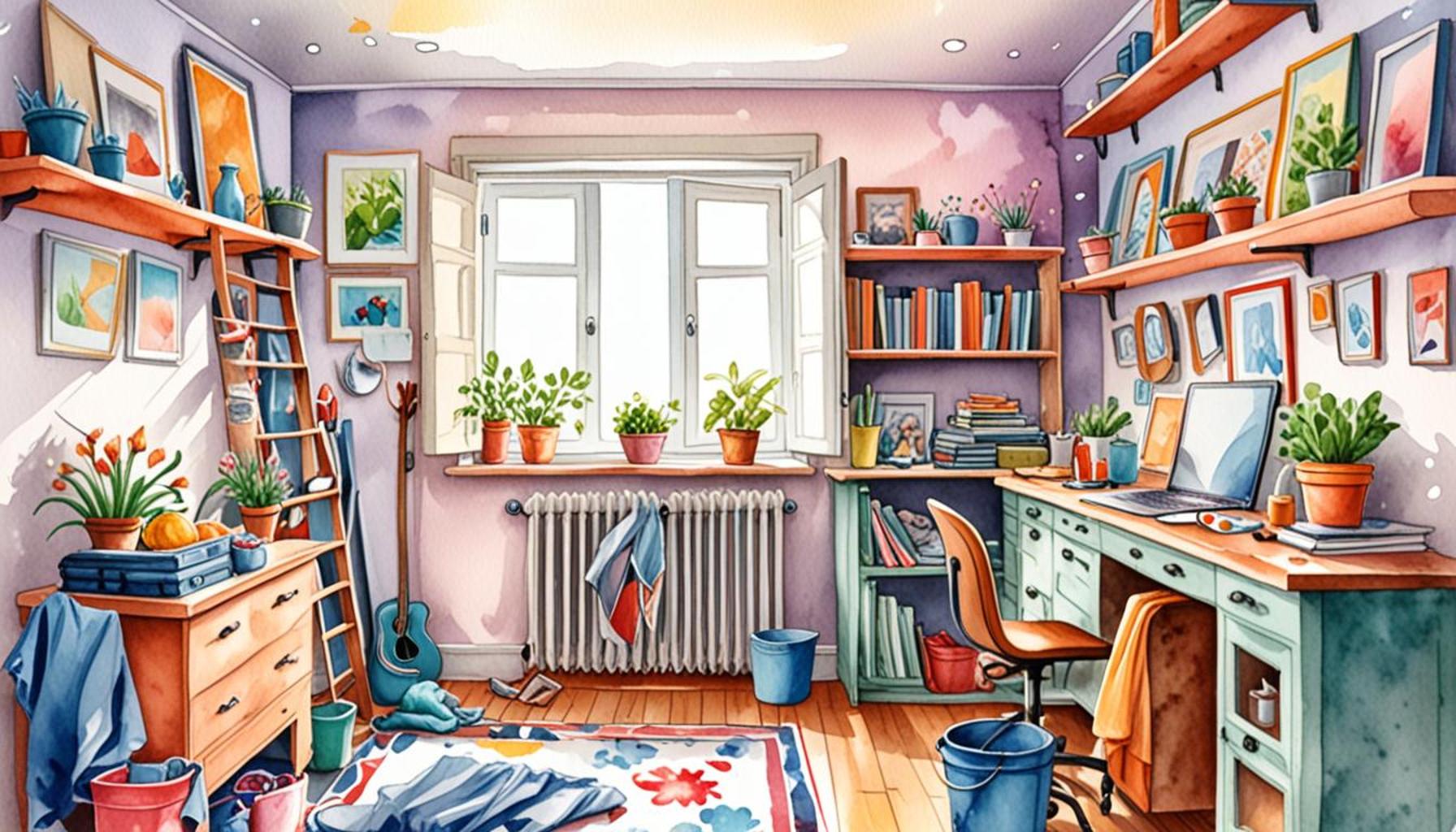
One of the primary challenges encountered in a small living area is the issue of limited storage solutions. Traditional furniture pieces tend to offer inadequate storage capacity, leading to a build-up of items that quickly make a living space feel cramped and unwelcoming. For instance, a small bedroom may only have enough closet space for clothing without accounting for shoes or linens, forcing residents to find creative, yet often ineffective, solutions for storage.
Another significant hurdle is the emotional attachments people develop towards their belongings. Many Nigerians take pride in their possessions, often feeling an emotional connection to items that may no longer serve a functional purpose. This sentiment can create a barrier to decluttering, as individuals struggle to part with items that hold sentimental value, like family heirlooms or gifts. Consequently, these possessions can accumulate, further compromising the organization and aesthetics of the living area.
Additionally, the quest for functional furniture that maximizes space can be challenging. Consumers often discover that many available options are either too bulky or not designed for multipurpose use. For example, a regular sofa may take up significant room without offering any additional storage, while a fold-out couch might serve better but can often be inconvenient for everyday use.
Practical Strategies for Minimalism
To combat these obstacles, individuals can adopt various innovative strategies for crafting a minimalist living environment. One effective method is the use of vertical spaces. By installing shelves or hanging organizers, residents can utilize the walls to keep items off the floor, creating an illusion of more space while simultaneously providing easy access to belongings.
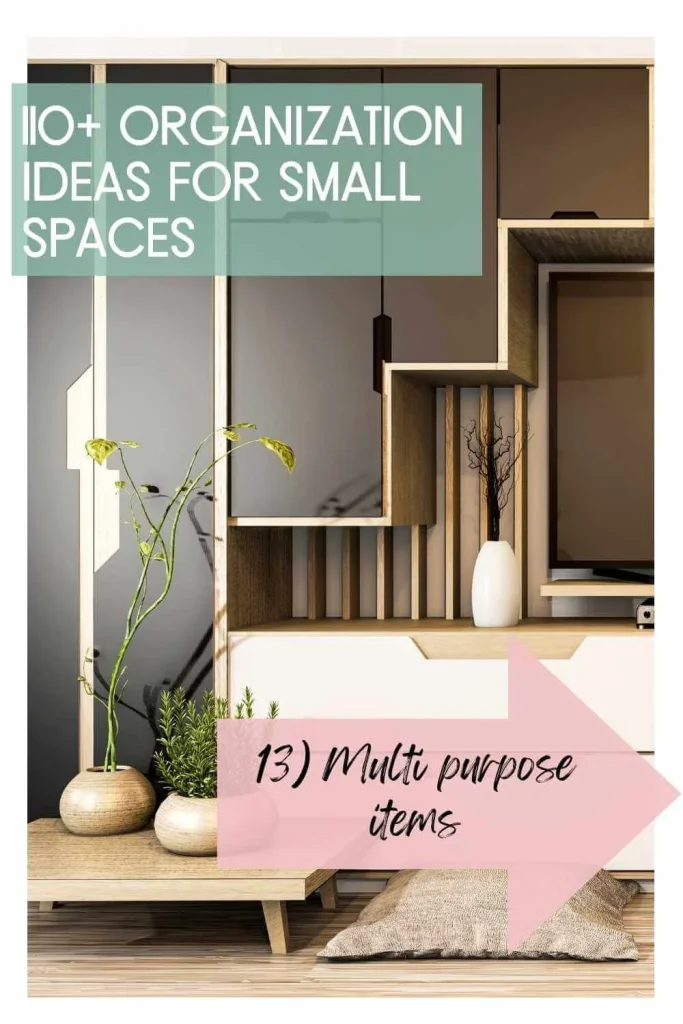
Another popular approach is incorporating furniture that doubles as storage. For example, beds with built-in drawers or coffee tables that open up for hidden storage can significantly reduce clutter. Furniture that is designed for versatility not only alleviates storage issues but can also enhance the overall aesthetic with sleek, modern designs that embody minimalism.
Moreover, adopting a mindset shift towards intentional living can be profoundly impactful. This involves evaluating the necessity of each item before bringing it into the home and regularly assessing the items currently owned. Engaging in regular decluttering sessions can help maintain a tidy space and manage emotional attachments by allowing individuals to prioritize what genuinely adds value to their lives.
By prioritizing functionality and simplicity, it is entirely feasible to transform small living spaces into welcoming and serene areas that reflect personal style without overwhelming clutter. Such strategies empower individuals, inviting them to embrace the minimalist lifestyle while still honoring their own unique tastes and preferences. As urban living continues to evolve, these actionable insights will become increasingly valuable for creating tranquil, minimalist havens in the bustling heart of Nigeria.
RECOMMENDED: Check out this similar article
Overcoming Obstacles in Small Space Living
The struggle to reduce clutter in small living spaces is often compounded by various factors that require both creativity and practicality. One major challenge faced by many residents in compact homes is the common misconception that minimalism is synonymous with a lack of personality. This notion can deter individuals from embracing a clutter-free lifestyle, as they fear that shedding their possessions might strip away their sense of identity. However, understanding that living with less does not equate to living without personality is essential for embarking on a successful decluttering journey.
Furthermore, urban living often means that small homes are shared among multiple family members or roommates, leading to an increase in the number of belongings that must be accommodated. In cities such as Port Harcourt or Enugu, some households might include several generations under one roof, all bringing their own set of items into the living space. This collective accumulation can make it incredibly challenging to maintain organization and harmony within the home. Here are some common challenges that arise in these settings:
- Competing Needs: Different household members may have conflicting storage requirements, causing stress and disorganization.
- Inadequate Space for Shared Items: Common areas can easily become cluttered with items that belong to multiple people, making it hard to keep the space tidy.
- Difficulty in Establishing Boundaries: When space is tight, it can be challenging to set limits on personal belongings without causing disagreements.
Moreover, the fast-paced lifestyle typical of urban areas places added pressure on residents to accumulate possessions. From work attire to educational materials, the rapid demands of life can lead to an ever-growing collection of items. This pattern often contributes to an overwhelming sense of clutter and chaos that makes small spaces feel even smaller. For instance, the cultural practice in many Nigerian households of keeping items for “just in case” scenarios can result in stockpiling things that are rarely, if ever, used.
Exploring Alternative Solutions
As the clutter in small spaces grows, so does the urgency for innovative solutions. Residents are increasingly seeking alternatives that not only clear physical space but also offer emotional relief from the burden of excessive belongings. One promising strategy is the rolling storage concept, which incorporates multipurpose storage units that can easily be moved, allowing for flexible use of space. Items that can typically be stored within coffee tables or ottomans enable residents to hide away their belongings while still having them easily accessible.
Furthermore, investing in customizable storage solutions can significantly improve organization. Modular shelves that can be adjusted or expanded based on changing needs enable a personalized approach to decluttering. For small kitchens in areas like Abia State, using “over-the-door” racks can facilitate the storage of pots and pans without taking away from precious counter space.
In addition to these physical solutions, adopting a mindful attitude towards clutter can profoundly shift how individuals approach their belongings. By challenging the impulse to hold onto items, residents can cultivate a lifestyle that embraces simplicity and functionality — values that are increasingly important in today’s urban environment.
Understanding the Impact of Clutter
Reducing clutter in small spaces is not just a matter of aesthetics; it touches on deeply embedded aspects of our lives ranging from mental health to productivity. Studies have shown that clutter can lead to increased stress levels, making it difficult to focus and creating a sense of chaos. When a space is crammed, it can feel overwhelming and hinder the ability to relax. This emotional weight can perpetuate a cycle of accumulation, as individuals often struggle to maintain organization amidst a cluttered environment.
Multifunctional Furniture as a Solution
One of the most effective ways to combat clutter is by utilizing multifunctional furniture. With options ranging from sofa beds to storage ottomans, multifunctional pieces offer solutions for maximizing utility without compromising style. Investing in furniture that serves multiple purposes can transform a cramped room into a functional oasis, allowing for more open space. Not only does this approach align with practical needs, but it also promotes a minimalist aesthetic that many find appealing in modern interior design.
The Role of Decluttering Routines
Establishing a consistent decluttering routine is equally important in maintaining a clean living environment. By implementing a schedule, whether it’s weekly or monthly, individuals can take manageable steps to keep clutter at bay. Consider creating a dedicated ‘drop zone’ for items that tend to pile up, which helps in maintaining order. Pairing decluttering with mindful practices encourages a deeper connection with personal belongings, emphasizing the values of usefulness and sentimentality.
Personalization and Emotional Attachment
Addressing the emotional backgrounds tied to clutter can also be pivotal. Many of us hold on to items due to sentimental values, which can complicate the decluttering process. It’s crucial to differentiate between items that evoke joy and those that simply clutter space. Tools such as the KonMari method encourage individuals to surround themselves with objects that truly resonate, facilitating a more meaningful decluttering experience. This approach not only optimizes space but also fosters a deeper connection to one’s living environment.
Technology: An Unexpected Ally
Utilizing technology can further assist in the journey toward a clutter-free life. From organization apps to smart home devices, technology offers innovative solutions to manage household items more effectively. By digitizing documents and photos, one can significantly reduce physical clutter. Moreover, smart storage solutions can help track belongings, ensuring that everything has its place and is easy to find.
| Category | Advantages |
|---|---|
| Multifunctional Furniture | Maximizes space and reduces clutter. |
| Decluttering Routines | Promotes a cleaner, more organized living environment. |
| Technology Solutions | Helps in tracking belongings and reducing physical items. |
RECOMMENDED: Check out this similar article
Embracing Creativity in Small Space Solutions
While the challenges of reducing clutter in small living spaces are significant, there is a wealth of creative solutions that can help navigate these hurdles effectively. One such solution is the use of vertical space. Many residents overlook the potential of their walls, which can be utilized for storage without taking away from valuable floor space. Installing shelves, wall-mounted hooks, or pegboards can dramatically increase storage options while keeping items accessible. In a bustling city like Lagos, where living arrangements often consist of high-rise apartments, maximizing vertical space can provide a much-needed reprieve from clutter.
Another innovative approach to clutter management is community-swapping initiatives. Organizations and local communities can foster programs where members can exchange items that are no longer needed. This not only reduces clutter at home but promotes a culture of sharing and sustainability. For instance, hosting community swap days in neighborhoods can allow individuals to declutter while obtaining items in a sustainable manner. This is particularly pertinent in Nigerian urban areas, where goods can often be traded rather than purchased anew, creating a satisfying cycle of exchange.
Additionally, technology plays a pivotal role in organizing and managing personal belongings. Implementing digital organization tools, such as apps designed for inventory tracking, can cultivate a more intentional approach to possessions. These apps can help users keep track of what they own and their intended use, thus aiding in the decision of what to keep and what to let go of. Creating a digital inventory also aligns with the increasing reliance on technology in daily life, streamlining the decluttering process.
Furniture that Fosters Freedom
Fashioning furniture that serves multiple purposes can also help alleviate the struggle with clutter. Multi-functional furniture, such as sofa beds, expandable dining tables, and folding chairs, can significantly reduce the need for numerous standalone pieces, further opening up valuable space. In regions of Nigeria where families often entertain guests, investing in extendable tables or convertible seating can create room for social gatherings while ensuring that the home remains spacious and welcoming.
Moreover, utilizing baskets, bins, or decorative boxes can provide an aesthetically pleasing solution to clutter. These storage options can neatly house everyday items that can easily obscure surfaces, such as remote controls or magazines. Decorative storage solutions can also work to complement the overall decor and enhance the living space’s personality, reinforcing the notion that living with less does not mean sacrificing style.
Lastly, fostering a mindset of mindful consumption is foundational in the battle against clutter. This involves making intentional decisions about what to bring into the home. Adopting a ‘one in, one out’ rule can ensure that for every new item purchased, an old one is discarded or donated, keeping the influx of clutter at bay. Particularly in fast-paced urban centers where consumerism is rampant, this practice becomes vital in cultivating and maintaining an organized living environment.
Incorporating these strategies into daily routines not only eases the physical burden of clutter but also allows individuals to cultivate a sense of tranquility and order within their living spaces. By creatively addressing the challenges posed by small spaces, residents can discover a fulfilling lifestyle that values minimalism and promotes a profound appreciation for what truly matters.
ADDITIONAL INSIGHTS: Expand your understanding here
Finding Balance Between Clutter and Comfort
As explored throughout this article, the challenges of reducing clutter in small spaces are both complex and nuanced, especially in the unique context of Nigerian living conditions. While space is often at a premium, a combination of creativity and intentionality can lead to effective solutions that not only minimize clutter but also enhance the quality of life. Utilizing vertical spaces, engaging in community swap initiatives, adopting multi-functional furniture, and employing technological tools are just a few strategies that can revolutionize the way individuals approach their living environments.
It is important to remember that the process of decluttering is not merely about discarding belongings; it is a mindful consumption exercise that calls for reflection on what is truly essential. By embracing a discerning perspective on acquiring new items and implementing habits like ‘one in, one out’, residents can foster a living space that is both functional and tranquil.
Ultimately, living with less does not equate to sacrificing comfort or personality. Instead, it presents an invaluable opportunity to cultivate spaces that reflect our values and aspirations. As Nigerians continue to adapt to urban living and the complexities of modernity, the pursuit of a decluttered lifestyle may offer a path toward both physical and mental clarity. It’s within these compact spaces that we can truly learn to appreciate the abundance of life, relationships, and experiences that matter most.