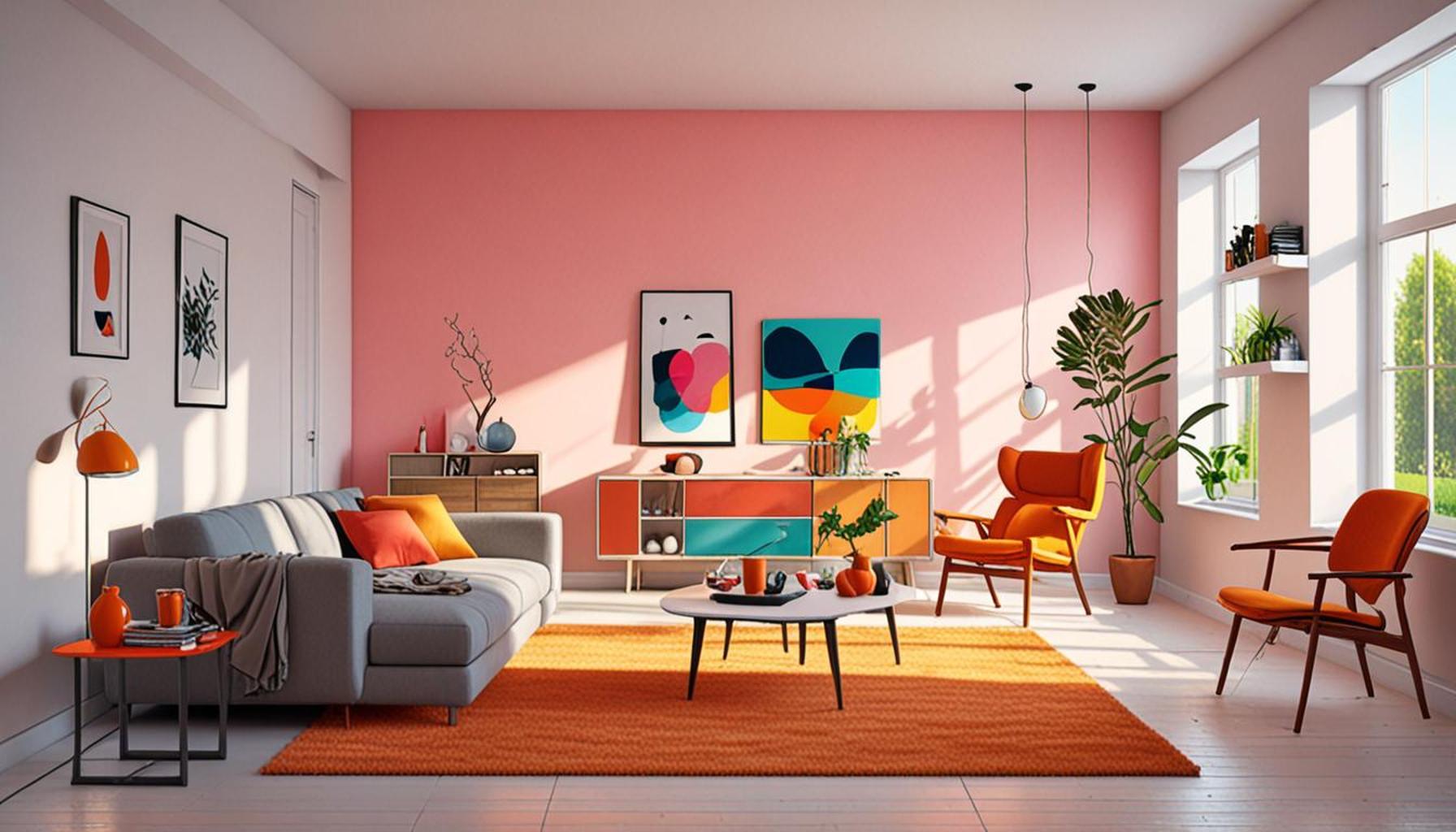
Boost Productivity Well-Being Personal Organization with Efficient Spaces
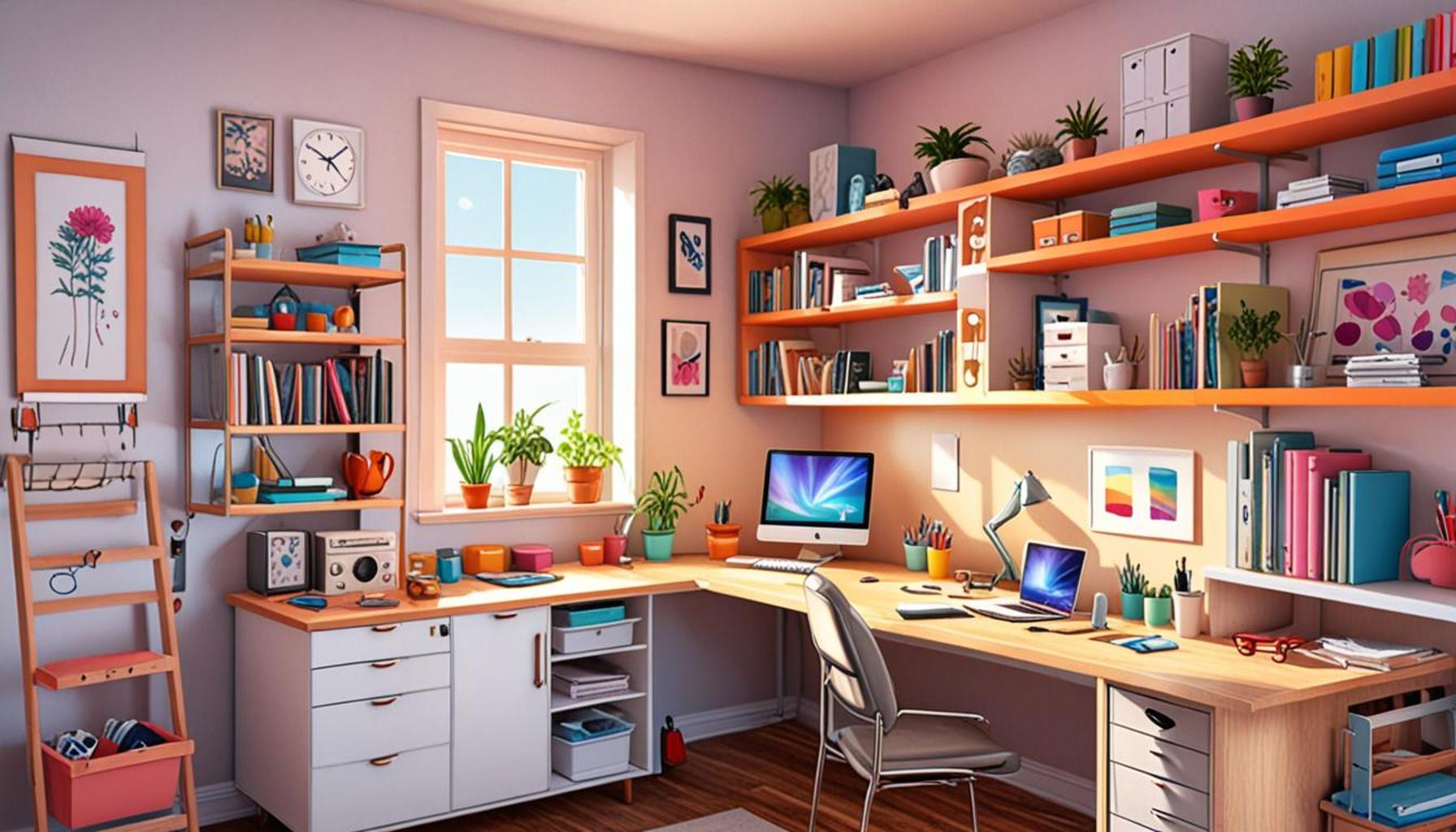
The Power of Organized Spaces
In today’s fast-paced world, the concept of personal organization has gained immense traction, especially among those embracing a minimalist lifestyle. It’s no longer just about decluttering; it’s about creating environments that enhance our productivity and well-being. An efficient space not only reduces distractions but also fosters creativity and mental clarity.
Research shows that our surroundings significantly influence our mood and focus. By adopting a few organizational strategies, we can transform our spaces into sanctuaries that support our personal and professional goals. Here are some compelling points to consider:
- Clear spaces lead to clear minds. Less visual clutter allows for improved concentration.
- Defined zones increase efficiency. Creating distinct areas for specific tasks can streamline workflow.
- Intentional organization promotes well-being. A nurturing environment enhances mental health.
This article will guide you through the top 5 organizational tips that can significantly elevate your productivity and enhance your overall quality of life. Get ready to discover how efficiently organized spaces can make a profound impact on your daily routine!
Top 5: Personal Organization – How Efficient Spaces Can Boost Your Productivity and Well-Being
In today’s fast-paced world, maintaining personal organization is key to enhancing productivity and well-being. The physical spaces we inhabit—be it our homes, offices, or personal corners—play a pivotal role in shaping our mental and emotional states. Embracing concepts such as minimalism, efficient organization, and mindful living, we can transform our environments to become powerhouses of focus and inspiration. This article delves into five core elements that can not only streamline productivity but also bolster mental health, offering a pathway to a more balanced life.
5. Decluttering Your Space
The cornerstone of efficient organization is decluttering. Accumulating unnecessary items can result in chaos and a sense of disarray, often leading to stress and reduced focus. An organized space is synonymous with a clear mind. Decluttering is more than just tidying up; it’s about making deliberate choices about what to keep and what to let go. This process can be daunting, but breaking it down can make it manageable.

Consider the 30-day declutter challenge—a popular method that involves removing a set number of items daily from your space. This technique promotes awareness and intentional living, encouraging you to appreciate the essentials and release the extraneous. As you embark on this journey, you reinforce a mindset of minimalism, which research shows can significantly improve cognitive functions by reducing overwhelming sensory input and freeing up mental bandwidth.
4. Designing Functional Workspaces
A workspace tailored to your needs can be a game-changer for productivity. Ergonomics plays a critical role in this context. Ergonomic furniture, such as chairs and desks designed to support your posture, helps prevent physical discomfort, which can distract and decrease work efficiency. A study by the American Posture Institute highlights that poor ergonomic setups can lead to decreased productivity and increased health issues, making investments in ergonomic solutions not just beneficial but necessary.
Beyond comfort, functional organization is crucial. Incorporate tools like cable management systems to keep cords tidy, drawer organizers for efficient use of space, and shelving solutions to maintain a clutter-free visual plane. These elements ensure that only essential items are within reach, promoting an uncluttered mind ready for deep concentration. As a bonus, a clean and well-organized workspace often leads to a more positive work attitude, reducing stress and enhancing well-being.
3. Implementing A Daily Routine
The establishment of a consistent daily routine is instrumental in enhancing productivity and managing personal organization. Routines foster a structured approach to your day, minimizing decision fatigue, which occurs when we are overwhelmed by too many choices, leading to decision paralysis.
- Morning Rituals: Kickstart your day with activities that boost mental clarity. Meditative practices or light exercises such as yoga can set a positive tone, clearing your mind and preparing you for the day’s tasks.
- Time Blocks: Assign specific blocks of time to designated tasks. This technique prevents distractions and helps you focus singularly on one task at a time, which research shows can lead to more efficient and higher quality work.
- Reflection Periods: Conclude each day with a reflection session. Reviewing accomplishments and identifying areas for improvement can provide insights into your progress and help in setting realistic goals for the future.
By fostering a rhythmic flow to your day, routines offer psychological comfort and control, reducing anxiety and paving the way for enhanced productivity.
2. Creating Zones in Your Space
Establishing functional zones in your space can significantly impact your ability to switch gears mentally between different activities. This kind of organization aids in mental transitions, which are essential in maintaining productivity and mental health.
Consider setting up distinct areas for various activities—perhaps a cozy nook for reading and unwinding, a dedicated work desk free from distractions for getting things done, and a well-organized space for hobbies or leisure. These zones create psychological boundaries, helping you shift seamlessly between work and relaxation.
Moreover, efficient storage solutions tailored to each zone can maximize space usage while keeping it orderly. For instance, use baskets or bins for storage in relaxation zones to hide away unneeded items, maintaining focus and peace of mind. The result is a harmonious balance between your professional responsibilities and personal relaxation needs.
1. Prioritizing Mindfulness in Organization
Finally, at the heart of personal organization is the practice of mindfulness. This philosophy emphasizes being entirely present and engaged in the organization and maintenance of your surroundings. Mindfulness in organization is about intentionality—ensuring each item in your space holds purpose or brings joy.
Mindful organization encourages careful consideration of your environment, promoting a conscious engagement with your space. Questions such as “Does this object inspire happiness?” and “Is this item functional?” guide decisions, ensuring that each element in your room contributes positively to your life.
Engaging in mindfulness practices such as meditation or conscious breathing can heighten your awareness and enhance your decision-making process. This approach results in a space infused with calmness and clarity, ultimately supporting mental resilience and aiding in stress management.
In summary, by focusing on these top five elements of personal organization, you can create an environment that not only enhances productivity but also nurtures mental well-being. From decluttering to creating mindful spaces, embracing efficiency in your physical surroundings leads to a more fulfilled and balanced lifestyle.
| Category | Description |
|---|---|
| Space Optimization | Maximizing available space through strategic organization leads to enhanced workflow capabilities, allowing individuals to locate essential items without stress. |
| Time Management | A well-organized space decreases the time spent searching for tools and documents, ultimately increasing time efficiency and establishing a more productive routine. |
| Mental Clarity | Creating a clutter-free environment can significantly improve mental focus, easing stress and enhancing creativity, which contributes positively to overall well-being. |
| Physical Comfort | Utilizing ergonomic furniture and maintaining an organized layout can lead to better posture and less physical strain, promoting comfort for longer work sessions. |
In the realm of personal organization, efficient spaces not only foster productivity but also cultivate a sense of well-being. These elements work synergistically, creating environments that are not merely functional but also accommodating to individual needs. For instance, effective space optimization goes beyond mere aesthetics; it is about understanding how to use every corner purposefully to create shortcuts in task completion.Imagine an office where each tool has its designated spot, clearly labeled, whether it’s a file folder on a shelf, a pen in a holder, or a digital file in a specified folder on your computer. This organization allows for a seamless transition between tasks, eliminating distractions and enabling a constant flow of ideas.Moreover, time management is significantly improved in an organized environment. The common frustration of searching for misplaced items can erode hours over weeks and months. By integrating simple storage solutions like drawer dividers and wall organizers, efficiency can be tightly controlled. This improvement inevitably leads to a more relaxed atmosphere where individuals can focus on innovation rather than interruption.Equally important is the aspect of mental clarity. Clutter is not just a physical barrier; it’s also a psychological one. Researchers have shown that individuals working in clean, organized spaces report higher levels of satisfaction and creativity. Enhanced focus not only contributes to task performance but often leads to new ideas that can have lasting impacts in any field.Finally, don’t underestimate the power of physical comfort in enhancing productivity and well-being. The thoughtful arrangement of furniture, consideration of light sources, and the presence of plants can create an inviting atmosphere. This goes beyond just looking good; it’s about creating a workspace that feels good to work in. Taking steps towards an organized and ergonomically sound environment can prevent discomfort and fatigue, making it easier to work for extended periods without detrimental effects.Organizing personal spaces effectively is not just a trend; it drastically influences productivity and overall happiness. By implementing these strategies, individuals can discover how intentional organization leads to heightened levels of success both in their professional and personal lives.
Frequently Asked Questions about Personal Organization and Efficient Spaces
How can organizing my space improve my productivity?
Organizing your space can significantly enhance productivity by reducing distractions and streamlining your processes. A well-organized environment allows you to locate items quickly, preventing time loss. Moreover, several studies show that clutter can increase stress and decrease focus, making it harder to maintain productivity. By creating zones for different activities and keeping surfaces tidy, you’re not only making your environment more functional but also fostering a mindset tuned for efficiency and clarity.
What are some effective strategies to maintain organization in a busy lifestyle?
Maintaining organization amidst a busy lifestyle requires consistent habits and practical strategies. Start by dedicating a few minutes each day to declutter and organize your most-used spaces. Utilize tools like planners or digital to-do lists to keep track of tasks and deadlines. Consider practicing the “one in, one out” rule to control physical clutter. Additionally, designing a functional layout that supports your daily routines can significantly ease the effort needed to maintain order. Remember, it’s about creating a system that works for you and not striving for perfection.
Can organizing my space have an impact on my well-being?
Yes, organizing your space can have a profound impact on your overall well-being. A tidy environment fosters a sense of control and accomplishment, which can enhance your mood and reduce anxiety. The act of organizing can also be a form of mindfulness practice, as it requires focusing on the present moment and making intentional decisions. Many people find that their stress levels decrease when their surroundings are orderly, as a clutter-free space often contributes to a clutter-free mind.
What are some common mistakes to avoid when organizing personal spaces?
One common mistake is attempting to organize everything at once, which can lead to overwhelm and burnout. It’s more effective to tackle one area at a time. Another pitfall is not having a plan or system in place, leading to temporary tidiness instead of sustainable organization. Avoid hoarding items ‘just in case’—if you haven’t used it in a year, it’s likely safe to let go. Finally, storage solutions can become traps if not used properly; always aim for systems that promote visibility and accessibility rather than hiding clutter away.
Conclusion: The Power of Efficient Spaces
In our journey to achieve both productivity and well-being, creating efficient spaces plays a pivotal role. By examining the intricate connection between personal organization and the physical environment, we have unearthed practical yet transformative insights. The aesthetics and functionality of our spaces are more than mere matters of taste; they can significantly enhance our mental clarity and work efficiency.
One of the main takeaways is the concept of decluttering, which serves as a foundation for a more focused and serene mind. Simplifying our surroundings by eliminating unnecessary items can lead to a more streamlined workflow, saving us precious time and energy that can be redirected towards creative pursuits or relaxation.
Furthermore, the strategic use of storage solutions and organization systems enhances accessibility and workflow, reducing distractions and boosting effective task management. Personalizing these systems to suit one’s needs ensures a harmonious balance between functionality and personal style.
The benefits of efficient spaces are further amplified when aligned with the ethos of Minimalism. Embracing a minimalist approach doesn’t only simplify our environments; it encourages us to focus on what truly matters, fostering a deeper sense of contentment and mindfulness.
By understanding and implementing these principles of personal organization, individuals can cultivate spaces that not only increase their productivity but also enhance their overall well-being. As we continue to explore and refine these practices, the potential for personal growth and fulfillment becomes increasingly apparent. The journey towards efficient space management is ongoing and infinitely rewarding, inviting us to explore new ideas and strategies for living an organized and meaningful life.