Balancing Work and Pleasure: How Creative Hobbies Contribute to Emotional Well-Being

The Transformative Power of Creative Hobbies
In today’s relentless hustle, the challenge of balancing work commitments and personal satisfaction can often feel daunting. Engaging in creative hobbies offers an effective escape, providing a vital resource for improving emotional well-being. Studies have shown that creative activities can serve as a powerful antidote to the pressures of daily life, allowing individuals to discover their innate talents and unleash their imaginations.
So, how exactly do these creative pursuits contribute to a more fulfilling life? Here are several notable advantages:
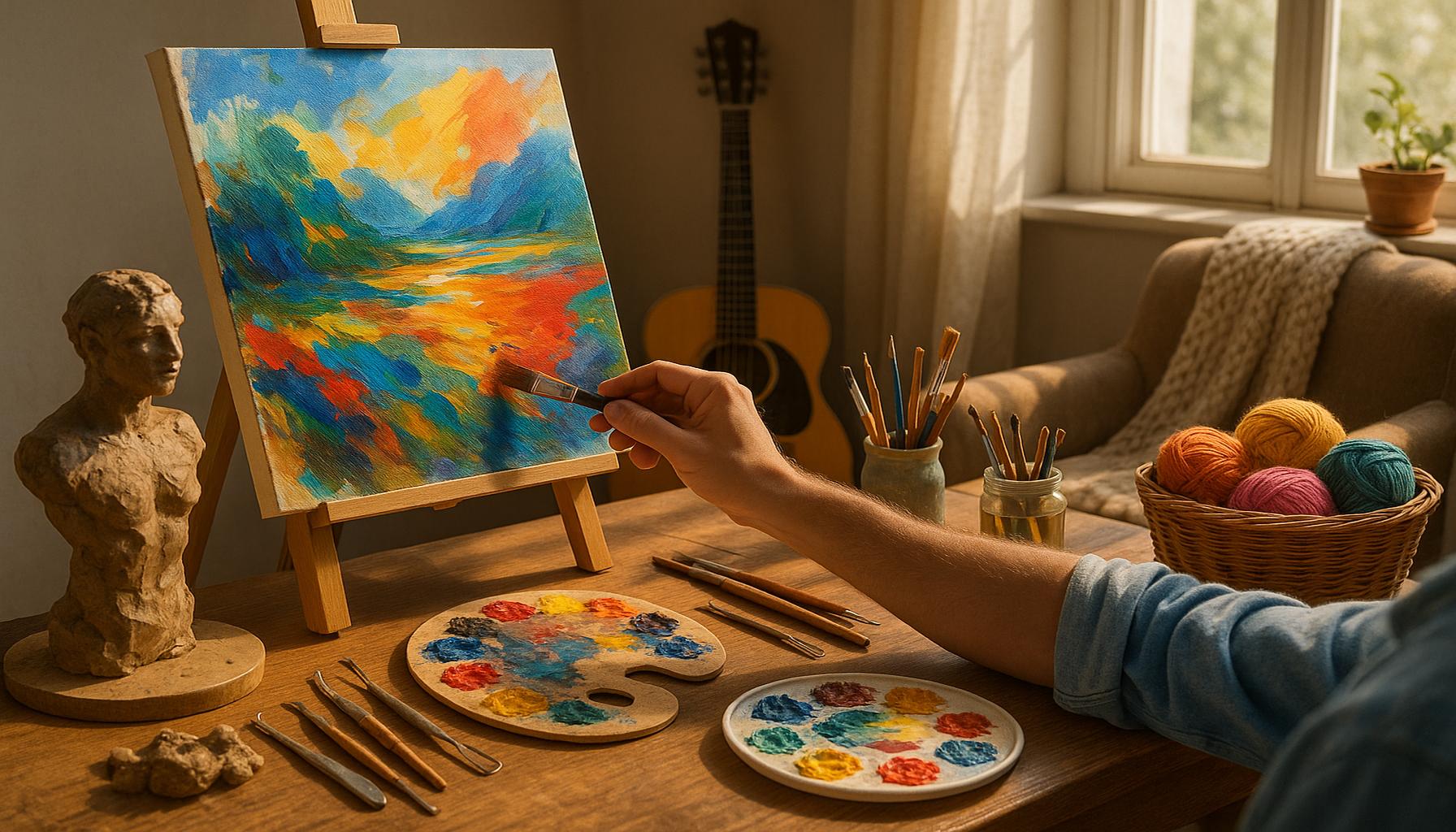
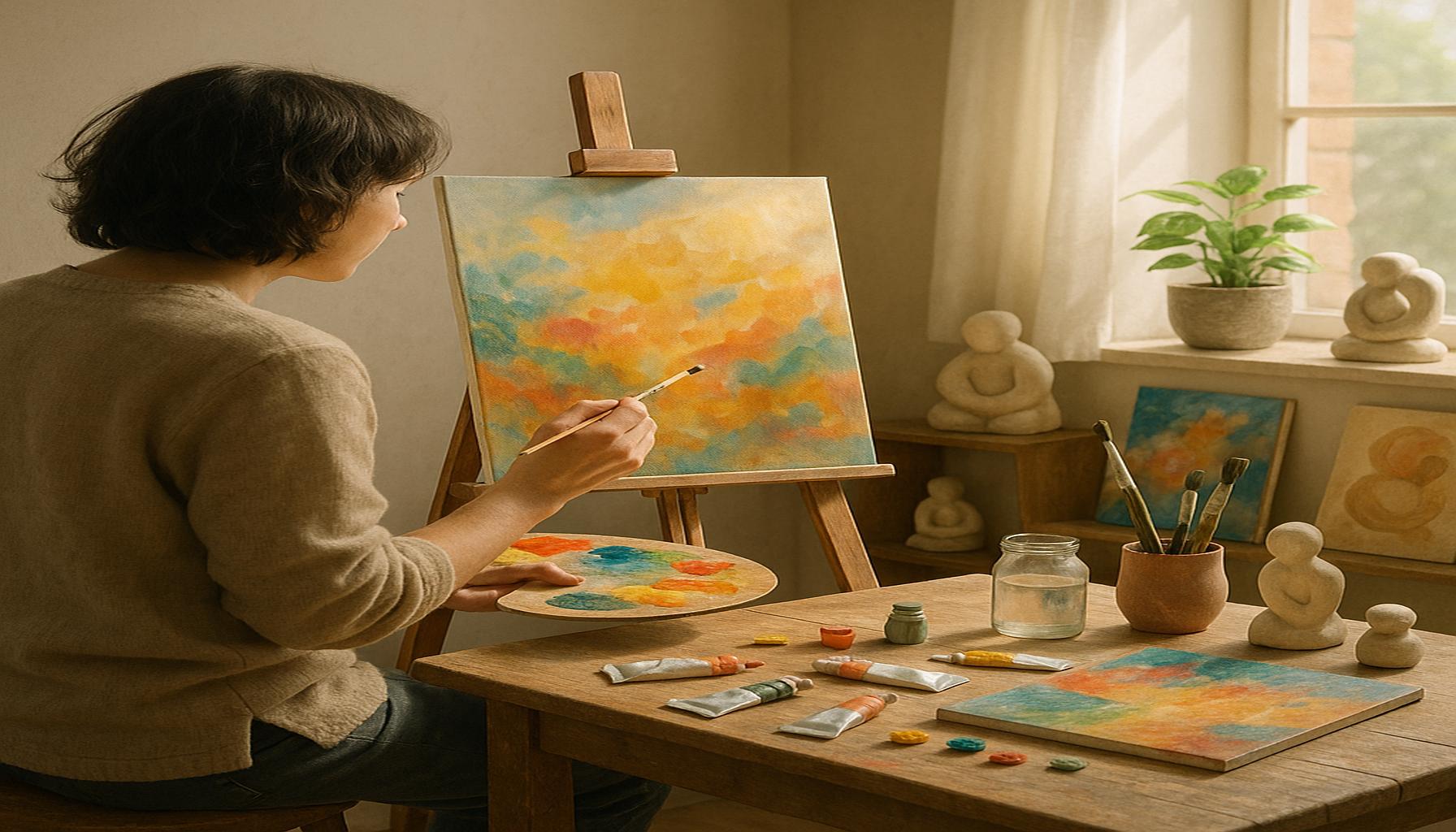
- Reduces Stress: Research indicates that engaging in a creative hobby can significantly lower cortisol levels, a hormone tightly linked to stress. For instance, immersing oneself in activities like painting or knitting can trigger a relaxation response, helping individuals unwind after a hectic day.
- Boosts Confidence: There is a distinct satisfaction that accompanies mastering a new skill, whether it’s picking up a guitar or perfecting a culinary recipe. This sense of accomplishment enhances self-esteem, as individuals witness their growth and abilities translate into tangible results.
- Enhances Social Connections: Involvement in collaborative projects, such as community theater or group painting classes, fosters the formation of new friendships. Sharing creative experiences often leads to shared goals and deepened connections, ultimately cultivating a supportive community.
- Inspires Innovative Thinking: Engaging in creative endeavors promotes an open-minded approach, encouraging problem-solving skills and adaptive thinking. The very act of thinking outside the box can lead to breakthroughs, not just in art but also in personal and professional spheres.
Whether it’s through painting landscapes, writing a short story, cultivating a vibrant garden, or performing music, the spectrum of creative activities is diverse and wide-ranging. These pursuits not only serve as enjoyable escapes but also enrich the fabric of our daily lives, offering a source of inspiration and fulfillment.
As we continue to explore the myriad ways in which creative pursuits bolster emotional resilience, it’s important to consider how you can weave these activities into your everyday routine. Simple steps, like setting aside specific time for crafting or joining a local arts group, can be instrumental in helping you tap into the joy that creativity brings.
Stay tuned for a deeper look into specific creative hobbies that can transform your life and practical tips on how to make them a regular part of your life. Embrace the potential for joy and growth that comes with letting your creativity shine.

EXPLORE: Click here to discover the evolution of digital art
Understanding the Emotional Benefits of Creative Pursuits
The relationship between creative hobbies and emotional well-being is multifaceted, revealing a tapestry woven with benefits that resonate deeply with our mental health. Engaging in creativity allows individuals to communicate feelings and thoughts that may be difficult to express through traditional means. This expressive outlet serves as a crucial mechanism for emotional release, enabling individuals to confront their inner experiences imaginatively.
For instance, research published in the journal Psychology of Aesthetics, Creativity, and the Arts highlights how individuals who engage in creative activities report elevated levels of happiness and reduced symptoms of anxiety and depression. Notably, the act of creating—whether through writing music, crafting pottery, or designing digital art—activates areas of the brain associated with pleasure and reward, which can significantly enhance overall mood.
So how can these creative hobbies specifically boost our emotional resilience? Here are four key aspects:
- Mindfulness and Presence: Engaging in creative activities encourages mindfulness, as individuals often lose themselves in the process of creation. This state of flow minimizes distractions and fosters a profound sense of presence, allowing individuals to escape the pressures of daily life.
- Individual Expression: Creative hobbies provide a unique space for personal expression, allowing individuals to articulate their emotions and experiences freely. This form of self-exploration can lead to greater self-awareness and emotional understanding.
- Empowerment Through Completion: Completing a creative project can produce a powerful sense of fulfillment. This form of achievement, whether big or small, fosters a sense of control and mastery over one’s surroundings, counteracting feelings of helplessness that often accompany workplace stress.
- Therapeutic Effects: Many people find that the repetitive motions associated with crafting, such as knitting or painting, can induce relaxation, similar to meditation. This rhythmic engagement reduces the body’s stress response, making room for tranquility and clarity of mind.
As we navigate the demands of our work-life balance, allowing creativity to seep into our routines can prove beneficial in untangling the complexities of our emotions. Whether it’s diving into an artistic endeavor or exploring a new hobby, integrating creativity can not only serve as a reprieve but also enrich our emotional landscape.
In the following sections, we will delve deeper into specific creative pursuits that can enhance emotional well-being, along with actionable strategies for incorporating these practices into your daily life. As we embark on this journey, remember: the joy of creativity is within your reach, waiting to enrich your daily existence.
Balancing Work and Pleasure: The Role of Creative Hobbies in Emotional Well-Being
Creative hobbies are vital in creating a harmonious balance between work obligations and personal joy. When individuals engage in hobbies such as painting, writing, or crafting, they often experience a significant reduction in stress levels. This is not merely anecdotal; research suggests that immersing oneself in creative activities can lead to increased dopamine production, a neurotransmitter linked to feelings of happiness and satisfaction.Moreover, hobbies provide a form of distraction and escape from the daily grind. This mental break helps combat fatigue and prevents burnout, a growing concern in today’s fast-paced work environment. As individuals transition from their professional responsibilities to creative pursuits, they typically report feeling more rejuvenated, leading to enhanced productivity in their work lives.Additionally, engaging in creative hobbies fosters a sense of accomplishment and achievement. Whether it’s completing a painting or finishing a novel, the resulting sense of pride can significantly boost self-esteem. Furthermore, these activities often allow for personal expression, creating a connection to one’s inner self that is crucial for overall mental health. This aspect of creativity is particularly therapeutic, as it encourages individuals to explore and articulate their emotions through various mediums.Incorporating creative hobbies into one’s daily routine also provides invaluable opportunities for social interaction. Joining local clubs or online communities related to specific interests allows individuals to connect with like-minded people, establishing friendships that enhance their overall happiness. This social component can lead to higher levels of emotional support, a key factor in effectively managing stress and anxiety.
Advantages of Creative Hobbies in Emotional Well-Being
| Category | Description |
|---|---|
| Stress Relief | Creative hobbies provide a mental break, significantly lowering stress levels. |
| Enhanced Productivity | Engaging in hobbies rejuvenates the mind, leading to higher efficiency in work tasks. |
| Social Interaction | Hobbies encourage connections with others, providing emotional support and enhancing happiness. |
The positive effects of creative hobbies extend beyond personal fulfillment into the professional sphere, creating a well-rounded life where work and pleasure coexist harmoniously. If you’re seeking to enhance your emotional well-being, consider exploring a creative pursuit that resonates with you.
DISCOVER MORE: Click here to dive deeper
Navigating the Intersection of Creativity and Productivity
The quest for emotional well-being is often challenged by the incessant demands of modern life, particularly for professionals grappling with the pressures of work. Creative hobbies can serve as a powerful antidote, not only providing an escape but also fostering productive growth. Ultimately, finding a harmony between creativity and productivity is essential for nurturing one’s mental health.
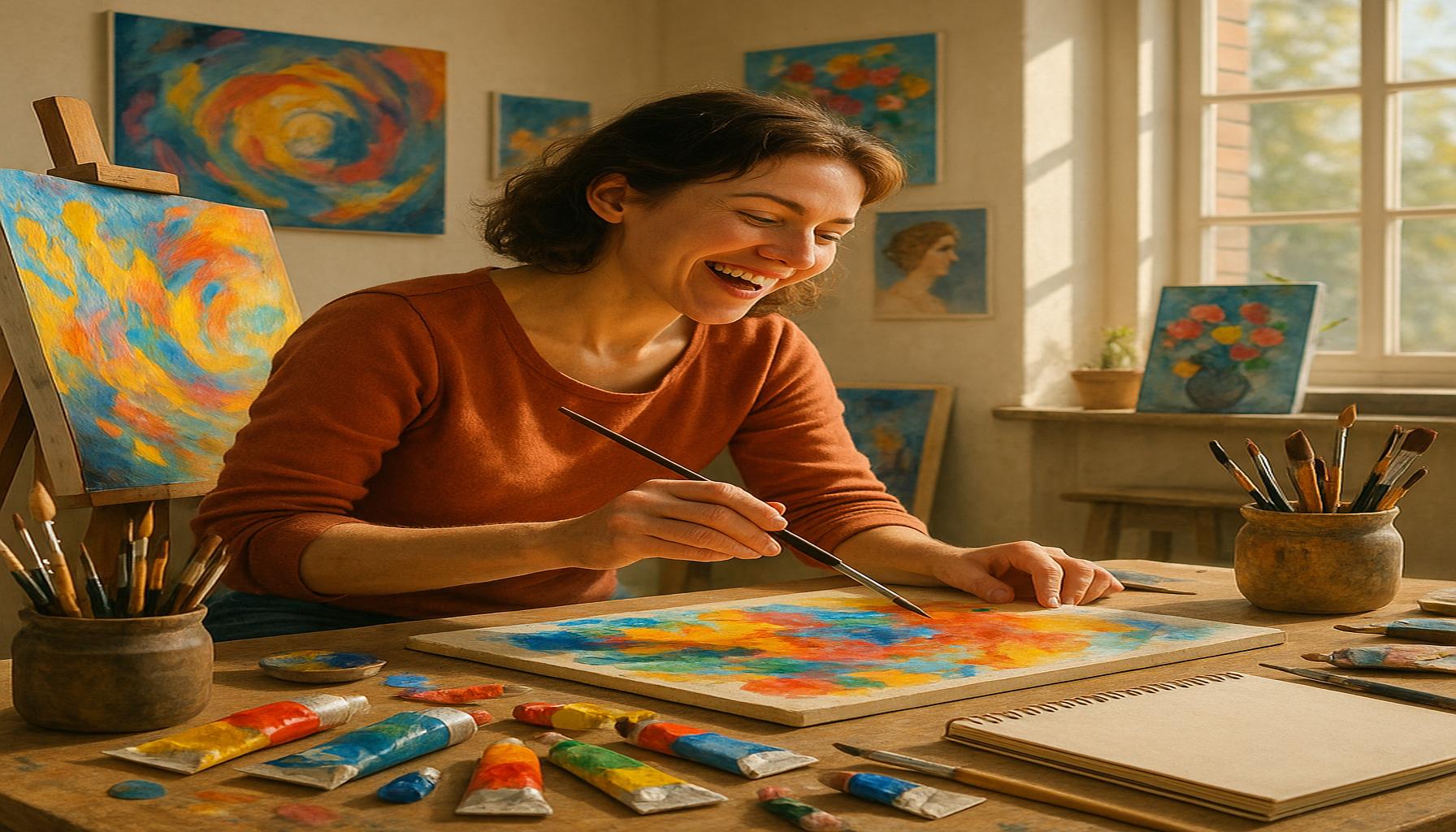
One way creative hobbies bolster emotional wellness is through the cultivation of social connections. Group activities like painting classes, pottery workshops, or writers’ circles enable participants to share their experiences and build meaningful relationships. According to research from the American Psychological Association, strong social support can enhance resilience against stress and promote overall emotional health. Collaborative projects foster camaraderie and create a sense of belonging—an essential ingredient in navigating life’s ups and downs.
Moreover, science supports the idea that creative hobbies can serve as a buffer against workplace burnout. A study published in the Journal of Occupational Health Psychology found that individuals who engaged in creative activities outside of work reported lower levels of exhaustion and higher engagement during work hours. This is likely because creativity sparks innovation and inspiration—two aspects that can rekindle passion in one’s professional life. As employees reconnect with their artistic side, they often take this newfound enthusiasm back to their jobs, enhancing their overall performance.
Incorporating creative hobbies doesn’t have to be a monumental time investment. For busy individuals, even short, regular bursts of creativity can be impactful. Consider experimenting with micro-hobbies, such as doodling during breaks, taking quick photography walks, or writing daily haikus. These small doses allow for creative expression without the pressure of commitment, providing a much-needed escape and decreasing feelings of anxiety. In fact, the act of setting aside time for these brief endeavors can instill a sense of accomplishment and renewed vigor, contributing positively to one’s emotional landscape.
Furthermore, technology has revolutionized how we explore creativity, presenting tools and platforms that help facilitate various hobbies. Online tutorials and social media communities allow individuals to learn new skills at their own pace and seek inspiration from others. The accessibility of platforms such as YouTube or TikTok has democratized learning, allowing individuals to delve into anything from woodworking to digital painting. This instant gratification in exploring new aspects of creativity can lead to a heightened sense of emotional satisfaction.
Engaging in creative pursuits not only provides comfort but also encourages resilience by allowing individuals to adapt to change. According to a study published in the Creativity Research Journal, exposure to creative experiences encourages cognitive flexibility—a vital component in coping with transitions. The creative process often involves navigating uncertainties, which can thus strengthen problem-solving skills and encourage a more inventive mindset in both personal and professional contexts.
As we continue to explore the myriad benefits of creative hobbies, it’s evident that these pursuits play a crucial role in enhancing emotional well-being. By integrating creativity into our daily routines, we can find balance amidst life’s chaos while enriching our mental landscape.
DISCOVER MORE: Click here to dive deeper
Harnessing Creativity for Emotional Wellness
In the whirlwind of today’s fast-paced lifestyle, striking a balance between work and leisure is more important than ever. Engaging in creative hobbies is not merely a pastime; it is a powerful means to improve emotional well-being. From fostering social bonds to mitigating the risk of burnout, creative pursuits can enhance our resilience in facing daily challenges.
The benefits of these activities extend beyond mere enjoyment. They fulfill intrinsic psychological needs, such as the desire for mastery and connection, ultimately leading to greater life satisfaction. As evidenced by various studies, a commitment to creativity can invigorate professional life, prompting individuals to approach their responsibilities with renewed passion and innovation.
Moreover, the emergence of technology has simplified the journey into creativity, providing accessible tools and platforms that can inspire novelties in our hobbies. Whether it’s through online classes or social media groups, individuals can find a community and explore diverse interests at their own pace. These interactions not only enhance well-being but also cultivate a culture of shared knowledge and empathy, reinforcing the social fabric needed during turbulent times.
In conclusion, embracing creative hobbies is a strategic choice for anyone seeking balance and fulfillment. By carving out time for artistic expression amidst the daily grind, individuals can rediscover joy, resourcefulness, and a deeper understanding of themselves and others. It’s an ongoing journey—one that continues to evolve with every brush stroke, musical note, or written word—ultimately paving the way to a more enriched and emotionally-balanced life.