Art and Sustainability: How Creative Expression Can Promote Environmental Awareness
The Role of Artistic Expression in Environmental Advocacy
Throughout history, art has been a catalyst for communication and societal change. In contemporary society, artists around the globe have harnessed their creativity to grapple with pressing global challenges, particularly those concerning sustainability. Now more than ever, the nexus between creativity and environmentalism is vital, as art becomes a medium through which powerful environmental messages resonate.
One notable way that artists contribute to environmentalism is through public art installations. These large-scale projects, ranging from murals to massive sculptures, often utilize recycled materials to create visually striking works that highlight issues such as waste management and pollution. For instance, the renowned artist Chris Jordan has created large photographic works that quantify the debris resulting from consumer waste, serving as visual commentary on the consequences of our lifestyle choices. His piece, “Midway: Message from the Gyre,” vividly illustrates the effects of plastic pollution on wildlife, encouraging people to think critically about their consumption habits.
Performance art also plays a significant role in environmental advocacy. Artists like Marina Abramović and companies such as Theatrical Outfit have produced performances aimed at illustrating the drastic consequences of climate change, often leaving audiences both engaged and contemplative. These performances can evoke a deep emotional response, making the issues surrounding climate change more relatable and pressing. For example, environmental theater projects often feature stories that reflect on the delicate balance of ecosystems, enthralling viewers while delivering poignant messages about preservation.
Additionally, digital art has transformed the landscape of environmental activism. Innovative digital campaigns leverage trends on social media platforms to spread awareness about ecological issues rapidly and effectively. Artists create compelling graphics and animations that delve into topics like renewable energy or biodiversity, making these crucial issues accessible and engaging to younger audiences. A recent campaign, #EarthOverHeaven, united graphic artists globally to create awareness-raising content regarding climate change, highlighting diverse approaches to sustainability.
In the United States, movements such as Earth Day and Art for the Earth demonstrate how artistic initiatives can mobilize public interest in sustainability. These events not only celebrate the planet but also provide a platform for artists to express their concerns and inspire collective action against environmental degradation. When creativity aligns with environmental activism, it fosters not only enlightenment but also an impetus for people to adopt more sustainable practices.

This exploration into the intersection of creativity and environmentalism reveals how art serves as more than just decoration; it acts as a powerful tool for change, sparking conversations about stewardship and responsibility. As we delve into this realm, we will highlight noteworthy artists and initiatives making waves, further showcasing the transformative power of art in promoting sustainability and encouraging a greener future.
DIVE DEEPER: Click here to discover the link between cooking and critical thinking
Creative Solutions through Artistic Mediums
In a world increasingly threatened by environmental crises, artists are stepping forward not just to witness but to transform the dialogue surrounding sustainability. By utilizing various artistic mediums, they engage audiences in conversations about ecological responsibility, offering innovative perspectives on complex issues. From traditional painting to modern mixed media, art acts as a bridge connecting people to the natural world in profound ways.
Visual Art: A Lens on Environmental Issues
Visual art has a unique ability to distill intricate ideas into digestible images. Artists often turn to the natural landscape as both inspiration and subject matter, capturing the delicate interplay of natural elements while raising awareness of environmental degradation. Artists such as Olafur Eliasson, known for his immersive installations, use materials such as light, water, and air to create experiences that engage participants with themes of climate change and the beauty of our planet. His work, “Ice Watch,” featured blocks of ice harvested from Greenland, placed around public spaces to evoke discussions about melting glaciers and global warming.
Moreover, the technique of incorporating found objects into artworks serves not only as an artistic statement but as an environmental one. Many artists, like Andy Goldsworthy, use natural materials to craft temporary installations that decay and blend back into the environment, prompting reflection on natural cycles and human impact. This fusion of art and nature serves as a stark reminder of what is at stake if we continue on our current path.
Artistic Initiatives Promoting Community Engagement
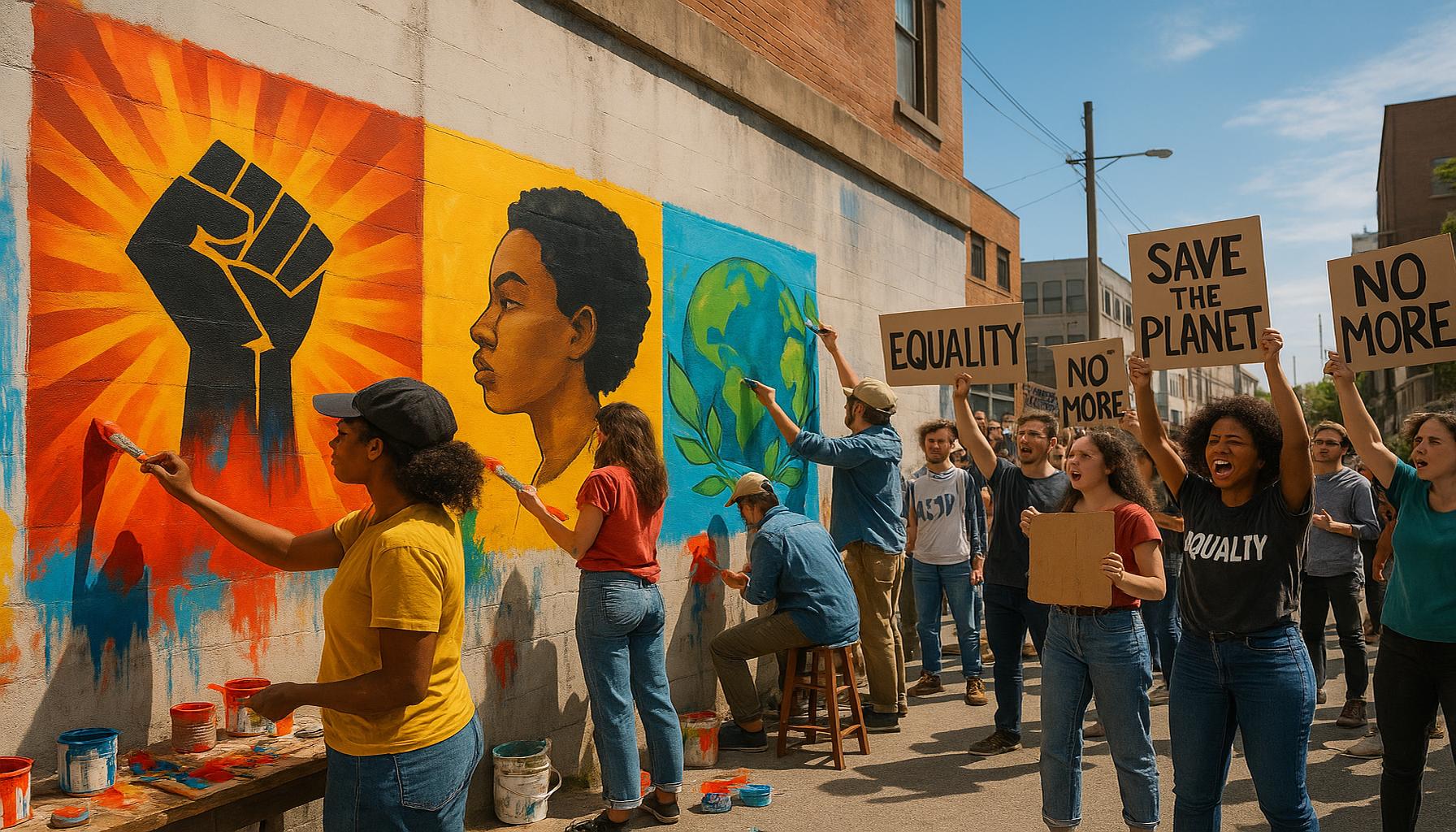
Art also plays a significant role in fostering community engagement around sustainability. Initiatives such as community murals and public installations provide platforms for local artists to convey their messages about environmental stewardship. These collaborative projects often invite participation from community members, reinforcing the notion that sustainability is a shared responsibility. Below are some notable examples of such initiatives:
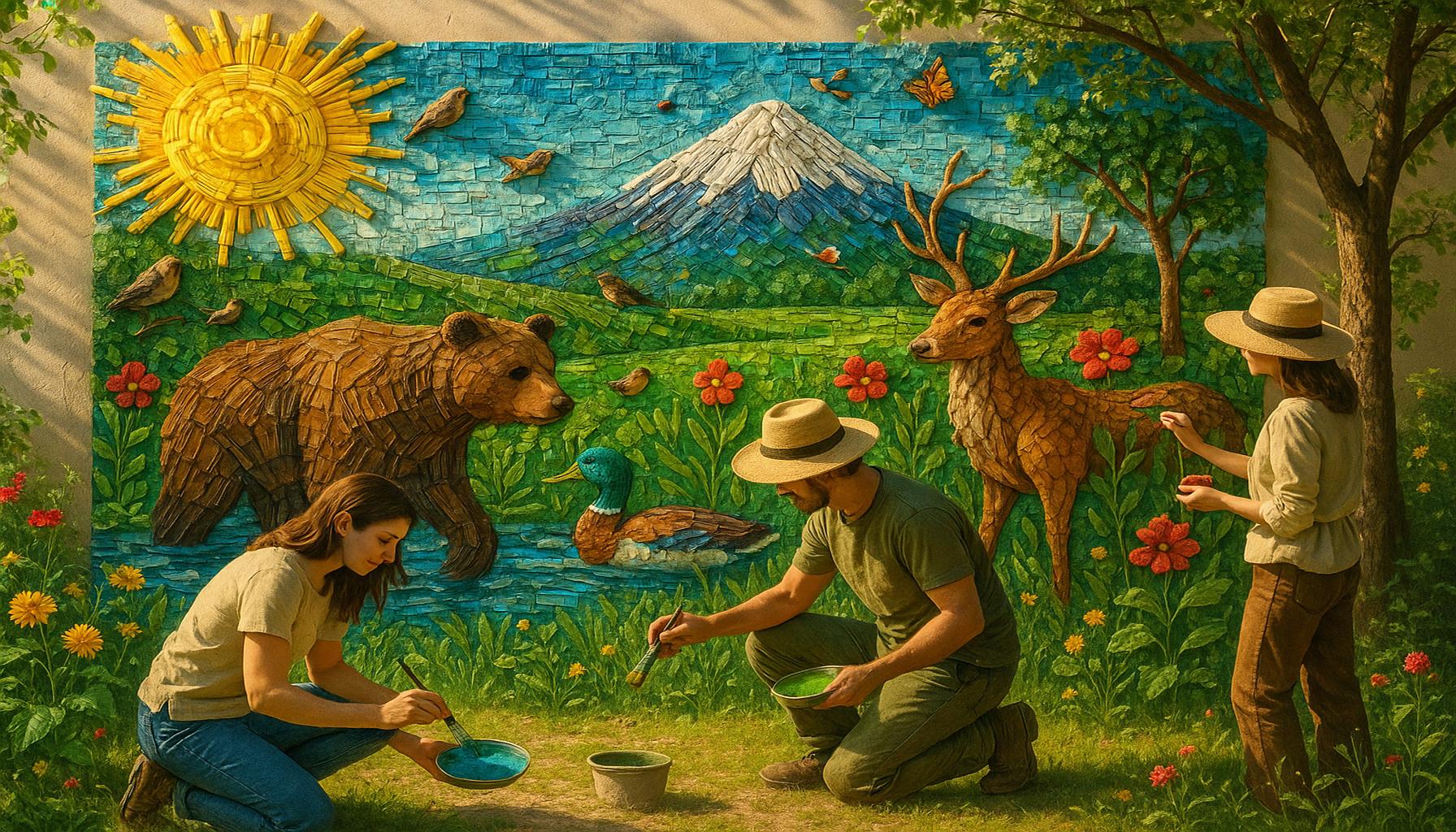
- The Mural Project: This initiative engages various communities in creating large-scale murals depicting local ecosystems and wildlife, generating discussions about biodiversity and conservation.
- Water Street Art Festival: This festival in Michigan attracts artists to create temporary installations focused on water conservation, ultimately raising awareness of local water issues.
- Art in Public Places: Many urban areas feature sculptures and installations that educate the public about sustainability practices, encouraging behavioral changes through artistic expression.
By immersing audiences in the art-making process, these initiatives amplify the connection between individual actions and collective environmental impact. They instill a sense of ownership in participants, fostering a community identity that prioritizes sustainability.
As we explore further, it becomes clear that the integration of art and environmental advocacy is not merely a trend but a necessary shift towards a more sustainable future. Through creative expression, artists are not only documenting the state of our planet but actively inspiring others to join the movement for change.
Art as a Vehicle for Environmental Advocacy
Art serves not only as a compelling form of creative expression but also plays a critical role in promoting environmental awareness. Through various artistic mediums—be it visual arts, performance, or literature—artists have the ability to communicate messages about sustainability in profound and impactful ways. Creative works can engage audiences emotionally, compelling them to reflect on pressing environmental issues such as climate change, pollution, and biodiversity loss. One fascinating example is the use of large-scale installations made from recycled materials, which not only beautify public spaces but also serve as direct commentary on consumerism and waste. These artworks can spark conversations and drive community action, encouraging individuals to rethink their consumption habits and the impacts of their choices on the planet. Similarly, murals depicting local wildlife can instill a sense of pride and responsibility for one’s environment, leading to greater public support for conservation efforts.Moreover, art education initiatives can empower young individuals to express their thoughts and feelings about the environment creatively. Programs that integrate sustainability into their curriculum allow students to explore ecological topics while developing their artistic skills. Such an approach nurtures environmentally conscious future generations who may use their talents to foster change.To better understand the intersection of art and environmental sustainability, it’s essential to explore the projects that highlight successful collaboration between artists, scientists, and communities. By bridging these realms, we can cultivate a culture of awareness and appreciation for our fragile ecosystem.
| Advantage | Impact |
|---|---|
| Engagement | Art captivates audiences, making complex environmental issues relatable and understandable. |
| Awareness | Visual arts create powerful visuals that raise consciousness about sustainability and ecological concerns. |
DIVE DEEPER: Click here to uncover the connection
Experiential Art: Engaging the Senses for Change
Experiential art takes the connection between art and sustainability to the next level by immersing participants in interactive experiences that challenge their perceptions and provoke thought. This genre includes art installations, performances, and participatory projects that encourage hands-on engagement with environmental themes. One prominent example is Environmental Theater, which combines the performing arts with immersive storytelling to address pressing ecological issues. Productions like “The Windup” use participatory storytelling to imagine a future shaped by climate change, inviting audiences to explore potential outcomes while actively engaging in dialogue about what can be done today.
Public Art as a Catalyst for Change
Public art installations serve as powerful visual statements that can evoke immediate emotional responses. The impact of these artworks goes beyond aesthetic appeal; they create a platform for ongoing conversations about sustainability. One striking instance is the work of the Baltimore-based artist Mary Johnston, who created a series of murals featuring urban wildlife. By showcasing local species, she not only beautifies neighborhoods but also educates the public about the importance of biodiversity and habitat protection within urban settings.
Additionally, large-scale installations like “The Ocean Cleanup” project harness art and engineering to actively address pollution. Designed by Boyan Slat, this initiative is visually striking and serves a practical purpose. The floating barriers collect plastic debris in the ocean, prompting viewers to consider their role in pollution and encouraging a collective commitment to cleaner waterways. Such projects inspire organizations and communities to work together in innovative ways, highlighting how art can stimulate grassroots movements for environmental preservation.
Art as a Medium for Advocacy
Art also serves as a conduit for advocacy, providing a voice to environmental movements that aim to raise awareness and influence policy decisions. Artists can create works that critique corporate practices, government policies, or social systems that hinder progress toward sustainability. The “People’s Climate March” has seen artists mobilize through visual art, music, and performance, creating a multifaceted demonstration advocating for climate justice. Their creative efforts highlight the urgency of the climate crisis while bringing together a diverse coalition of advocates, artists, and activists.
Moreover, digital art and social media have expanded the reach of these advocacy efforts. Platforms such as Instagram allow artists to share their environmentally-focused creations globally, amplifying their messages to audiences that might not typically engage with environmental issues. Hashtags like #ArtForClimate and #EcoArt connect like-minded individuals, fostering a sense of solidarity among creators and emphasizing the collective responsibility of addressing our planet’s challenges.
Education through Art: Fostering Future Generations
Art education plays a crucial role in embedding sustainability into the consciousness of future generations. Integrating environmental themes into art curricula creates opportunities for young artists to explore their relationship with nature while developing their creative skills. Schools and organizations are increasingly creating programs where students engage in projects that examine local eco-systems or participate in art installations that communicate their environmental values.
One notable example is the EcoArt Lab, which invites students to use recycled materials to create art installations that embody concepts of sustainability. This hands-on approach not only cultivates artistic talent but also fosters a deep understanding of environmental issues, encouraging students to become environmental stewards as they express their creativity.
As these examples illustrate, the intersection of art and sustainability offers a dynamic landscape ripe with possibilities for advocacy, education, and community engagement. The power of creative expression to promote environmental awareness is not just an abstract concept; it manifests in tangible actions that inspire change across various sectors of society.
DIVE DEEPER: Click here to discover the psychological benefits of creative hobbies
Conclusion: The Transformative Power of Art in Fostering Sustainability
In conclusion, the relationship between art and sustainability is not merely a passing trend, but a profound and necessary synergy that has the potential to shape our collective future. Through various forms of creative expression—from immersive installations and public art to advocacy and educational programs—artists are breaking down barriers and fostering conversations about environmental issues that affect us all. By engaging the public in thoughtful dialogue and critical reflection, art catalyzes emotional connections to our environment, urging individuals to take action.
As highlighted throughout this article, projects like the Ocean Cleanup and community-driven murals by artists such as Mary Johnston serve as pivotal reminders of the role art can play in environmental education and activism. Whether it’s through the tantalizing visual provocations or participatory experiences, art acts as a mirror reflecting the state of our planet while igniting a shared responsibility for its preservation.
Moreover, as younger generations gain access to eco-conscious art education, they become empowered to envision and create sustainable futures. Integrating environmental themes into artistic practices ensures that awareness transcends generations and fosters a culture grounded in respect for nature. Ultimately, the artistic landscape is rich with opportunities to promote sustainability, paving paths toward more resilient communities and a cleaner planet.
As we look ahead, it is crucial that we champion the role of art as a transformative force in promoting environmental awareness, not just as a creative endeavor but as an essential component of our global movement toward sustainability. The art created today could shape not only our present understanding of ecological challenges but also the world we wish to inhabit tomorrow.