The Connection Between Creative Hobbies and Self-Esteem: Cultivating Confidence Through Personal Expression
The Transformative Power of Creative Pursuits
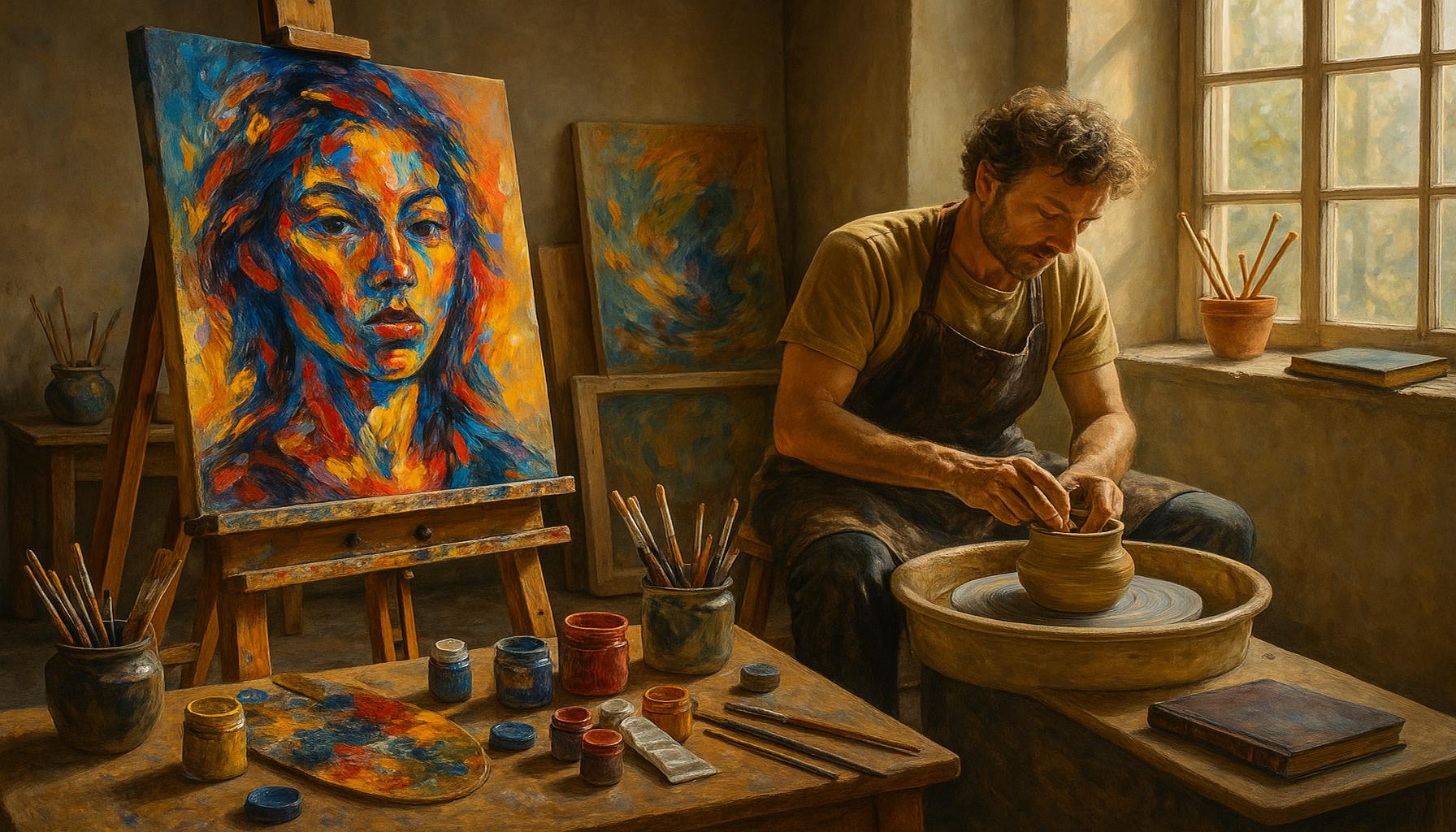
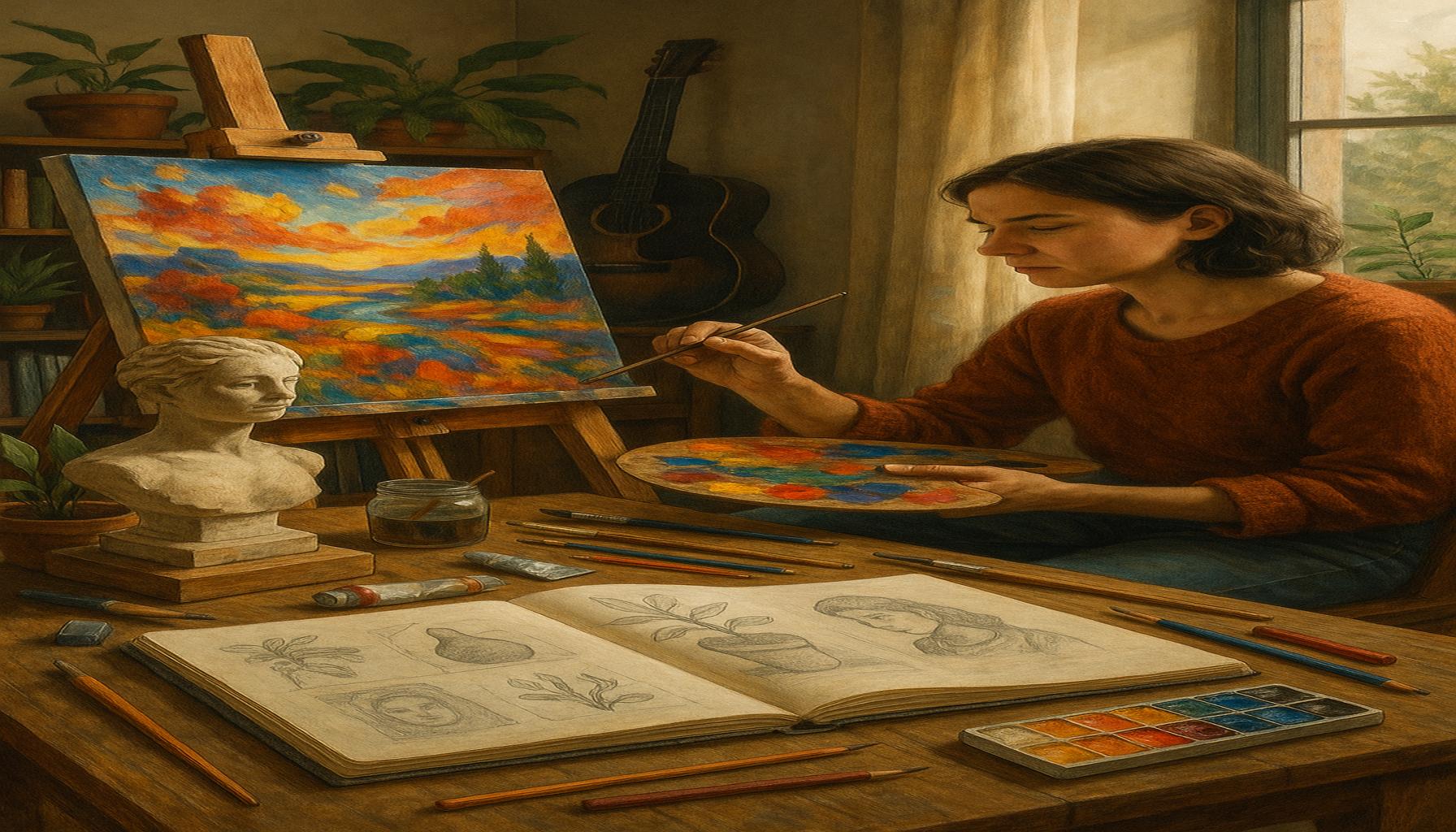
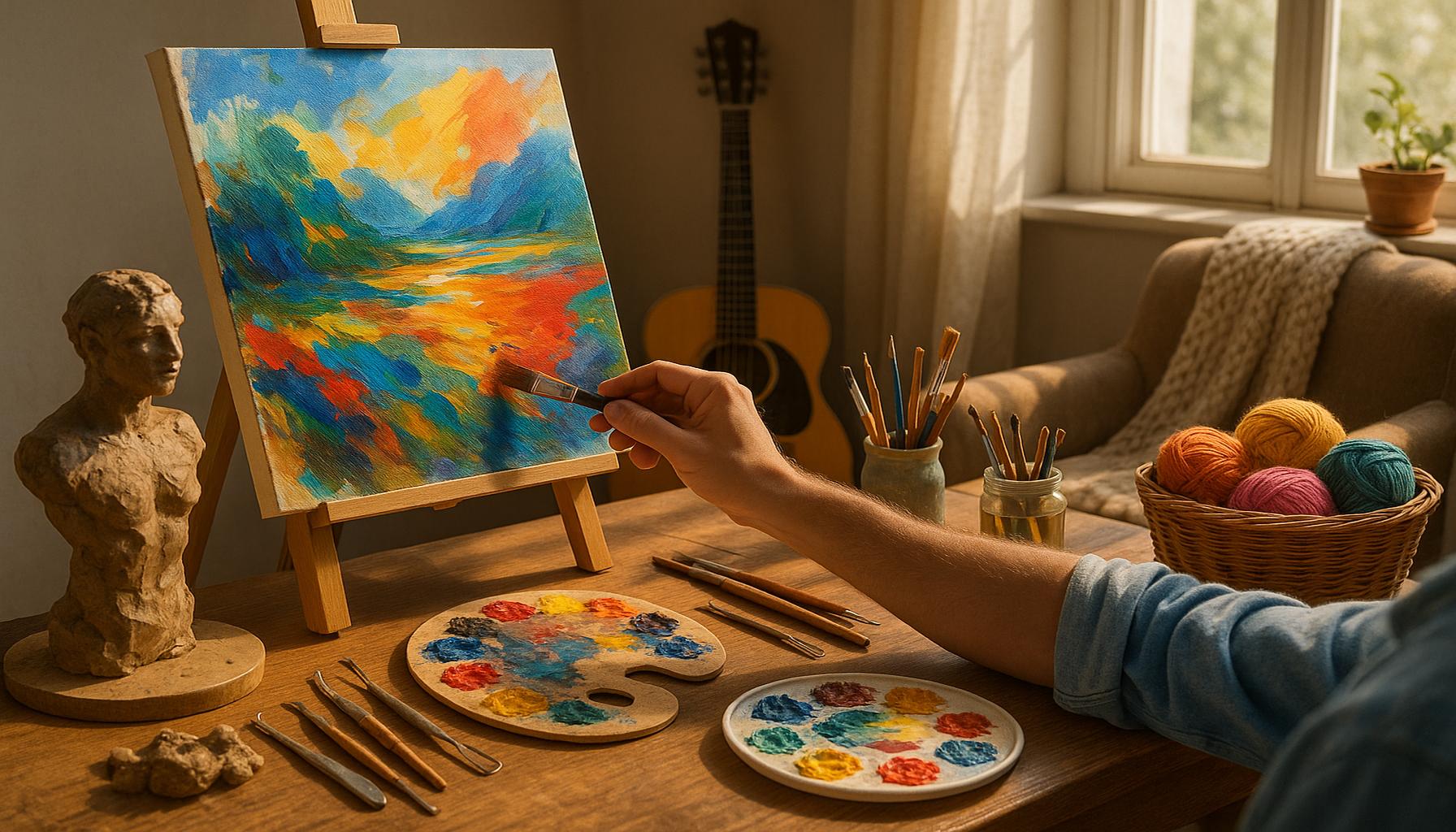
In an era characterized by overwhelming stimuli and relentless demands, fostering a robust sense of self-esteem can often feel daunting. Many individuals, however, have discovered a sanctuary in creative hobbies. These activities not only serve as avenues for personal expression but also significantly enhance the sense of self-worth and purpose.
Engaging in creative endeavors has been supported by research, which highlights several profound benefits. For example:
- Skill Development: Mastering a new craft, whether it’s pottery, photography, or digital illustration, can yield a strong sense of accomplishment. Learning new techniques and witnessing improvement can bolster self-confidence, as evidenced by various studies showing that skill acquisition is linked to increased self-esteem.
- Emotional Outlet: Creative activities act as a safe haven for expressing feelings and thoughts. Writing poetry, journaling, or composing music allows individuals to process emotions, providing a therapeutic release that can improve mental well-being.
- Social Connections: Being part of creative communities, such as local art classes or online writing groups, fosters interaction and connection. These groups not only promote shared experiences but also celebrate individual achievements, further enhancing confidence among members.
For many, creative hobbies such as painting, writing, or dancing represent more than just pastimes; they become essential tools for personal growth. Engaging in these artistic endeavors can encourage individuals to push their boundaries, unearth hidden talents, and build resilience in the face of challenges.
A fascinating example is found in community art programs across the United States. These initiatives often aim to bring people together, providing a platform for artistic expression while simultaneously nurturing a sense of belonging. Many participants have reported experiencing increased self-confidence as a direct result of their involvement in such programs, showcasing the potential for personal transformation through creativity.
As we explore the intricate relationship between creative hobbies and self-esteem, it becomes evident that inherent within each individual is the capacity to cultivate lasting confidence. By prioritizing personal expression and embracing creative opportunities, anyone can unlock their creative potential, leading to more enriching and fulfilling lives. The journey of self-discovery through creativity not only empowers individuals but enriches communities as a whole, creating a ripple effect of positivity and confidence. Ultimately, the more we engage with our creativity, the more we can elevate our sense of self and inspire those around us.
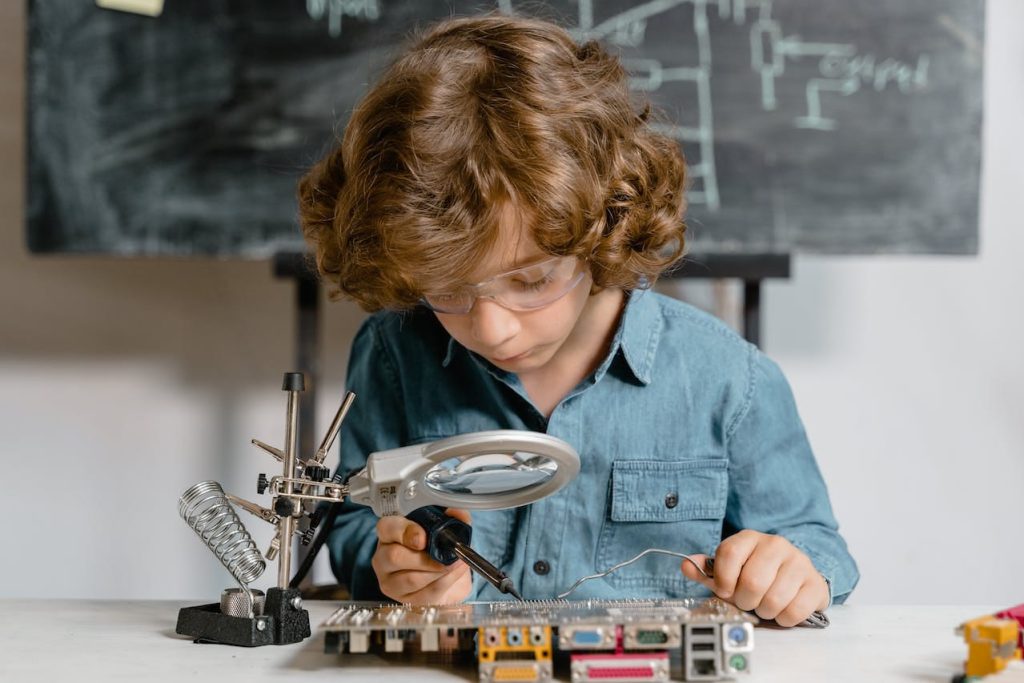
DISCOVER: Click here to learn how creativity can bring your family closer
Unleashing Creativity: A Pathway to Enhanced Self-Esteem
The symbiotic relationship between creative hobbies and self-esteem has garnered attention in both psychological studies and everyday experiences. In particular, the act of creating allows individuals to express their inner thoughts and emotions in ways that words alone may fail to convey. This form of personal expression can lead to remarkable transformations in self-perception and confidence. When individuals take the time to engage in crafts, arts, writing, or music, they embark on a journey toward self-empowerment.
One of the notable aspects of engaging in creative activities is the sense of mastery that comes with learning and honing new skills. When someone picks up a paintbrush or a musical instrument for the first time, the initial challenges can be daunting. However, with each stroke of the brush or the strum of a chord, progress is made. This journey from novice to adept often results in a tremendous boost in self-esteem. A well-documented psychological phenomenon, known as the “mastery experience,” suggests that accomplishing tasks—especially those outside one’s comfort zone—contributes positively to an individual’s self-worth.
Here are some key ways in which creative hobbies can enhance self-esteem:
- Expression of Individuality: Creative activities allow individuals to showcase their unique styles, thoughts, and feelings. Whether through art, writing, or music, personal expression is an affirmation of one’s identity.
- Stress Relief: Engaging in creativity is a form of mindfulness that can reduce stress and anxiety. The mental focus required during creative endeavors can help individuals escape their worries, promoting a more positive self-image.
- Achievement and Recognition: Completing a creative project, regardless of the scale, can provide a significant sense of accomplishment. Sharing this work with others, and receiving positive feedback, helps reinforce the notion that one’s efforts matter.
Moreover, participating in creative activities often leads individuals to form connections with like-minded people. Social interaction, be it in a painting class, a book club, or a local theater group, can cultivate a profound sense of belonging. When individuals feel accepted and valued in their creative communities, their self-esteem is further fortified.
As we delve deeper into the dynamic connection between creative expression and self-esteem, it’s essential to recognize that the creative process is as meaningful as the end result. Along the way, individuals not only develop skills but also build resilience that transcends creative disciplines. This exploration of creativity proves that tapping into our artistic potential can serve as a foundation for a confident and fulfilled life.
The relationship between creative hobbies and self-esteem is multifaceted and profound. Engaging in various forms of creative expression not only allows individuals to explore their talents but also significantly contributes to their overall emotional health. When individuals partake in activities like painting, writing, crafting, or playing musical instruments, they often experience a sense of achievement that bolsters their confidence. Research indicates that completing creative projects can trigger a meaningful release of dopamine, reinforcing a positive feedback loop that fuels further artistic endeavors.
Moreover, sharing one’s creative work with others can foster a sense of belonging and community. Whether through art exhibits, open mic nights, or online platforms, artists and creators find validation from peers and audiences alike, enhancing their sense of self-worth. This social interaction is crucial; it highlights the importance of connection and support in nurturing confidence. Creative hobbies also serve as a platform for personal expression, allowing individuals to convey their emotions and thoughts in ways that may be difficult to articulate otherwise.
In addition, engaging in creative pursuits encourages a mind-body connection that is essential for psychological well-being. Activities such as dance or pottery combine physical movement with artistic expression, promoting relaxation and reducing feelings of anxiety. With every brushstroke or note played, individuals cultivate resilience and a growth mindset, essential traits for overcoming life’s challenges.
As we delve deeper into the connection between creative hobbies and self-esteem, it is vital to recognize the role of persistence. Embracing the learning process—with all its ups and downs—ultimately builds character and fortifies self-esteem. This journey of personal expression not only allows for creative freedom but also paves the way towards greater confidence in oneself. Each creative endeavor becomes an exploration that molds our identity, reflecting our unique perspectives and abilities.
| Advantage | Details |
|---|---|
| Enhanced Emotional Release | Creative hobbies provide a safe outlet for expressing and processing emotions, which contributes to better mental health. |
| Boosted Self-Confidence | Creating and completing projects instills a sense of accomplishment that enhances overall self-esteem. |
Understanding these various benefits can inspire individuals to pursue creative hobbies actively, not just for leisure but as a strategic means of cultivating their own self-esteem and enhancing their life experience. As the link between creativity and confidence unfolds, it opens new avenues for personal growth and self-discovery.
DISCOVER MORE: Click here to learn how music can ease your mind
Nurturing Community and Collaboration through Creative Pursuits
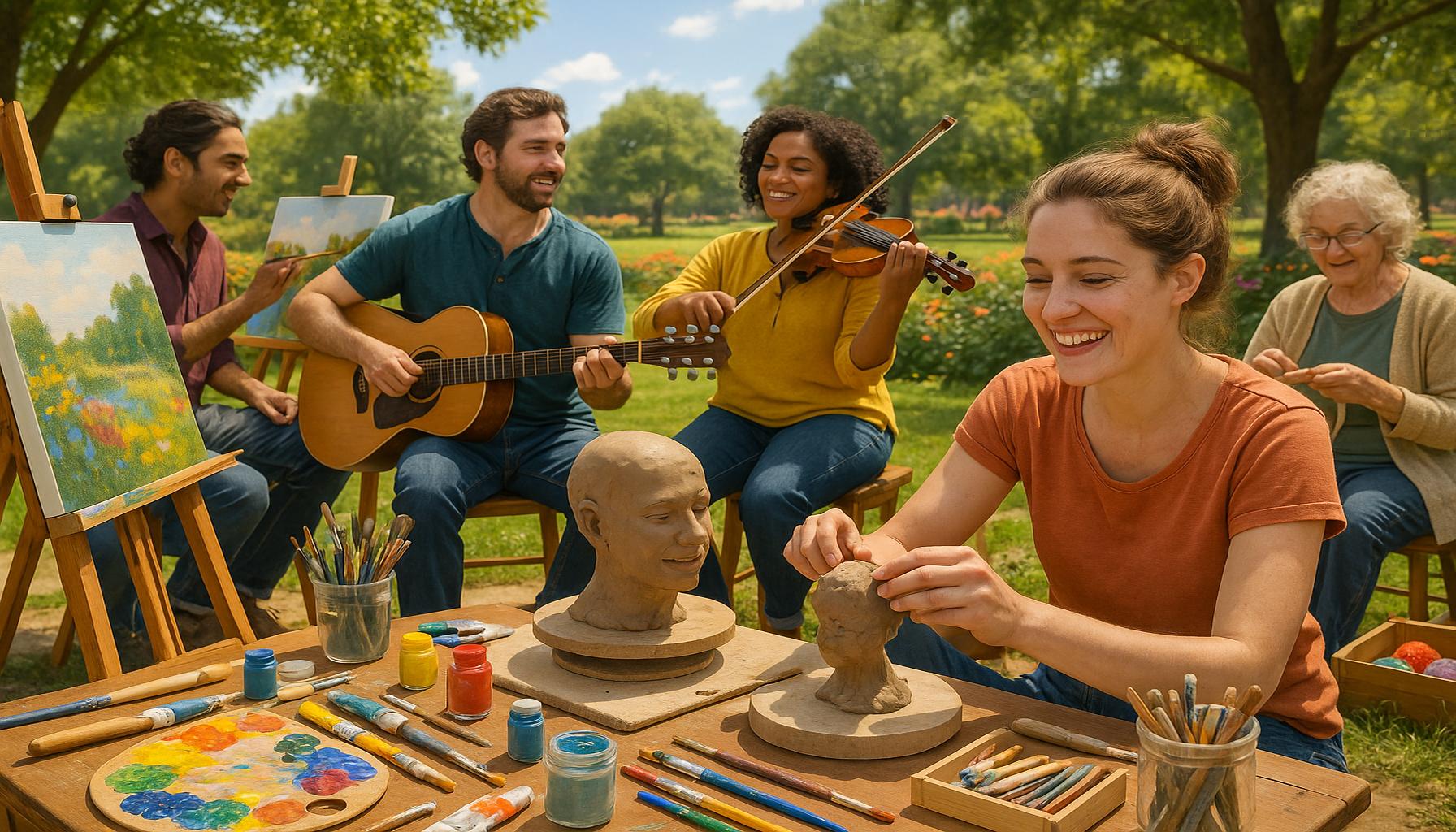
Beyond the immediate benefits of self-exploration and skill development, creative hobbies often act as bridges to community formation and collaborative efforts. Participating in group activities—whether through art classes, musical ensembles, or writing workshops—can significantly strengthen one’s self-esteem by fostering connections with others who share similar passions. The simple act of engaging with others in the creative process builds camaraderie, provides emotional support, and enhances the sense of belonging.
Research suggests that social connection plays a critical role in mental health and self-perception. In the United States, initiatives like community art projects and local makerspaces have gained traction, highlighting the growing recognition of the importance of creativity in forging connections. These hubs allow individuals to come together, share ideas, and collaboratively work on artistic expressions, which can lead to reinforced self-esteem as individuals gain affirmation from their peers.
- Sharing Personal Narratives: In a world where personal stories often go unheard, creative hobbies provide a platform for individuals to share their narratives, fostering a deeper understanding of one another. For example, storytelling workshops encourage participants to articulate their experiences, thereby validating their feelings and perspectives. The act of sharing not only increases self-esteem but also builds empathy among community members.
- Encouragement and Constructive Feedback: Creative settings open avenues for constructive criticism and encouragement. Receiving feedback from fellow creatives can help individuals see their work from different angles, enhancing their growth as artists and boosting confidence. This collaborative spirit is pivotal in developing resilience and a positive self-image.
- Building a Supportive Network: Engaging in creative hobbies often leads to nurturing friendships that extend beyond the activity itself. For instance, a local pottery class may evolve into a support group where members celebrate each other’s successes and navigate personal challenges together, creating a safe space that bolsters self-worth.
Moreover, the collaborative aspect of creative hobbies taps into the profound human need for connection. As studies indicate, this social interaction can be especially beneficial for individuals struggling with self-esteem issues. When people collaborate on creative projects, they learn to communicate effectively, trust others, and express vulnerability in a safe environment, all of which can significantly drive personal growth.
Furthermore, fostering creativity within educational settings has emerged as a crucial strategy for enhancing self-esteem among young people. Schools across the nation increasingly prioritize arts education, understanding that creative outlets not only enhance academic performance but also cultivate core life skills. For instance, students who engage in theater not only learn the craft but also gain confidence in public speaking and self-presentation, skills that serve them well beyond the classroom.
Additionally, creativity in the workplace has shown to enhance employee self-esteem and overall job satisfaction. Companies that implement creative activities, such as brainstorming sessions or team-building retreats centered around art or music, often experience a boost in employee morale and camaraderie. This underscores the importance of creativity not merely as a personal endeavor, but also as a qualitative factor in professional environments.
In this light, the relationship between creative hobbies and self-esteem emerges not just as a personal journey but as a collective experience. Whether through community art projects, educational initiatives, or collaborative endeavors, the act of creating together can profoundly impact individuals’ perceptions of themselves and their place in the world, solidifying the idea that cultivating confidence through personal expression extends beyond the individual, affecting the broader community dynamic.
DON’T MISS: Click here to discover the connection between literature and art</
Conclusion: Embracing Individuality Through Creativity
In light of the insights shared, it is evident that the connection between creative hobbies and self-esteem is profound and multifaceted. Engaging in artistic pursuits not only serves as a personal outlet for expression but also acts as a catalyst for building meaningful connections with others. When individuals immerse themselves in creativity—whether through painting, writing, or collaborating within community settings—they often experience a notable boost in self-worth and confidence. This enhancement occurs because creative activities encourage vulnerability, allow for personal storytelling, and promote collective encouragement among peers.
The significance of creative expression extends into educational and professional environments, where fostering creativity contributes to personal development and job satisfaction. Schools and workplaces that prioritize artistic engagement recognize its power in shaping resilient individuals equipped with essential life skills. These settings cultivate a sense of belonging and a supportive network, reinforcing the notion that one’s contributions are valued.
As we further understand the link between creativity and self-esteem, let us acknowledge the rich tapestry of human experience that creative hobbies bring forth. By investing time in personal expression, individuals not only enrich their own lives but nurture a vibrant community that celebrates diversity and creativity. Encouraging others to explore their creative impulses could ultimately lead to a more confident, empathetic, and connected society. Therefore, it’s vital to embrace this journey of self-expression, as it holds the key to unlocking our true potential and enhancing our overall well-being.