The Role of Creative Hobbies in Building Communities: Connecting People Through Art and Creativity
The Power of Creativity in Community Building
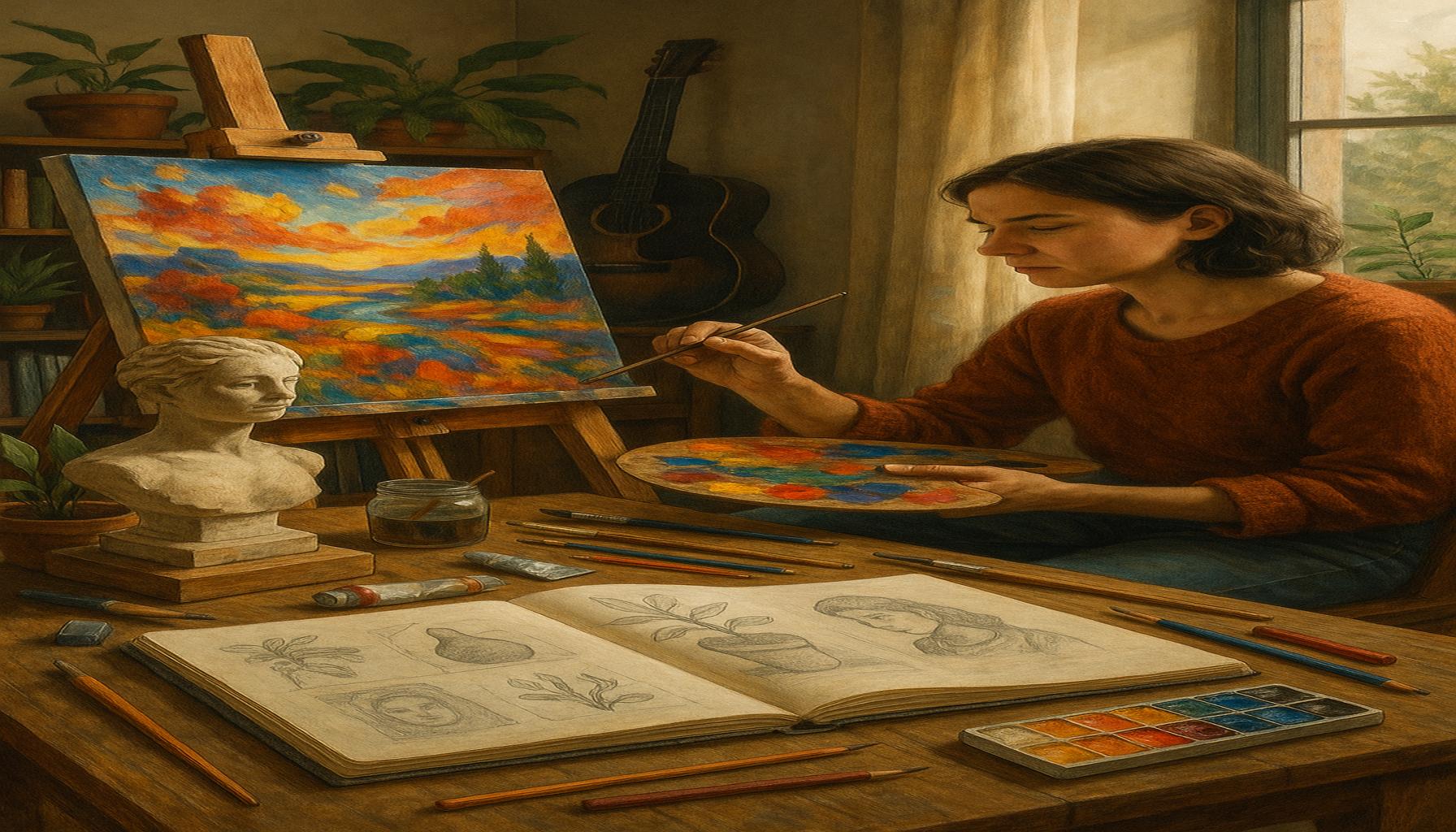
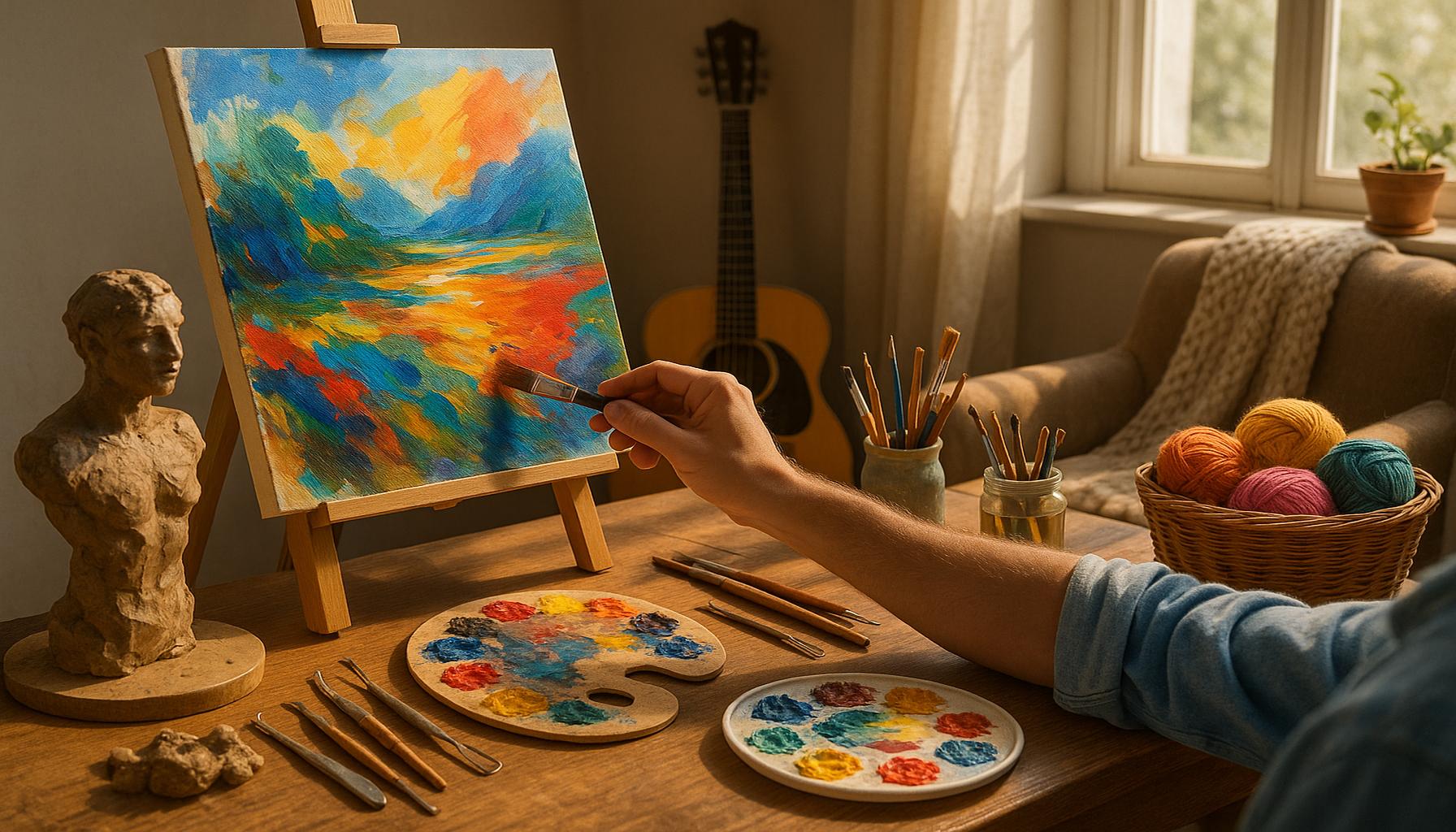
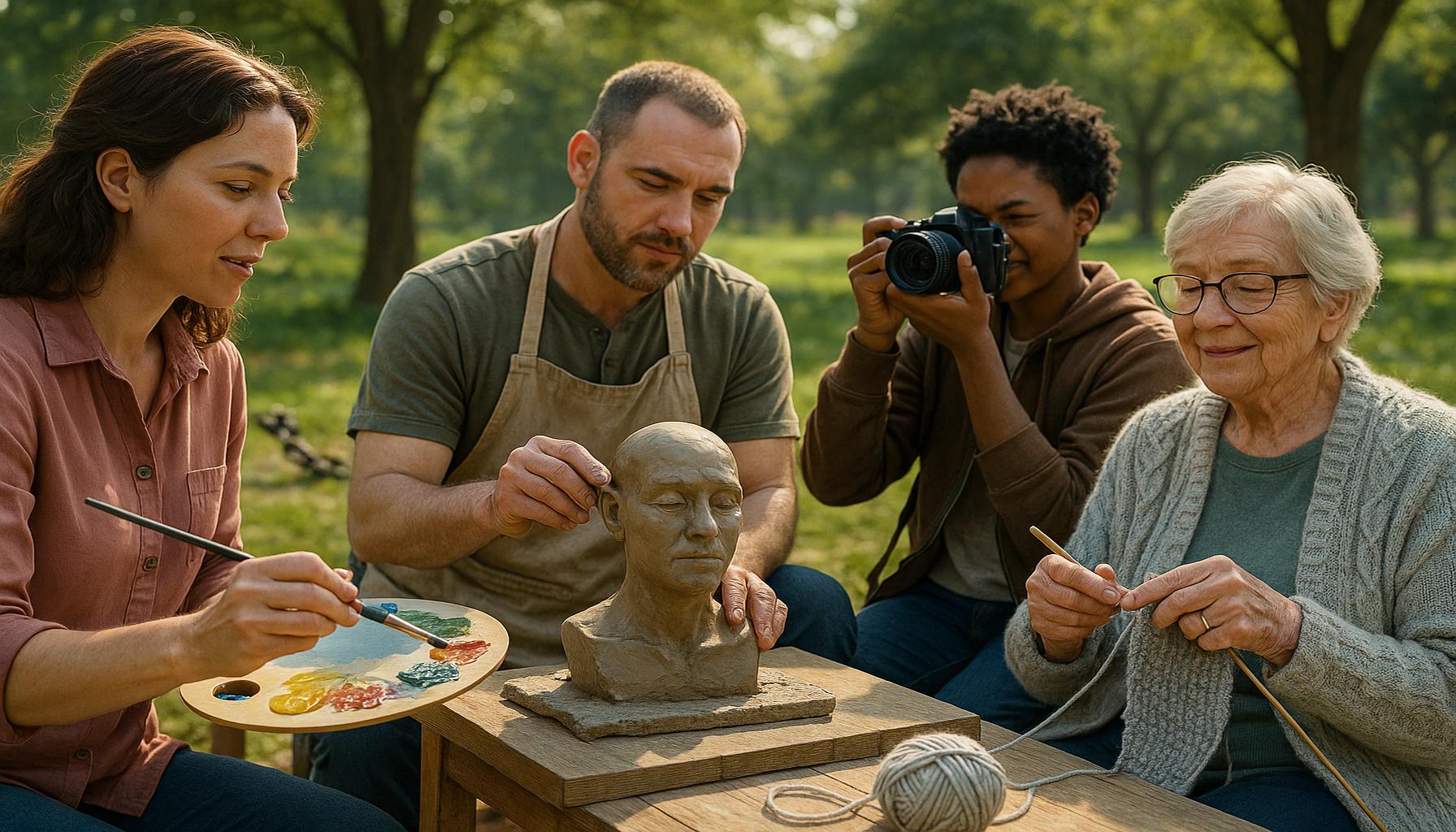
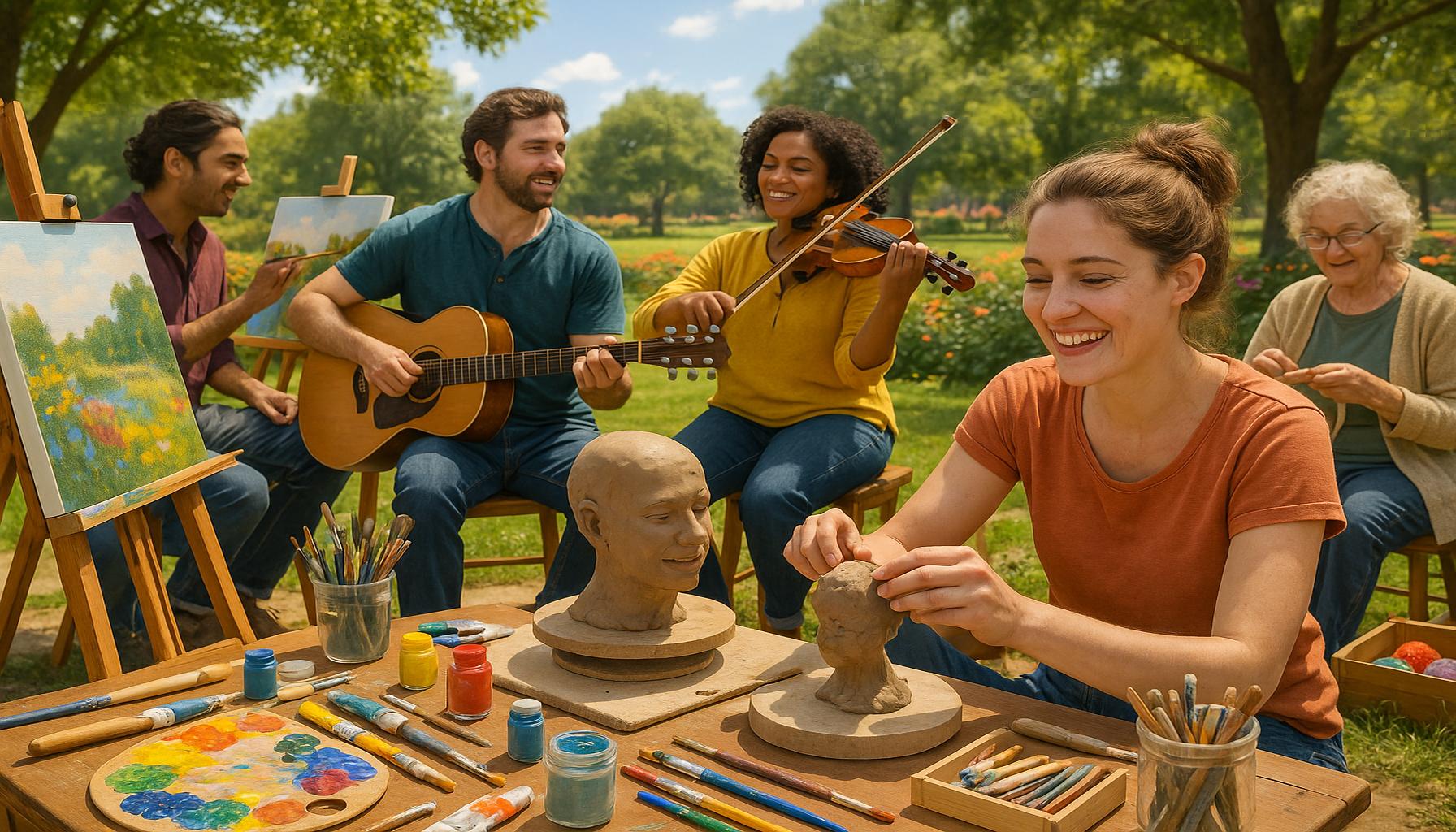
Creative hobbies serve as vital conduits for connection among individuals in neighborhoods throughout the United States. By enabling people to engage in shared interests, these activities foster relationships and open opportunities for meaningful interactions. Whether through art, literature, music, or craft, creative pursuits invite people to come together, contributing to a sense of belonging and community enhancement.
Engaging in various creative activities can lead to several profound outcomes:
- Foster Relationships: Activities such as art classes, book clubs, and community theaters are designed to encourage collaboration. For instance, a local painting class offers participants not only the opportunity to refine their artistic skills but also to forge friendships over a shared love for creativity. Many friendships that start in these spaces develop into robust networks of support, as attendees bond over shared experiences and mutual encouragement.
- Showcase Talent: Local galleries and craft fairs serve as platforms for artists and artisans to display their work. These public exhibitions generate rich conversations between creators and attendees, often leading to partnerships and support for local talent. For example, an annual craft fair may spotlight artisans from various fields—pottery, painting, or woodworking—encouraging community members to appreciate and purchase local art. Such events not only celebrate creativity but also stimulate local economies.
- Promote Inclusivity: Creative endeavors can unite individuals from diverse backgrounds, fostering inclusivity and breaking down cultural barriers. Community murals, for instance, often involve contributions from various local artists, allowing different voices and perspectives to be represented. Events celebrating cultural heritage through music or dance are opportunities for community members to share their traditions, prompting dialogue and mutual respect among participants.
Across the U.S., creative hobbies are more than trifles; they represent a foundation for community growth. Festivals, workshops, and community art initiatives serve as gathering places that manifest ideas and friendships, illustrating how creativity fuels social interactions. A striking example is the transformation seen in neighborhoods where public art initiatives thrive. What was once a vacant lot or an abandoned building can evolve into an inviting space filled with murals, sculptures, and events that draw people in and strengthen community ties.
As neighborhoods embrace artistic pursuits, they become vibrant venues brimming with creativity and collaboration, ultimately revitalizing community spirit. By exploring the myriad ways art and creativity can connect individuals, we comprehend their significant impact on society. Such explorations can lead to greater appreciation for local artists and the diverse culture that enriches communities, compelling us to engage, learn, and grow together.
DIVE DEEPER: Click here to uncover more insights
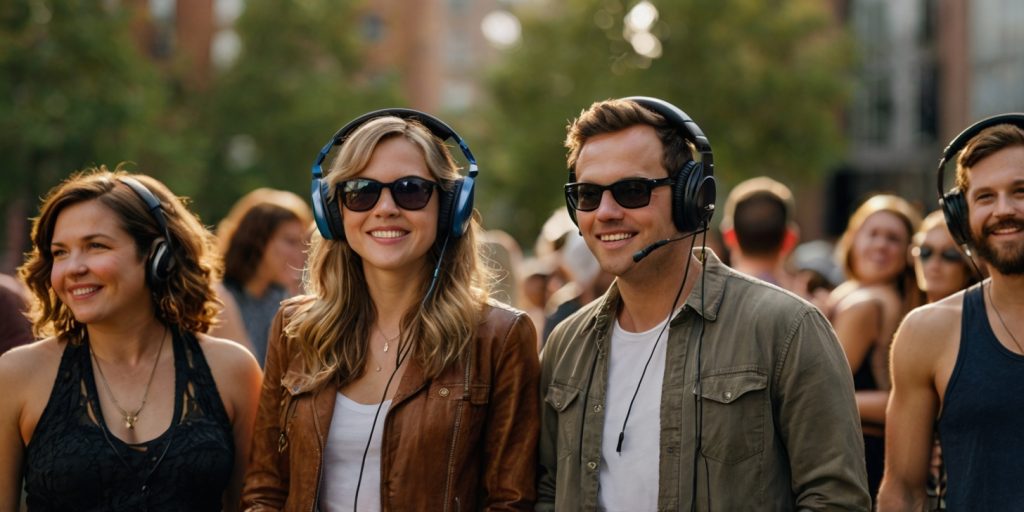
Creative Hobbies as Catalysts for Connection
Creative hobbies act as vital catalysts for connection, engaging people in meaningful ways that enrich community life. Various forms of self-expression—ranging from painting and pottery to music and writing—draw individuals together, creating a tapestry of shared experiences and mutual appreciation. The benefits of participating in these activities extend beyond personal fulfillment; they cultivate a deeper sense of belonging and commitment to one another. This phenomenon is observable in community workshops, where a diverse set of individuals collaborates, sharing tools, techniques, and inspiration.
One powerful example of creativity strengthening community bonds is through collaborative art projects. These projects encourage community members to work side by side, imbuing a sense of ownership and investment in their neighborhood. For instance, citywide mural projects often involve residents in the planning and execution stages, enabling them to contribute their visions to a public space. Such initiatives not only beautify the environment but also provide a platform for dialogue and learning, giving voice to shared histories and aspirations.
- Strengthened Community Identity: Artistic contributions help shape a unique community identity that residents can rally around. This collective identity often manifests in local events that celebrate cultural heritage and shared values, drawing residents together and attracting visitors who seek to engage with authentic local art.
- Empowerment and Skill Development: Many creative hobbies come with the added benefit of skill development. People who engage in artistic classes or craft groups often experience an increase in confidence as they learn new abilities. This is particularly impactful for youth, who thrive on opportunities for creative exploration, bolstering both individual growth and community spirit.
- Networking Opportunities: Participation in creative hobbies can lead to new connections. Networking occurs in natural and organic ways during art shows or collaborative projects, where individuals can discuss ideas, develop partnerships, and even enhance local businesses. In this way, communities benefit not only socially but also economically.
The intersection of creativity and community further exemplifies itself in events like art fairs and local festivals. These gatherings serve as a testament to the vibrant offerings of a community and invite participation from the broader public. Local artisans and performers showcase their work, creating a marketplace for creativity that stirs pride among residents. Furthermore, the networking potential in these environments pushes creative individuals to derive innovative collaborations, merging talents and ideas for even more impactful outcomes.
Ultimately, the role of creative hobbies in building communities is far-reaching. These rich, interactive experiences open doors to genuine connections, facilitating an atmosphere of inclusivity and joy. By prioritizing opportunities for artistic engagement and celebrating local talent, communities manifest a lively spirit echoing through shared creativity—an essential ingredient for a healthy, thriving community.
The Significance of Creative Hobbies in Fostering Connections
Creative hobbies play a pivotal role in establishing and nurturing community bonds. When individuals engage in activities such as painting, crafting, or music production, they not only explore their own artistic abilities but also form a collective identity with others who share similar passions. This shared enthusiasm fosters a sense of belonging, which is essential in today’s increasingly fragmented society. Statistics reveal that over 70% of people feel more connected when they participate in community art projects, illustrating the tangible impact of creative hobbies on social cohesion.Moreover, these hobbies often serve as a bridge across diverse groups. For instance, community art workshops invite participants from various backgrounds to collaborate, breaking down cultural barriers and creating an inclusive environment. Through the process of creation, individuals can express their unique perspectives while also gaining new insights from others, enriching the community fabric. This dynamic interchange promotes understanding and empathy, which are crucial for harmonious coexistence.In addition to building interpersonal relationships, creative hobbies can also enhance mental well-being. Engaging in artistic activities has been shown to lower stress levels and improve mood, which benefits both the individual and the community at large. When people feel better emotionally, they are more likely to contribute to their community positively. This ripple effect emphasizes the importance of investing in artistic programs and initiatives that encourage community members to explore their creative sides.As such, fostering creative hobbies within communities is not merely a leisure activity; it is an essential component of community development. Communities that prioritize art and creativity not only enrich the lives of individuals but also create vibrant, interconnected networks that enhance quality of life for everyone involved. Engaging in creative hobbies, therefore, becomes a powerful tool for social change, driving a collective pursuit of beauty, understanding, and connection.
| Advantages | Impact on Communities |
|---|---|
| Enhanced Communication | Creative hobbies encourage vibrant discussion among participants, enhancing dialogue and mutual understanding. |
| Increased Collaboration | Joint projects foster teamwork and collaboration, strengthening community ties through unified creative efforts. |
| Diverse Representation | Art initiatives celebrate diversity and inclusivity, allowing underrepresented voices to contribute to community narratives. |
| Skill Development | Participants gain new skills, which can lead to personal growth and better job opportunities. |
DISCOVER MORE: Click here to learn about community-building through creative hobbies
The Social Impact of Creative Collaborations
Creative hobbies extend their influence beyond individual satisfaction, fostering a deepened sense of social responsibility within communities. This is particularly evident in programs that intertwine art with activism, allowing participants to address pressing societal issues through creative expression. For example, organizations across the United States are harnessing the power of community murals and art installations to encapsulate local narratives and highlight social justice themes, thereby transforming public spaces into profound storytelling forums that resonate with residents.
Moreover, engaging in creative projects enables individuals from diverse backgrounds to come together, breaking down barriers that may have otherwise segregated them. In urban centers such as Chicago or New York City, community art initiatives bring together residents from various cultures, ages, and socioeconomic backgrounds. This blend not only enriches the creative process but also fosters mutual respect and understanding, creating a fabric of connections that enhances social cohesion.
- Therapeutic Benefits: The act of creating has proven mental health benefits, serving as a powerful outlet for stress relief and emotional healing. Community art programs often provide safe spaces for individuals to express their feelings constructively. For instance, in organizations like Art with Impact, participants learn to channel their experiences into creative projects, promoting well-being and nurturing a supportive environment.
- Family and Intergenerational Bonding: Many creative hobbies invite families to engage together, strengthening familial ties. Activities like pottery classes or knitting groups allow generations to collaborate, sharing skills and stories. These shared experiences create bonds that transcend age, enriching the community dynamic through intergenerational relationships.
- Educational Opportunities: Creative hobbies frequently serve as a springboard for educational initiatives. Programs focusing on arts education in schools not only enhance students’ creativity but also boost academic performance and social skills. Notably, cities like Los Angeles have implemented arts grant projects that encourage partnerships between local artists and schools, bridging the gap between education and creativity.
In addition to in-person collaborations, the digital age has reshaped the way communities engage in creative hobbies. Online platforms and social media enable artists to share their work broadly and connect with like-minded individuals beyond geographical boundaries. Virtual art classes, webinars, and collaborative projects foster a sense of global community. For instance, initiatives like #QuarantineArtChallenge during the COVID-19 pandemic encouraged creatives worldwide to share their work, proving that distance does not diminish connection, but rather, it invites new forms of expression and exchange.
The rise of makerspaces and community studios further illustrates the shift toward collective creativity. These spaces provide accessible resources, tools, and workshops that foster hands-on learning and collaboration. By serving as hubs for creativity, they draw in individuals eager to explore various crafts, thus knitting together divergent interests into a cohesive community fabric.
Ultimately, the synergy created through creative hobbies reinforces the idea that art and creativity are not merely solitary pursuits; they are essential in building the foundations of community. The connections formed through these activities contribute not only to individual growth but also to the resilience and vibrancy of neighborhoods across the country. As a result, investing in creative hobbies becomes a pivotal strategy for nurturing social bonds and enhancing community well-being.
DIVE DEEPER: Click here to learn more
Conclusion: The Transformative Power of Creative Engagement
In summary, creative hobbies play a pivotal role in fostering community connections by transcending individual expression and nurturing collective resilience. Through diverse activities such as community art initiatives, family pottery classes, or even digital collaborations, individuals are not only able to explore their creative potential but also engage in meaningful dialogues that bridge cultural divides. As has been demonstrated across urban landscapes from Chicago to New York City, such engagements catalyze social cohesion, drawing in people of varying backgrounds to share their stories and aspirations.
Furthermore, the therapeutic benefits of creative endeavors cannot be overlooked. By providing safe outlets for emotional expression, community-focused programs empower individuals to heal and bond, reinforcing the idea that creativity serves as a unifying force. The rise of makerspaces and online platforms, which bring community members together in both physical and virtual realms, signifies a shift toward more inclusive environments where creativity flourishes.
As communities continue to grapple with social challenges, investing in creative hobbies emerges as a crucial and strategic response. Not only do these activities provide joy and personal satisfaction, but they also lay the groundwork for a more vibrant, resilient societal framework. The evidence is clear: art and creativity are not just personal pursuits, but vital threads that stitch together the fabric of our communities. Embracing this perspective opens the door to endless possibilities for collective growth and connection, urging us all to look beyond the canvas and recognize our role in a shared artistic expression. Ultimately, the greatest masterpiece we can create is the community we nurture through our shared passions and collaborative spirit.