Developing Resilience Skills: The Impact of Creative Hobbies on Personal Challenges
The Transformative Power of Creative Pursuits
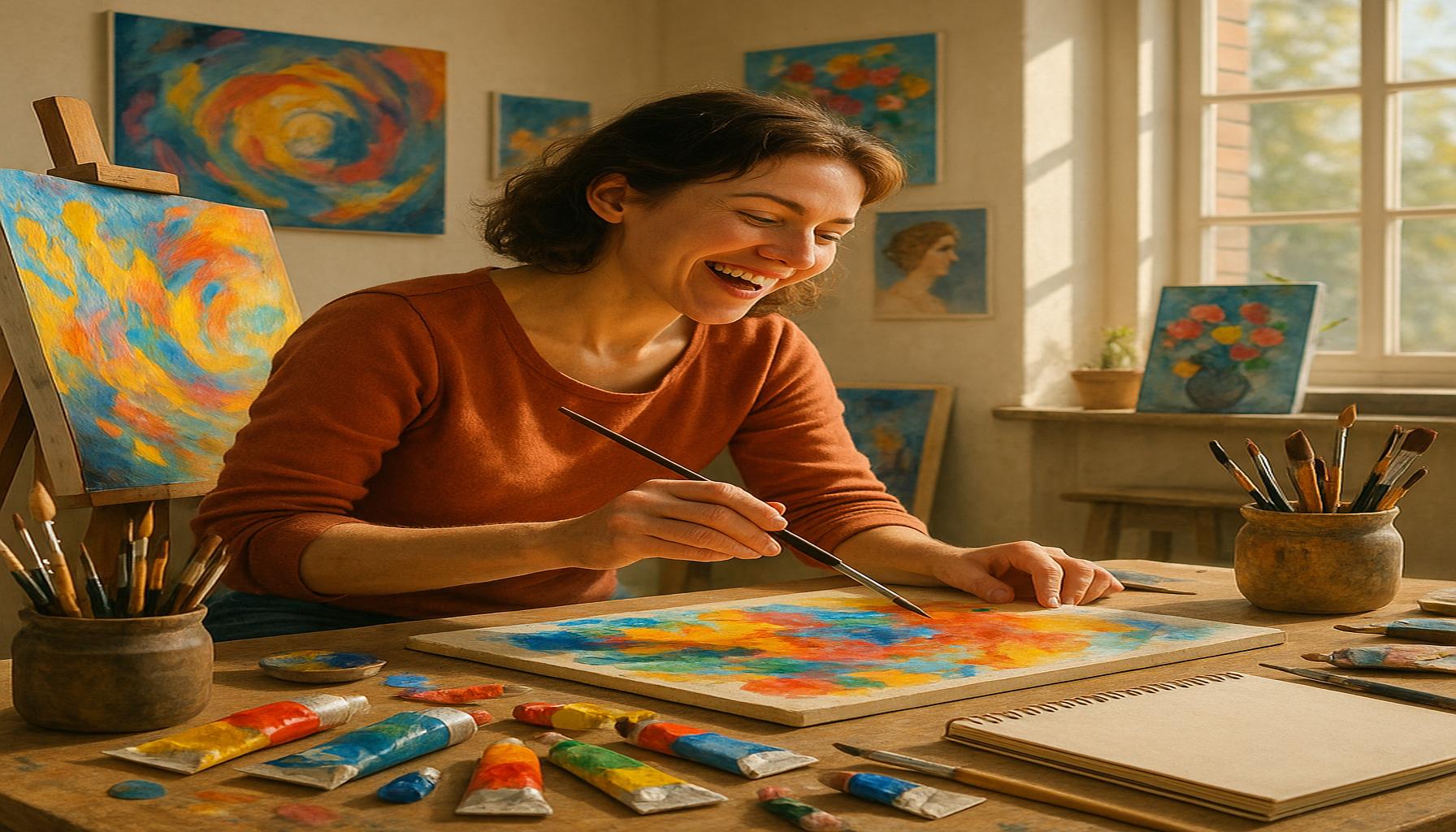
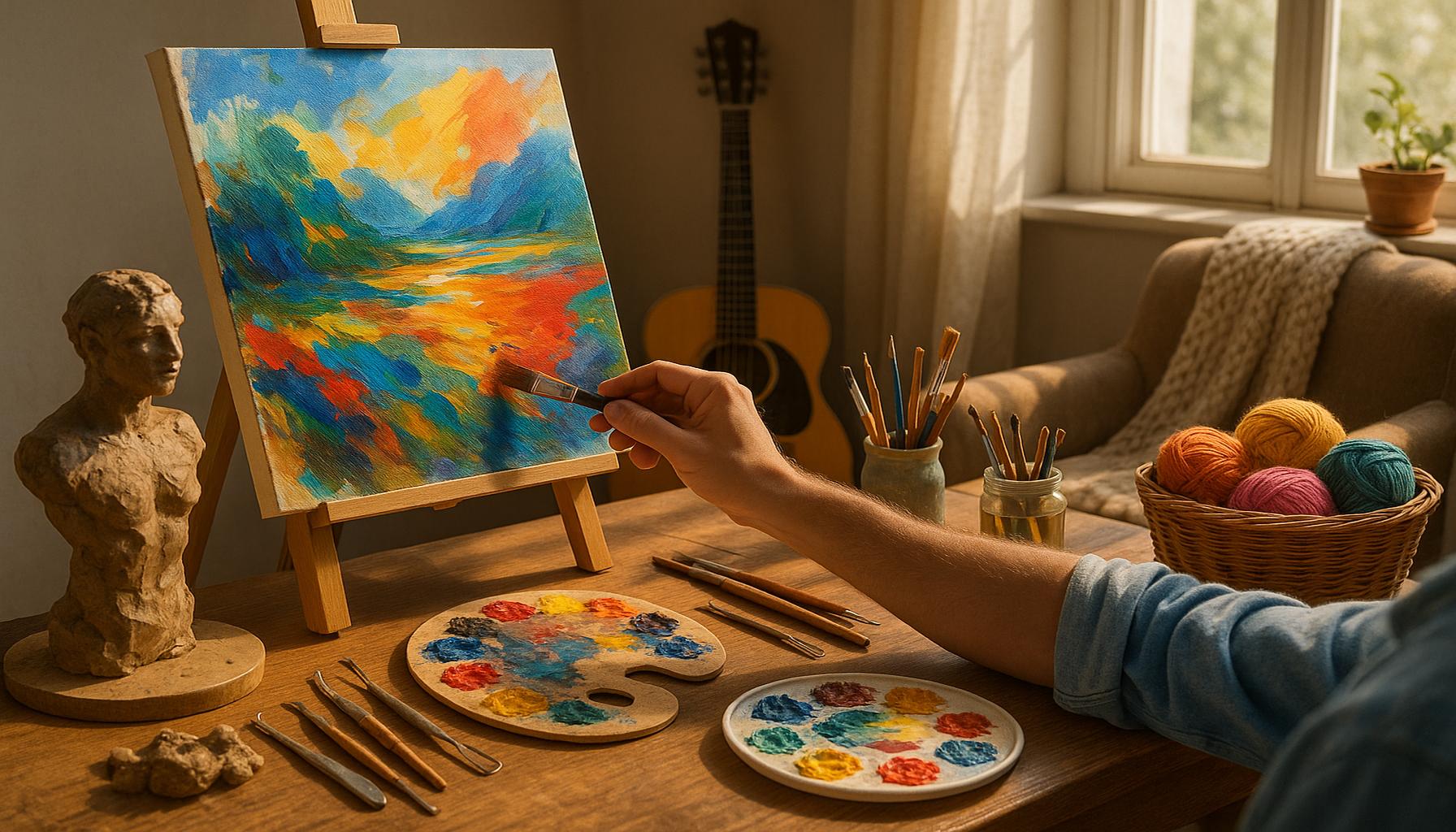
In the hustle and bustle of daily life, the importance of building resilience skills cannot be overstated. Faced with personal challenges, many individuals find solace and empowerment in creative hobbies. Whether it’s painting, writing, or crafting, these activities do more than just occupy time; they cultivate emotional strength and provide invaluable coping mechanisms for stress and anxiety.
The therapeutic benefits of creativity are well-documented and encompass a range of positive effects. Engaging in creative expression can lead to:
- Stress Relief: Engaging in artistic activities allows the mind to focus on the task at hand, serving as a distraction from daily stressors. For instance, a study published in the journal Psychology of Aesthetics, Creativity, and the Arts found that participants who engaged in creative activities reported lower levels of anxiety and increased feelings of relaxation.
- Problem-Solving Skills: Creative hobbies like music composition or digital art can enhance your ability to think outside the box. Such activities encourage innovative thinking and adaptability, qualities that are invaluable when facing challenges in both personal and professional spheres.
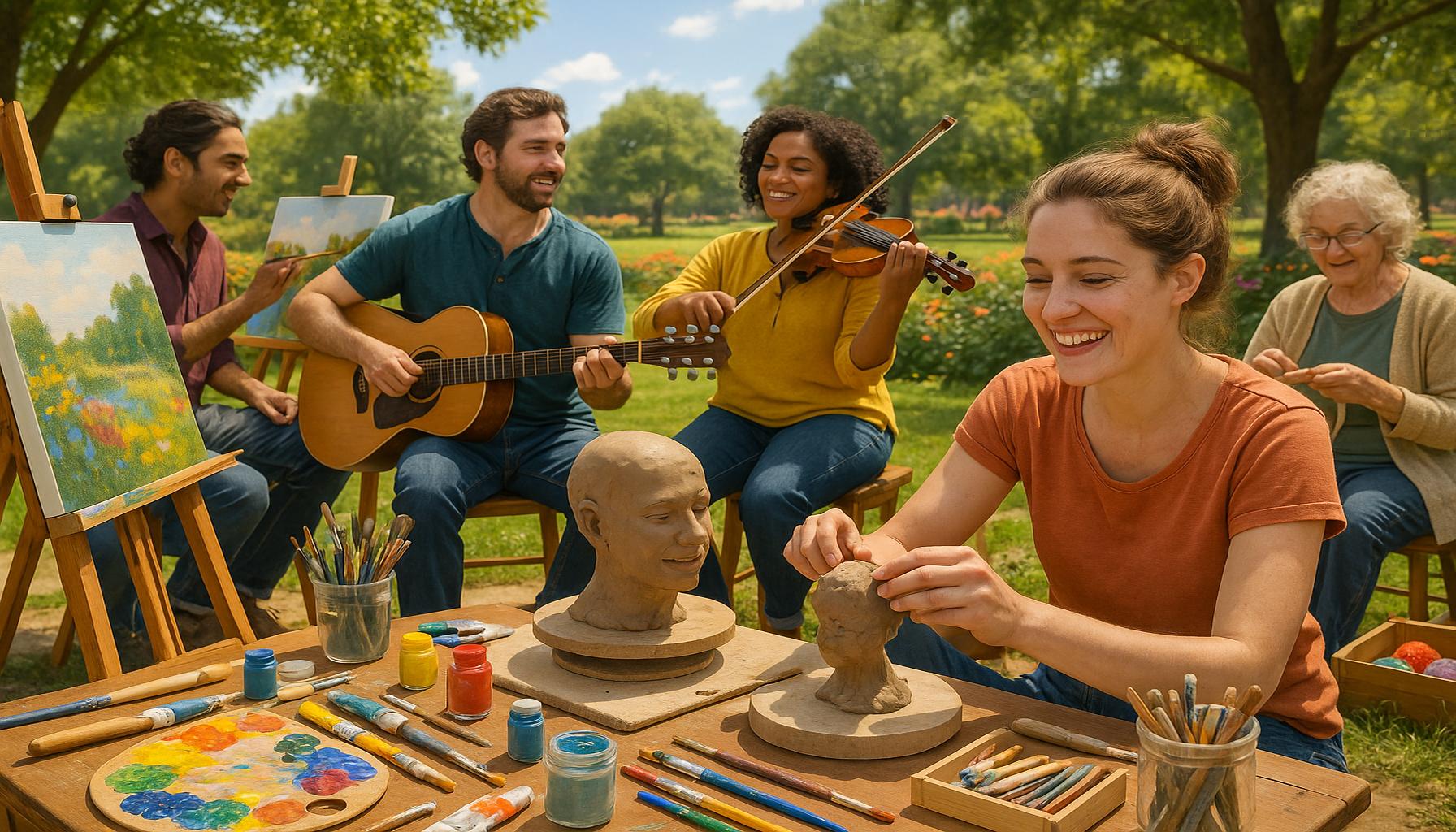
- Community Connection: Joining local art classes or online creative groups fosters a sense of belonging. For example, knitting circles or community theater groups not only provide creative outlets but also nurture friendships and social networks, which are critical for emotional well-being.
Research underscores that individuals who invest time in creative endeavors develop greater emotional regulation and a stronger sense of purpose. As noted in various psychological studies, the act of creating can heighten self-esteem and self-discovery. Hobbies like gardening offer the dual benefit of connecting with nature, while activities such as written expression or journaling encourage personal reflection and insight.
Ultimately, the journey of cultivating resilience through creative hobbies is about empowerment. By embracing creativity, individuals can transform personal challenges into opportunities for growth. Whether it’s through the spontaneous joy of doodling or the meticulous process of painting landscapes, the impact of creativity on mental health is profound, enabling people to face life’s uncertainties with renewed vigor. Join us as we further explore this fascinating intersection of creativity and resilience, unlocking strategies to enrich your life through art and passion.
DIVE DEEPER: Click here to learn more about the impact of local art events
Creative Hobbies as a Catalyst for Resilience
In the quest for developing resilience skills, creative hobbies stand out not just as forms of self-expression, but as powerful tools for navigating life’s hurdles. They allow individuals to channel their emotions into constructive outlets, transforming negative experiences into sources of strength. Understanding the mechanisms behind this phenomenon can illuminate how creativity fosters resilience in the face of adversity.
When individuals engage in creative hobbies, they often enter a state of ‘flow’, a term coined by psychologist Mihaly Csikszentmihalyi. This state is characterized by focused attention, intrinsic motivation, and a sense of fulfillment. Many find that immersing themselves in activities like painting, music, or writing provides a natural antidote to stress and anxiety. The distraction offered by these hobbies interrupts the cycle of negative thoughts, allowing an individual’s mind to momentarily step away from their worries.
Furthermore, creative hobbies can provide a unique platform for self-discovery and personal growth. As individuals explore their artistic capabilities, they often uncover latent skills and interests. This can lead to a greater sense of identity and purpose, essential components of resilience. Examples of this effect include:
- Therapeutic Writing: Penned thoughts can serve as a safe space for individuals to process emotions and reflect on challenges. Journaling has been shown to correlate with reduced rumination and enhanced emotional understanding.
- Art Therapy: Trusted practices like art therapy help individuals express complex feelings through creativity. By externalizing emotions through colors and shapes, participants can communicate experiences that may be difficult to articulate verbally.
- Crafting as Mindfulness: Activities such as knitting or woodworking incorporate rhythmic, repetitive motions that pull individuals into the present moment. This mindfulness aspect fosters mental clarity and offers a reprieve from daily concerns.
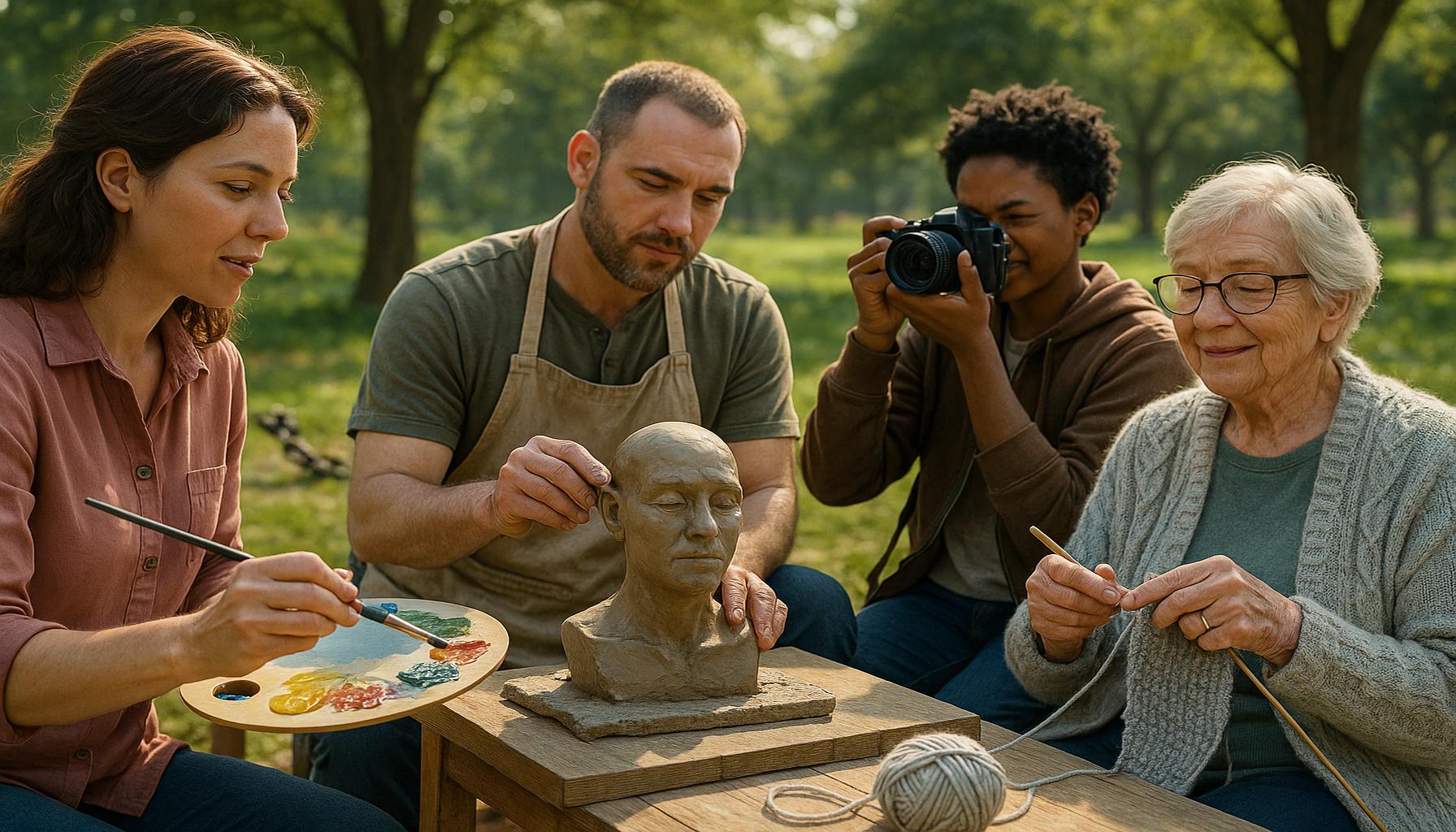
Additionally, the social element of creative hobbies cannot be overlooked. As individuals partake in group art classes or join community-based creative projects, they establish connections that can provide further emotional support and encouragement. Studies indicate that social support plays a critical role in bolstering resilience, as the feeling of belonging can significantly mitigate feelings of isolation and despair.
Ultimately, the intertwining of creativity and resilience skills presents a holistic approach to tackling personal challenges. Embracing creative hobbies not only empowers individuals through self-expression but also helps build a robust emotional toolkit, equipping them to handle whatever life may throw their way. As we delve deeper into this interplay, we will uncover practical strategies for integrating creative pursuits into daily routines, enhancing resilience in a world that often feels overwhelming.
Exploring the Connection Between Creative Hobbies and Resilience
In recent years, research has increasingly highlighted the critical role that creative hobbies play in developing resilience skills. These activities, ranging from painting and writing to gardening and playing music, not only offer a form of escape but also serve as tools for emotional and psychological growth. Engaging in creative pursuits can provide a much-needed outlet for stress relief, enabling individuals to process their thoughts and feelings more effectively during challenging times.
The benefits of incorporating creative hobbies into one’s routine extend beyond leisure. Evidence suggests that such activities can enhance problem-solving skills, foster self-expression, and improve emotional maturity. For instance, when individuals immerse themselves in painting or crafting, they learn to embrace imperfections and setbacks as part of the creative process, mirroring the resilience required to overcome life’s obstacles.
Furthermore, creative hobbies can build a supportive community. Exhibiting one’s artwork or performing in a group setting cultivates a sense of belonging and connection, both vital components for resilience. Engaging with others who share similar interests often leads to shared experiences and mutual encouragement, reinforcing the notion that one is not alone in facing personal challenges.
As individuals navigate the complexities of life, utilizing creative hobbies as a strategy for enhancing personal resilience can transform challenges into opportunities for growth and self-discovery. The journey towards resilience is often a personal one, but with the right tools, anyone can learn to cultivate strength and adaptability in the face of adversity.
| Category | Impact on Resilience |
|---|---|
| Emotional Regulation | Creative hobbies help individuals manage their emotions, reducing anxiety and enhancing overall well-being. |
| Problem-Solving Skills | Engaging in creative activities fosters innovative thinking, enabling better coping strategies in difficult situations. |
Incorporating these elements into daily routines can significantly affect mental health and personal development. Whether through structured classes or informal gatherings, finding a creative outlet can lead to profound changes in how individuals face life’s challenges. Exploring different hobbies not only enriches one’s life but also empowers resilience by learning from each experience, making the journey towards personal strength a rewarding endeavor.
DISCOVER MORE: Click here to learn about the benefits of group workshops
Building Community Through Creative Engagement
One of the often-overlooked benefits of engaging in creative hobbies is their ability to cultivate a sense of community. In a world increasingly characterized by digital interactions, creative pursuits can reconnect us with our social roots. According to a report by the National Endowment for the Arts, participating in creative activities can enhance social connectedness and foster relationships that are essential for emotional well-being. Here, we explore how this community engagement enhances resilience skills and helps individuals navigate personal challenges.
Through group art classes, cooperative workshops, or even online forums, individuals can share their artistic journeys, providing mutual encouragement and validation. This support network becomes a vital resource during challenging times. Being part of a creative group can increase feelings of belonging. For instance, a local painting group not only offers technical guidance but also creates a space where participants can share their personal stories, struggles, and triumphs. These shared experiences can dissolve barriers and foster empathy, making it easier to handle emotional difficulties.
Moreover, collaborative projects such as community murals or public art installations exemplify how creativity can unite people around a common goal, emphasizing collective resilience. These projects encourage participants to combine their talents and resources, leading to a greater sense of purpose and accomplishment. The resulting art serves not just as a physical manifestation of teamwork but also as a symbol of the resilience that stems from overcoming personal and collective difficulties.
The impact of creative hobbies on resilience extends beyond immediate emotional benefits. Engaging in art-related community service has also been associated with greater life satisfaction and improved mental health outcomes. Volunteer programs that incorporate creative elements—think art therapy in shelters or music workshops for at-risk youth—demonstrate the transformative power of creativity in aiding both the giver and receiver of support. Participating in such initiatives helps individuals develop a broader perspective on their own challenges, reinforcing their ability to bounce back from adversity.
Research shows that engaging with creativity not only benefits emotional resilience but can also enhance cognitive flexibility—an essential trait for effective problem-solving. When individuals participate in creative activities, they often navigate unforeseen challenges during the creative process, such as a mistaken brushstroke or an unexpected musical note. This requires adaptability and encourages them to revise their strategies. As they learn to approach problems in a shifted mindset, they can apply these adaptive coping strategies to their personal lives, making them more resilient.
Additionally, creative hobbies can serve as a platform for lifelong learning, which is crucial in maintaining resilience. Whether it’s mastering a new technique in pottery or learning to play an unfamiliar instrument, the act of stepping out of one’s comfort zone to acquire new skills instills a sense of achievement and fosters a growth mindset. This mindset, articulated by psychologist Carol Dweck, is associated with the belief that abilities can be developed through dedication and hard work—a principle that perfectly aligns with developing resilience skills.
As we continue to unveil the layers of creativity’s influence on resilience, it’s imperative to consider practical methods for integrating these artistic endeavors into everyday life. The ability to create connections, cope with challenges, and grow as individuals through creative expression underscores the powerful impact of hobbies in shaping our ability to withstand life’s vicissitudes.
DISCOVER MORE: Click here to learn how creative hobbies can bring your family closer together
Conclusion: Embracing Creativity for Lasting Resilience
In summary, the exploration of developing resilience skills reveals a profound connection between creative hobbies and the ability to navigate personal challenges. Engaging in artistic pursuits not only enriches our emotional landscape but also fosters vital social connections—both of which are fundamental for enhancing resilience. As highlighted throughout the article, creative engagement serves as a catalyst for community building, offering support networks that encourage shared growth and understanding.
The transformative power of creativity extends beyond individual gratification; it equips individuals with adaptive coping strategies through lessons learned in the creative process. Whether overcoming a creative setback or collaborating on projects that achieve collective goals, the experience of creativity promotes a growth mindset that reinforces resilience. Furthermore, the incorporation of these hobbies into one’s daily routine can lead to lifelong learning, which contributes significantly to sustained personal development.
In considering practical opportunities to weave creativity into our lives, the potential for personal growth is limitless. As we embrace the challenge of harnessing our creative energies, we ultimately cultivate a more resilient self—capable of weathering life’s inevitable storms. This journey into the world of creativity not only shapes our individual narratives but also positions us to offer support and understanding to others. Hence, let us immerse ourselves in creative hobbies, unlocking not just artistic expression but also the profound resilience that comes from engaging fully with ourselves and our communities.