Art as a Form of Protest: Exploring Artistic Expression in Contemporary Social Movements
Art as a Catalyst for Change
Through the ages, art has not merely served as a form of aesthetic expression but as a revolutionary tool that prompts people to rethink their assumptions and challenge systemic injustices. From the powerful works of the Harlem Renaissance, which highlighted African American culture and experiences, to the provocative pieces of the modern Black Lives Matter movement, art continues to function as a vital echo of societal frustrations and aspirations. The resurgence of artistic expression seen today is rooted in historical legacies and is intricately linked to contemporary social movements such as climate advocacy and racial justice.
Street Art: Voices of Dissent
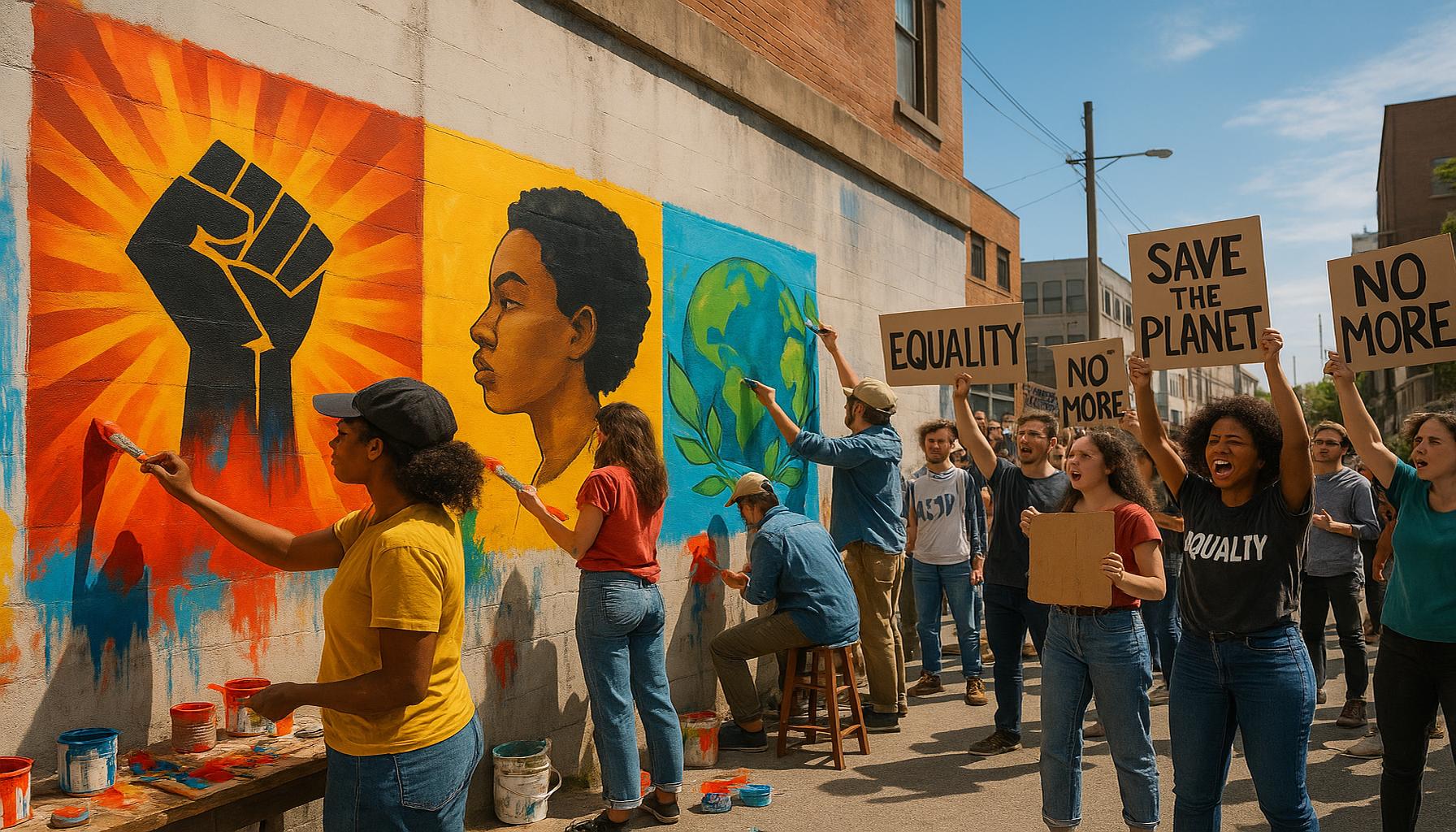
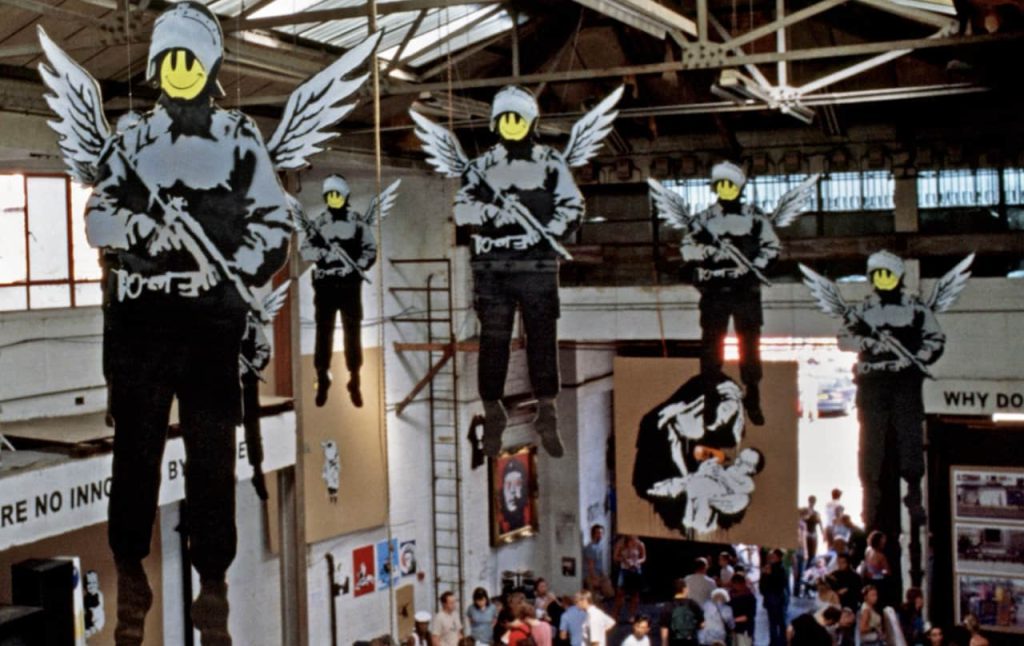
Street art has established itself as a visceral representation of community voices versus institutional silence. Artists like Banksy and Shepard Fairey have utilized public spaces to challenge inequalities, provoke thought, and inspire action. For example, murals created during the protest movements in Ferguson and across cities in the U.S. vividly illustrate the struggles of marginalized communities facing racial profiling and violence. These pieces often become sites of congregation, dialogue, and reflection, transforming walls into canvases of hope and resistance.
Performance Art: Engaging the Body Politic
Performance art engages audiences in real time, making the viewer a participant in the experience rather than a bystander. Performers such as Tania Bruguera and the collective known as “The Raging Grannies” have staged powerful spectacles that confront social norms and injustices head-on. These live demonstrations can evoke strong emotional reactions, stirring audiences to not only reflect on the issues presented but also to galvanize community action. For instance, the ‘Die-In’ performances staged by groups protesting gun violence not only drew attention to the issue but also translated into demands for policy change and public accountability.
Digital Art: Amplifying Marginalized Voices
In today’s digital age, digital art has emerged as a potent tool in the arsenal of social movements. Platforms like Instagram and TikTok have become fertile ground for artists and activists alike to share messages swiftly and widely. Works posted online can resonate with a vast audience, often going viral and prompting discussions around issues such as climate change and LGBTQ+ rights. For instance, social media campaigns featuring artwork that embodies trans rights have played a crucial role in shifting public perception and fostering solidarity in various communities.
Art and the Major Issues of Our Time
The intersection of art and activism doesn’t just serve as a reflection of societal issues but poses significant questions about engagement, impact, and the power of creativity. Current pressing themes include climate change and environmental justice, where visual artists depict the stark realities of a warming planet through impactful imagery that compels action. Similarly, movements for racial and ethnic equity and gender rights and LGBTQ+ advocacy often utilize artistic expression to articulate their narratives, fostering a sense of urgency and community around these critical issues.
As we examine the dynamic interplay of art and social change, it becomes apparent that creativity is more than mere expression; it is a vital component of modern protest culture. The exploration of this relationship reveals the transformative power of art, encouraging not only reflection and dialogue but also tangible societal transformation. The journey through this artistic landscape is a call to witness how creativity shapes our world and challenges us to envision a better future.
DISCOVER MORE: Click here to delve into the power of storytelling
The Language of Resistance
Art, in its multifaceted forms, transcends mere aesthetics; it is a language of resistance that resonates profoundly within contemporary social movements. Artists possess a unique ability to articulate collective anguish and aspirations, utilizing their creativity to forge connections and mobilize communities. This linguistic aspect of art becomes evident in various manifestations, ranging from traditional mediums like painting and sculpture to modern forms such as photography and digital media. The impact of these artistic expressions can be seen in the ways they challenge the societal narrative and ignite conversations around critical issues.
Visual Art: A Canvas for Change
Visual art has long been a cornerstone of protest, acting as a powerful visual language that communicates complex social dilemmas. The vividly striking murals that have adorned urban landscapes speak to ongoing struggles, depicting themes of racial injustice, immigration, and climate activism. Examples such as the mural of George Floyd in Minneapolis serve as poignant reminders of the fight against systemic racism, transforming public spaces into sites of remembrance and resilience. As communities rally around these artistic expressions, they invite further inquiries and reflections, urging society to confront its uncomfortable truths.
Photography: Capturing Moments of Impact
Photography plays a critical role in the archival process of social movements, encapsulating moments that might otherwise fade into history. Iconic images from protests—such as those captured during the Women’s March or during Environmental rallies—serve not only as documentation but also as inspiration. Photographers like Mazen Kheir and others have utilized their lenses to expose the raw emotions and realities faced by communities in turmoil. The power of these images lies in their ability to evoke empathy and spur viewers to action, thus reinforcing the dialogue surrounding the issues at hand.
Art as a Tool for Education
The educational potential of art is integral to its efficacy as a form of protest. Many artists engage with communities to create workshops or exhibits that raise awareness about pressing social issues. This collaborative approach enables participants to explore and express their grievances creatively. For instance, initiatives like artivism combine art and activism, allowing individuals to interact with the medium while gaining insights into the challenges they face. The resulting art becomes a vehicle for not only personal expression but also collective empowerment. Through educational programming, art transcends its traditional boundaries and becomes a means to foster informed activism.
The Nuances of Artistic Expression
While the artistic response to social movements is often passionate and urgent, it is important to recognize the nuances of artistic expression. Different artists employ various styles, techniques, and messages to convey their perspectives. From abstract works that provoke thought to literal representations of crises, the diversity within artistic expressions allows for a wider array of voices to be heard. Key aspects to consider include:
- Authenticity: The artist’s connection to the cause can deepen the impact of their work.
- Accessibility: Consideration of the audience ensures that the message resonates beyond traditional art circles.
- Intersectionality: Acknowledging multiple identities and experiences widens the conversation and fosters solidarity among diverse groups.
As we engage with the world of art as a form of protest, it becomes clear that each stroke, image, or performance is part of a broader tapestry of resistance, echoing the sentiments of those striving for change. The language of art encompasses complexities that encourage reflection, engagement, and ultimately, action. By exploring how artistic expression intertwines with contemporary social movements, we can better understand its role as a catalyst for meaningful change.
| Advantage | Description |
|---|---|
| Cultural Resonance | Art bridges gaps between diverse communities, allowing for different cultural expressions to resonate with widespread audiences. |
| Emotional Impact | Art evokes deep emotions, engaging individuals at a personal level, which prompts them to reflect on critical social issues. |
| Sparking Dialogue | Art fosters conversation around pressing social injustices, encouraging public discourse and community mobilization. |
| Historical Context | Art retains cultural narratives that document history, giving voice to marginalized movements and preserving their legacies. |
Artistic expression as a form of protest is not just about creating aesthetically pleasing works; it serves as a powerful vehicle for social change. For instance, street art and murals become canvases for societal issues, drawing public attention to matters often overlooked. Activist artists like Banksy utilize humor and irony to critique social and political structures, generating dialogues that extend beyond the art world.Moreover, performance art can create immersive experiences, where audiences are compelled to engage deeply with the themes presented. This engagement can invoke empathy and stir action, transforming passive observers into active participants in social movements. In this contemporary landscape, the role of the artist has evolved, recognizing their potential to influence and inspire collective change.In the digital age, the reach of protest art has extended even further. Social media platforms facilitate the rapid dissemination of artistic messages that challenge injustice, allowing artists to connect with global audiences instantly. These initiatives remind us that art remains a potent form of resistance, capable of challenging power dynamics and advocating for a more just society.
DISCOVER MORE: Click here to learn how crafting can promote calm
The Role of Performance Art in Activism
Performance art uniquely blends the body, space, and audience to convey powerful messages that can captivate and provoke thought. This dynamic form of artistic expression has gained traction within social movements, as it allows for visceral experiences that resonate deeply with viewers. Artists like Tania Bruguera and those participating in the Black Lives Matter movement have harnessed performance to confront racial injustice, inequality, and police brutality. These events often unfold in public spaces, transforming the surroundings into arenas for dialogue and reflection, and enabling a visceral connection with the messages being conveyed.
The Impact of Street Theater
Street theater, in particular, serves as an accessible platform for storytelling that can draw in diverse audiences. This theatrical variant thrives on spontaneity and spectacle, employing humor and satire to examine societal issues. Groups like the Berkeley-based group the Bread and Puppet Theater utilize puppetry and theatrical performances to critique capitalism and environmental destruction while inviting participation from the community. Each performance acts not only as a creative expression but also as an invitation for audiences to engage in deeper examinations of the issues at hand. These performances capture the essence of grassroots activism by bringing art directly to the streets, where it can foster conversation and inspire action.
The Power of Digital Art in the Age of Technology
As society becomes increasingly digital, digital art emerges as a vital tool for activists, allowing them to reach broader audiences and effect change through online platforms. Social media channels serve not only as echo chambers but as amplifiers for artistic expressions. Memes, GIFs, and video art can rapidly disseminate powerful messages, fostering solidarity among movements. Artists like Laia Abril and those involved in the #MeToo movement have skillfully used digital platforms to highlight stories of sexual violence and encourage discussions around consent, advocacy, and healing. The immediacy and shareability of digital art empower movements while creating a vast, interconnected dialogue around pressing social issues.
Public Installations and Interventions
Public installations provoke thought while challenging norms by transforming everyday spaces into sites of contemplation and protest. For example, the installation by artist Krzysztof Wodiczko at the Boston City Hall featured large projections that articulated the struggles of marginalized populations and their aspirations for visibility. These interventions encourage passersby to engage with the art and the themes it portrays, offering a chance for introspection amidst the frenetic pace of urban life. The use of public installations highlights the potential of art to create dialogues that extend beyond gallery walls, inviting the larger community to participate in social discourse.
The Global Scope of Artistic Protest
Art as activism is not confined to American soil; it has a global resonance, reflecting local struggles and universal themes. Movements such as Colombia’s FARC negotiations and the ongoing fight for LGBTQ+ rights in various countries showcase the diverse contexts in which art operates as a form of protest. Artists worldwide harness their skills to address cultural and political injustices, from the murals of Bogotá that symbolize peace efforts to the bold street performances in South Africa advocating for HIV awareness. This interconnectedness illustrates that while the mediums and messages may vary, the spirit of resistance through art transcends geographical boundaries and speaks to humanity’s enduring quest for justice and equity.
In conclusion, the examination of various artistic forms, including performance art, street theater, digital art, and public installations, underscores the profound relationship between art and activism in contemporary social movements. As these forms of artistic expression continue to innovate and adapt, their potential to influence change remains robust and essential in addressing the pressing concerns of our time.
DIVE DEEPER: Click here to discover more
Conclusion: The Enduring Power of Art as Protest
The exploration of art as a form of protest illustrates its indispensable role in amplifying voices and catalyzing change within contemporary social movements. Artistic expressions, whether through performance art, street theater, digital creations, or public installations, cultivate emotional connections and provoke critical dialogues that resonate with diverse audiences. The ability of artists to navigate the complexities of societal issues while engaging people in unexpected ways breathes life into the quest for justice and equity.
As traditional boundaries between art and activism blur, we witness a vibrant tapestry of creativity reflecting the struggles and aspirations of communities worldwide. This global lens not only highlights localized inequalities but underscores a shared human experience, bridging gaps to emphasize our collective responsibilities. In today’s digital age, the reach of art has expanded exponentially, giving rise to new movements that engage and evoke empathy across cultures, not just within the United States, but around the world.
Ultimately, as we witness the continuing potency of artistic protest, it becomes clear that art is not merely a reaction to social issues, but a fundamental component of activism that shapes the narrative of our times. The diverse forms of artistic expression invite us to not only observe but to participate actively in envisioning a more just future. As we engage with these profound expressions of resistance, we are called to recognize the power of art not just to capture moments, but to inspire movements for change, inviting each of us to become part of the dialogue.