The Importance of Creativity in Personal Fulfillment: How Artistic Hobbies Transform Lives
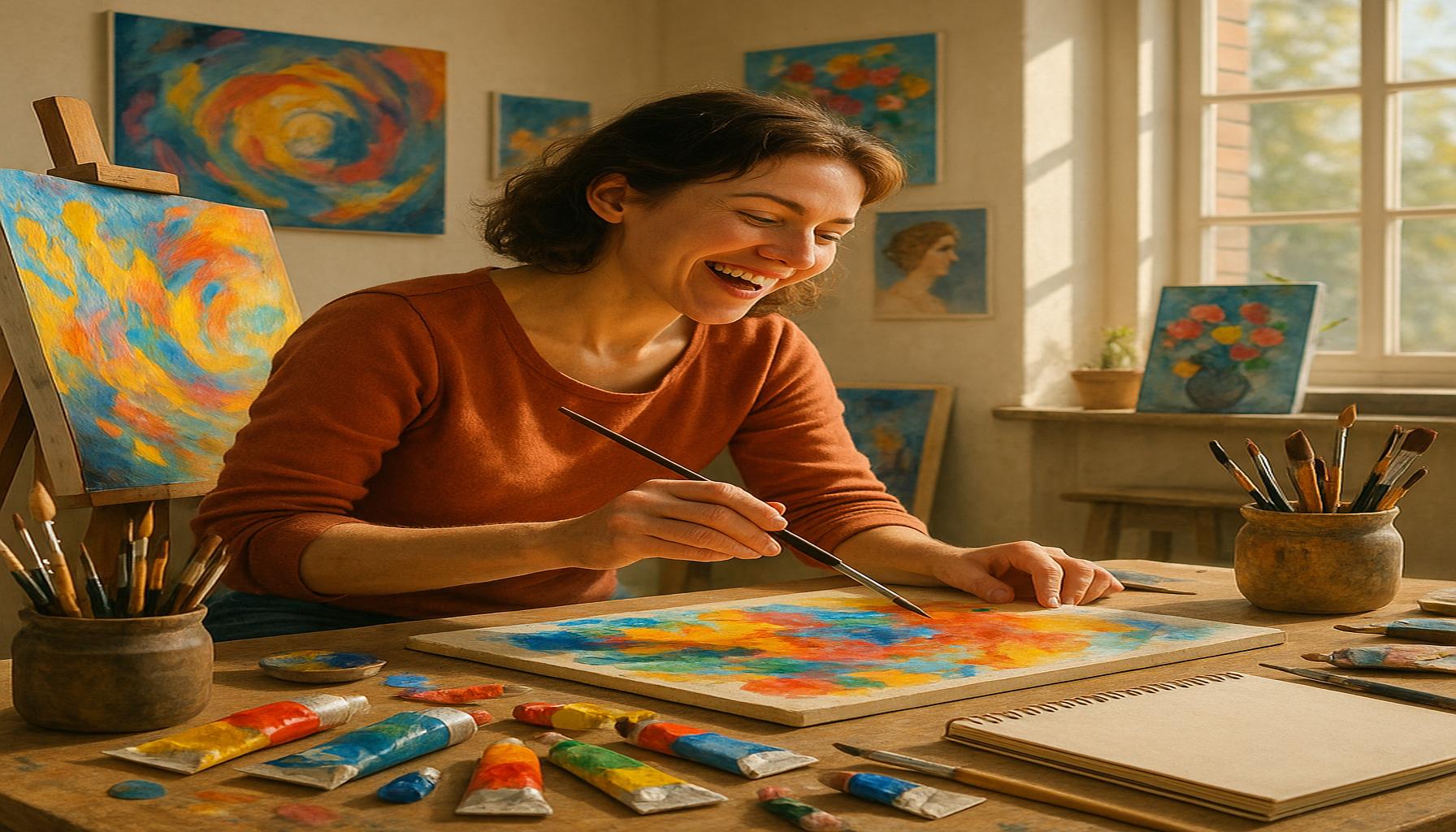
Unlocking Joy Through Art
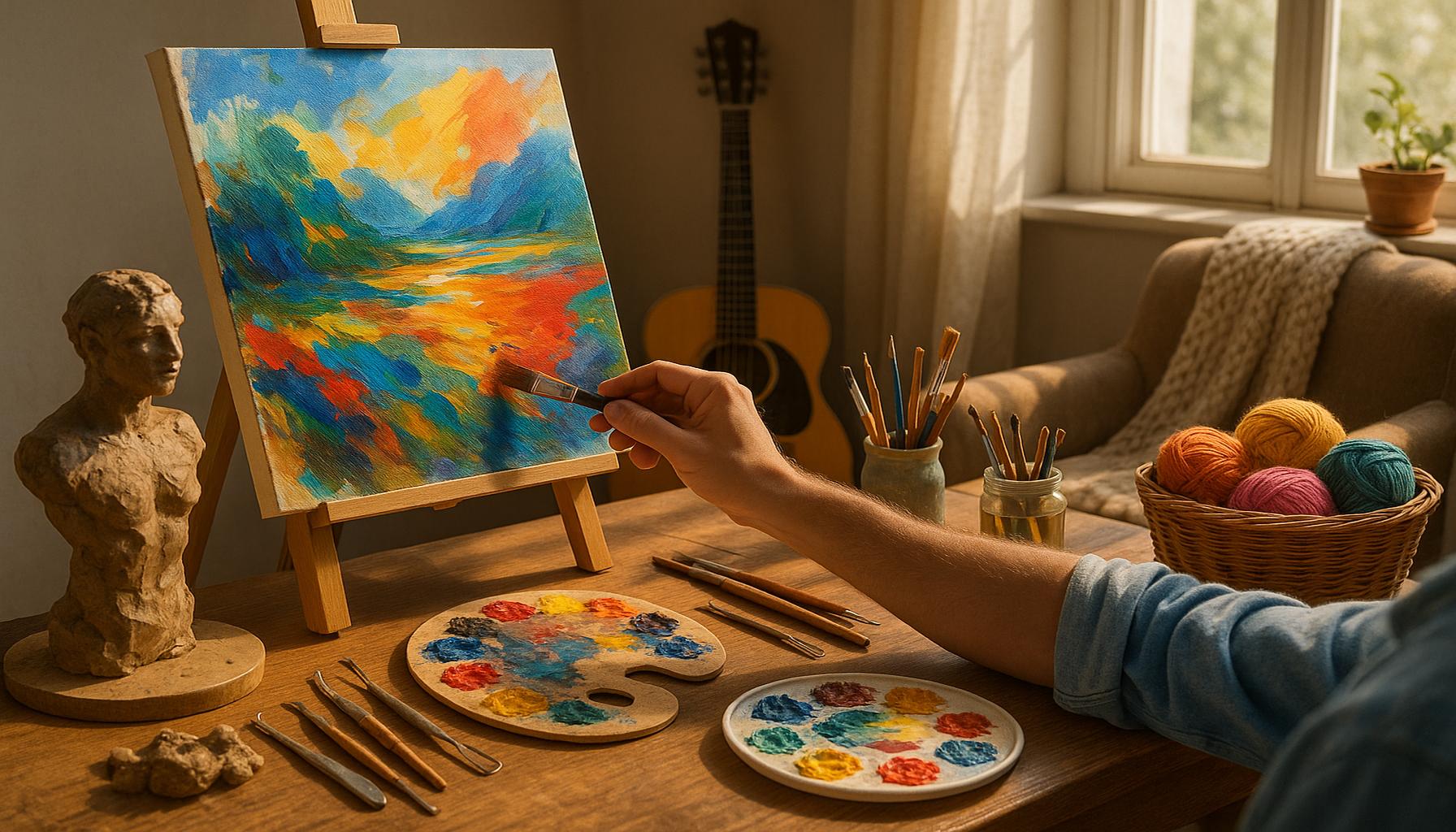
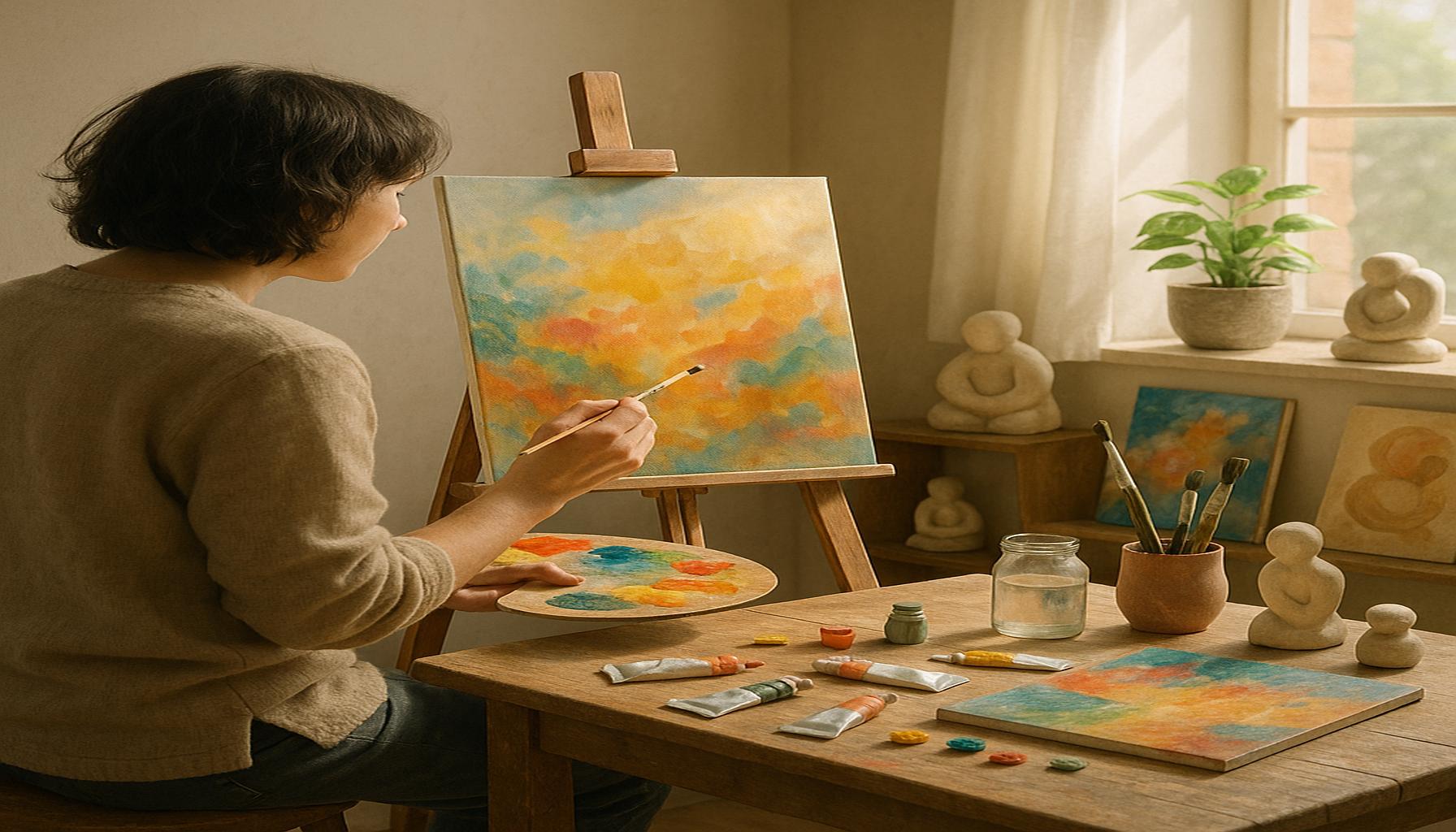
In the fast-paced world we inhabit, creativity often takes a backseat to productivity and routine. Yet, engaging in artistic hobbies can significantly contribute to personal fulfillment. These activities go beyond simple leisure; they serve as a vital means of self-expression and emotional well-being.
Consider the ways creativity can transform our lives:
- Stress Relief: Artistic endeavors such as painting, sculpting, or crafting can lower stress levels and provide a tangible escape from daily pressures. Studies have shown that spending just 45 minutes engaged in a creative activity can reduce cortisol levels—a key stress hormone—allowing individuals to experience feelings of relaxation and calm.
- Emotional Release: Engaging in music, writing poetry, or journaling provides a platform for processing emotions. Many find that expressing feelings through lyrics or prose helps clarify their thoughts, leading to deeper self-understanding and emotional processing. For instance, well-known artists like Taylor Swift utilize songwriting as a form of therapy, transforming personal experiences into relatable music that resonates with millions.
- Community Building: Joining art classes or local creative groups fosters connections with others who share similar interests. This sense of belonging can be particularly beneficial for those feeling isolated. Community art projects or workshops not only enhance social skills but also encourage collaboration and support. Examples abound in cities like Chicago and New York, where public art initiatives bring neighbors together to create murals, thus strengthening community ties.
Research shows that approximately 64% of Americans feel more fulfilled when engaging creatively. These hobbies offer a unique opportunity to explore our passions while simultaneously improving our mental health. According to the National Endowment for the Arts, participating in the arts can lead to better psychological well-being, with individuals reporting higher satisfaction in their lives.
As we delve deeper into the importance of creativity, let’s explore how embracing our artistic sides can lead to transformative life changes. Whether it’s through grabbing a paintbrush, strumming a guitar, or even molding clay, every act of creation acts as a building block for emotional resilience. The journey toward personal fulfillment may very well begin with a simple artistic endeavor, unlocking potential we never knew existed.
With this in mind, it becomes evident that fostering creativity in our lives is not just a luxury but a necessity for overall well-being. It encourages exploration, builds connections, and enhances our emotional landscape, making life not just bearable, but truly joyful.
DIVE DEEPER: Click here to uncover the art of photography
The Healing Power of Creative Expression
Artistic hobbies serve as more than just a pastime; they can be gateways to profound personal growth and emotional healing. The act of creating allows individuals to tap into their inner selves, cultivating a powerful sense of identity and purpose. Engaging in creative activities provides a unique space where personal narratives can unfold, offering insights into one’s thoughts and feelings that may otherwise remain unexamined.
Enhanced Cognitive Function: Research indicates that participating in creative tasks can enhance brain function and cognitive abilities. Engaging in artistic pursuits stimulates the brain, leading to improved problem-solving skills and increased mental flexibility. According to a study published in the journal *Psychological Science*, adults who frequently engage in creative activities demonstrate greater adaptability and innovative thinking in various aspects of their lives. This cognitive boost may also contribute to improved performance in the workplace by encouraging out-of-the-box solutions to challenges.
Cultivating Self-Confidence: Artistic hobbies offer a platform for individuals to explore their skills and talents. As people create—whether through painting, photography, or writing—they often experience a boost in self-esteem. Finishing a piece of art, receiving positive feedback, or simply expressing oneself effectively can lead to a sense of accomplishment that permeates other areas of life. According to a survey by the National Endowment for the Arts, nearly 70% of participants reported a noticeable increase in their self-confidence after taking up an artistic hobby.
- Exploration of Identity: Artistic pursuits allow individuals to explore various facets of their identity. Whether it is through self-portraiture, creative writing, or dance, each act of creation can foster a deeper understanding of personal values and beliefs.
- Mindfulness and Presence: Engaging in creative activities encourages mindfulness. When individuals immerse themselves in the act of creation, they often find themselves present in the moment, which can lead to reduced anxiety and a greater sense of peace.
- Improved Communication Skills: Art can serve as a universal language. Through creative expression, individuals often find new ways to communicate their feelings and ideas, enhancing their interpersonal interactions.
The psychological benefits of creativity extend well beyond the individual. By fostering an inclusive environment for artistic expression, communities can promote mental wellness across broader demographics. In cities like San Francisco and Portland, art therapy programs have gained traction, demonstrating significant positive outcomes for participants struggling with various mental health issues. For many, these initiatives provide a renewed sense of hope and belonging, illustrating the transformative potential of artistic engagement.
Incorporating creativity into daily life is an essential strategy for achieving personal fulfillment. Despite the distractions of the modern world, embracing artistic hobbies can enrich our lives and foster resilience amidst life’s challenges. As we explore further, it becomes clear that creativity is not an indulgence, but rather a fundamental component of a balanced and fulfilling life.
| Categories of Artistic Hobbies | Transformative Benefits |
|---|---|
| Visual Arts | Engaging in painting, drawing, or sculpture enhances emotional expression and boosts self-esteem. |
| Performing Arts | Theatre, music, and dance promote social connections and telegraph personal narrative, fostering community ties. |
| Crafting and DIY Projects | Handmade creations cultivate mindfulness and provide a sense of accomplishment through tangible results. |
| Writing and Literature | Writing practices stir imagination and improve communication skills while allowing for introspection. |
Artistic hobbies delve deeper than mere pastime; they serve as vital avenues for personal growth and introspection. Visual arts, for example, allow individuals to capture their emotions visually, thereby influencing their mental well-being positively. Furthermore, engaging in performing arts, such as dance or theater, can not only lead to heightened self-confidence but also foster essential social interactions, making them a cornerstone for community belonging. Crafting and DIY projects tap into the therapeutic aspect of creativity, inviting practitioners into a meditative state where stress dissipates, and focus blossoms. Additionally, writing—whether through poetry, journaling, or storytelling—can lead oneself to new insights and self-awareness, enriching one’s emotional landscape while enhancing their narrative skills. Each category of artistic hobby holds unique powers and appeals to various facets of personal fulfillment, underscoring the profound impact of creativity on life transformation.
DIVE DEEPER: Click here to discover the calming power of music
Building Community Through Creativity
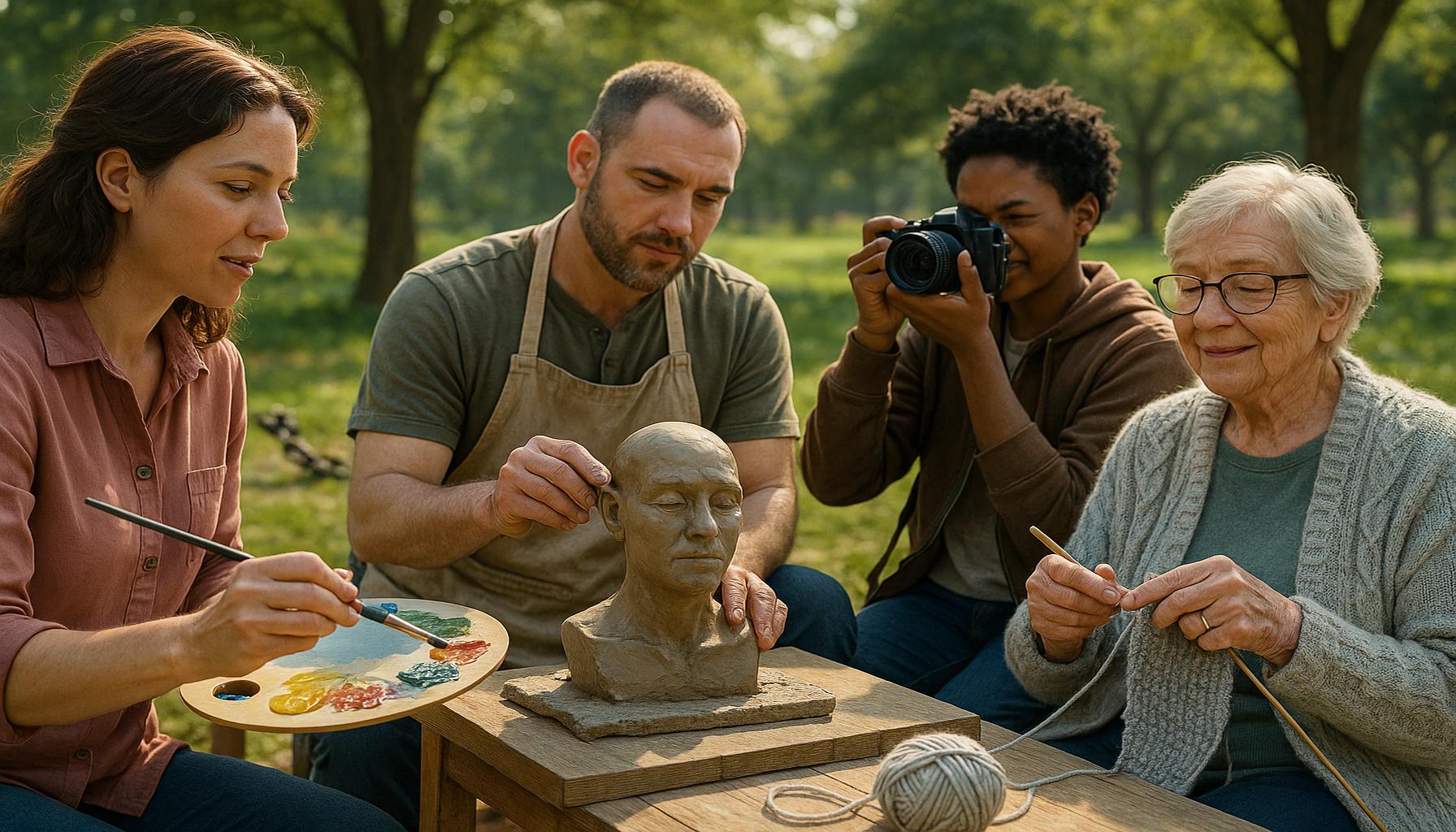
Artistic hobbies have the remarkable ability to bring individuals together, fostering a sense of community and belonging. The collaboration and interaction that often accompany creative pursuits can unite people across diverse backgrounds, forging relationships that transcend societal boundaries. This sense of community is especially vital in today’s fragmented society, where social isolation is increasingly prevalent.
Social Connectivity: Joining local art clubs, attending workshops, or participating in community art festivals can serve as a catalyst for social engagement. According to a report from the National Endowment for the Arts, individuals who participate in community-based art programs report higher levels of social cohesion and are more likely to engage with others in their communities. These vibrant interactions often lead to lifelong friendships and support networks, enriching individuals’ lives both emotionally and socially.
Sharing Perspectives: Artistic expression often encourages diverse perspectives and dialogue. Whether through collaborative projects or sharing completed works, artists create opportunities for discussion and empathy. This exchange allows for voices that may otherwise go unheard to be amplified, fostering a deeper understanding of different experiences and backgrounds. Think of community murals or public installations that tell stories of the locale; they often serve as conversation starters, driving engagement and unity in communities. The art collective “The Mural Arts Program” in Philadelphia has transformed neighborhoods by involving hundreds of local artists and community members, resulting in not only beautified spaces but also strengthened relationships among residents.
- Encouragement of Local Economies: Creative pursuits can stimulate local economies by attracting tourism and supporting small businesses. Art fairs, galleries, and workshops draw visitors and encourage spending in surrounding areas, benefiting local artisans and entrepreneurs alike.
- Intergenerational Connections: Artistic hobbies also foster intergenerational connections, bridging age gaps. Craft classes or music sessions that include participants of all ages can result in the sharing of skills and stories, imparting wisdom from older generations while encouraging younger individuals to express themselves creatively.
- Cultural Awareness: Artistic engagement often enhances cultural awareness and appreciation within communities. Local cultural festivals, showcasing various forms of artistic expression, promote inclusivity and recognition of the diverse cultural fabric that makes up society.
As community art initiatives grow, they offer invaluable resources for individuals seeking personal fulfillment through creativity. Many community centers across the United States now provide free or low-cost art classes, workshops, and exhibitions, democratizing access to the arts. This accessibility ensures that individuals from all walks of life can benefit from the transformative power of artistic involvement.
As the impact of artistic hobbies continues to unfold around the country, it becomes increasingly apparent that creativity transcends mere self-expression; it holds the potential to reshape communities and heal societal divisions. Embracing artistic endeavors not only enhances individual well-being, but also cultivates a shared sense of purpose and connectivity among participants. This collective experience demonstrates that creativity is indeed a powerful force in our pursuit of personal fulfillment and community resilience.
DISCOVER MORE: Click here to learn about the power of theater in mental health
Conclusion
In the rapidly changing landscape of our lives, the importance of creativity in personal fulfillment has never been more evident. Artistic hobbies offer a unique avenue for individuals not just to express themselves but also to connect deeply with others, fostering a sense of belonging and community as seen in art collectives and local exhibitions across the United States. From painting and music to sculpture and dance, the myriad forms of creative expression serve as a bridge, linking disparate communities while cultivating cultural awareness and respect for diversity.
The transformative power of creativity is undeniable; it enhances emotional well-being, sparks social engagement, and enriches local economies through shared artistic endeavors. People who engage in artistic activities often report improved mental health outcomes, increased self-esteem, and strengthened social ties. Furthermore, as we embrace artistic pursuits, we contribute to a societal shift towards greater empathy and collaboration, which is crucial in addressing today’s challenges of isolation and division.
As we move forward, it is essential to advocate for and support access to the arts for all individuals. Community art programs, local workshops, and accessible creative spaces are vital resources that democratize artistic participation. By prioritizing these initiatives, we not only empower individuals but also pave the way for a society that recognizes the value of creativity as a cornerstone of personal fulfillment and collective harmony.
In conclusion, let us remember that embracing creativity in our daily lives is not merely an indulgence but a pathway to profound transformation. Engaging in artistic hobbies not only enriches our individual experiences but also serves as a catalyst for change, weaving the threads of connection and understanding that bind us all together.