The Art of Photography: Capturing Emotions and Visual Narratives in Creative Expression

Exploring the Art of Photography
Photography is more than just a technique; it is a powerful medium for expression. With every click of the shutter, a story unfolds, capturing emotions and visual narratives that resonate deeply with viewers. From a candid smile to a breathtaking landscape, photography invites us to see the world through a unique lens.
The appeal of photography lies in its ability to create a profound connection between the viewer and the subject captured in that fleeting moment. Each photograph serves as a window into another reality, allowing audiences to experience the artist’s perspective or the essence of a particular event or landscape.
The Essential Elements of Photography
What makes photography an art form? Several elements play critical roles in transforming a simple snapshot into a compelling visual narrative. Consider the following:
- Composition: The arrangement of elements within a frame can evoke specific feelings. Techniques like the rule of thirds, leading lines, and framing help draw the viewer’s eye to the intended subject. For instance, a well-composed photograph of a bustling city street can convey a sense of energy and movement, while a meticulously arranged still life can evoke tranquility or nostalgia.
- Lighting: Different lighting techniques can alter the mood of an image dramatically. Natural light during golden hour, for example, creates warm and inviting photographs, perfect for evoking a sense of nostalgia. On the other hand, high-contrast lighting can be used to capture dramatic scenes, intensifying emotions and adding depth to the subject matter.
- Subject Matter: The choice of subject shapes the narrative and emotional impact of the photograph. Whether it’s a portrait highlighting the intricate details of a person’s expression or a landscape that emphasizes the grandeur of nature, the subject communicates a story that resonates with the audience.
Diverse Forms of Photography in the U.S.
In the United States, photography takes on various forms, from street photography depicting urban life to landscape photography capturing the nation’s stunning natural vistas. The diversity and vibrancy of American culture provide a rich tapestry for photographers. For example, street photographers like Henri Cartier-Bresson and more contemporary artists focus on candid moments in cities like New York and San Francisco, revealing the complexity of everyday life.
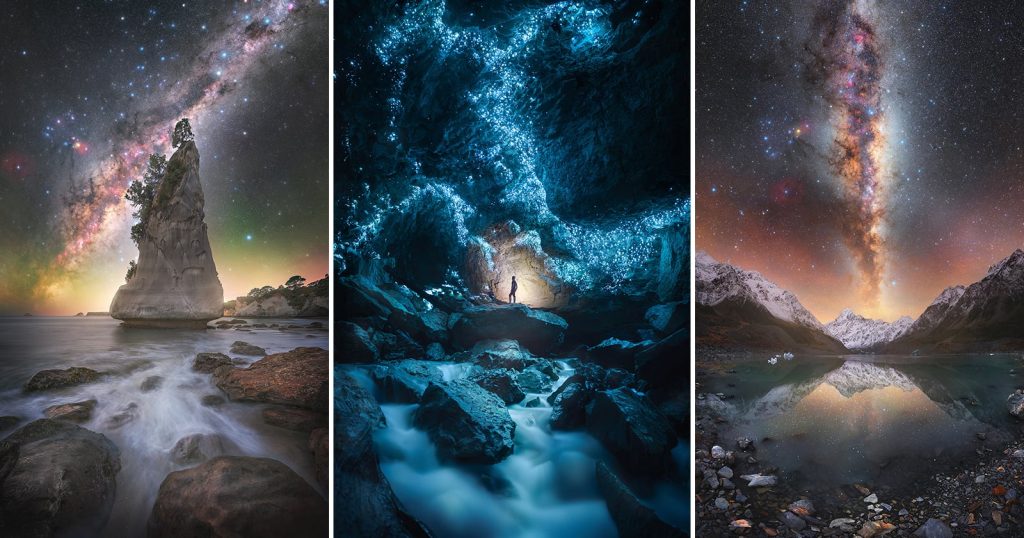
Similarly, landscape photographers venture into the breathtaking national parks, such as Yosemite and the Grand Canyon, to capture the splendor of the great outdoors. Each photo serves as a visual dialogue, a snapshot reflective of a moment in time, leading to endless interpretations. These images can inspire a stronger appreciation for the beauty and fragility of nature.
The Emotional Language of Photography
As you explore the art of photography, consider how a single image can convey complex emotions, tell profound stories, and stir a deep connection with its audience. Whether you are an aspiring photographer or an enthusiastic admirer, this journey into the nuanced world of photography promises to unveil fresh perspectives and inspire creativity. Each click of the shutter holds the potential for storytelling and engagement, inviting even the most casual observer to explore the world through the artist’s lens.
DISCOVER MORE: Click here to learn how creative hobbies build community
Unveiling the Layers of Meaning in Photography
The art of photography is a nuanced practice that transcends mere documentation; it is a form of creative expression that delves into the emotional depths of human experience. Each photograph becomes a silent narrative that speaks directly to the viewer, evoking feelings and thoughts that span a multitude of dimensions. With its unique ability to communicate complex ideas and emotions, photography functions as both an art form and a potent means of storytelling.
At the heart of photography is the understanding that every captured moment is imbued with layers of meaning. The context, setting, and elements in an image contribute to a rich tapestry of interpretations. For instance, a photograph of a child laughing can invoke happiness and innocence, while the same child in a moment of reflection may elicit feelings of nostalgia or melancholy. This multifaceted nature of visual narratives invites us to question not only what we see but also how we feel about it.
Critical Components in Crafting Visual Narratives
Photography’s ability to convey emotions is rooted in several critical components, which seasoned photographers understand and skillfully manipulate. These components include:
- Color Palette: Colors play a vital role in setting the mood of a photograph. Warm hues like reds and oranges generally evoke feelings of warmth and happiness, while cool colors such as blues and greens can create a serene or somber atmosphere. For instance, an image showcasing a sunset over the ocean with vibrant oranges and pinks can elicit joy and wonder, while a monochromatic photograph can convey a sense of isolation.
- Perspective and Angle: The perspective from which a photograph is taken contributes significantly to its emotional weight. An image shot from below, for instance, can evoke feelings of power and majesty, whereas a bird’s-eye view might give a sense of vulnerability. Each angle offers a unique narrative, leading the viewer to interpret the photograph in different ways.
- Facial Expressions and Body Language: In portrait photography, the expression and posture of the subject can reveal a plethora of emotions. A simple gaze can speak volumes about the subject’s state of mind, while their body language can enhance or contrast the emotions being conveyed, adding depth to the overall story.
The Role of Technique and Technology
In the contemporary world of photography, the role of technique and technology cannot be understated. With advancements in digital photography, photographers have access to sophisticated tools that allow for greater creativity and precision. From high-resolution cameras to editing software, these technological advancements enable artists to refine their images and enhance emotional impact. However, it is important to remember that while technology serves as an invaluable ally, the foundation of compelling photography lies in the vision and intent behind the shot. The real artistry emerges when technical prowess is combined with a passionate narrative, forging a connection that resonates with the audience.
In this exploration of the art of photography, it becomes evident that capturing emotions and visual narratives involves a delicate balance of technique, creativity, and a deep understanding of the human experience. As we further delve into this intricate world, it is essential to appreciate the stories told through the lens, revealing profound connections that reflect our shared humanity.
The Art of Photography: Capturing Emotions and Visual Narratives in Creative Expression
Photography is not merely about taking pictures; it is a profound art form that captures fleeting moments, allowing us to relive emotions and experiences. One of the essential aspects of photography is its ability to document stories that resonate on a deeply human level. Visual narratives are created through the careful selection of subjects, lighting, and composition, which all come together to communicate a broader message. Each photograph holds the potential to transcend time and place, making audiences feel connected to the emotions presented.
Another significant element in this art form is the emotional engagement that photography fosters between the viewer and the subject. An image can provoke happiness, sadness, nostalgia, or inspiration, depending entirely on how the viewer interprets the visual cues laid out before them. This emotional connection not only sparks individual reflections but also fosters a shared understanding among diverse audiences. Many photographers deliberately seek out moments that capture genuine emotions, resulting in work that strikes a chord with viewers.
The technique and technology used in photography continue to evolve, pushing the boundaries of creative expression. With the advent of digital photography and editing tools, many artists are now able to manipulate images in ways that were once unimaginable. As a result, photographers can enhance emotional layers within their work, orchestrating complex stories through color grading or digital effects. This evolution represents not only a tool for expression but also an invitation for aspiring artists to explore and experiment with their visual narratives.
| Category | Advantages |
|---|---|
| Emotional Depth | Allows for storytelling that resonates deeply with viewers. |
| Creative Expression | Incorporates various techniques and technologies for enhanced narratives. |
This interplay of emotion and technique ensures that photography remains a vibrant and engaging medium for both expression and exploration. As individuals delve into the world of photography, they are not only encouraged to capture stunning visuals but also to translate their personal experiences and emotions into compelling visual stories that evoke thought and inspire action.
DISCOVER MORE: Click here to explore the benefits of therapeutic photography</
The Intricacies of Composition and Narrative Flow
When navigating the art of photography, one cannot overlook the critical role of composition. Composition acts as the backbone of an image, guiding the viewer’s eye and establishing a visual narrative that unfolds within the frame. It encompasses elements such as the Rule of Thirds, leading lines, and spatial relationships, each contributing to how a photograph conveys its story. The careful arrangement of subjects within the frame can evoke tension, harmony, or even a sense of movement, effectively manipulating viewer engagement.
The Rule of Thirds is particularly noteworthy, as it suggests dividing the frame into a grid of nine equal parts with two horizontal and two vertical lines. Placing key elements along these lines or at their intersections creates a sense of balance and intrigue, allowing the viewer to interact dynamically with the image. For example, a photograph capturing a couple holding hands can resonate deeply if they are positioned off-center, thereby drawing attention to the surrounding environment and hinting at their connection to the world around them.
Storytelling through Context and Emotion
Beyond technical mastery, composition serves to enhance the storytelling aspect of photography. Context provides a background narrative that complements the subject, often revealing insights about the emotions involved. For instance, a photograph depicting a lone figure on a desolate beach at dusk might evoke feelings of solitude and introspection. The interplay of natural elements—the turbulent waves crashing against the shore and the dimming light—can further amplify the underlying emotion, shaping the viewer’s response to the work.
Moreover, the emotional journey of photography often emerges from a photographer’s intent. Great photographers imbue their work with their own stories, experiences, and perspectives, inviting viewers to share in these intimate narratives. Consider the work of renowned photojournalists like James Nachtwey or Steve McCurry. Their powerful images of conflict zones and cultural landmarks transcend mere representation, inviting viewers to confront complex social issues and empathize with marginalized voices. The urgency and gravity captured in their images often ignite emotions that resonate on a collective level, emphasizing photography’s role as an agent of change.
Engaging the Viewer’s Interpretation
A significant aspect of photography lies in its ability to engage viewers not just as passive observers but as active interpreters of the visual narrative. While a photographer may have specific emotions and stories in mind, the viewer’s personal experiences and perspectives inevitably color their interpretation. This exchange creates a rich tapestry of meaning, highlighting the collaborative essence between artist and audience.
To illustrate, consider the metaphorical quality of images. A photograph of an abandoned house may evoke various emotions—nostalgia for the past, curiosity about the stories untold, or even a sense of eerie haunting. Each viewer might walk away with a different emotional imprint based on their life experiences, making photography a profoundly democratic art form that fosters dialogue across diverse social landscapes.
Ultimately, the intricacies of composition, storytelling, and viewer engagement combine to form a dynamic approach to the art of photography. This interplay transforms simple images into compelling narratives that speak volumes about human emotion, experience, and connection, underscoring photography’s unique power to reflect both personal and collective journeys through the lens.
DIVE DEEPER: Click here to discover more
Conclusion: The Soul of Photography in Emotional Storytelling
In conclusion, the art of photography transcends mere image creation; it serves as a profound medium for capturing emotions and crafting visual narratives. As explored throughout this article, the intricate elements of composition play a pivotal role in shaping the viewer’s experience. Understanding principles like the Rule of Thirds and the use of space allows photographers to create images that stir the heart and beckon reflection.
Photography, at its best, tells stories that resonate deeply with viewers, inviting them to connect personal experiences to the broader themes at play. The emotional weight conveyed through context and narrative enhances the viewer’s engagement, fostering a powerful dialogue between artist and audience. Photographers like James Nachtwey and Steve McCurry exemplify this interplay, using their lenses to unveil social truths and urgent human experiences, thereby igniting empathy and igniting awareness.
Furthermore, the interpretive nature of photography invites a rich tapestry of meanings. Each viewer approaches an image with their own emotional lens, transforming the act of observation into a collaborative exchange. This creates a space for diverse interpretations and emotional connections, highlighting the democratic essence of photography as a form of creative expression.
As we embrace the journey of capturing the world through our lenses, we unlock the potential to not only document moments but to inspire change, evoke emotions, and share narratives that shape our collective human experience. The art of photography remains an enduring testament to the power of visual storytelling, inviting us all to explore the intricate dance of light, emotion, and narrative.