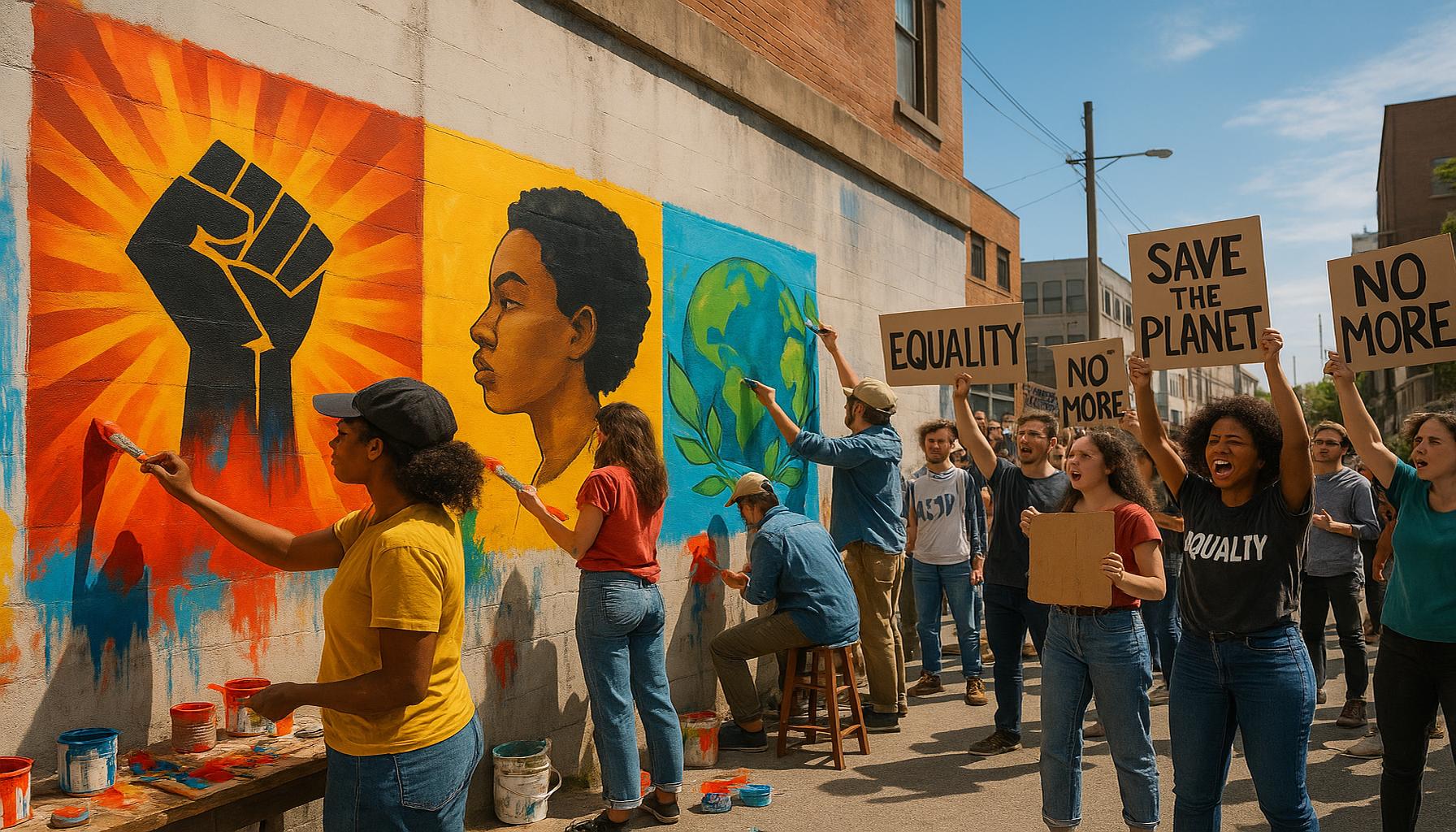
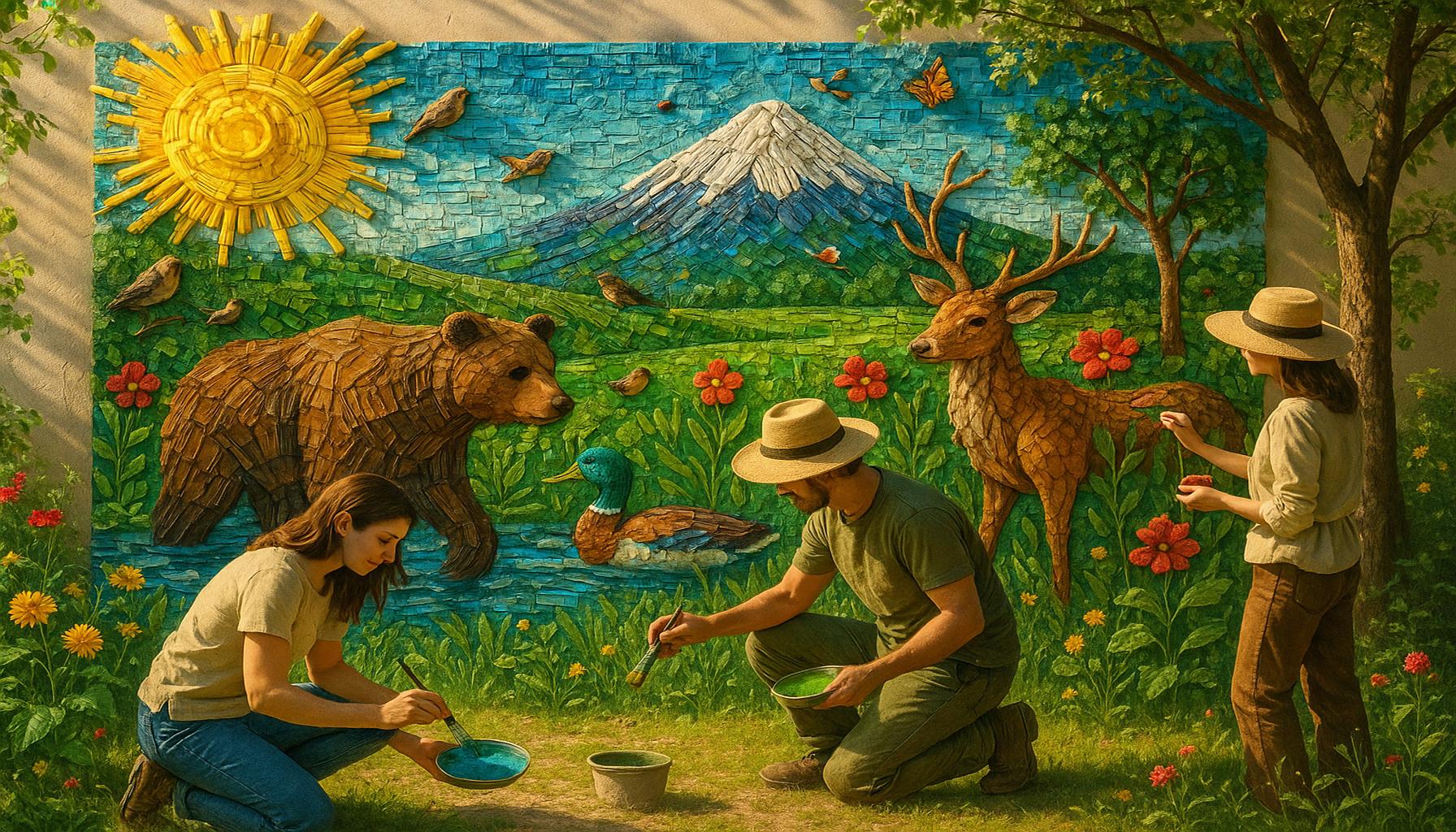
The Interaction between Literature and Other Forms of Art: How Writing Inspires and Enriches Artistic Expression
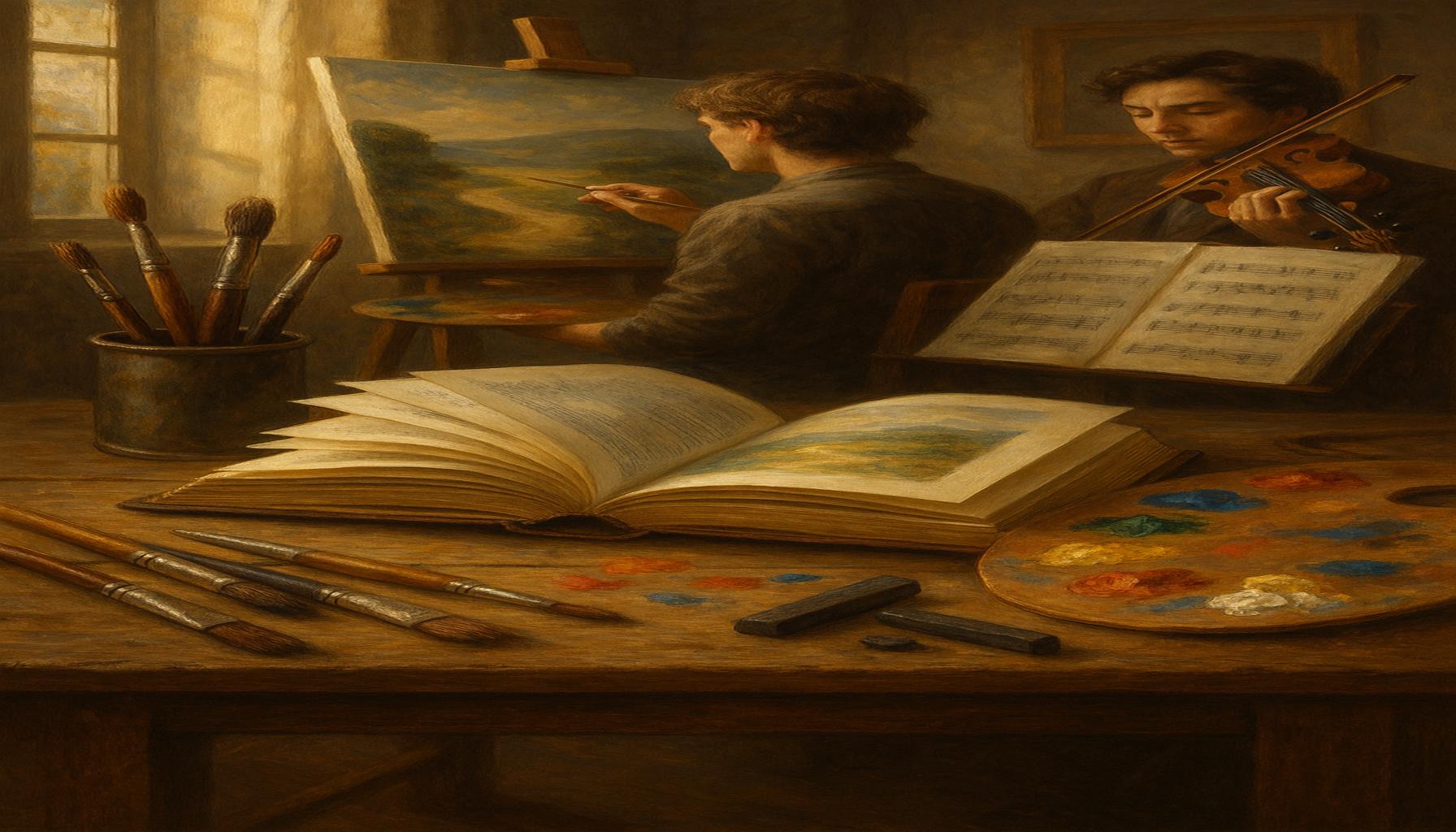
Exploring the Symphony of Arts
In a society where the boundaries of creativity continue to expand, literature serves as a vital force that harmonizes with various artistic expressions. This interconnection between written word and various art forms not only enhances our appreciation of creativity but also examines the reflection of diverse cultures and historical timelines. Through this dynamic interplay, literature stimulates and revitalizes a plethora of artistic avenues, leading to remarkable collaborations that resonate with audiences worldwide.
Consider the following examples of how literature serves to enrich other art forms:
- Visual Art: Renowned artists such as Vincent van Gogh found profound inspiration in the literary work of his contemporaries. Van Gogh was particularly influenced by the poetry of Paul Gauguin, leading to his expressive use of color and form. Their correspondence and shared artistic vision highlight how literary themes can transform visual narratives into deeply evocative images.
- Theater: The works of Shakespeare, especially timeless plays like “Hamlet,” have spawned an array of adaptations across different mediums. From modern cinematic interpretations to innovative dance performances, they explore the intricate layers of human emotions, capturing the essence of the characters in fresh and engaging ways. This adaptability showcases the enduring relevance of literature in theatrical expressions.
- Music: The symbiosis between literature and music is vividly apparent in countless songs that draw inspiration from literary themes. Artists such as Bob Dylan and Taylor Swift weave narratives through their lyrics, creating stories that resonate deeply with listeners. These songs often address universal experiences and emotions, showcasing the power of storytelling in musical forms.
This symbiotic relationship between writing and other art forms not only elevates their aesthetic appeal but also enriches their thematic significance. By exploring how narrative structures, character arcs, and thematic depth contribute to the overall artistic expression, we unveil a myriad of insights. For instance, the exploration of existential themes in literature often deepens the emotional resonance in a painting or a musical composition, inviting audiences to reflect and engage more profoundly.
As we delve deeper into the interconnectedness of these disciplines, it becomes evident that literature plays a crucial role in the multifaceted tapestry of artistic expression. Such exploration reveals a universe of creativity that continuously evolves, prompting artists to merge their craft in innovative ways. Understanding this interplay encourages us to appreciate not just the beauty of individual art forms, but also the conversations they inspire when intertwined, prompting an ongoing journey of discovery and reflection.
DISCOVER MORE: Click here for insights on therapeutic photography
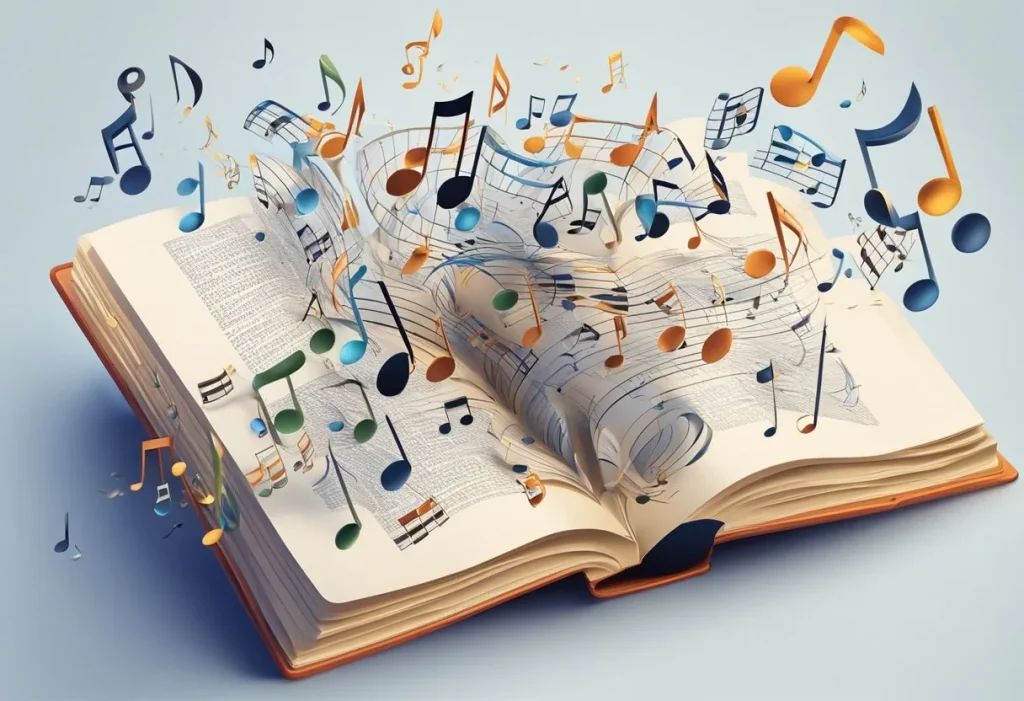
The Literary Palette: How Words Ignite Imagery
The interplay between literature and visual art offers a compelling narrative of inspiration and transformation, wherein the nuances of language fuel the imagination of artists. Writers provide a canvas of symbols, themes, and emotions that visual artists interpret through their unique lenses. In the realm of visual art, literature can cultivate a rich tapestry of ideas, leading to artworks that not only reflect the textual landscapes that inspire them but also challenge viewers to engage with the deeper meanings behind the images.
For instance, the works of American poets such as Walt Whitman and Emily Dickinson resonate deeply with visual artists, inspiring paintings that encapsulate the essence of their verse. Artists like Edward Hopper have drawn from the themes of isolation and longing prevalent in Whitman’s poetry, creating iconic American scenes that evoke a profound sense of melancholy and introspection. These connections highlight how literary imagery can permeate visual representations, giving rise to works that are not merely aesthetic but also intellectually stimulating.
Similarly, the relationship between literature and theater showcases a fascinating evolution of storytelling. Written plays serve as blueprints for directors and actors, who bring literary texts to life. Notable adaptations, such as Tony Kushner’s “Angels in America,” which blends magical realism with historical events, demonstrate how dramas can transcend their written form to explore contemporary issues with vigor. The use of multimedia elements, such as projections and improv, further illustrates how literature can inspire innovative theatrical forms, blurring the lines between script and performance. This creative synergy fosters a continually evolving art scene, with theater becoming a rich ground for literary exploration.
- Adaptations of Novels into Films: Iconic literature has often been adapted into celebrated films. For example, F. Scott Fitzgerald’s “The Great Gatsby” has been reimagined in various cinematic forms, each interpretation unearthing new thematic elements relevant to the era of its release. This continual reinterpretation showcases how literature serves as a wellspring of inspiration, allowing filmmakers to explore complex characters and societal issues.
- Illustration and Graphic Novels: Works such as Marjane Satrapi’s “Persepolis” exemplify how literary narratives can morph into captivating graphic novels. The synergy between artwork and text not only broadens the audience but also invites an exploration of nuanced cultural identities and experiences.
- Influence on Dance: The rhythmic cadence of poetry often finds expression in dance. Choreographers may interpret a literary work through movement, embodying its themes and emotions in a way that transcends the page and immerses the audience fully in the narrative experience.
The rich confluence of literature and other art forms not only enhances the aesthetic experience but also prompts a deeper understanding of the human condition. As artists embark on the journey of interpretation, the original literary works become catalysts for dialogue and reflection, inviting audiences to rethink their perceptions of both art and the world around them. This constant interplay reveals the potency of words in shaping visual landscapes, performance stages, and contemporary culture, urging us to explore the abundant connections that enrich our artistic tapestry.
The Deep Influence of Literature on Visual Arts
When exploring the interaction between literature and visual arts, one cannot overlook how narratives woven in poems and novels inspire breathtaking paintings and sculptures. Take, for instance, the works of Vincent van Gogh, who was profoundly influenced by the written narratives of his time. His painting “Starry Night” reflects not just a moment in time, but resonates with the emotional undertones found in various literary works. Artists often attribute their visual expressions to literary sources, where the interplay serves as a vital source of inspiration.
This relationship does not remain one-sided; visual representations of literary texts invite audiences to engage with the prose in new manners. Artists like Salvador Dalí create pieces infused with symbolism and metaphors drawn from classic literature, thus providing a multi-dimensional interpretation that challenges viewers and encourages dialogue. The concept of intertextuality bridges various art forms, sparking a rich dialogue that expands the audience’s understanding of both disciplines.
The Collage of Music and Words
The fusion of literature and music is another marvel where writing transcends its conventional boundaries. From the ballads of the past to contemporary song lyrics, the power of language is synced with melody, creating profound emotional resonance. Artists like Bob Dylan have crafted songs so intricately linked to poetic themes that they bring literary elements to the forefront, allowing listeners to experience stories and emotions through sound.
Additionally, literature captures moments and emotions that composers translate into musical compositions, showcasing how written expression can shape auditory experiences. The interplay between written word and melody enriches both realms, offering audiences a chance to explore narratives through diverse sensory channels. This dynamic fosters a deeper appreciation of how themes of love, loss, and triumph resonate across different art forms, inviting further exploration.
| Category | Description |
|---|---|
| Literature’s Impact on Visual Art | Literary narratives significantly inspire artists, leading to thought-provoking visual interpretations that resonate with audiences. |
| Music Inspired by Literature | Song lyrics and melodies intertwine, conveying complex narratives and emotions reflective of literary themes, creating multi-sensory experiences. |
This synergy not only enhances artistic creation but also serves as a profound reminder of the interconnectedness between various forms of art. As writers pen down their thoughts, they unknowingly pave the way for artists to visualize and musicians to resonate, creating an enduring legacy that speaks to the richness of human creativity.
DIVE DEEPER: Click here to learn about the psychological benefits of creative hobbies
Words in Motion: The Influence of Literature on Performance Arts
The nexus between literature and performance arts, including dance and music, unveils yet another dimension of how writing serves as a vital source of inspiration. Literary themes and narratives not only provide the groundwork for these artistic expressions but also challenge performers to interpret and embody complex human experiences through movement and sound. Choreographers often delve deep into novels and poems, translating words into visceral forms of storytelling that transcend traditional narratives.
Take, for instance, the evocative works of poet Maya Angelou. Her poetry, rich in imagery and emotion, has inspired numerous dance pieces that seek to replicate the transformative power of her words. Dancers interpret the themes of resilience and identity found in her verses by weaving intricate movements that reflect both personal and collective struggles. This artful amalgamation of dance and literature not only amplifies the emotional resonance of Angelou’s work but also invites audiences to engage with the text on a newfound level.
On a broader scope, the world of opera serves as a testament to literature’s profound impact on musical expression. Operas often adapt classic literary works, weaving elaborate narratives that combine music, lyrics, and performance. For example, Giacomo Puccini’s “La Bohème,” based on Henri Murger’s novel “Scènes de la Vie de Bohème,” captures the essence of bohemian life through a unique interplay of melody and text, echoing the sentiments of love, loss, and camaraderie. These operatic adaptations expose how literature can transcend its print confines, producing a multi-sensory experience that engages diverse audiences.
The Poetic Symphony: Literature’s Resonance in Music
Literature’s influence extends into music, where songwriters and composers often draw upon poetic themes to craft lyrics and compositions. Iconic musicians like Bob Dylan and Leonard Cohen possess an unmistakable literary quality in their songwriting, weaving intricate narratives and profound reflections inspired by literary sources and historical texts. Dylan’s song “Desolation Row,” for instance, evokes a vivid tableau reminiscent of modernist literature, capturing the essence of societal disillusionment punctuated by surreal imagery.
Furthermore, musical theater serves as a vibrant platform where literature and music intertwine. Shows like “Hamilton,” which revolves around the life of founding father Alexander Hamilton, not only draw from historical documents but also infuse the narrative with contemporary language and hip-hop rhythms. This fusion exemplifies how the written word can evolve into a lively art form, engaging audiences while offering fresh perspectives on historical figures and events.
- Spoken Word and Performance Poetry: The rise of spoken word poetry exemplifies the collision of literature and theater. Artists take the stage to deliver powerful narratives that breathe life into social issues, much like traditional playwrights.
- Artistic Collaborations: Cross-disciplinary collaborations are increasingly common, with writers teaming up with visual artists and musicians to create multi-faceted works that embody shared themes and concepts.
The dynamic relationship between literature and performance arts enriches the artistic landscape, weaving narratives that pulse with life and emotion. By embedding literary works into the very fabric of performance, artists are not only honoring the written word but also extending its reach, allowing audiences to engage with literary themes in innovative, dynamic ways. This reimagining of literature invites us to explore the myriad expressions of storytelling that continue to shape our cultural narrative, revealing the transformative power of the written word in all its artistic manifestations.
DIVE DEEPER: Click here to learn how crafting can boost your confidence
Conclusion: The Interwoven Tapestry of Art Forms
The exploration of literature and its profound influence on various artistic expressions reveals a rich tapestry of cultural narratives that continue to evolve. From the evocative movements in dance inspired by the poignant words of poets like Maya Angelou, to the powerful narratives in opera and musical theater where classic literary works find new life, the interplay between writing and other forms of art is both dynamic and transformative. This complex relationship not only breathes life into the written word but also invites audiences to engage with these narratives on multiple levels, facilitating a deeper understanding of the human experience.
As artists collaborate across disciplines, the fusion of literature with visual arts, music, and performance continues to push boundaries, creating innovative works that resonate with contemporary themes and emotions. The emerging trend of spoken word poetry exemplifies this intersection, as artists deliver compelling narratives that evoke empathy and provoke thought, mirroring the influence of traditional playwrights.
This vibrant interaction not only enriches each art form but also highlights the essential role literature plays in shaping cultural identity and dialogue. As we witness the continual blending of these artistic realms, it becomes evident that the transformative power of literature lies not in isolation, but in its ability to inspire and connect diverse expressions of creativity. Encouraging exploration into how written words permeate artistic landscapes opens doors to new interpretations and deeper emotional connections, reminding us of the profound impact art can have on society as a whole.