Using Artistic Pursuits to Enhance Problem-Solving Skills
Unlocking Creativity Through Art
Every day, individuals face various challenges that require innovative solutions. Surprisingly, engaging in artistic pursuits can significantly improve one’s ability to solve problems. This connection between creativity and critical thinking is gaining traction in educational and professional environments.
Art’s Impact on Problem-Solving
Art encourages a unique way of thinking, pushing boundaries and exploring new perspectives. Here are a few ways artistic activities enhance problem-solving skills:
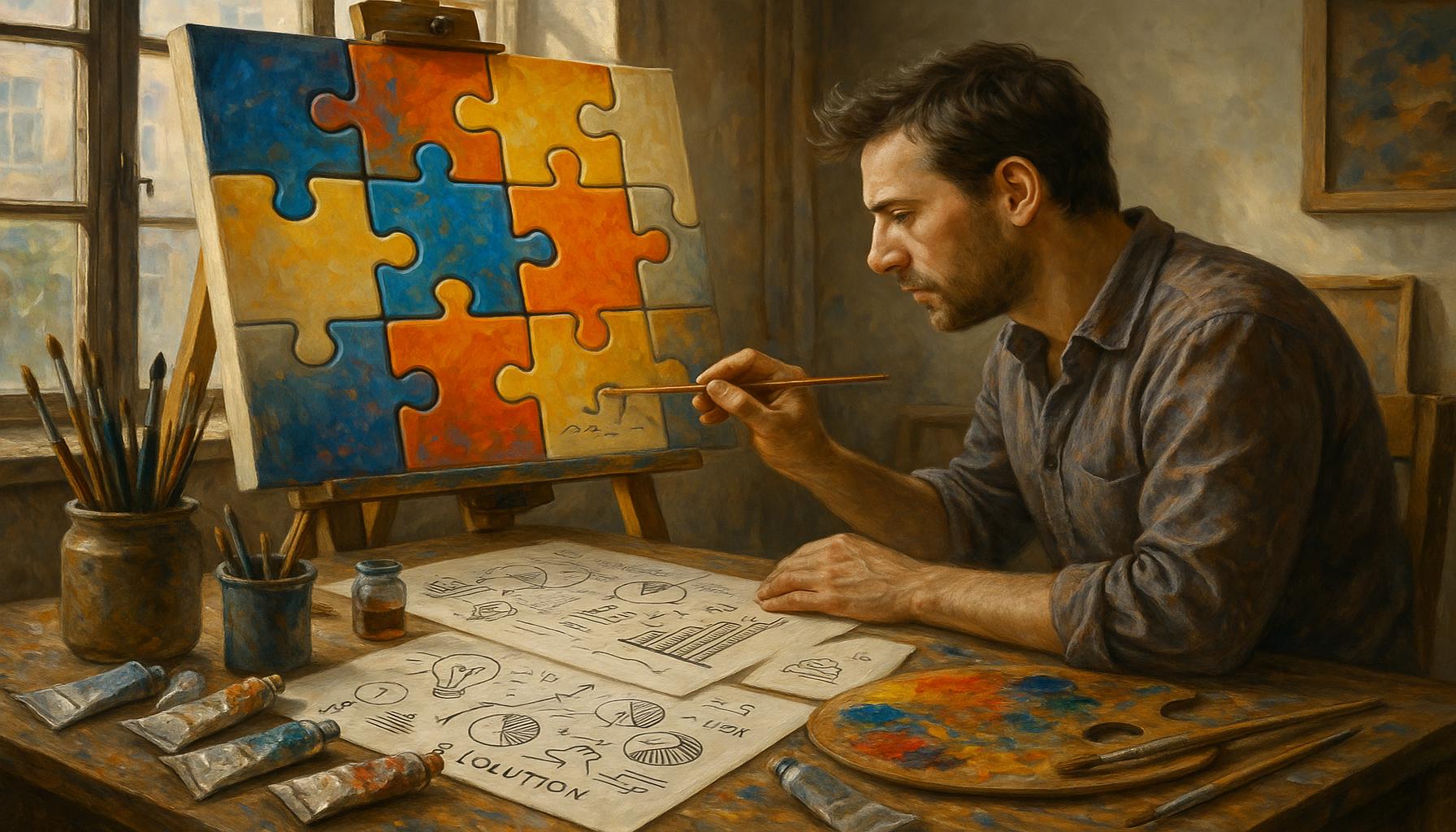
- Encouraging Experimentation: Engaging in artistic endeavors often requires participants to embrace trial and error. For instance, a painter might mix colors in unexpected ways, leading to new shades and techniques. This willingness to experiment fosters a mindset that welcomes failure as a learning opportunity, essential for overcoming obstacles in both personal and professional life.
- Enhancing Observation: Arts such as drawing or photography teach individuals to notice intricate details that may go unnoticed in everyday life. For example, a photographer must pay attention to light, shadow, and composition to capture the perfect shot. This heightened ability to observe translates well into better analysis and comprehension of complex problems, such as identifying trends in data or understanding customer needs in a business context.
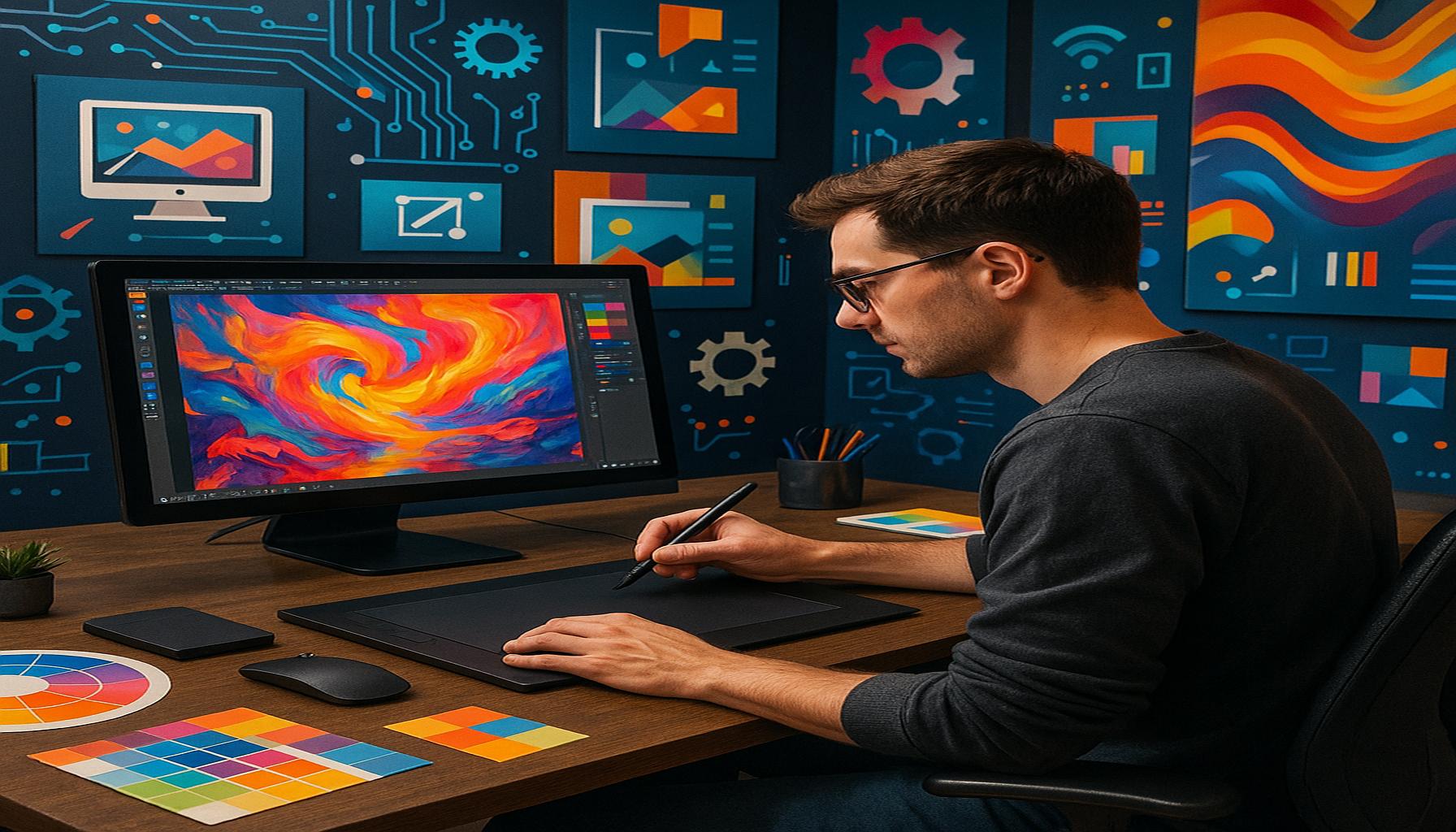
- Stimulating Innovative Thinking: The creative processes involved in art frequently lead to unconventional ideas. A graphic designer, for instance, may blend different styles to create a logo that stands out in a crowded market. These innovative approaches are invaluable for brainstorming solutions that push boundaries and break away from traditional methods.
As more individuals recognize these advantages, educational programs are increasingly integrating art into STEM curricula, resulting in the growing emphasis on STEAM (Science, Technology, Engineering, Arts, and Mathematics). This shift underscores a deeper appreciation of how embracing creativity can lead to significant advancements in both personal development and professional landscapes.
The Path Forward
In a rapidly evolving world that increasingly values innovation, using art to cultivate problem-solving skills is both practical and necessary. By venturing into the realm of creativity through various artistic avenues, individuals can unlock their potential and approach challenges with renewed vigor. Numerous companies, such as Google and Apple, have recognized the importance of creativity by fostering environments that encourage artistic expression among employees. This not only stimulates innovative thinking but also enhances job satisfaction.
In conclusion, the intersection of art and problem-solving is a burgeoning area of exploration that promises to reshape educational systems and workplaces alike. It encourages individuals to think outside the box, ensuring they are well-equipped to handle the complexities of the modern world. As we continue to advocate for the inclusion of arts in various disciplines, the potential for creativity-driven breakthroughs appears limitless.

DISCOVER MORE: Click here to learn about the power of theater in mental health
Artistic Approaches to Developing Analytical Skills
The relationship between artistic endeavors and problem-solving capabilities is backed by increasing evidence in psychology and cognitive sciences. Engaging in artistic pursuits not only sparks creativity but enhances critical thinking skills by encouraging individuals to approach challenges from multiple angles. Let’s delve into some key aspects of how art can shape an individual’s analytical abilities:
- Fostering Critical Thinking: Artistic activities often compel individuals to reflect on their choices and decisions. For example, a musician improvising during a performance must evaluate their options in real-time, developing rapid critical thinking skills. This practice is transferable to real-world situations, where one needs to make quick, informed decisions under pressure. Learning to navigate through artistic uncertainties trains the mind to tackle everyday problems with similar agility.
- Building Resilience: The process of creating art can be fraught with setbacks. A sculptor may discover that their initial concept doesn’t translate well into three dimensions, prompting them to reconsider and revise their approach. This iterative process of creative resilience not only teaches artists to bounce back but also instills a sense of perseverance when facing challenges in other areas of life, be it academic, personal, or professional. Such resilience is an asset in today’s competitive landscape.
- Cultivating Collaboration: Artistic pursuits frequently involve teamwork, whether it’s in a theater production, a collaborative mural, or a group dance performance. This collaboration encourages individuals to communicate effectively, share responsibilities, and embrace diverse viewpoints—all crucial aspects of problem-solving. By working together, artists learn to merge their ideas, enhancing group dynamics and fostering a sense of community that leads to innovative solutions.
The incorporation of artistic principles into traditional problem-solving frameworks is not just an abstract theory; it is a practice that many organizations are beginning to adopt. Various companies are recognizing that a workforce trained in creativity can approach market challenges with fresh ideas and perspectives. In fact, a study conducted by the University of Illinois found that employees who engaged in creative activities showcased higher levels of productivity and innovation.
Furthermore, educational institutions across the United States are increasingly implementing programs that combine art with science and technology, emphasizing the importance of creativity in future job markets. By nurturing creative problem-solving skills from an early age, students are better equipped to handle the complexities they will face in their careers.
As we explore the multifaceted benefits derived from artistic pursuits, it becomes evident that the integration of arts into various disciplines is not only a trend but a forward-thinking approach to skill development. As technology advances and global challenges evolve, embracing creativity as a tool for problem-solving ensures individuals are prepared for an unpredictable future.
Using Artistic Pursuits to Enhance Problem-Solving Skills
Engaging in artistic pursuits can significantly bolster one’s problem-solving skills, leading to greater creativity and innovative thinking. Art requires individuals to navigate through challenges, such as overcoming creative blocks or finding unique solutions to visual representation dilemmas. This engagement not only fosters a creative mindset but also equips individuals with various strategies to approach and tackle problems in everyday scenarios.
Through painting, sculpting, or even performing arts, individuals learn to think outside the box, honing their ability to visualize and execute solutions. Moreover, artistic endeavors encourage the development of critical thinking as artists constantly assess their work, make adjustments, and revisit concepts. This iterative process mirrors the methodologies applied in many problem-solving frameworks.
| Category | Advantages |
|---|---|
| Creative Expression | Enhances out-of-the-box thinking and innovation. |
| Critical Evaluation | Promotes constructive criticism and adaptability in problem-solving approaches. |
In addition, participating in group artistic activities cultivates teamwork and collaboration. Problems often require diverse perspectives for effective resolution. Artistic endeavors can break down barriers between individuals, fostering camaraderie that stimulates collective brainstorming, leading to more effective solutions.
Through practicing artistic pursuits regularly, individuals can develop their capacity to navigate both creative and analytical challenges, enhancing their overall problem-solving abilities. This comprehensive skill set is invaluable in academic, professional, and personal contexts, guiding individuals to achieve better outcomes in various aspects of life.
DISCOVER MORE: Click here to learn about the impact of digital art
Bridging Art and Innovation for Effective Solutions
In an ever-changing landscape where innovation is paramount, integrating artistic pursuits into problem-solving frameworks is proving beneficial not only in creative industries but across various sectors. Exploring the intersection of art and innovation reveals additional ways that artistic engagement enhances critical skills necessary for success in today’s world.
- Encouraging Diverse Perspectives: Artistic endeavors often draw from a wide array of influences and backgrounds, opening up pathways for innovative thinking. Art invites individuals to draw connections between seemingly unrelated concepts, making it an ideal training ground for lateral thinking. For instance, in design thinking workshops, participants are encouraged to employ visual arts as a springboard for brainstorming, allowing them to think outside conventional boundaries. Companies like IDEO have popularized this approach, illustrating how viewing challenges through an artistic lens can yield unconventional yet effective solutions.
- Enhancing Emotional Intelligence: Artistic creation requires a level of emotional engagement that bolsters empathy and self-awareness, both crucial components of effective problem-solving. When artists interpret the emotional landscapes of their subjects—be it through painting, writing, or performance—they learn to better understand diverse emotional reactions in audiences. This skill translates into the workplace where understanding team dynamics or customer sentiments can lead to more effective collaboration and solutions. Studies indicate that individuals with high emotional intelligence tend to excel in situations demanding critical analysis, making art an integral tool in cultivating this attribute.
- Promoting Adaptive Thinking: Navigating the unpredictable nature of art demands an adaptable mindset. A playwright may need to alter a script post-rehearsal due to actor feedback, or a graphic designer may pivot a project based on client preferences. This experience in adjusting to change directly correlates with the ability to adapt to new information when solving complex problems. Furthermore, industries such as healthcare are recognizing the need for adaptability as they face rapid advancements in technology and patient care methodologies.
Moreover, initiatives such as STEAM (Science, Technology, Engineering, Arts, and Mathematics) education are gaining traction across school systems in the United States. By emphasizing artistic integration within STEM fields, educators foster a holistic skill set among students, bridging technical knowledge with creative abilities that are invaluable in modern workplaces. Research demonstrates that students engaged in STEAM programs outperform their peers in areas requiring problem-solving and critical thinking, underscoring art’s role in comprehensive education.
As businesses and educational institutions begin to recognize the currency of creativity in effective problem-solving, it becomes clear that the arts are not merely supplementary but rather foundational. Initiatives like corporate hackathons that emphasize creativity and innovation are being embraced by tech giants and startups alike, proving that infusing artistic pursuits into the workplace can boost morale and lead to groundbreaking results.
Incorporating art into traditional methods of problem-solving opens a dialogue about the potential for creativity to transform not only individual capabilities but also organizational cultures. As the world faces complex challenges, learning to approach problems with an artistic mindset may be one of the most crucial skills to develop.
DIVE DEEPER: Click here to learn about the benefits of gardening
Rethinking Problem-Solving Through Art
In conclusion, the integration of artistic pursuits into the problem-solving process presents a transformative opportunity for individuals and organizations alike. As we’ve explored, art fosters diverse perspectives that challenge conventional thinking and stimulate innovative solutions. By embracing creativity, teams can break free from traditional paradigms and tap into new, uncharted territories of thought.
Moreover, the enhancement of emotional intelligence through artistic engagement equips individuals with the critical skills needed for effective collaboration and understanding in professional settings. This emotional depth not only enables better interpersonal relations but also amplifies one’s capability to navigate complex challenges with empathy and insight.
The importance of adaptive thinking cannot be overstated in this ever-evolving landscape. The experiences gained through artistic practices prepare individuals to respond to shifting circumstances, allowing for creativity that thrives amidst uncertainty. As various industries recognize this need, the intersection of art with fields such as healthcare and technology becomes increasingly relevant.
As initiatives like STEAM education continue to bridge the gap between arts and sciences, the next generation will be better equipped to approach problems holistically. By combining technical knowledge with creative abilities, students can emerge as well-rounded thinkers capable of addressing intricate challenges.
Ultimately, embracing artistic pursuits as a fundamental element of problem-solving not only enriches individual skill sets but also fosters a culture of innovation and resilience. As we continue to navigate complex global issues, harnessing the creative power of art may prove to be one of the most effective strategies for sustainable problem-solving in the future.