Harnessing Photography as a Tool for Developing Technical Skills and Artistic Vision
Photography as a Gateway to Growth
Photography is more than just capturing moments; it is a powerful medium for honing both technical skills and artistic vision. In today’s digital age, mastering this craft not only opens up new avenues for personal expression but also paves the way for professional opportunities. Engaging in photography can be a transformative experience, leading to growth on multiple levels.
Technical Mastery
Understanding the intricacies of camera settings, lighting, and composition can significantly enhance your technical expertise. For instance, familiarizing yourself with settings such as ISO, aperture, and shutter speed allows you to manipulate how images are captured. A great example is the use of a wide aperture (small f-number) to create a beautiful bokeh effect, which beautifully blurs the background while keeping the subject in sharp focus. This is particularly effective in portrait photography, where the aim is to draw attention to the subject.
Creativity Boost
Challenging yourself to find unique perspectives stimulates your imagination and encourages outside-the-box thinking. Photography prompts you to see the world through a different lens—literally. Instead of viewing a bustling city as a chaotic landscape, you might capture the intricate details of an overlooked street corner or the serene beauty of dawn against urban skyscrapers. Such explorations can expand not only your skill set but also your worldview.
Visual Storytelling
Learning to convey emotions through images enhances your narrative abilities. A powerful photograph possesses the ability to tell a story without uttering a single word. Consider the poignant examples found in photojournalism, where a single image can encapsulate hope, despair, or triumph. Images from the Civil Rights Movement or the more recent protests for racial justice have served as compelling reminders of the power of visual storytelling in effecting social change.
Expanding Your Artistic Horizons
By engaging in photography, one not only learns to operate a camera but also explores the nuances of visual artistry. The journey often begins with experimentation. Trying out various genres, whether it be portrait, landscape, or street photography, allows for personal growth and skill diversification. For example, experimenting with black and white photography can help you understand form and contrast in ways that color photography might not. Each style presents its own challenges and rewards, making the learning process dynamic and engaging.

Moreover, critical analysis of your work and the works of others fosters a reflective practice that is essential for improvement. When you assess a photograph, you’re prompted to consider elements such as composition, lighting, and emotional impact. This introspection can lead to significant advancements in your technique and artistic expression.
Harnessing Technical Tools
Utilizing software for editing and enhancing images adds a valuable layer to your toolkit. In a world where even the best photographers rely on editing tools like Adobe Photoshop or Lightroom, learning how to enhance your photographs is crucial. Mastering these programs allows you to refine your images, correct imperfections, and bring your creative vision to life.
Ultimately, photography serves as a bridge connecting technique and creativity. As you delve deeper into this art form, you’ll discover new dimensions within your technical capabilities and artistic sensibilities. Not only does photography enrich your skills, but it also encourages personal exploration and expression, making it an invaluable pursuit for those looking to connect with the world—and themselves—in new ways.
DISCOVER MORE: Click here to learn how crafting can soothe your mind</p
Mastering the Fundamentals
At the core of photography lies a foundation built upon technical knowledge and practice. Understanding your camera’s functionalities is paramount to taking great photographs. Each camera, whether a DSLR, a mirrorless model, or even a smartphone, has its own set of features that require exploration and comprehension. Learning to navigate these settings can transform a simple snapshot into a captivating image. Here are some essential concepts that every aspiring photographer should grasp:
- Exposure Triangle: Comprising ISO, aperture, and shutter speed, this trio defines how much light enters the camera. Experimenting with these settings allows you to capture the desired mood and clarity in your images.
- Focus and Depth of Field: Understanding how to control focus points gives you the ability to dictate what elements of your composition draw attention. Mastering depth of field can help achieve desired effects, pulling viewers into your intended subject matter.
- Composition Techniques: Learn rules such as the rule of thirds, leading lines, and framing to create visually appealing photographs. These guidelines serve as a launching pad for more creative compositions.
Technical skills are not just about knowing how to adjust settings; they also involve the practical application of these principles in real-world scenarios. For instance, shooting a landscape during golden hour requires an understanding of lighting conditions—how the sun’s angle can enhance the natural beauty of the scenery. Such knowledge of timing and environmental conditions can elevate a photograph from average to extraordinary.
The Importance of Consistent Practice
Just like any other skill, photography demands consistent practice. Making a habit of photographing different subjects and experimenting with techniques can produce significant improvements over time. Joining local photography clubs or online communities not only provides opportunities for feedback but also connects you with fellow enthusiasts eager to share tips and insights. Participation in challenges or contests can also push your boundaries, encouraging you to try new genres and styles.
As you embark on your photographic journey, it’s valuable to look at the works of seasoned professionals. Analyzing images from prominent photographers—such as Ansel Adams’ majestic landscapes or Steve McCurry’s striking portraits—can provide inspiration and insight into what makes a photograph impactful. Beyond just observing, trying to recreate their techniques can also offer invaluable lessons.
Integrating Technology into Photography
In this digital era, the integration of technology into photography enhances not only creativity but also the technical aspects of the craft. Familiarity with photo-editing software is becoming essential for photographers at all levels. Programs like Adobe Lightroom allow photographers to enhance colors, correct imperfections, and convey their creative vision effectively. Understanding how to leverage these tools can refine your projects, making them more visually appealing and polished.
The journey of mastering photography is a multifaceted endeavor. By immersing yourself in the technical aspects and engaging in consistent practice, you open yourself up to a world of creative expression and personal growth. As you navigate through the complexities of this art form, you will undoubtedly develop both technical skills and a unique artistic vision that sets your work apart.
Harnessing Photography to Enhance Your Skills
Photography serves as a powerful medium not only for artistic expression but also for technical skill development. Engaging with photography encourages individuals to refine their observational skills, enabling them to capture moments with precision. With the rise of digital platforms, aspiring photographers have opportunities to explore various styles, techniques, and genres, further fostering their artistic vision. Experimentation is a vital part of this journey, as photographers find their unique voice through trial and error.As practitioners delve deeper into photography, they also acquire a variety of technical skills. Mastering camera settings, understanding lighting, and post-processing techniques are essential components of digital photography. This knowledge enhances their creative output and allows them to visualize their intentions more clearly, bridging the gap between concept and execution. Moreover, sharing their work online can open avenues for constructive feedback, bolstering their growth. Engaging with a community of fellow photographers leads to collaboration and inspiration. Thus, as one hones their ability to manifest artistic ideas, they simultaneously cultivate a technical foundation vital for their success in the ever-evolving landscape of visual arts.
| Skill Development | Artistic Exploration |
|---|---|
| Technical Proficiency | Diving deep into camera operations and settings enhances one’s ability to create compelling images. |
| Creative Vision | Developing a distinctive style enables photographers to communicate personal experiences and narratives through visuals. |
As photography continues to evolve, harnessing its potential to improve technical skills and artistic vision remains vital for both amateurs and professionals alike. By embracing this art form, individuals unlock new dimensions of self-expression while mastering the intricate details that define captivating photography.
DISCOVER MORE: Click here to learn how performance can enhance mental well-being
Exploring Creativity Through Different Genres
Photography is an expansive art form that encompasses a variety of genres, each offering unique opportunities for both technical skill development and artistic expression. By exploring different styles of photography, practitioners can broaden their perspectives, experiment with diverse techniques, and push their creative boundaries. Here are a few popular genres that can serve as excellent platforms for growth:
- Portrait Photography: Capturing the essence of a person requires more than just technical prowess; it demands an understanding of human emotion and connection. Playing with lighting, backgrounds, and angles can enhance your portraits, providing insight into how to convey personality and story through images.
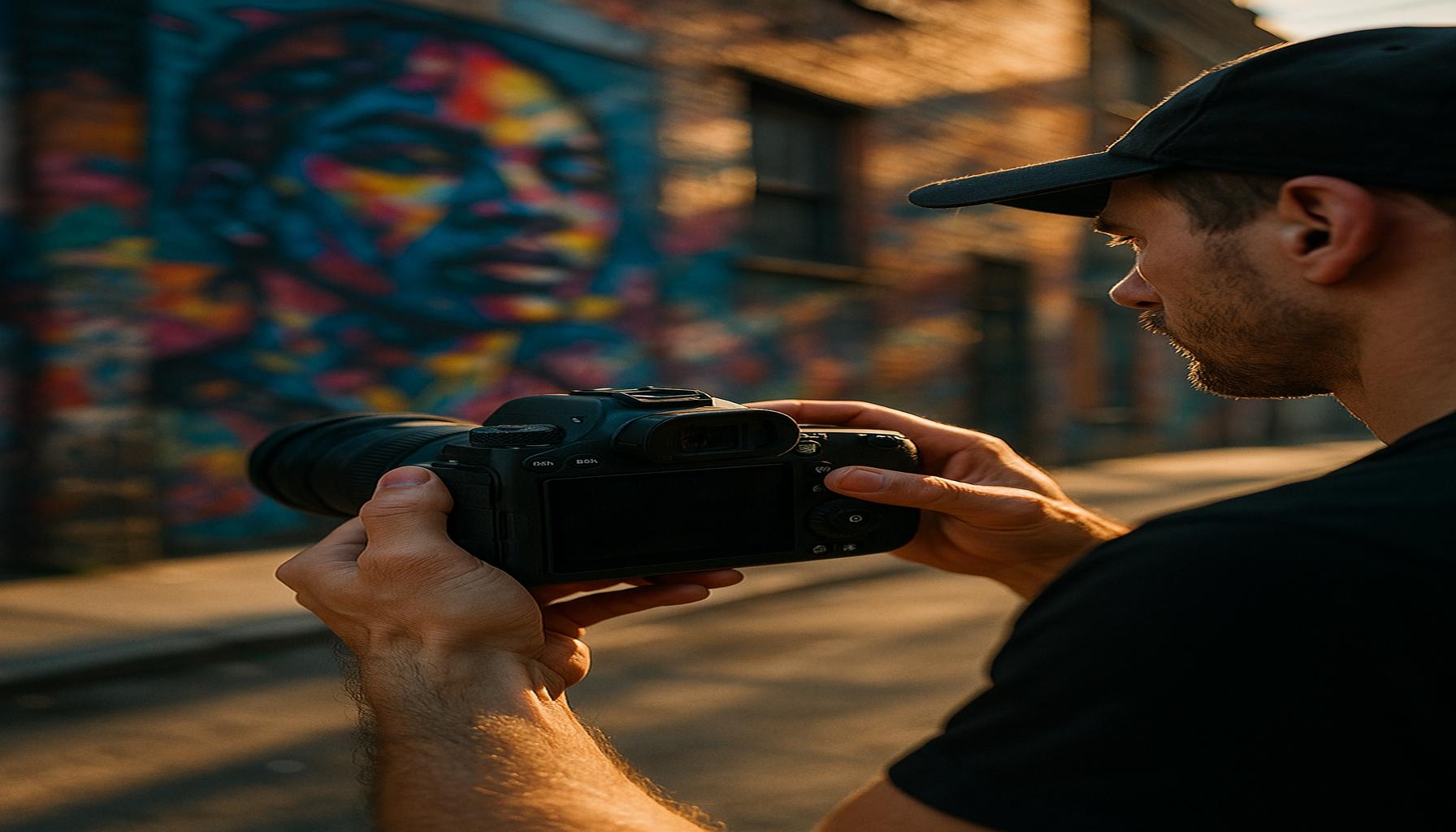
- Street Photography: This genre offers a haven for spontaneity and the candid capture of everyday life. Developing skills such as quick reflexes and observational acumen are vital in street photography. Working in public environments promotes the ability to adapt and read light conditions on the fly.
- Landscape Photography: Engaging with landscapes encourages photographers to understand natural light and its effects on various terrains. Mastering long-exposure techniques and learning when to shoot according to changing weather conditions can yield breathtaking results.
- Macro Photography: Delving into the minute details of nature through macro photography is a rewarding experience that sharpens technical skills such as focusing and composition. It necessitates patience and precision, leading to a cultivated sensitivity towards the small wonders often overlooked.
Each genre offers its own set of challenges and rewards, making the exploration of various styles integral to developing a well-rounded skillset. As you navigate through these diverse avenues, you are encouraged to document your progress, taking the time to reflect on both technical improvements and shifting artistic visions.
Utilizing Feedback for Growth
Another crucial aspect of harnessing photography as a tool for skill development lies in the power of constructive feedback. Whether through peer critiques, online forums, or mentorship, receiving input on your work can provide valuable insights that may be difficult to recognize on your own. Engaging with communities—both local and digital—opens the door to a multitude of experiences and perspectives.
Consider joining platforms such as 500px or Flickr, where photographers worldwide share their work and critiques. Social media platforms, including Instagram and Pinterest, also allow for instant feedback and interaction with other photographers and art enthusiasts. Participating in constructive discussions about specific techniques or concepts can further deepen your understanding and expand your creative vision.
Embracing the Role of Storytelling
Photography is not merely about technical mastery; it also thrives on the art of storytelling. Each photograph should aim to convey a narrative or evoke emotion within the viewer. This ability to tell a story through visuals often separates novice photographers from seasoned artists. Learning to thoughtfully compose shots that suggest a storyline can enhance your images significantly. Techniques such as juxtaposing elements or utilizing the selective focus can draw viewers into the narrative.
Consider attending >photography workshops or courses focused specifically on the art of storytelling. These programs often encourage participants to develop their unique voice, focusing on how to express their vision through a lens, bolstering both creativity and technical expertise. The synthesis of skill and vision allows photographers to resonate with their audience on a deeper level, producing truly impactful imagery.
Beyond mere documentation, the fusion of technology, genre variety, feedback, and storytelling creates a multi-dimensional approach to photography. This comprehensive engagement enables a photographer to grow not only as a technician but as a sincere artist, ultimately enhancing the power of their creative vision.
DIVE DEEPER: Click here to discover how art can uplift your spirit</
Conclusion: The Transformative Power of Photography
In conclusion, the journey of harnessing photography as a tool for developing technical skills and artistic vision is both enriching and transformative. By immersing oneself in various genres, photographers enter an expansive playground where creativity thrives. Whether capturing the intricate details of macro photography or the candid essence of street life, each genre presents a unique opportunity to refine skills while exploring the depths of personal expression.
Furthermore, seeking and embracing constructive feedback catalyzes growth, fostering resilience and adaptability in a constantly evolving medium. Engaging with communities—both online and offline—enables photographers to share experiences, learn from one another, and gain fresh perspectives on their work. The collaboration of voices can illuminate the path to a more profound understanding of one’s craft.
Ultimately, the power of storytelling emerges as a pivotal thread weaving through the fabric of photography. Each image has the potential to captivate audiences, narrating stories that resonate on emotional levels. By mastering the art of visual storytelling, photographers can elevate their work, transcending mere aesthetics to evoke deeper connections with viewers.
As aspiring photographers embark on this journey, they are encouraged to remain curious, stay open-minded, and continuously seek knowledge. The synthesis of technology, creativity, and feedback creates a rich landscape for artistic evolution. Remember, the lens is not just a tool; it is a bridge between technical mastery and the vivid realms of imagination waiting to be captured.