The Impact of Creative Hobbies on Skill Development in Adults
Discovering the Hidden Benefits of Creative Hobbies
In the midst of our bustling lives, we often overlook the importance of nurturing our inner selves. Engaging in creative hobbies can offer not just a temporary distraction from daily routines, but also serve as fundamental stepping stones toward skill development and personal growth.
Consider activities such as:
- Painting or drawing: Expressing oneself through art not only cultivates creativity but also enhances observational skills. An artist learns to appreciate the nuances of color, light, and form, while simultaneously developing patience and attention to detail.
- Playing a musical instrument: Mastering an instrument fosters discipline and perseverance. Research indicates that musicians often exhibit superior mental focus and enhanced cognitive abilities due to the complex nature of music composition and performance.
- Writing or blogging: This form of expression hones communication skills, enabling individuals to articulate thoughts and emotions more effectively. A personal blog can also provide a platform for exploring diverse perspectives and connecting with a wider audience.
- Cooking and baking: Culinary arts require creativity and precision. Experimenting with recipes encourages innovation and problem-solving skills, while also providing an avenue for healthy eating and nutrition education.
- Crafting and DIY projects: These hands-on activities stimulate creativity and resourcefulness. Creating something tangible fosters a sense of accomplishment and can even lead to financial savings by making gifts or home decor.
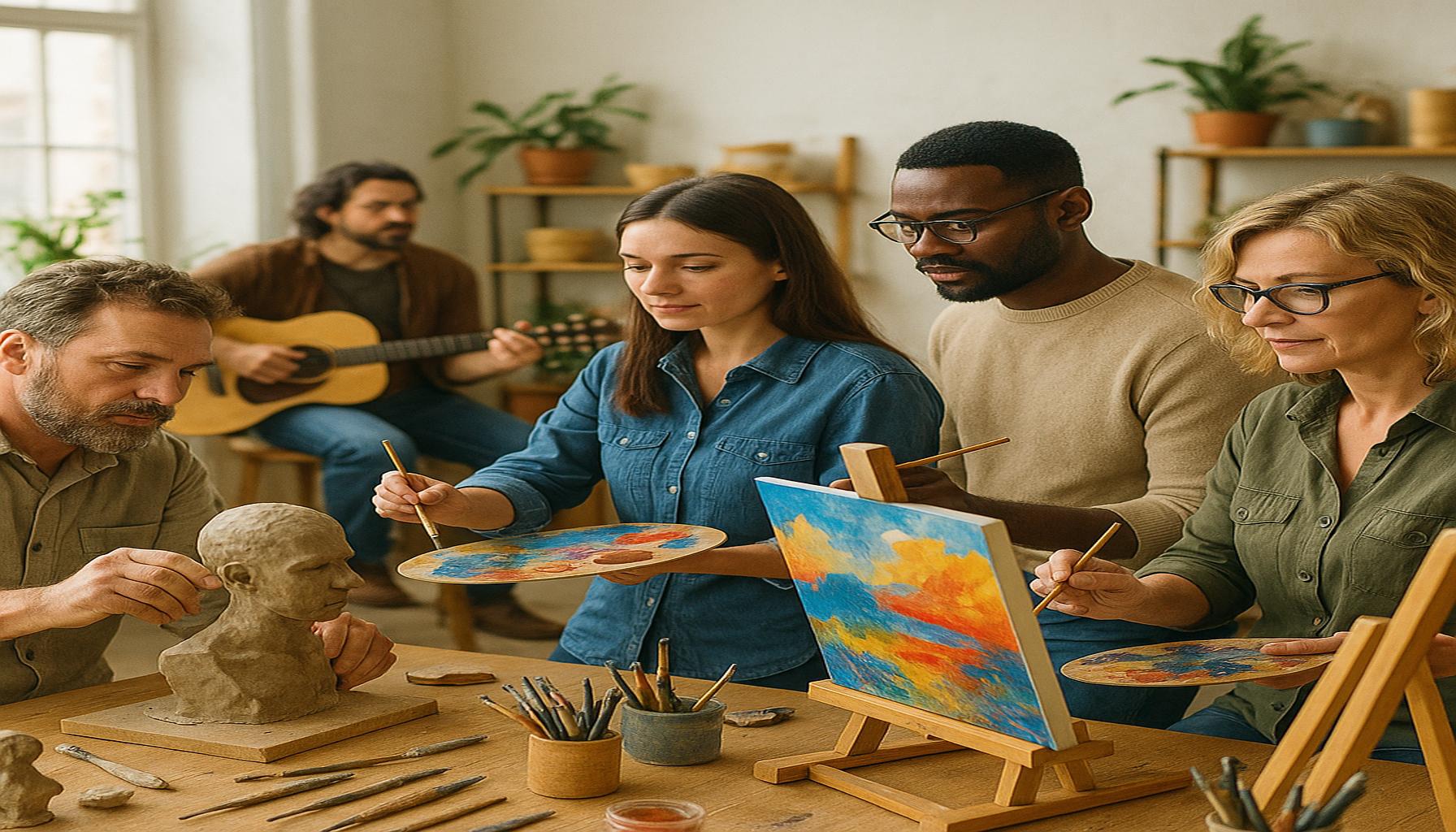
The benefits of engaging in creative hobbies go beyond mere amusement; they can profoundly impact problem-solving abilities, creativity and innovation, mental well-being, and foster essential social connections. For instance, joining a local painting class not only enhances artistic skills but also creates opportunities to meet like-minded individuals, leading to inspiring friendships and collaborative projects.
Moreover, studies have shown that participants in creative activities often experience reductions in stress levels, contributing positively to overall mental health. When engaging in these hobbies, the brain releases dopamine, a neurotransmitter associated with feelings of pleasure and satisfaction. This biochemical reaction acts as a natural antidote to the pressures of modern life.
By exploring the vast world of creative hobbies, adults can tap into latent abilities and foster a lifelong passion for learning. Each new skill acquired can enrich not just the individual’s life, but can also have a ripple effect on their social interactions and career advancements. So, whether it’s picking up a paintbrush or strumming a guitar, now might be the perfect time to explore and unleash your hidden potential through creativity.

DISCOVER MORE: Click here to dive deeper
Unleashing Potential: How Creative Hobbies Enhance Key Skills
Creative hobbies, often perceived as mere pastimes, hold transformative power that can significantly enhance skill development in adults. As society increasingly recognizes the importance of lifelong learning, engaging in creative activities offers adults a unique pathway to acquiring vital skills that extend beyond the hobby itself. From boosting technical abilities to improving emotional intelligence, the benefits are both profound and wide-ranging.
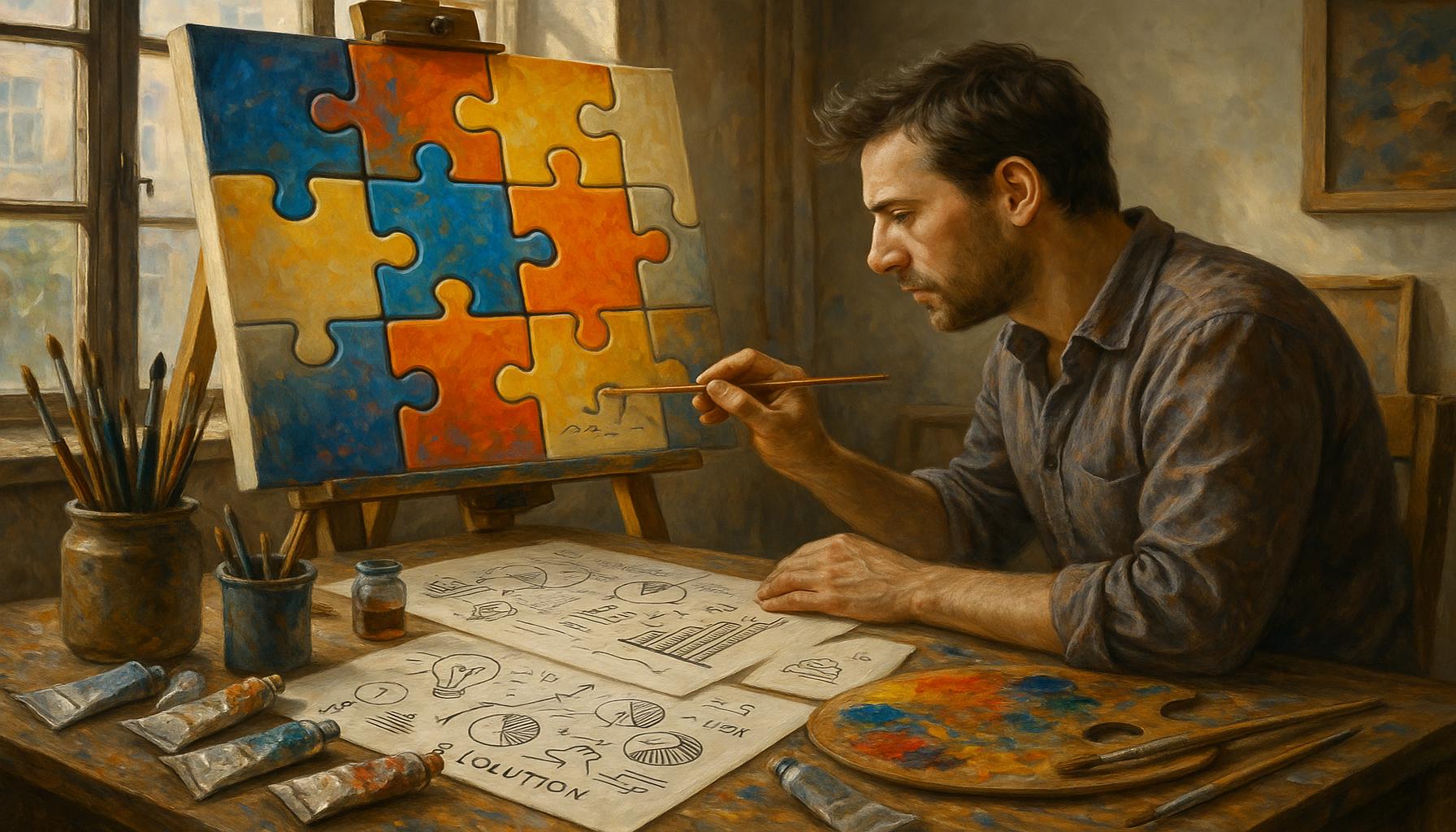
One of the most noteworthy impacts of creative hobbies is their effect on problem-solving skills. For instance, when adults tackle the challenges of sculpting or woodworking, they must think critically and devise solutions to unexpected issues that arise during the creative process. This hands-on engagement fosters a mindset that not only embraces creativity but also adapts to problem-solving in various aspects of life and work. With every brushstroke or cut, individuals learn to analyze situations, anticipate obstacles, and iterate their way to success.
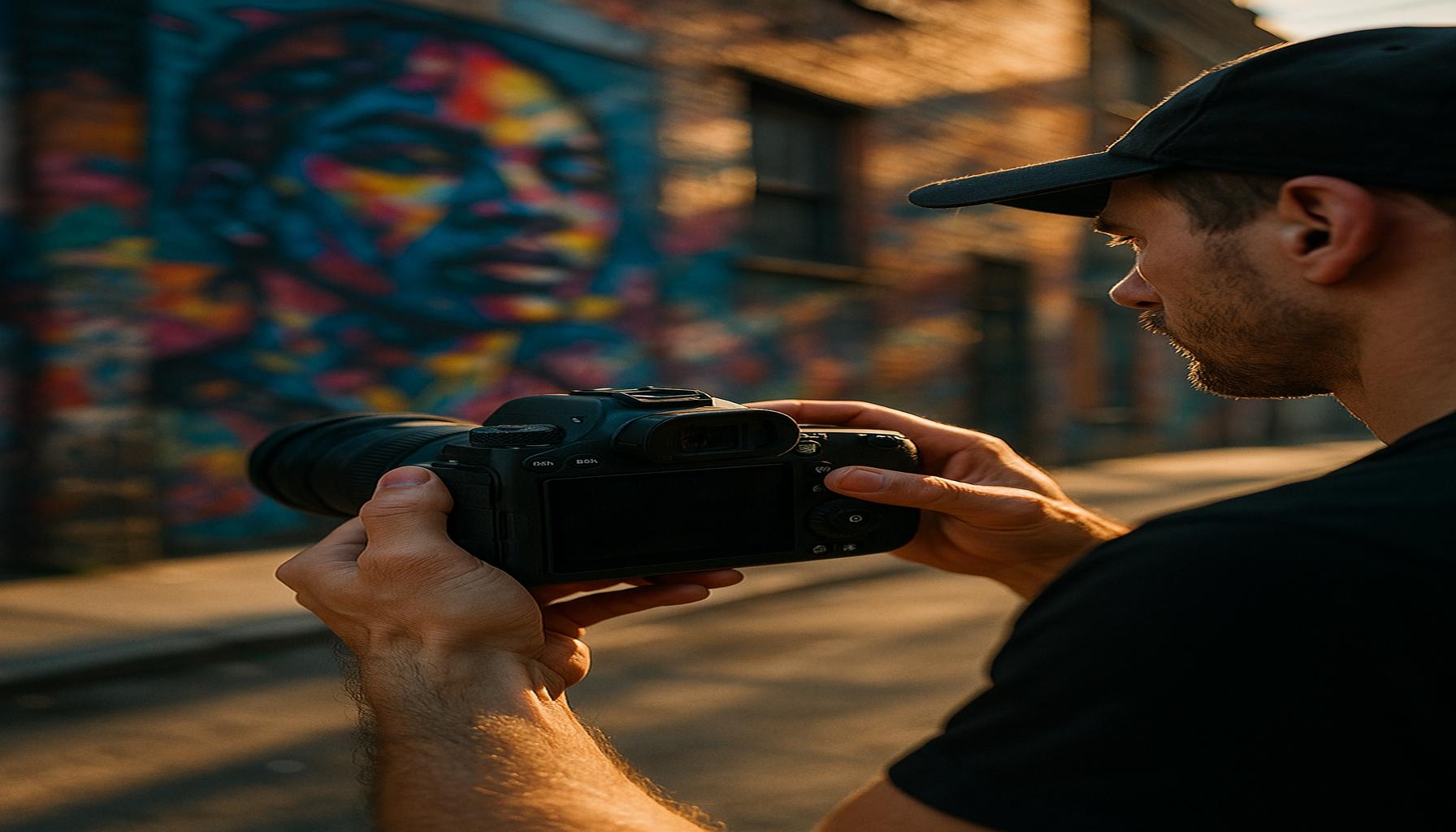
Moreover, as adults immerse themselves in creative endeavors like photography or graphic design, they develop a keen sense of visual literacy. Understanding composition, balance, and visual storytelling translates to enhanced communication skills. In an increasingly image-driven world, the ability to convey ideas through visuals is an invaluable asset that can set individuals apart in their personal and professional lives. This ability not only enhances workplace presentations but also fosters innovative marketing strategies and creative collaborations.
The social aspect of engaging in creative hobbies also cannot be overlooked. Many adults find themselves in groups or classes where collaboration and teamwork become essential. For example, a community theater production brings together individuals with diverse skills and backgrounds, facilitating learning and building relationships while working toward a common goal. Similarly, crafting clubs or writing workshops create supportive environments that encourage open feedback and idea exchange, leading to improved interpersonal and communication skills.
Additionally, research indicates that participating in creative hobbies often leads to increased emotional intelligence. Activities such as journaling or participating in group art projects encourage reflection on one’s feelings and experiences. This level of introspection enhances self-awareness and empathy, skills crucial in both personal relationships and professional settings. By understanding one’s emotional landscape, individuals can navigate life’s challenges with greater resilience and adaptability.
To illustrate the broad spectrum of skills that can be developed through creative hobbies, consider the following list:
- Cognitive Skills: Enhanced analytical thinking and troubleshooting abilities.
- Technical Skills: Mastery of tools and techniques related to a specific art form.
- Social Skills: Improved communication and collaboration through group activities.
- Emotional Skills: Increased empathy and emotional awareness.
- Adaptability: Enhanced ability to pivot and adjust in creative contexts.
These advantages are merely the tip of the iceberg. As adults continue to explore the vibrant landscape of creative hobbies, they may uncover even more personal and professional benefits. The exploration of new skills not only enriches one’s life but also pays dividends in various domains—be it in the workplace, within relationships, or in personal well-being. As we delve deeper into the impact of creative hobbies, we will uncover even more evidence of their lasting relevance and transformative effects.
| Skill Development | Hobby Examples |
|---|---|
| Cognitive Skills | Painting, Puzzles |
| Emotional Resilience | Gardening, Writing |
| Motor Skills | Crafting, Woodworking |
| Social Skills | Group Classes, Team Sports |
Incorporating creative hobbies into the lives of adults can profoundly affect their personal and professional growth. For example, engaging in activities such as painting or puzzle-solving enhances cognitive abilities by promoting critical thinking and focusing skills. This type of engagement can help in expanding one’s mental capacities, which is vital in today’s fast-paced world. Moreover, hobbies like gardening or writing can significantly nurture emotional resilience, allowing individuals to process feelings and manage stress more effectively. They also provide a healthy outlet for expression, which is essential for mental well-being. Additionally, physical activities such as crafting or woodworking directly improve motor skills. These hobbies require fine motor control, attention to detail, and creativity, leading to enhanced dexterity and coordination. Finally, participating in group classes or team sports fosters social skills. They encourage networking and building relationships which can be beneficial both personally and professionally, facilitating teamwork and collaborative communication. With myriad pathways to skill enhancement through creative hobbies, adults may find the impetus to explore new interests that can yield profound benefits.
DIVE DEEPER: Click here to discover more
Embracing Lifelong Learning: The Expanded Benefits of Creative Hobbies
In addition to enhancing problem-solving abilities, social skills, and emotional intelligence, engaging in creative hobbies propels adults into the realm of lifelong learning. The willingness to continually learn and adapt is critical in today’s fast-paced world. For many adults, creative hobbies serve as a springboard for this ongoing educational journey. Whether it’s picking up a new instrument, joining a pottery class, or exploring digital arts through online tutorials, such hobbies provide the motivation to develop new skills while fostering curiosity.
The continuous pursuit of new interests invites adults to step outside of their comfort zones. This learning process not only enhances cognitive flexibility but also instills a sense of accomplishment that can translate into greater confidence in other areas of life. For example, an adult who learns to play the guitar not only strengthens their musical acumen but also develops persistence and discipline that can improve their professional life. The act of mastering a skill, regardless of its nature, reinforces the mindset that learning is an endless journey and encourages individuals to embrace challenges with enthusiasm.
Additionally, engaging in creative hobbies has been linked to improved mental health. According to a study published in the American Journal of Public Health, individuals who partake in creative activities report lower levels of stress and anxiety. The therapeutic effects associated with creativity often stem from the mindfulness that these activities foster. For instance, practicing painting or knitting allows for moments of focused engagement, which can reduce racing thoughts and increase relaxation. By channeling emotions through creative expression, adults can develop healthier coping mechanisms that enhance resilience in the face of everyday stresses.
The influence of creative hobbies extends to the mentorship and teaching aspect as well. Adults who have honed their skills often find themselves in positions where they share their knowledge with others, fostering a cycle of learning and growth. For instance, seasoned knitters may teach novices at community centers, offering not just technical guidance but also a sense of belonging and community support. This role reversal not only reinforces the mentor’s skills but also enhances their leadership abilities—a crucial strength in both personal and professional situations.
Furthermore, the specific skills acquired through creative hobbies can significantly enhance career opportunities. Many industries value creativity and innovation as essential components of success. In the corporate world, the capacity to think creatively is often what differentiates a candidate during the hiring process. For example, fields such as marketing, product design, and technology increasingly seek individuals who can approach problems creatively and generate novel solutions. An adult who engages in creative pursuits is likely to stand out in a competitive job market due to these developed skills.
As adults continue to navigate their professional landscapes, the knowledge gained from creative hobbies becomes an asset that propels them forward. Through a combination of skill diversification and enhanced adaptability, individuals who embrace creativity can pivot within their careers, adapting to new roles and responsibilities with ease. Personal growth achieved through creative hobbies directly correlates with advancing in various professional capacities, thus solidifying the hobby’s role as an investment in one’s future.
With such a plethora of advantages stemming from creative hobbies, it is clear that they offer far more than personal enjoyment. The skills nurtured through these activities carry substantial implications for individual growth, mental well-being, and overall life satisfaction. As these hobbies continue to thrive among adults, one may wonder what new heights can be reached through creative engagement in the years to come.
DIVE DEEPER: Click here to uncover the full impact
A Pathway to Enhanced Skills and Personal Growth
In summary, the exploration of creative hobbies reveals a trove of benefits that extend far beyond mere pastime activities. From enhancing problem-solving and cognitive flexibility to fostering emotional resilience, these pursuits serve as a catalyst for personal and professional development. Adults engaging in creative hobbies discover that the skills cultivated, such as persistence, discipline, and adaptability, play a pivotal role in shaping their careers. As they embrace lifelong learning through artistic endeavors like painting, writing, or playing musical instruments, they are not just acquiring new talents but also nurturing a mindset that thrives on curiosity and innovation.
Furthermore, the potential for improved mental health and wellbeing cannot be overlooked. The therapeutic qualities of creative expression promote relaxation and stress relief, helping individuals build healthier coping mechanisms. By participating in community-led initiatives, adults are also empowered to become mentors, reinforcing their abilities while giving back to others. This symbiotic relationship between creativity and skill development underscores the importance of these hobbies as essential building blocks for a fulfilling and successful life.
Ultimately, the ongoing dedication to pursuing creative passions invites adults to envision new possibilities for their futures. As society continues to evolve, the skills nurtured through creative hobbies will undoubtedly become even more critical, defining not only individual trajectories but also the fabric of our ever-changing professional landscapes. What remains clear is that tapping into one’s creative side is not just an indulgence—it is an investment in one’s personal and professional journey, one that holds the promise of new horizons waiting to be explored.