Dance and Freedom: The Power of Movement in Promoting Mental Well-Being
Expression through Movement
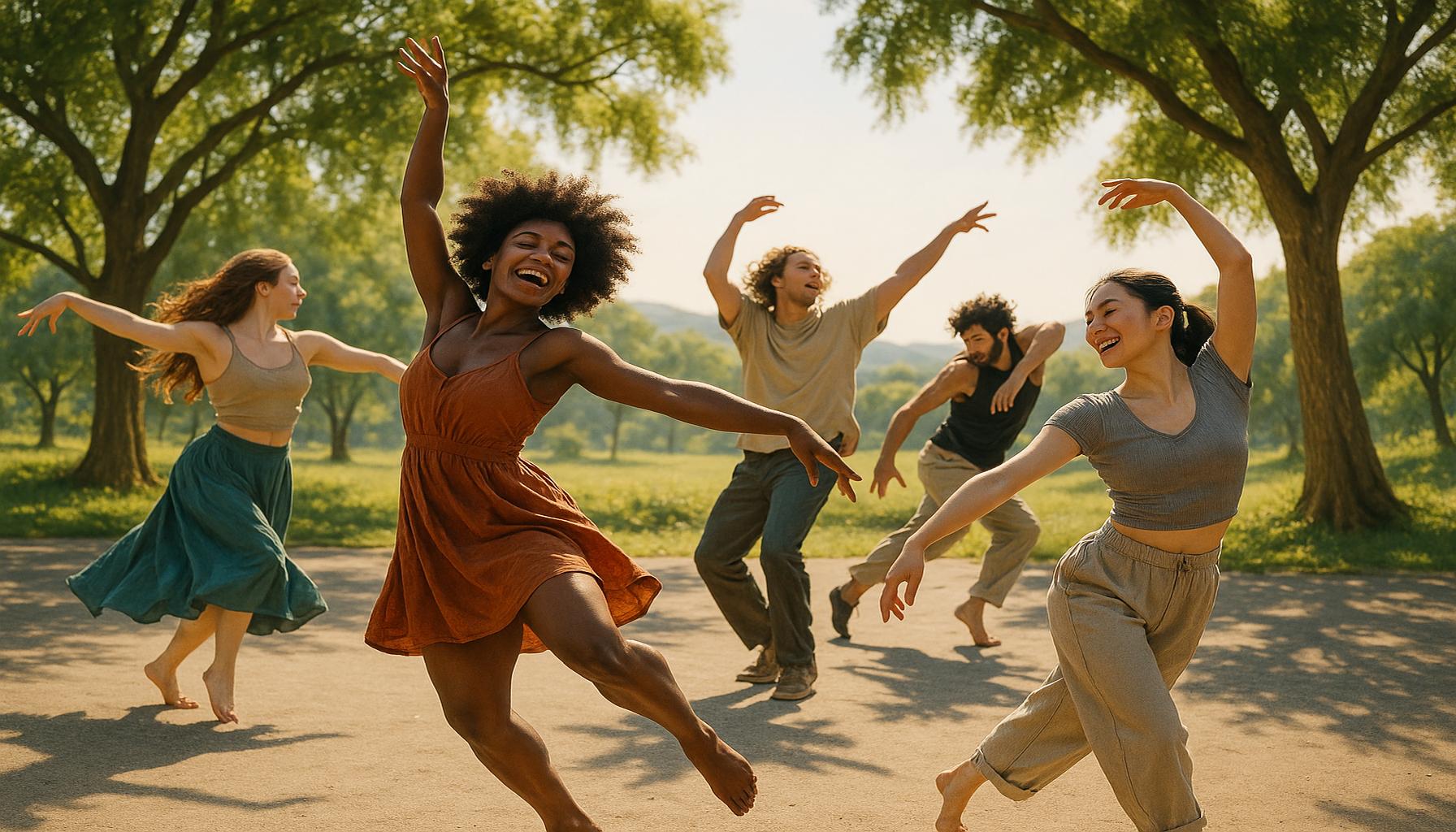
Dance has long been recognized not just as a form of entertainment but as a vital medium through which people can convey emotions and narratives across various settings. Its origins can be traced back to ancient rituals, where movement was utilized to tell stories, celebrate life, and connect with the spiritual world. In modern contexts, dance continues to provide a voice to those who may struggle to articulate their feelings verbally, making it a profound form of expression. This art form cuts across barriers of age, culture, and language, enabling a universal dialogue enriched with shared human experiences.
The Impact on Mental Well-Being
Exploring the nuances of dance reveals its remarkable influence on mental health. Recent studies emphasize how physical activity, particularly dance, can radically improve emotional states. For instance:
- Stress relief: Engaging in dance has shown to lower levels of cortisol, the body’s primary stress hormone. A study published in the journal “Psychology of Sport and Exercise” demonstrated that individuals participating in dance classes reported significant reductions in stress levels compared to those who engaged in standard workout routines.
- Enhanced mood: The act of dancing triggers the release of endorphins, chemicals in the brain associated with feelings of euphoria. In communities across the United States, from Zumba in gyms to salsa nights in local clubs, participants often cite increased happiness and satisfaction as a direct result of dancing.
- Social connection: Dance fosters a sense of community, an essential aspect of mental health. Group activities, such as traditional line dancing in Texas or the urban gatherings for breakdancing, encourage interaction and create lasting friendships among participants.
The Joy of Movement
Various styles of dance, including hip-hop, yoga, and even classical ballet, promote a unique connection between the mind and body. This synergy not only enhances physical health but also encourages personal introspection and emotional release. For example, hip-hop not only embodies the cultural narratives of the urban experience but also acts as a powerful tool for individuals to assert their identity and emotions. Similarly, yoga, while rooted in tradition, uses movement to foster mindfulness and self-awareness.
Considering the growing mental health concerns in our society, dance stands out as a beacon of hope, offering therapeutic benefits and a means of expression that is often overlooked. As more individuals seek alternative therapeutic avenues, the inclusion of movement-based therapies in mental health treatments becomes increasingly relevant.
A Call to Action
Engaging with dance, whether through classes, social gatherings, or self-expression at home, has never been more accessible. It’s a call to explore the transformative influence of movement on mental well-being. As you delve into the intricate relationship between dance and freedom, consider how this vibrant art form may inspire you to embrace its benefits within your own life, fostering both connection and personal growth.
DISCOVER MORE: Click here to learn how creative hobbies bring communities together
Movement as a Healing Tool
The act of dancing goes beyond the surface of simply moving to music; it serves as a powerful healing tool that can address various mental health challenges. As individuals engage in dance, the act of moving the body in rhythm not only improves physical fitness but also instigates profound psychological benefits that can enhance one’s overall well-being. Research has shown that various forms of dance can act as a medium for emotional expression, making them effective in dealing with anxiety, depression, and stress-related disorders.
Scientific Insights into Dance and Mental Health
Numerous studies have explored how dance impacts mental health, revealing significant correlations between dance participation and improved psychological outcomes. For example, a meta-analysis published in the journal “Arts & Health” found that dance interventions have positive effects on mental health by encouraging emotional expression, fostering social connections, and promoting a sense of belonging among participants. Here are key findings from this body of research:
- Reduction in Symptoms of Depression: Engaging in dance has been linked to decreased symptoms of depression. A study involving older adults who participated in dance classes concluded that those who expressed themselves through movement exhibited greater mood improvement compared to those who engaged in non-dance fitness activities.
- Enhancement of Cognitive Function: Dance not only uplifts mood but also boosts cognitive abilities. A study highlighted in the “New England Journal of Medicine” showed that dancing regularly could reduce the risk of dementia by 76%, suggesting that the mental stimulation and social interaction involved in dance are particularly beneficial for brain health.
- Increased Self-Esteem and Body Image: Dance promotes a positive relationship with one’s body. Many dancers report improved self-esteem and body image through the freedom of expression that dance provides. This empowerment is crucial in a society where body image issues often prevail, making dance a liberating practice for many.
Cultural Significance of Dance as Freedom
Throughout history, dance has served as a form of freedom and self-expression across different cultures. From the passionate movements of tango in Argentina to the lively steps of African dance, each style carries its unique narrative and expression of identity. In many indigenous cultures, traditional dance plays a pivotal role in ceremonies, allowing individuals to connect with their heritage and ancestors while fostering community bonds. This cultural approach to dance underscores its potential as a means for individuals to reclaim their voice and narrative, particularly during challenging times.
With the rise in mental health awareness, the integration of dance into therapeutic settings gains traction. Group classes, improvisational workshops, and community dance events not only promote well-being but also invite individuals from diverse backgrounds to participate, reinforcing the idea of inclusivity that dance embodies. By embracing this art form, individuals can explore their own freedom and resilience, ultimately contributing to a healthier, more connected society.
| Advantage | Description |
|---|---|
| Enhanced Mood | Engaging in movement through dance releases endorphins, often referred to as the body’s natural opioids, which promote feelings of happiness and reduce stress. |
| Creativity and Expression | Dance allows individuals to express their emotions creatively, fostering a sense of freedom and enhancing overall mental well-being by providing an outlet for feelings that may be difficult to articulate verbally. |
Exploring how dance contributes significantly to mental health, it becomes apparent that the rhythm of movement and the joy of expression intertwine to form a powerful tool for healing and growth. The act of dancing stimulates connections in the brain, leading to improved cognitive function and emotional resilience. Incorporating various forms of dance—whether it be ballet, hip-hop, or contemporary—can provide structures that facilitate creative expression, allowing participants to explore their identity and emotions through movement, ultimately leading to enhanced self-esteem and vitality. Studies have shown that regular participation in dance can combat symptoms of anxiety and depression, making it an essential yet often overlooked component of self-care practices. Additionally, community dance classes create social connections, helping to build support networks that promote well-being. As we dive deeper into the powerful synergy between dance and mental health, it becomes clear that movement is much more than physicality—it’s a lifeline to emotional strength and connection.
DIVE DEEPER: Click here to learn how cooking can ease stress
Dance as a Form of Self-Discovery
Beyond its cultural significance, dance acts as a profound avenue for self-discovery and personal growth. By engaging in movement, individuals often uncover layers of their identity that remain hidden in day-to-day life. The expression of emotions through dance can empower individuals to explore their feelings, confront personal challenges, and embrace their uniqueness. As participants immerse themselves in the rhythm, the liberation of movement encourages a level of vulnerability that facilitates deeper introspection and emotional healing.
Creating Connection Through Dance
In a world increasingly defined by disconnection, dance fosters authentic relationships and strengthens community ties. Social dance forms, such as salsa, ballroom, or line dancing, bring people together, creating environments where collaboration, consent, and trust take center stage. Research indicates that social interactions during dance significantly contribute to emotional healing. Participants often find that shared experiences on the dance floor create lasting friendships, enhancing one’s support system and contributing positively to mental well-being.
- The Role of Group Dynamics: Group dance classes stimulate feelings of belonging and camaraderie. A study from the University of British Columbia revealed that dance can induce the release of oxytocin, often referred to as the “bonding hormone,” which enhances social connection, reduces loneliness, and combats feelings of isolation.
- Dance Movement Therapy (DMT): This therapeutic practice incorporates dance as a form of mental health intervention. DMT focuses on the artistic expression of emotions, employing movement to enhance emotional, cognitive, and social integration. Clinical evidence suggests that engaging in DMT can significantly reduce symptoms of trauma and PTSD, enabling individuals to process their experiences through movement.
Dance in Modern Therapy Practices
As mental health awareness continues to rise in the United States, the incorporation of dance into modern therapeutic practices is gaining popularity. Institutions, therapists, and wellness centers are increasingly recognizing the versatility of dance therapy as a complementary approach to traditional methods. Workshops often combine aspects of mindfulness and dance, allowing individuals to explore the synergy of body and mind. These sessions promote not just physical mobility but also enhance mental clarity and emotional resilience.
Additionally, online platforms have expanded access to dance therapy, making workshops available to diverse populations regardless of geographical barriers. Virtual classes often attract participants from various backgrounds, fostering a virtual community spirit and allowing individuals to communicate through the universal language of dance. This democratization of dance therapy fosters inclusivity and emotional support in ways that transcend borders and cultures.
Conclusion: The Impact of Dance on Mental Wellness
By fostering self-expression, creating connections, and providing innovative therapeutic options, dance emerges as a crucial component in the tapestry of mental well-being strategies. Individuals seeking support for their mental health can find a sanctuary in dance, ultimately discovering freedom not just through movement but also through community engagement and self-acceptance. The journey of exploration through dance can unlock profound insights, allowing people to break free from their constraints while enhancing their overall mental health.
DISCOVER MORE: Click here to explore how creative hobbies can bring your family closer
Conclusion: The Transformative Role of Dance in Mental Health
Exploring the connection between dance and mental well-being reveals an inspiring paradigm of freedom through movement. As we have seen, dance is not merely a form of artistic expression; it serves as a powerful tool for self-exploration, emotional healing, and community connection. This multifaceted medium enables individuals to express their innermost feelings, often allowing them to confront and rise above personal challenges.
Moreover, the communal aspects of dance foster social bonds that combat feelings of isolation and loneliness, creating a sense of belonging that is essential for mental wellness. Whether in a local dance class, a social gathering, or through the innovative expansion of online platforms, the accessibility of dance is democratizing mental health support. Participants can access therapeutic workshops that integrate mindfulness with movement, encouraging a holistic approach to emotional wellness.
As we navigate a world that increasingly prioritizes mental health, it’s critical to acknowledge the role that dance can play in this journey. The artistic expression found in movement not only enriches our lives but also contributes significantly to emotional resilience. By embracing dance as a therapeutic practice, we can uncover new pathways to healing and freedom, ultimately enhancing our overall mental well-being. The rhythm of life may very well depend on the steps we choose to take in the dance of existence.