Gardening as Therapy: Cultivating Mental Health Through Contact with Nature
Connecting with Nature for Enhanced Well-Being
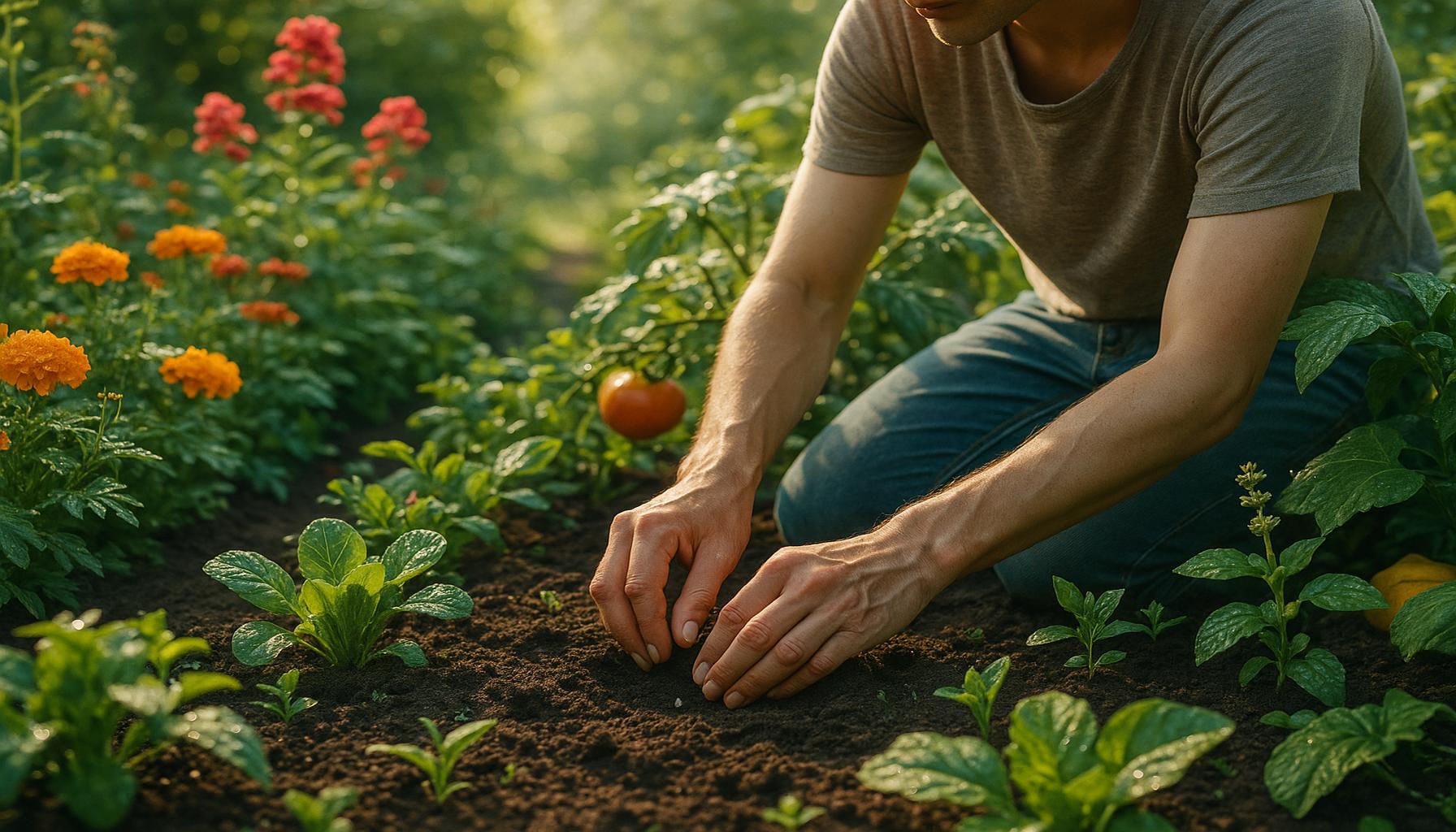
Imagine stepping into a vibrant garden, where the colors of blooming flowers and the scent of fresh soil evoke a sense of peace. This connection with nature goes beyond aesthetics; it serves as a powerful tool for improving mental health. Gardening has become an increasingly popular form of therapy, helping individuals to nurture not just plants, but their own emotional well-being.
The Healing Benefits of Gardening
Engaging in gardening can yield various mental health benefits, including:
- Stress Reduction: Tending to plants can lower cortisol levels, alleviating stress. Studies indicate that spending just 30 minutes a week in green spaces can lead to significant reductions in stress markers.
- Improved Mood: Gardening has been linked to higher levels of serotonin and dopamine, neurotransmitters associated with feelings of happiness. Research suggests that even the simple act of watering plants can trigger a sense of satisfaction and joy.
- Social Connections: Community gardens offer opportunities for social interaction and support, fostering relationships among individuals from diverse backgrounds. Sharing the experience of gardening promotes teamwork and collaboration, creating a sense of belonging within the community.
These benefits demonstrate how hard work in the soil cultivates more than just tomatoes or daisies. Studies have shown that gardening activities can distract from life’s challenges and restore a sense of calm. The tactile experience of digging, planting, and watering fosters mindfulness, allowing individuals to immerse themselves fully in the present moment, away from daily distractions and worries.
Additionally, gardening encourages physical activity, which is crucial for overall well-being. Activities like digging, weeding, and harvesting provide moderate exercise, which can improve cardiovascular health and enhance physical fitness. Being outdoors also increases exposure to sunlight, boosting Vitamin D levels and potentially fighting off seasonal affective disorder (SAD).
A Growing Trend
With a rising interest in mental health awareness, many Americans are turning to gardening as a proactive day-to-day practice. In urban environments, where green spaces may be limited, community programs and therapeutic gardens are being developed across the country, making this form of therapy accessible to all. For example, initiatives like the American Community Gardening Association are working to establish spaces where individuals can come together to garden, thus promoting both physical activity and mental well-being.
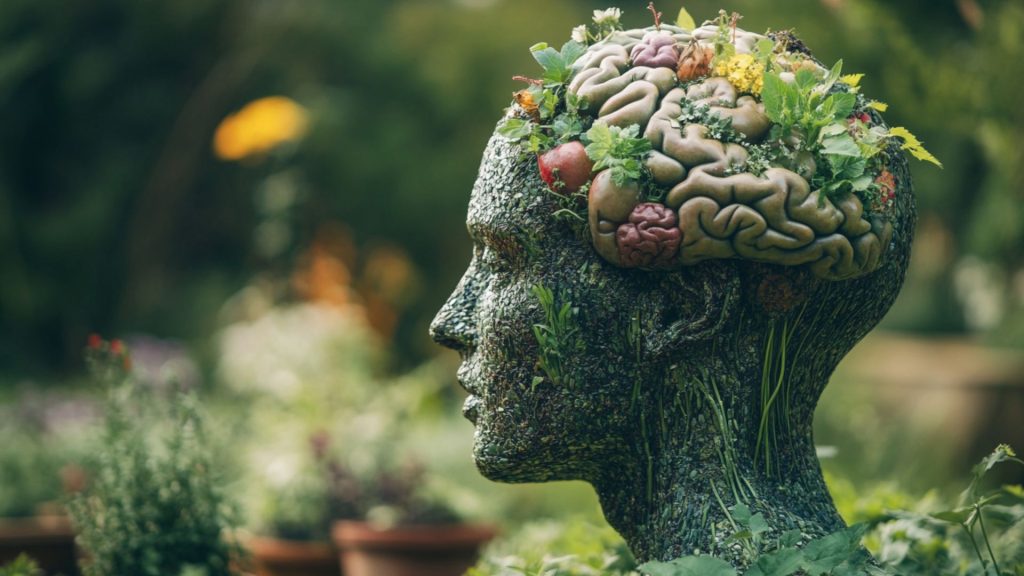
By delving further into the role of gardening, we uncover a nourishing path to holistic health and emotional resilience. Whether through planting a small herb garden on a balcony, participating in a community gardening project, or simply tending to indoor plants, engaging with nature provides psychological benefits that extend far beyond the garden’s borders. It is a reminder that nurturing our environment can, in turn, help us cultivate our own emotional landscapes.
DISCOVER MORE: Click here to learn about the benefits of group workshops
The Therapeutic Effects of Gardening
In recent years, numerous studies have emerged highlighting the therapeutic effects of gardening. This ancient practice is being redefined not only as a hobby but as a valuable therapeutic intervention for mental health. By nurturing plants, individuals often find themselves nurturing their own spirits, experiencing a myriad of psychological benefits in the process.
One of the remarkable aspects of gardening as therapy is its ability to cultivate resilience amidst life’s challenges. Gardening provides a constructive outlet for emotions while fostering a sense of accomplishment. As individuals watch seeds sprout into thriving plants, they experience a tangible representation of growth and progress, which can mirror their personal journeys. Many participants report feeling a renewed sense of purpose and vitality, attributing this positive change to their gardening experiences.
Mindfulness and Connection to the Present
Integral to the healing qualities of gardening is the practice of mindfulness. Engaging in gardening encourages individuals to focus their attention on the immediate tasks at hand, such as planting, pruning, and watering. This immersive experience invites practitioners to disconnect from the distractions of daily life, thereby enhancing their connection to nature and to themselves. Studies suggest that mindfulness, facilitated by activities like gardening, can significantly reduce symptoms of anxiety and depression.
- Nature’s Influence: Connection with the natural world has been shown to foster feelings of interconnectedness, both with the environment and fellow beings. This sense of belonging is vital for mental health.
- Physical Engagement: Gardening engages not only the mind but also the body. The physical act of gardening increases blood flow and releases endorphins, which combat negative emotions.
- Creative Expression: Gardening offers an outlet for creativity. From choosing plant varieties to designing layouts, individuals can express their unique personalities, which can be particularly therapeutic.
The act of nurturing plants can also afford individuals the opportunity to learn patience and perseverance. Unlike instant gratification found in many aspects of modern life, gardening teaches the value of waiting and watching as plants develop over time. As a result, individuals develop a healthier outlook on challenges, recognizing that growth often requires time and dedication.
Integrating Gardening into Mental Health Practices
With the increasing embrace of holistic approaches to mental health, many therapists and counselors are incorporating gardening into treatment plans. Programs that facilitate gardening therapy have been established in various settings, from schools and hospitals to rehabilitation centers. These programs highlight the importance of engaging with nature as a vital component of recovery and self-care. The success of such initiatives has sparked interest in further research and collaboration between horticulturalists and mental health professionals.
In sum, the convergence of gardening and mental health offers an alluring pathway to healing. With each shovel of soil, individuals cultivate not just their gardens, but also their own mental well-being. As the garden flourishes under their care, so too do their spirits, illuminating the profound connection between humanity and the natural world. Embracing gardening as a therapeutic tool opens up a wealth of possibilities for enhancing mental health and fostering a sustainable relationship with nature.
| Category | Key Features |
|---|---|
| Stress Reduction | Gardening allows individuals to disconnect from daily pressures and immerse themselves in nature, thereby promoting relaxation. |
| Enhanced Mood | Engaging in gardening activities increases the production of serotonin and endorphins, which can help alleviate symptoms of anxiety and depression. |
| Physical Exercise | The act of gardening constitutes moderate exercise, promoting fitness while simultaneously improving mental health. |
| Mindfulness Promotion | Focusing on the present moment while tending to plants enhances mindfulness and encourages a positive mental state. |
Gardening as therapy is gaining traction as an effective method for individuals seeking ways to cultivate mental health through enriched interactions with nature. The therapeutic benefits are extensive, encompassing a range of positive outcomes from increased physical activity to substantial emotional soothing. Stress reduction ranks as one of the primary advantages, allowing people to escape everyday challenges and immerse in a serene environment.Moreover, research indicates that the act of gardening can uplift mood by significantly boosting serotonin and endorphin levels, showing promise for those grappling with anxiety and depression. Regular engagement leads to an increase in physical exercise, further contributing to mental well-being. Emphasizing mindfulness, gardening encourages individuals to focus their thoughts solely on the present moment, thus fostering a profound sense of peace. Such comprehensive benefits highlight the potential of gardening as a transformative practice for enhancing one’s mental health journey.
DISCOVER MORE: Click here to dive deeper
Gardening as a Community Experience
While gardening can be a profoundly personal journey, it can also serve as a powerful communal activity that promotes mental well-being. Community gardens have proliferated across urban and suburban landscapes in the United States, providing individuals not only with access to green space but also opportunities for social interaction and cooperation. These spaces foster relationships among participants, which are crucial for emotional support and building a sense of belonging.
Participating in community gardening initiatives has been linked to increased access to fresh produce, promoting healthier eating habits while simultaneously enhancing mental health. Studies indicate that individuals involved in community gardening report lower levels of stress, greater feelings of satisfaction, and stronger connections to their neighborhoods. Local gardens often become hubs of social activity, where members gather to share gardening tips, exchange produce, and celebrate seasonal harvests. Such shared experiences can solidify friendships, cultivate connections, and significantly lift spirits.
Therapeutic Horticulture Programs
Across the nation, therapeutic horticulture programs are gaining traction as formal interventions for mental health treatment. Many mental health facilities and rehabilitation centers now integrate gardening into their curricula. These programs utilize structured activities, such as planting, tending, and harvesting, to help participants develop essential life skills, including problem-solving and effective communication. The combination of physical activity and social interaction is particularly effective in enhancing emotional resilience.
- Case Study Examples: Various institutions are now seeing success through specific programs. For instance, the University of California Cooperative Extension runs a community gardening initiative aimed at promoting health and wellness among adults with mental illness. Participants engage in all aspects of gardening, from soil preparation to plant care, significantly improving their mood and social interactions.
- Veterans’ Gardens: Organizations like Operation Green Thumb have implemented gardening therapy programs for veterans, aiding in the healing process of PTSD and enhancing social camaraderie among service members.
These therapeutic horticulture programs are grounded in evidence-based practices that detail how engaging in gardening can enhance emotional well-being. Participants have reported notable benefits, such as improved mood, reduced feelings of isolation, and fostering a sense of achievement. The structured nature of these programs, combined with their emphasis on botanical education, allows participants to reap the dual rewards of learning and healing.
The Science Behind Gardening and Mental Health
Research has also begun to illuminate the biological mechanisms behind the psychological benefits of gardening. Exposure to soil and microorganisms while gardening has been found to potentially increase levels of serotonin— a neurotransmitter that regulates mood. One particular soil bacterium, Mycobacterium vaccae, has gained attention for its role in reducing anxiety levels and improving cognitive function. This connection raises intriguing possibilities for addressing mental health conditions through gardening.
Moreover, studies confirm that spending time outdoors, particularly in green spaces, correlates with lower anxiety levels and improved overall happiness. A report from the American Psychological Association highlights how even short doses of nature exposure—such as a day spent in a community garden—can foster significant decreases in stress and enhancement of mood.
As more individuals recognize the therapeutic potential of gardening, communities will likely continue to embrace this natural remedy, supporting mental health through dedicated initiatives and programs that cultivate connections—both to nature and to each other.
DISCOVER MORE: Click here to learn how creativity connects communities
Conclusion
In an age where mental health challenges are increasingly recognized, the role of gardening as therapy presents an innovative and natural solution. As demonstrated throughout this article, gardening serves not only as an individual pursuit but also as a community-building activity that fosters social connections and shared experiences. The incorporation of therapeutic horticulture programs in various mental health facilities highlights the growing affirmation of this practice as a legitimate intervention. With its capacity to improve emotional resilience through engaging interactions with nature, gardening offers participants a powerful pathway to improved mental well-being.
The science behind the psychological benefits further grounds gardening in a biological framework. Exposure to certain soil bacteria like Mycobacterium vaccae may alleviate anxiety, while the simple act of nurturing plants can create a sense of accomplishment and promote mindfulness. This connection to nature is vital, particularly as urbanization continues to increase, limiting access to green spaces. Community gardens rise to the occasion, bringing individuals together and supporting healthy lifestyles through accessible, fresh produce.
As more communities embrace the therapeutic potential of gardening, it becomes imperative to acknowledge and capitalize on its benefits. Embracing this harmonious relationship with nature not only nourishes the body through healthy food but also feeds the mind and spirit. By cultivating not just gardens but also connections, individuals can experience profound improvements in their mental health, leading to a more fulfilling life. For those seeking a deeper understanding or involvement, exploring local gardening programs and initiatives can be the first step towards harnessing the power of nature as a source of healing.