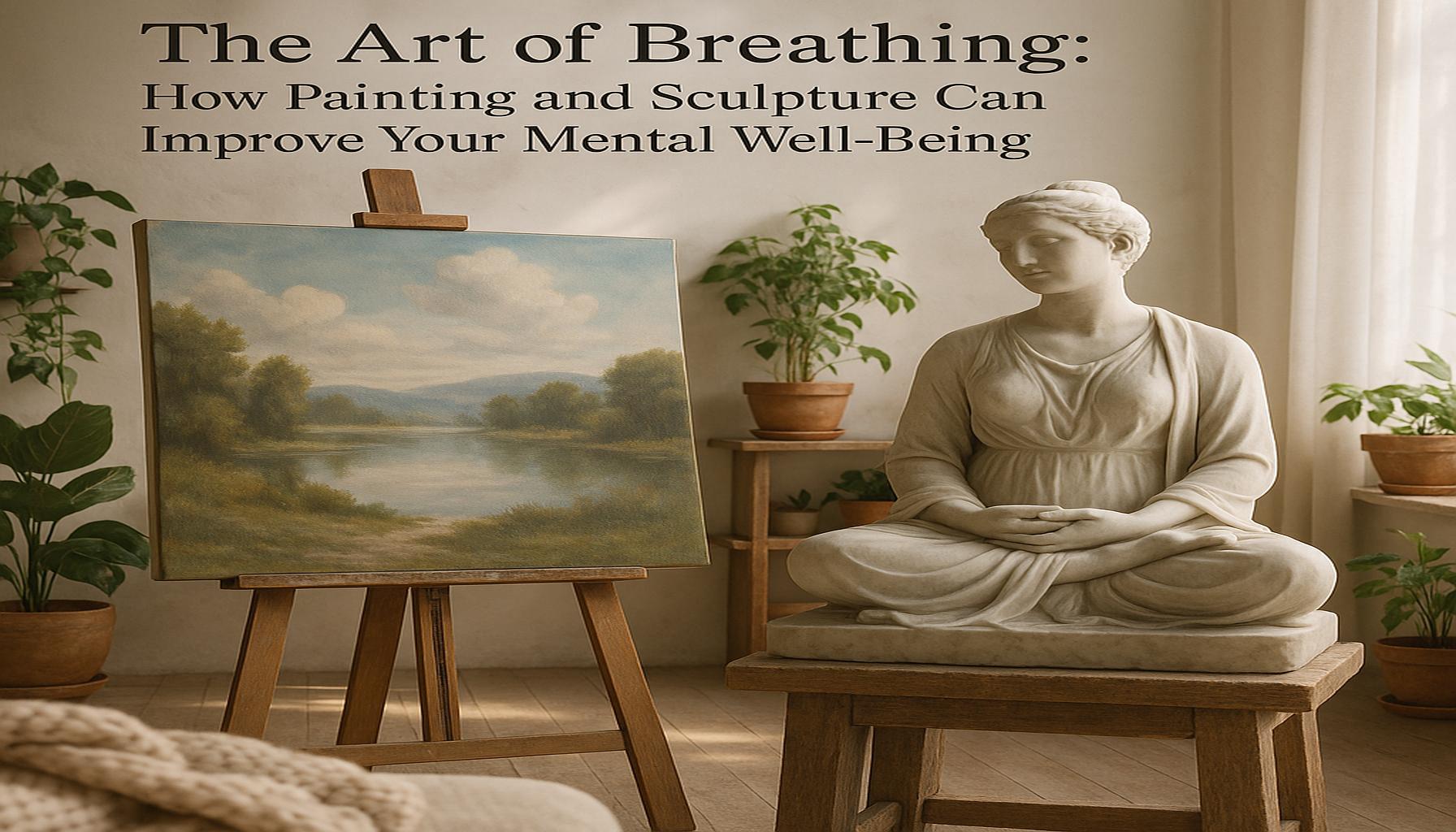
The Art of Breathing: How Painting and Sculpture Can Improve Your Mental Well-Being
The Healing Power of Art
In a world filled with chaos and constant demands, the relationship between art and mental well-being is undeniably significant. Engaging in creative practices like painting and sculpture offers a unique avenue for enhancing emotional health. By tapping into artistic expression, individuals can find an effective outlet for stress relief and personal discovery. This article delves into the profound impact art can have on our mental landscape and well-being.
Research indicates that the act of creating or even simply engaging with art can lead to substantial mental health benefits. For instance, studies have shown that involving oneself in artistic endeavors can reduce anxiety and stress levels. Through creative activities, individuals often experience a form of catharsis—a release of pent-up emotions that helps alleviate feelings of anxiety. For example, art therapy sessions have been utilized successfully in various mental health facilities across the United States, with patients reporting a marked decrease in symptoms of anxiety and depression.
Another key benefit of artistic engagement is its ability to improve mood and bolster emotional resilience. The process of creating something beautiful can trigger the release of dopamine, the brain’s “feel-good” neurotransmitter. A simple exercise, such as doodling or coloring in an intricate mandala, can lift one’s spirits and promote a sense of accomplishment. Participants in community art programs often share anecdotes about how spending time with paint or clay allows them to escape their worries and feel more centered.
Besides emotional benefits, engaging in art also contributes to enhancing cognitive function and problem-solving skills. Studies have demonstrated that individuals who regularly participate in creative activities develop better critical thinking abilities. For instance, architects and designers must think outside the box, integrating artistic creativity with analytical reasoning. This dual approach cultivates a mindset adaptable to various challenges encountered in both personal and professional realms.
Moreover, creative activities often provide a form of meditation, allowing participants to focus on their breathing and the present moment. This mindfulness aspect fosters a deeper connection to oneself and one’s surroundings, promoting inner peace and clarity. The rhythm of painting or the tactile experience of molding clay can serve as a grounding practice, drawing attention away from stressors and toward the personal fulfillment found in creation.
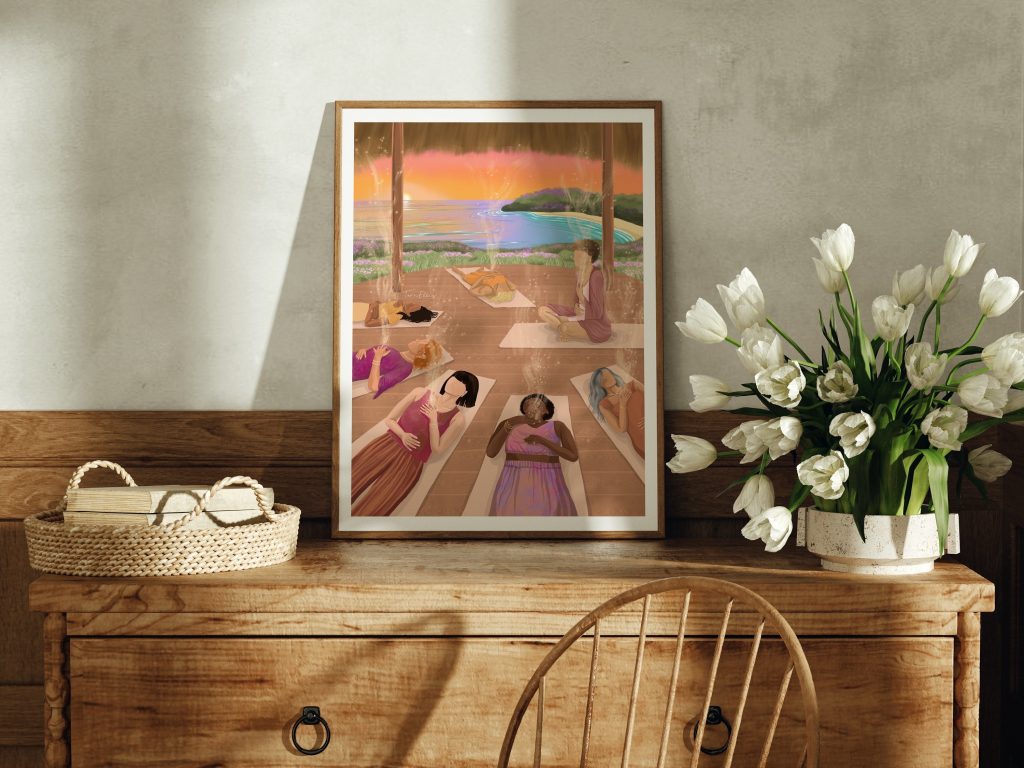
As we explore the therapeutic aspects of painting and sculpture, consider how immersing yourself in these art forms might transform your mental landscape. Whether it’s a weekend art class or a solitary evening spent at the easel, the potential for personal growth and emotional healing through artistic expression is immense. Creative practices not only captivate the imagination but can also illuminate pathways to better mental health and clarity in our bustling lives.
DIVE DEEPER: Click here to discover the magic of group workshops
Exploring the Impact of Painting on Mental Wellness
Painting, with its vibrant colors and freeform expression, serves as a powerful tool for enhancing psychological health. The act of putting brush to canvas allows individuals to release their feelings and frustrations in a manner that is both creative and therapeutic. Studies indicate that engaging with visual arts can significantly reduce symptoms of depression and promote overall feelings of happiness. Participants in community workshops often report not only improved mental states but also a renewed sense of purpose through their artistic endeavors.
Moreover, the benefits of painting extend beyond mere enjoyment. Research has shown that creating art can stimulate neural pathways linked to emotional regulation. When individuals immerse themselves in painting, they often enter a state of ‘flow’, a psychological term for being fully present and absorbed in an activity. This immersive experience can be remarkably calming, functioning similarly to practices like meditation, where focused attention leads to mental clarity and emotional tranquility.
Consider these key benefits of painting and how they relate to mental well-being:
- Reducing Anxiety: Engaging in the repetitive motions of painting can soothe the nervous system, serving as a form of stress relief.
- Enhancing Creativity: The structure of a painting session encourages lateral thinking and the exploration of ideas, which can translate to improved problem-solving skills.
- Building Resilience: The process of creating art encourages perseverance, where mistakes are seen as opportunities for growth rather than failures.
- Fostering Connection: Participating in group painting classes can build community and social support, which are essential elements for psychological well-being.
Painting not only empowers individuals to express their feelings but also opens pathways to explore complex emotions that might otherwise remain unaddressed. With every stroke, artists can delve deep into their psyche, illuminating thoughts and feelings that deserve acknowledgment. This creative expression often acts as a catalyst for personal growth, enabling individuals to emerge from artistic sessions with a deeper understanding of themselves and their emotional landscape.
The Transformative Nature of Sculpture
Sculpting, on the other hand, presents a tactile experience that engages another dimension of sensory awareness. The physicality of manipulating materials like clay, stone, or metal encourages individuals to become present in their bodies and conscious of their breathing. Many find that shaping a form can act as a grounding practice that buffers against the chaos of everyday life. Research shows that those who engage in sculpting often experience improved mindfulness, leading to a greater sense of peace and emotional control.
Furthermore, sculpting can be a liberating experience; it breaks the confines of traditional artistic expressions. Artists can challenge their creativity by transitioning from two-dimensional to three-dimensional art forms. As they sculpt, individuals are not just creating; they are also exploring their physical and emotional boundaries, often confronting feelings that surface during the hands-on process. This deep engagement not only boosts self-esteem but also promotes a sense of accomplishment and pride.
The therapeutic aspects of both painting and sculpture illustrate how artistic engagement can be essential for fostering mental well-being. Whether through the tranquility of color or the solidness of form, each medium offers unique opportunities for healing that resonate deeply within the individual, paving the way for emotional clarity and resilience.
The Therapeutic Benefits of Artistic Expression
Engaging in artistic activities such as painting and sculpture provides an opportunity for individuals to explore their emotions and experiences. These creative processes act as a form of self-expression, allowing people to communicate their feelings in ways that words often cannot. By channeling their thoughts onto a canvas or into sculpted form, individuals can release pent-up emotions, fostering a sense of relief.
Studies have shown that participating in artistic practices can lead to lower levels of anxiety and depression. Creating art encourages a state of mindfulness, where artists focus fully on the present moment, thereby reducing stress and promoting relaxation. The tactile experience of working with materials such as paint, clay, or charcoal stimulates the senses and offers sensory pleasure, providing a significant boost to mental well-being.
Building Community through Art
Art has the power to connect people, forming communities around shared interests and experiences. Joining art classes or workshops promotes social interaction, which is crucial for mental health. These group settings allow for collaboration and support, enhancing feelings of belonging and camaraderie among participants.
By fostering meaningful relationships through artistic engagement, individuals can combat feelings of loneliness and isolation, which are often detrimental to mental well-being. As individuals observe and support one another in their artistic journeys, they build networks of encouragement that positively influence their overall health.
| Category | Advantages of Art for Mental Well-Being |
|---|---|
| Emotional Expression | Art allows individuals to communicate complex emotions, reducing feelings of isolation. |
| Stress Relief | Artistic activities promote mindfulness, helping to alleviate anxiety and stress. |
DISCOVER MORE: Click here to dive deeper
Harnessing the Power of Mixed Media and Its Therapeutic Benefits
The journey of artistic expression extends beyond traditional painting and sculpting; it encompasses a multitude of forms including mixed media art, which can also have a profound impact on mental well-being. Mixed media integrates various materials and techniques, allowing artists to unleash their creative potential without restrictions. This unique method not only fosters innovation but also encourages individuals to embrace spontaneity, which can be incredibly liberating for the mind.
Engaging in mixed media art encourages a holistic approach to creativity, as artists can explore textures, colors, and forms that resonate with their feelings. This multifaceted engagement activates the cognitive functions and allows for unique emotional explorations. Studies have indicated that individuals practicing mixed media often experience enhanced self-awareness and emotional intelligence, making it an effective avenue for personal development.
The act of combining different materials—such as paint, fabric, and found objects—can serve as a metaphor for life itself; it emphasizes that beauty can be found in complexity and imperfection. This understanding may help individuals develop a more compassionate perception of themselves, fostering a sense of acceptance and patience with their own experiences and emotional states.
The Role of Art Therapy in Sculptural Practices
Art therapy, which includes both painting and sculpture, is a structured practice where therapists use creative processes to help individuals navigate mental health challenges. Sculptural art, in particular, has been embraced within therapeutic settings for its ability to bridge the gap between verbal communication and emotional expression. For example, working with three-dimensional forms can encourage individuals to externalize their internal conflicts, leading to breakthroughs in therapy sessions.
One prominent technique is the use of clay in art therapy. Clay is not only malleable and forgiving, but it also requires physical engagement that can be grounding for those dealing with anxiety or trauma. Kneading, shaping, and carving clay can be a form of meditative practice, prompting mindfulness and an awareness of the breath. Numerous art therapists advocate the use of sculpting exercises to help clients express feelings they may find challenging to articulate verbally, thereby fostering emotional healing.
Art therapy sessions have shown promising results in treating various mental health issues, including PTSD, depression, and anxiety disorders. Clients participating in sculpting activities report feeling empowered and capable as they create tangible representations of their inner worlds. Completing a sculpture often instills a strong sense of achievement, bolstering self-esteem and encouraging clients to set new goals.
The Community Aspect of Artistic Engagement
Beyond the individual benefits of painting and sculpture lies the community engagement these art forms can inspire. Group art classes, public art installations, and collaborative projects can cultivate a sense of belonging and connection among participants. Community-based art initiatives have been launched in various cities across the United States, effectively demonstrating their potential to nurture social bonds and promote collective mental well-being.
Through shared experiences in creative projects, individuals often find solace in recognizing common struggles and joys. The ability to create art together fosters dialogue, nurtures friendships, and ultimately contributes to a supportive network that enhances emotional resilience. Furthermore, the element of vulnerability associated with sharing one’s artwork can deepen connections and promote empathy among participants, which is critical for overall mental health.
Thus, the art of breathing through painting and sculpture not only aids personal exploration but also intertwines with broader themes of community, mindfulness, and emotional intelligence. As individuals discover the myriad ways that creativity enriches their lives, they often find paths to healing that resonate deeply within, showcasing the transformative power of artistic expression.
DIVE DEEPER: Click here to discover more
Conclusion
In conclusion, the exploration of painting and sculpture as therapeutic tools opens up a multitude of avenues for enhancing mental well-being. Artistic engagement serves not only as a platform for personal expression but also as a conduit for emotional healing and introspection. The unique attributes of mixed media art invite individuals to embrace creativity without limitations, allowing them to navigate their feelings and thoughts in a tangible form. As they experiment with different materials, artists can cultivate a deeper understanding of themselves, fostering self-awareness and emotional intelligence.
Furthermore, the integration of art therapy into sculptural practices demonstrates the profound impact of physical creativity in therapeutic contexts. The act of manipulating materials like clay can ground individuals, providing a meditative experience that promotes mindfulness and connection to one’s breath. This artistic practice has shown promising results for addressing mental health issues such as anxiety and depression, suggesting the substantial benefits of engaging both the mind and body through art.
Importantly, the communal aspect of artistic expression fosters connections among individuals, promoting empathy and resilience. Community-driven art initiatives have proven to be powerful in nurturing social bonds, ensuring that the benefits of creativity extend beyond the individual and into collective wellness. As we continue to uncover the versatility and power of the arts, it becomes evident that incorporating creative practices like painting and sculpture into our lives can play a vital role in enriching mental well-being and fostering a healthier, more mindful society.